
James Ensor in Ostend: Where to See His Work
James Ensor lived and worked in Ostend, where his former home and Mu.ZEE tell his story. Here is where to see his paintings in Ostend and Antwerp.
On this page
James Ensor is the painter to follow if you want one artist who explains modern Belgian art: born in Ostend in 1860, dead in the same city in 1949, and hard to pin to a single movement. The quickest way to meet him is in Ostend itself, where his former home is now Ensor House and Mu.ZEE holds a further collection a short walk away. This guide covers what he painted, why masks and skeletons fill his canvases, and where else in Belgium his work hangs.
James Ensor in one paragraph
Ensor spent almost his whole life in Ostend and produced a career of roughly 850 paintings over seven decades, a figure reported by the Flemish tourist board. He worked as an impressionist in technique and as a colourist by instinct, but his subjects set him apart: satire, dark humour and a relish for the grotesque. That mixture makes him easy to recognise and awkward to file under a single label.
Tate dates him simply as 1860 to 1949, which is the span to keep in mind when a gallery label places him alongside the impressionists on one wall and the symbolists on the next. Treat him as a one-off rather than a member of a school, and his output starts to make sense.
Why Ostend shaped the work
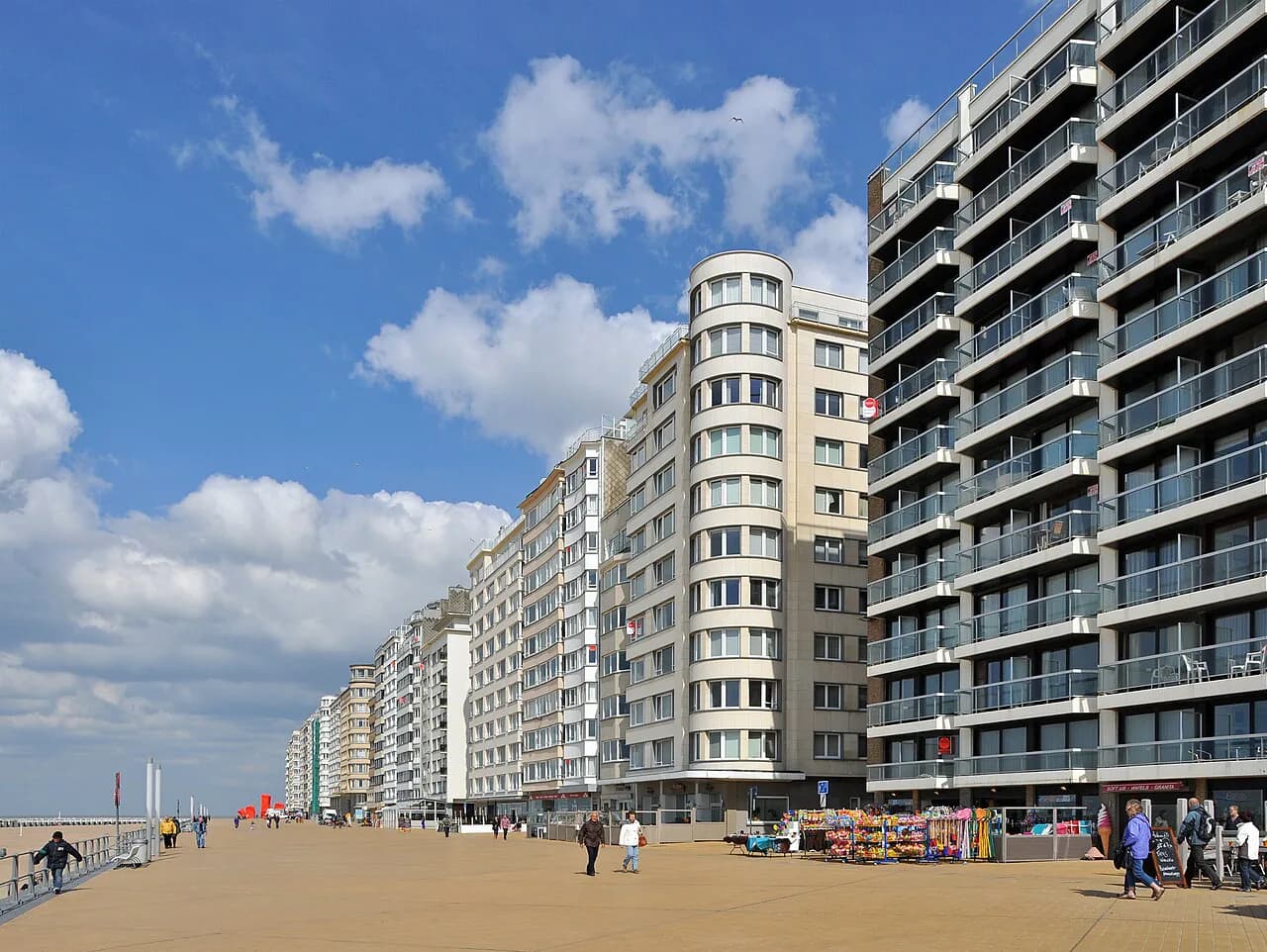
The North Sea is the backdrop to nearly everything Ensor painted, and he returned to the water's shifting greys and greens throughout his career. Ostend was also his family's livelihood: his parents ran a souvenir shop that sold carnival masks, and those masks moved from the shop counter into his paintings.
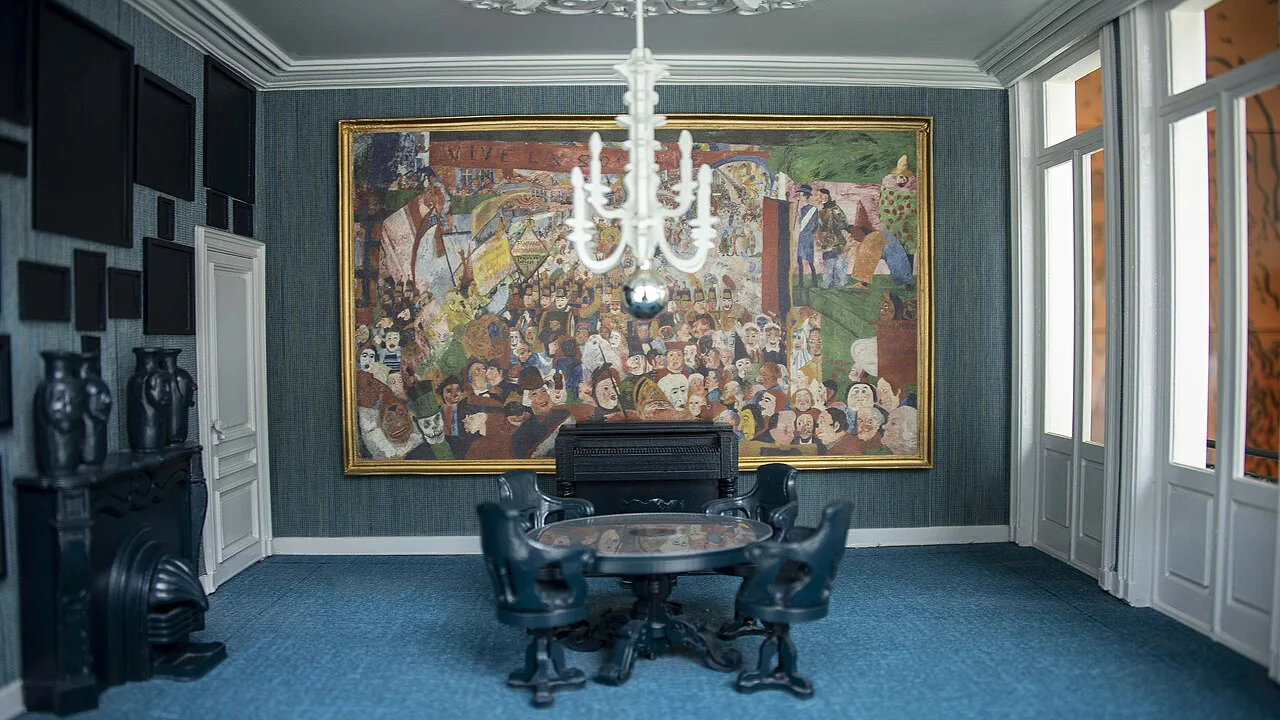
Knowing the shop matters when you stand in front of a crowd of masked figures. The masks are not a decorative flourish but a memory of the seaside trade he grew up in, and they carry his suspicion of respectable bourgeois society at the same time. Look for the same distrust in the skeletons and skulls that recur alongside the masks.
James Ensor House: the last 30 years
Ensor's residence for the final 30 years of his life has been renamed Ensor House and now operates as a heritage house with a visitor centre. It is the anchor of any Ensor day in Ostend because it puts the man in the rooms where he lived and worked, rather than in a neutral gallery. Go here first, then let Mu.ZEE do the work of showing you the paintings.
The house is a compact stop rather than a full museum, so it pairs naturally with Mu.ZEE on the same afternoon. Confirm current opening days and any timed entry before you build a day around it.
Mu.ZEE: the paintings in the city where he painted them
Mu.ZEE, Ostend's museum of modern and contemporary art, gives an additional view of Ensor's life and work in the city where he made it. Its value to a first-time visitor is context: you see the paintings in Ostend, with the sea a few streets away, which is the closest you get to the conditions he worked in.
Pair the two stops rather than choosing between them. The house supplies the biography and the rooms; Mu.ZEE supplies the painted surfaces and the range of his output. If you have only half a day, the house plus a focused hour in Mu.ZEE is a better use of time than trying to see everything in both.
Masks, death and satire: what to look for
Take three things into the gallery: faces, skulls and mockery. Ensor's masked figures often crowd the canvas in a way that feels closer to caricature than portraiture, and the humour is deliberately uncomfortable rather than gentle. The figure of death recurs across his work, sometimes as a skeleton among revellers, and his contempt for established values runs underneath both motifs even though he ended his life as a baron.
Because he was a strong colourist, the palette does as much work as the subject. Watch how reds and yellows push the masked crowds forward while the sea and sky recede into muted bands. If you already know the earlier Flemish primitives, the contrast in intent is sharp: their panels were built for devotion, Ensor's for satire.
The largest Ensor collection in the world: KMSKA in Antwerp
The Royal Museum of Fine Arts in Antwerp, known as KMSKA, holds the largest Ensor collection in the world, so an Ensor admirer has to leave Ostend to see his work in depth. That is the central trade-off of any Ensor trip: Ostend gives you the man and his city, Antwerp gives you the breadth.
Antwerp is easy to combine with an art-focused stay because KMSKA also holds the Baroque collection most visitors come for. If you are building an Old Masters itinerary, Rubens in Antwerp sits alongside the Ensor rooms, giving you the seventeenth and nineteenth centuries in one city.
Ensor beyond Ostend and Antwerp
Brussels holds a fair amount of his work at the Royal Museums of Fine Arts, which makes a useful stop if the city is your rail hub rather than your destination. In Ghent, the Museum of Fine Arts (MSK) displays Ensor alongside its wider collection, and Museum Dhondt-Dhaenens also holds examples. Museum Plantin-Moretus is in Antwerp, not Ghent, and is closed for renovation, reopening on Saturday 5 December, so do not plan a stop there until it reopens.
If your interests run earlier, Ghent rewards a longer stay for reasons beyond Ensor. The Ghent Altarpiece in Sint-Baafskathedraal is the city's headline artwork and a natural companion to an Ensor day, since the two painters sit at opposite ends of the same national tradition.
Bruges covers the same territory from the fifteenth-century side, with Hans Memling's hospital museum as the most concentrated place to see it. Reading an Ensor canvas after a morning of Memling is one of the most instructive comparisons in Belgian art.
How to plan a day around Ensor in Ostend
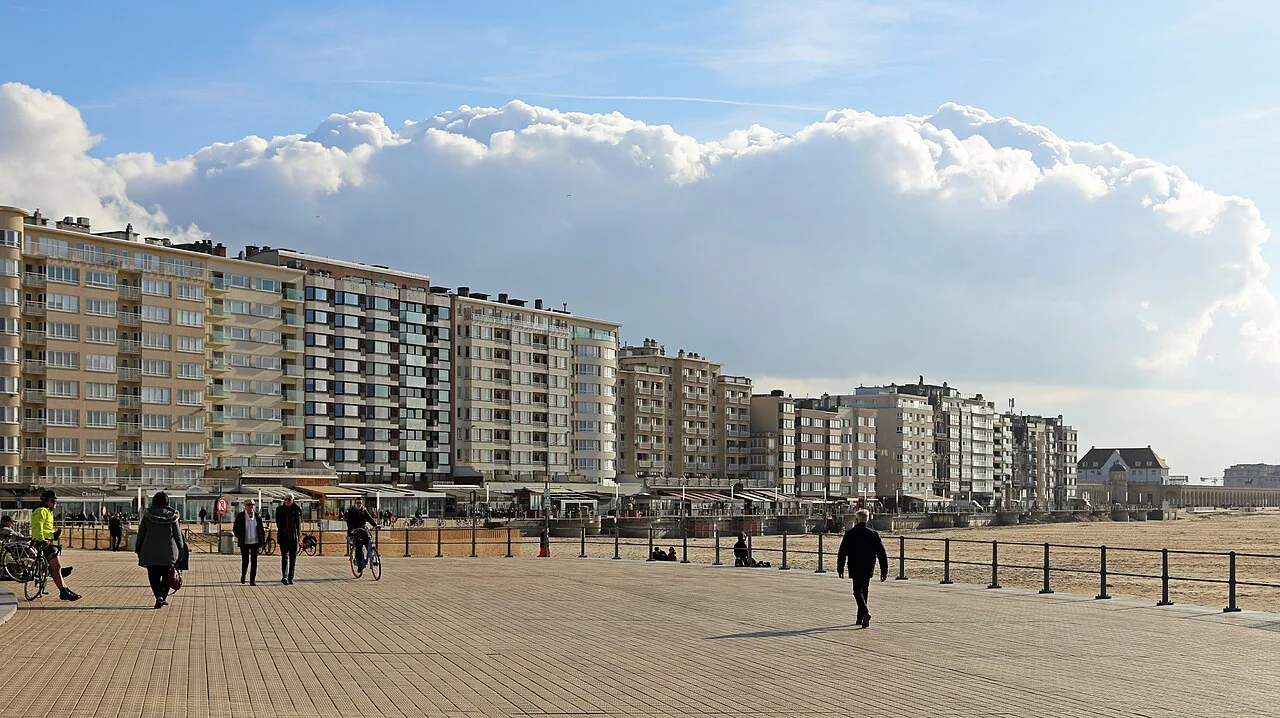
Start at Ensor House while you are fresh, move to Mu.ZEE for the paintings, then take the sea air along the promenade to let the motifs settle. The two venues sit close enough to walk between, which is the practical argument for basing an Ensor day in Ostend rather than treating the city as a stop on the coast line. Keep the afternoon free for a second pass at whatever caught your eye.
If your trip is a wider museum tour rather than a single-artist pilgrimage, weigh Ostend against the country's stronger collections before committing a day. Our guide to the best museums in Belgium outside Brussels sets out what each city offers, so you can decide whether an Ensor day is worth one of your three or four days.
Is Ensor worth seeking out on a short city break?
Yes, if you give him a day in Ostend and accept that Antwerp holds the fuller collection. The house and Mu.ZEE together explain why a painter who rarely left his home town became a central figure in modern art, and the masks you see in the paintings trace directly back to his parents' shop. Skip him only if your short break is already full of earlier Flemish work, in which case the Flemish painters guide is the better starting point.
Choose Ostend or Antwerp for your Ensor day
Base your Ensor day in Ostend and you get the house, the museum and the sea that shaped the paintings, in a walkable pair of stops. Add Antwerp if the collection itself matters more than the biography, since KMSKA holds the largest Ensor collection in the world. If you have time for both, do Ostend first and let Antwerp deepen what you have already seen.
Explore more Belgium guides
Frequently Asked Questions
Was James Ensor Belgian?
Yes. Ensor was Belgian, born in Ostend in 1860 and died there in 1949. He spent almost all his life in the city rather than settling in Brussels or Paris.
How many paintings did James Ensor produce?
The Flemish tourist board reports a career of roughly 850 paintings across some seventy years of work. Treat the figure as an approximate total rather than a precise catalogue count.
What art movement did James Ensor belong to?
He does not fit neatly into one movement. His technique draws on impressionism, but his colour, satire and grotesque subjects push the work towards symbolism and expressionism, which is why galleries rarely file him under a single label.
Sources
Useful notes for your next trip
Optional updates to our guides.
You might also like



Continue reading
More guides you'll find useful





