How Many Days in Ghent? One, Two or Three Days
Ghent suits two days: a compact medieval centre, canals and major sights. One day covers the highlights, and a third day lets you slow down and go further.
On this page
Two days is the right answer for most people visiting Ghent. The medieval core is compact enough to walk in an afternoon, but the sights around Markt, Burg and the Graslei repay a second day rather than a hurried circuit. This guide breaks the trip into one, two and three day plans, explains how the centre fits together on foot, and sets out when a single day from Brussels is enough and when staying overnight is the better call.
How many days in Ghent: the short answer
Give Ghent two days if you want the city rather than a sampler. One day covers the headline squares, a canal walk and one or two major sights; 2 days add a second museum or church and room for a boat trip or a long lunch without rushing. Three days suit travellers who want to slow down, explore beyond the immediate centre or use Ghent as a base for the wider region.
The geography makes this easy to judge. Markt, Burg, the Graslei and Korenlei quays and the Belfort sit within a few minutes of each other, so the classic circuit is short and walkable. The extra time goes on depth: the interiors, the views from towers, the museums, and the walks that take you away from the busiest streets.
What one day in Ghent covers
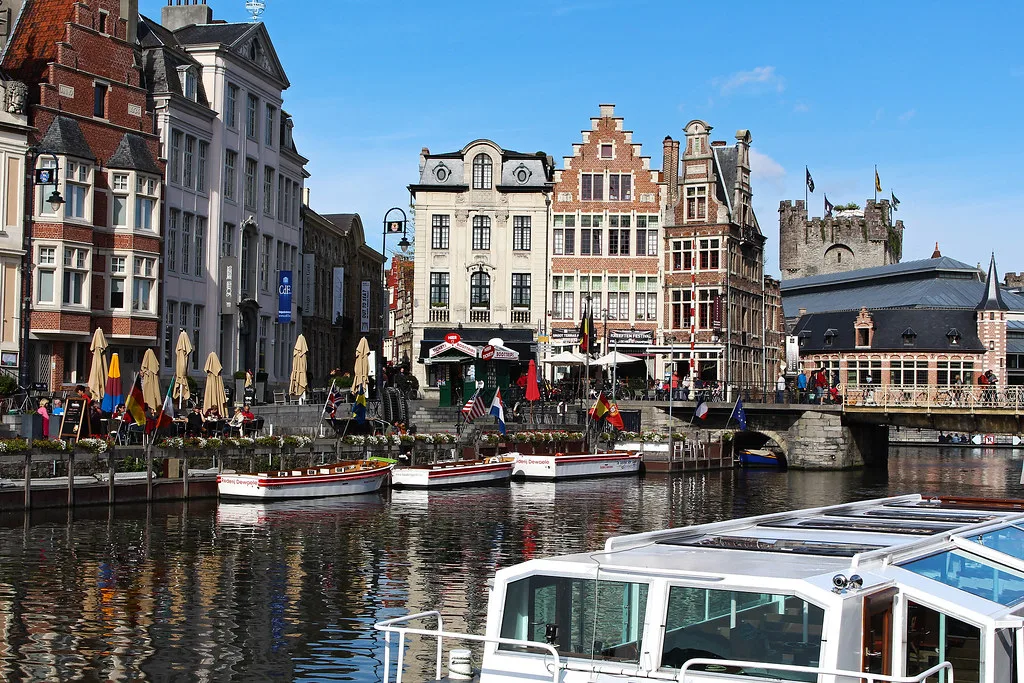
A single day should start at the Markt, with the Belfort as the anchor, then move the few steps to the Burg for the Stadhuis and the area around Sint-Baafskathedraal. From there the Graslei and Korenlei give you the postcard view of the canal frontage, and a walk along the water links the main sights without any transport. One full day of walking covers this comfortably if you keep museum time to a single stop.
The realistic trade-off is that one day leaves no slack. Pick either the tower climb or a major interior, not both, and accept that you will pass rather than properly see the rest. A boat trip from the medieval centre is a good use of an hour on a short visit, and it shows you the canal layout you have been walking beside.
What two days in Ghent add
The second day is where Ghent stops being a checklist. You can return to Sint-Baafskathedraal to see The Ghent Altarpiece properly, walk the Graslei and Korenlei again in different light, and add the Gravensteen, whose castle walls give the city a very different silhouette from the belfry. Spreading the sights over two mornings also means you can absorb a rainy spell in a café instead of losing the day.
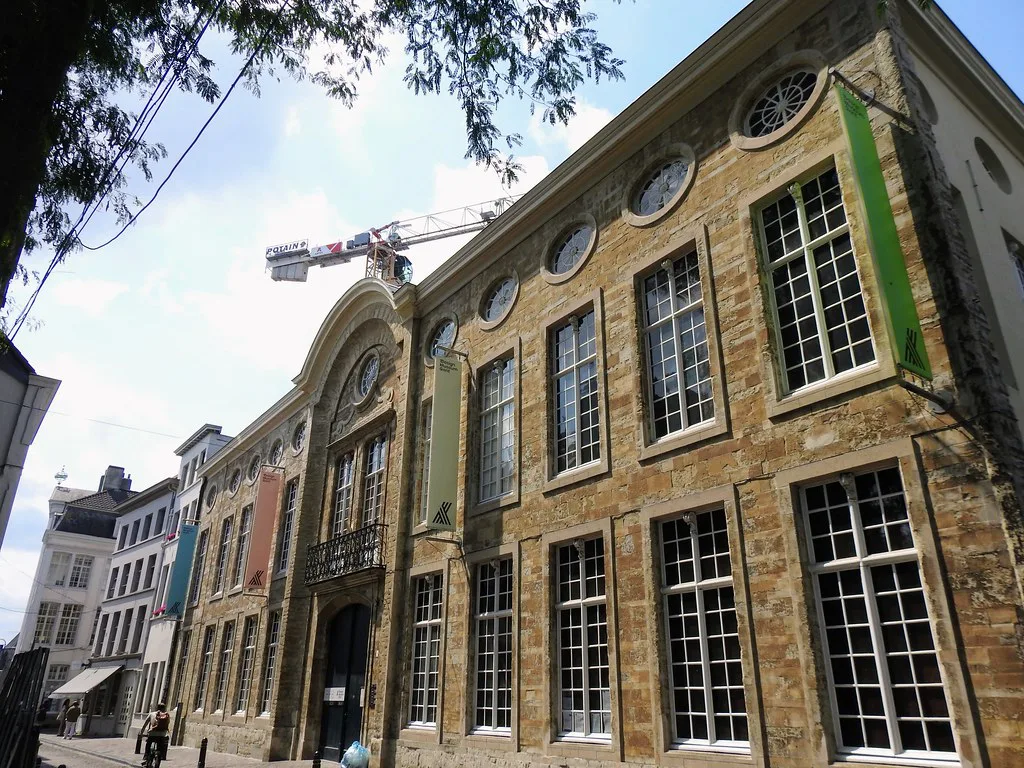
Use the second afternoon for the parts of the centre that reward wandering: the streets behind the Graslei, the smaller squares, and collections such as Design Museum Gent, a short walk from the core. If you are building the trip around a Ghent City Break, a full two-day plan makes better use of the travel time from the UK than a single rushed day.
What a third day in Ghent gives you
A third day changes the pace rather than the list. You can revisit a favourite square in the morning, take a longer walk along the canals, and spend a proper block of time in a museum without watching the clock. It also gives you room for a slower meal and for the parts of the city that are not on the direct line between Markt and the water.
The other benefit is flexibility. With three days you can afford a wet morning indoors and a bright afternoon outdoors, or drop a plan entirely if something else catches your eye. If you are weighing up whether the extra night is worth the cost, the decision usually comes down to how much you value unhurried time over squeezing in one more sight, and our breakdown of what a Ghent city break costs helps you judge that against your budget.
Ghent in a day vs staying overnight
Ghent is reachable from London on the Eurostar to Brussels, with onward Belgian Railways connections to Ghent, and the city centre is a short tram ride from the station. That makes a day trip from Brussels genuinely practical if Brussels is already your base. The cost is the evening: you see the sights in daytime crowds and leave before the squares empty out.
Staying overnight buys you the early morning and the late afternoon, when the Markt and the Graslei are at their best and the walking is easy. A two-day stay also spreads the walking across two days instead of one long push. For a first visit, one night in the centre is the minimum that makes the trip feel like a visit rather than an excursion.
Where the sights sit: Markt, Burg, Graslei and Korenlei
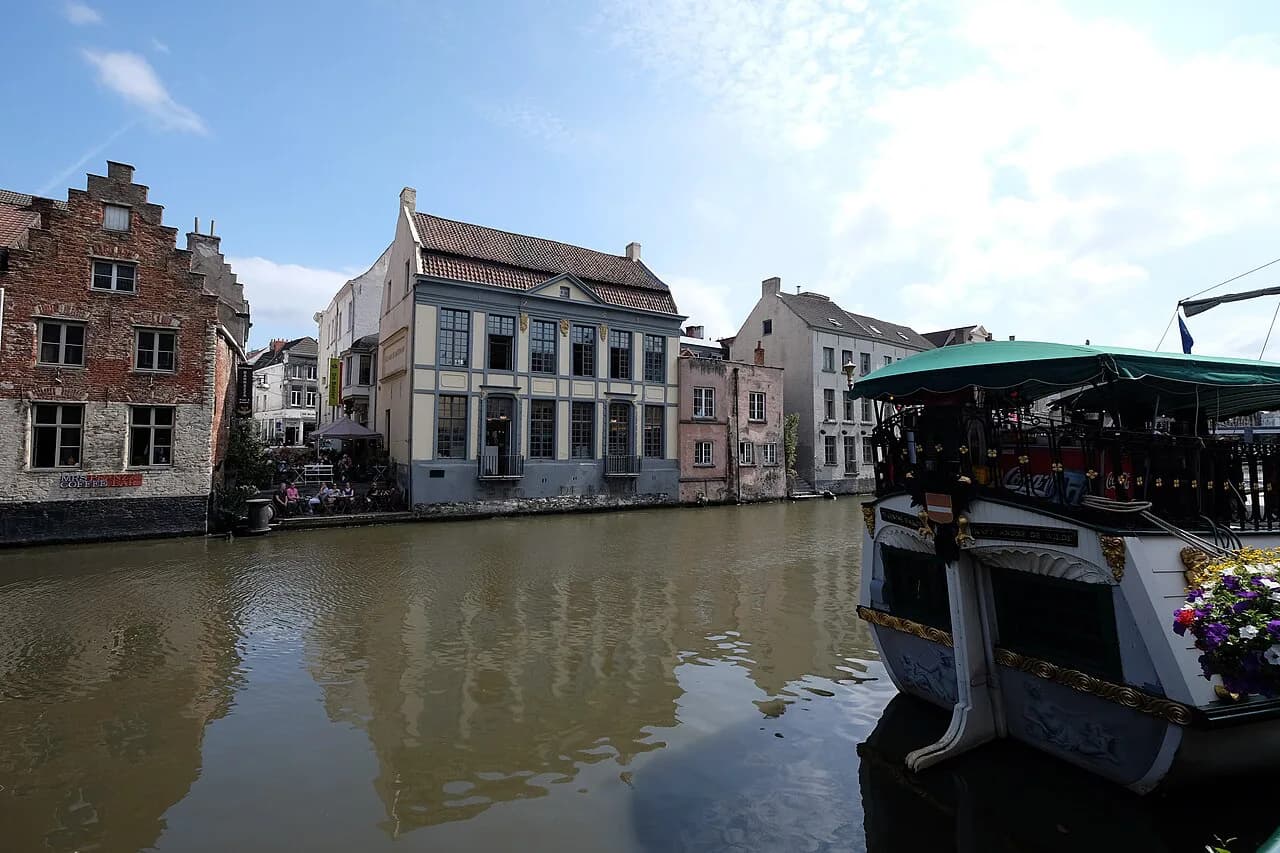
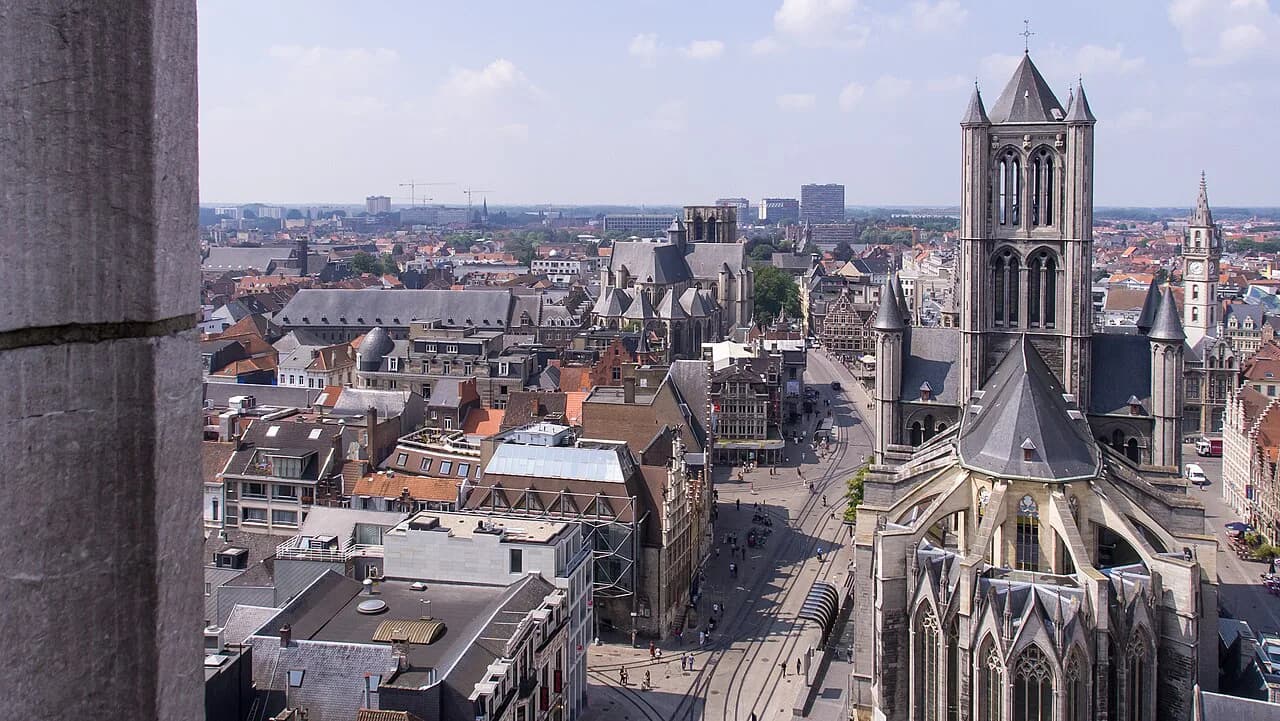
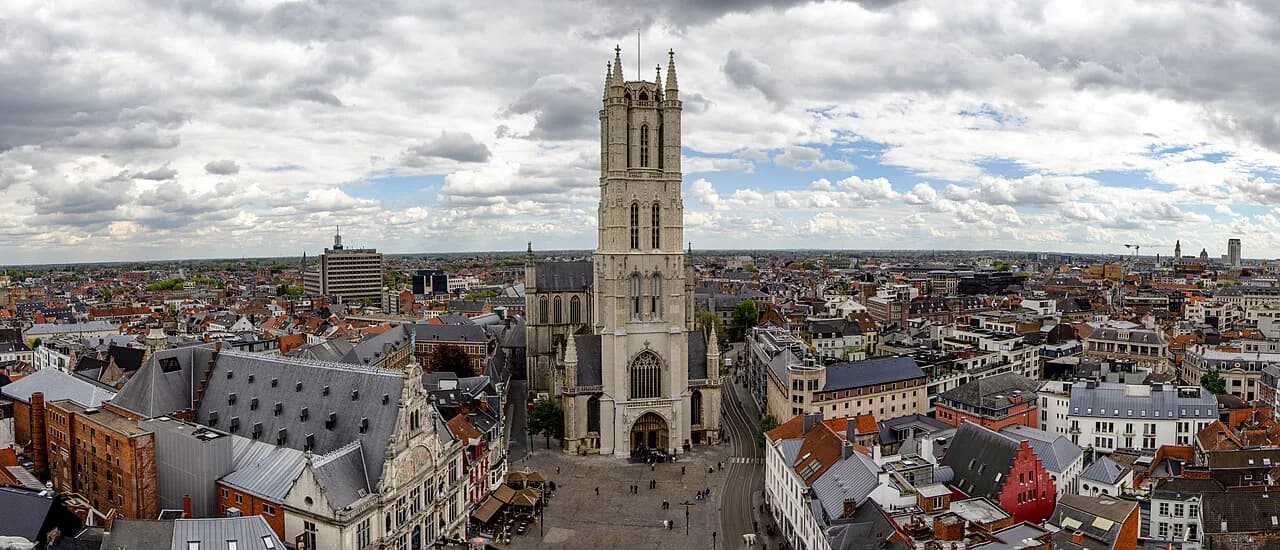
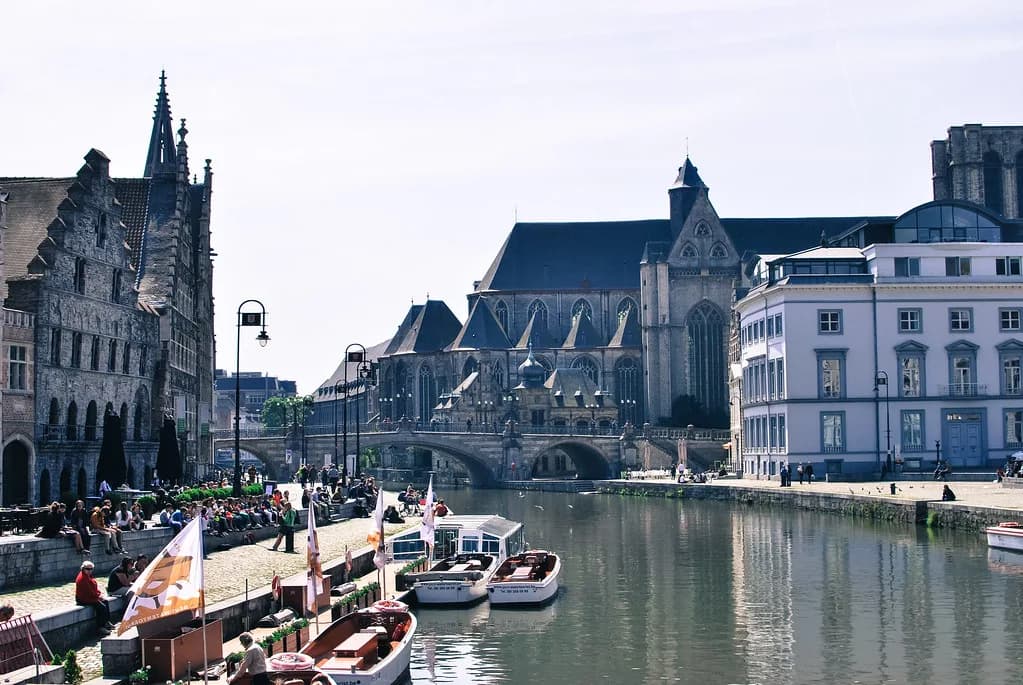
The historic core is a tight triangle. Markt holds the Belfort and the open square; the Burg is one street away with the Stadhuis and the approach to Sint-Baafskathedraal; and the Graslei and Korenlei run along the Leie a few minutes downhill. You can walk between all of them in under ten minutes, which is why the one-day circuit works at all.
The Gravensteen sits slightly to the north-west of that triangle, still within easy walking distance but far enough to feel like a separate stop. Plan the day in a loop rather than out and back: Markt, Burg, the cathedral, the Graslei and Korenlei, then the castle, returning through the lanes. This keeps the walking short and puts the busiest sights early.
When two days is not enough (and when one is plenty)
Two days falls short if you want serious museum time, a tower climb and a boat trip on the same visit, or if you plan to use Ghent as a base for Bruges and the wider region. In that case add a third day rather than compressing everything into two long, footsore days. Two days is also thin if you arrive late on the first day, since the first evening is largely lost to travel.
One day is plenty if Ghent is one stop on a wider Belgian trip and you mainly want the squares and the canal views. It is also enough for a repeat visitor who has already seen the cathedral and the castle. Be honest about what you will skip: a single day means choosing the Belfort or the Gravensteen, not both done properly.
Ghent with Bruges or Brussels in the same trip
Ghent and Bruges pair naturally because they share a medieval canal character but feel different in scale. Bruges is the more polished, more crowded set piece; Ghent is a working city with a university population and a rougher edge. If you have three or four days in Belgium, two in Ghent and one or two in Bruges is a sound split, with a short train ride between them.
Brussels works as the hub rather than a third medieval stop. Arrive there, connect onward to Ghent, and treat Brussels as the transport point for Eurostar and Belgian Railways. If you only have a day for Ghent, base yourself in Brussels and take the train out; if you have two, stay in Ghent and see Brussels on the way home.
Which Ghent plan fits your trip?
Choose two days if this is your first visit and you want the squares, the canals and at least one major interior without rushing. Choose one day if Ghent is a stop on a longer Belgian trip and you are content with the medieval core seen on foot, and choose three if you want unhurried museum time and a slower wander along the water.
Explore more Ghent guides
Frequently Asked Questions
Is two days enough for Ghent?
Yes. Two days cover the Markt, Burg, the Graslei and Korenlei, Sint-Baafskathedraal and the Gravensteen at a comfortable pace, with time for a canal walk and one museum. A third day adds depth and slack rather than new headline sights.
Can you see Ghent in one day?
You can see the historic core in a day on foot, since Markt, Burg and the canal quays are minutes apart. A single day means choosing between the Belfort and the Gravensteen rather than doing both properly, and leaving little room for a museum.
Should I stay overnight in Ghent or visit from Brussels?
Stay overnight if you want the squares and quays in the early morning and late afternoon and a less hurried second day. A day trip from Brussels works if Brussels is already your base and you only want the highlights.
Sources
Useful notes for your next trip
Optional updates to our guides.
You might also like
Continue reading
More guides you'll find useful