One Day in Ghent: A Realistic Day Trip Itinerary
Plan a Ghent day trip with a walkable route past Gravensteen, the Belfry, Sint-Baafs and Graslei, plus honest choices on where to spend your hours.
On this page
One day in Ghent is enough to see the essential sights, because the historic centre is compact and car-free and the main stops sit within a few minutes of each other on foot. This itinerary runs from the Graslei quays in the morning to the illuminated canals after dark, with honest choices about where to spend your hours. It suits anyone arriving from Brussels or Bruges for a single day as much as a longer Ghent city break.
The route is continuous rather than a checklist: quays, castle, Patershol lanes, cathedral, Belfry, lunch, St Michael's Bridge and a boat ride, all in one loop through the medieval centre. Ghent feels like a working university city rather than a staged old town, and that shows in the student presence and the lived-in streets around the sights.
Start at the Graslei and Korenlei quays
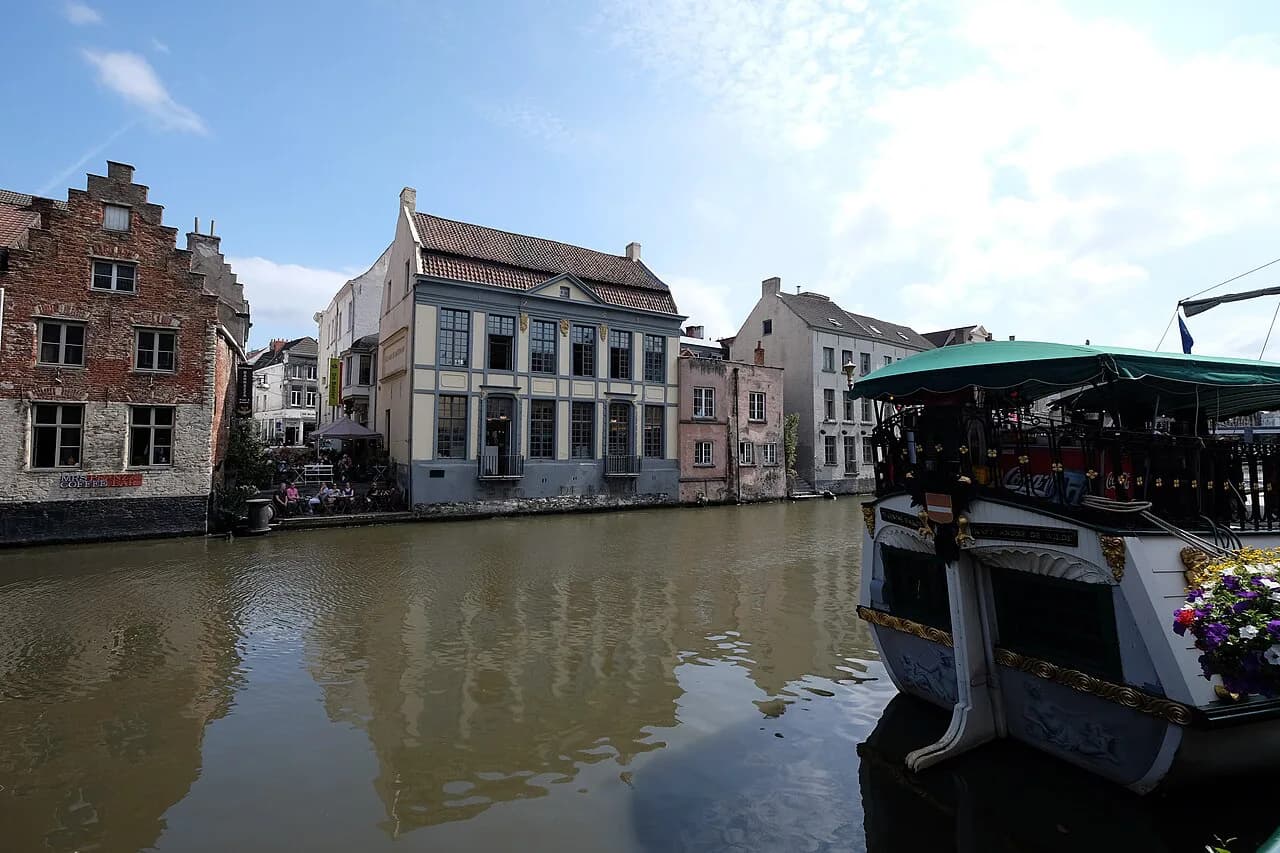
Begin on the Graslei and Korenlei, the twin quays on either side of the Leie where the medieval grain trade once ran. The stepped gables line up along the water, and this is the calmest hour to see them before the day fills up. Walk both banks, cross at the Grasbrug, and use the quays as your orientation point for the rest of the route.
From the quays, head towards the castle and keep its towers in sight as a landmark; the medieval streets around the old port lead you there without needing a map for this stretch.
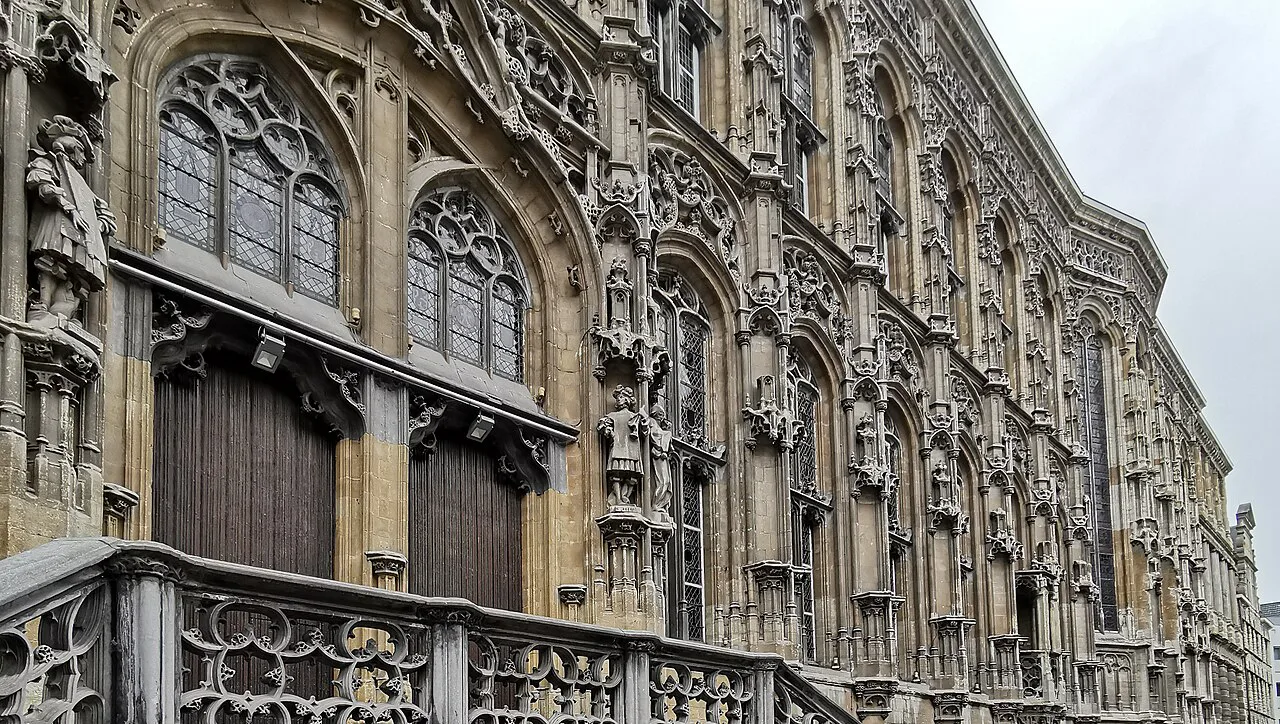
Gravensteen castle: tour the interior or admire it from outside
Gravensteen is a medieval castle set directly beside one of Ghent's canals, and it looks the part: moat, battlements, the lot. The interior operates as a museum open to the public, so you can either tour it or simply circle the outside and enjoy the views. Decide now, because the castle visit is the main variable in a one-day plan.
Touring the interior costs you roughly an hour of sightseeing time that could otherwise go on the Belfry climb or a slower look at the cathedral altarpiece. Seeing it from outside still gives you the classic castle view over the water. My pick for a first day: outside only, unless castles are the reason you came.
Patershol lanes and Werregarenstraat street art
North of Gravensteen, the Patershol neighbourhood shifts the mood entirely: cobbled lanes, Flemish rooflines and quiet residential back streets behind the busier main lane. It is the best contrast to the monumental centre and takes only twenty minutes to wander.
Then cut across to Werregarenstraat, a short walking street given over to a bright, ever-changing run of street art that fits Ghent's youthful character. It takes minutes to see, so treat it as a link between sights rather than a destination.
Sint-Baafs Cathedral and the Adoration of the Mystic Lamb altarpiece
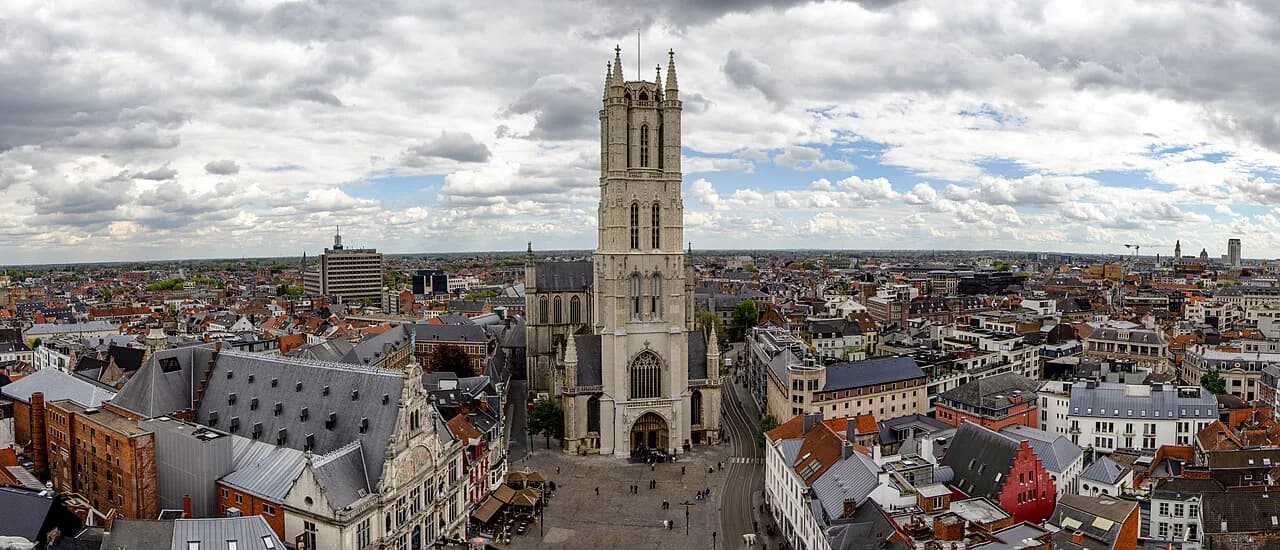
Sint-Baafs Cathedral has a fine interior, but its draw is the Adoration of the Mystic Lamb, the van Eyck altarpiece that is the single most important artwork in the city. The panels have been through a long restoration in phases, and parts may be off view depending on when you visit, so the experience is not always the complete polyptych. Plan your cathedral stop without assuming you will see every panel.
If art is a priority, give Sint-Baafs the time you saved by skipping the castle interior. If it is not, a quick look at the nave and the exterior is a reasonable trade.
The Belfry climb and the view over the three towers
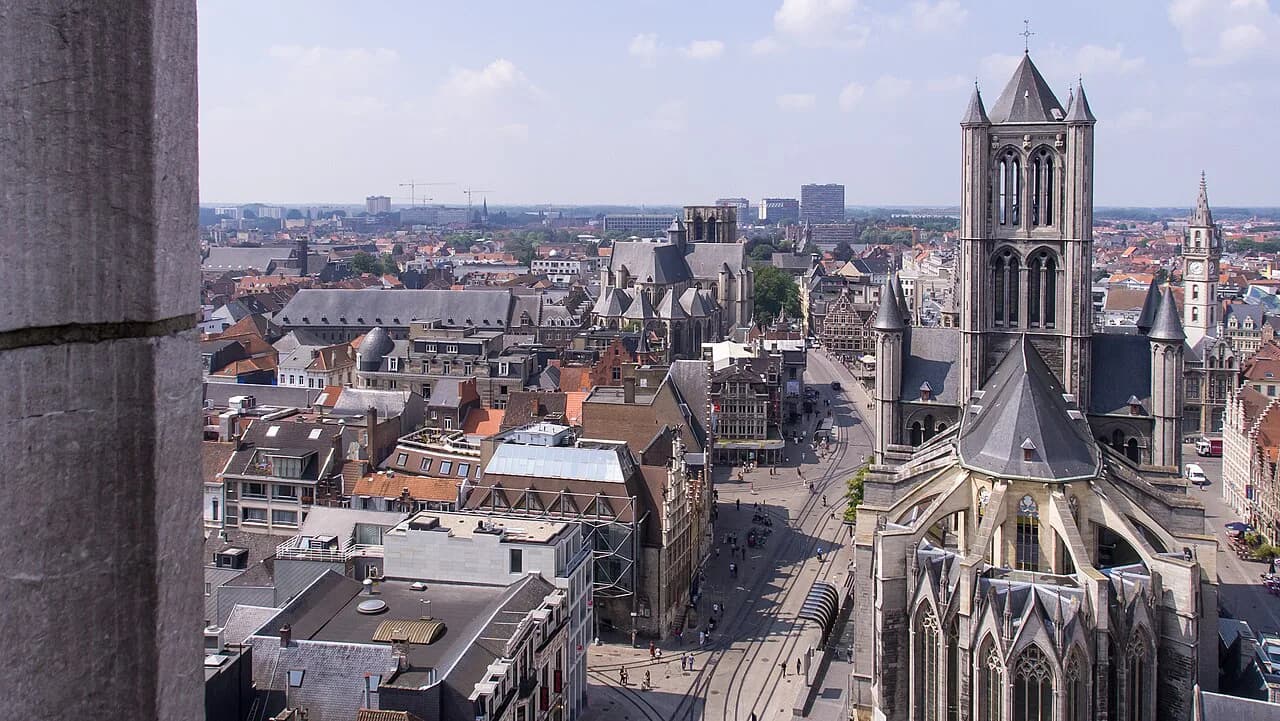
The Belfort has been guarded by a dragon since 1377 and began life as a watchtower, which explains why its position near Sint-Baafs and St Nicholas' Church gives such a clean view over the centre. The climb is short: one storey up, then a lift carries you to the top. That makes it the most rewarding effort-to-view ratio in Ghent.
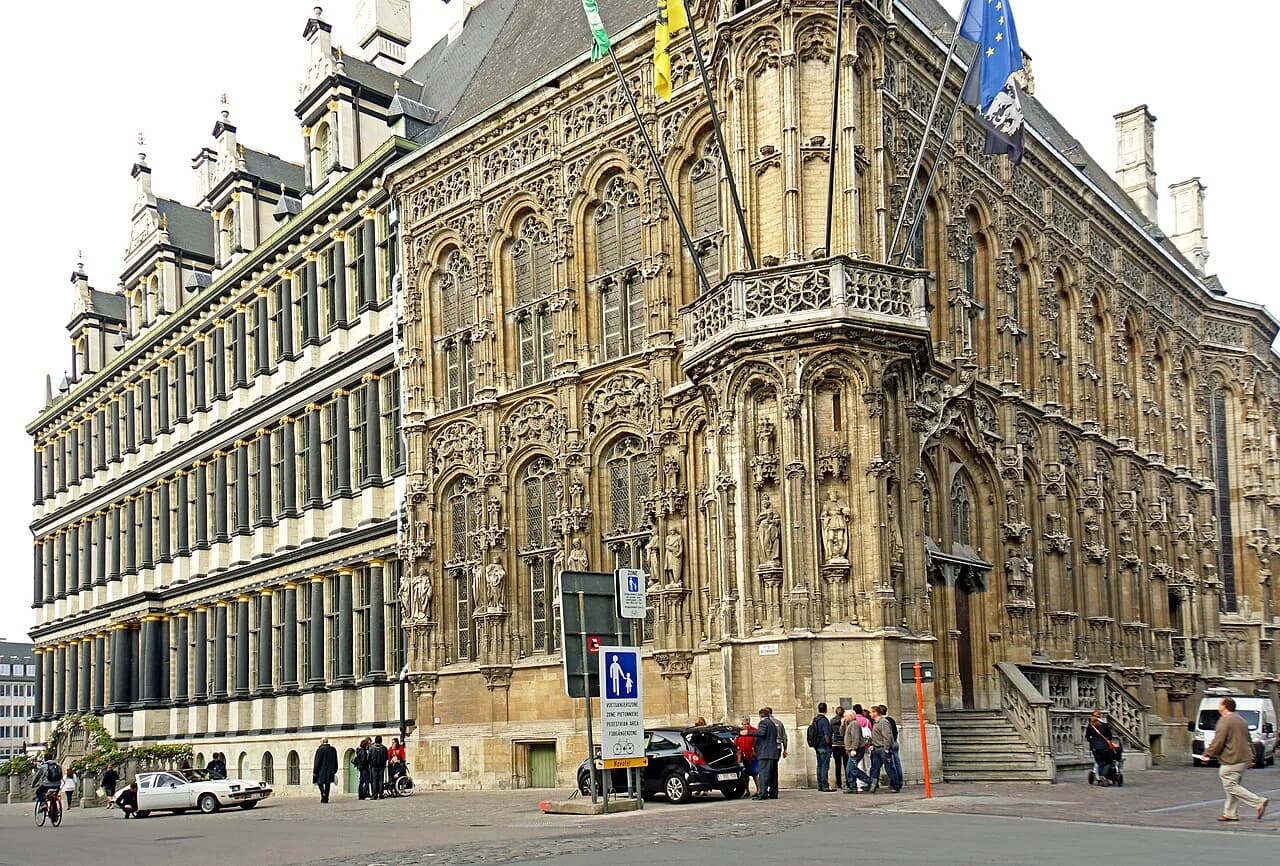
On the way down, look for the alignment of St Nicholas' Church, the Belfry and Sint-Baafs, the three medieval towers that define the skyline. City Hall and the surrounding streets sit just below, so the descent drops you straight back into the historic core.
Lunch stop: frites, waffles, chocolate or beer
Belgian staples carry lunch in Ghent: frites, waffles, chocolate and beer are all easy to find around the centre. Pick one and eat standing or at a counter rather than committing to a long seated meal, which would eat into the afternoon.
Chocolate shops and beer cafés are where a short stop works best: taste, buy, move on. What lunch costs depends on whether you sit down or grab something quick, and day-to-day prices are worth budgeting for before you go.
St Michael's Bridge and the classic three-tower view
St Michael's Bridge delivers the definitive Ghent photograph: the towers of St Nicholas' Church, the Belfry and Sint-Baafs Cathedral lined up in a single frame over the Leie. It is a few minutes' walk from the Belfry and needs no ticket. Time it for late afternoon light if you can.
The bridge is also the natural hinge between the cathedral quarter and the Graslei end of the centre, so it fits the loop without a detour. Cross it, look back, then head down to the water.
Canal boat ride through the medieval centre
A boat ride on Ghent's canals is the most popular way to see the city from a different angle, looking up at the medieval architecture from the water. Put it in the late afternoon, after the walking is done, when your legs want a rest and the light softens.
Boats leave from the Graslei and Korenlei area, so finish the walking loop where you started. Fares and departure times vary by operator and season, so ask at the quay on the day rather than planning around a fixed departure.
Ghent by night: illuminated canals and reflections
Ghent's lighting scheme is deliberate: a series of installations picks out the main buildings after dark and throws reflections into the canals below. A short evening walk along the Graslei and Korenlei is the best way to close the day, and it takes about half an hour.
If you are staying over, this is the strongest argument for not treating Ghent as a pure day trip. The 2 days in Ghent route adds museum time and a slower evening on the water, and the city after dark is a different, quieter place than the daytime centre.
One day or two: how long Ghent actually needs
One day covers the essentials listed here, but it squeezes Gravensteen's interior, a full cathedral visit and a relaxed lunch against each other. Two days lets you tour the castle, give the altarpiece proper time and still fit the boat ride without rushing. If you are weighing up how many days in Ghent to allow, the honest answer is that the centre rewards a second morning.
Ghent's centre is relatively large and car-free, so walking between sights adds up over a day. If you dislike walking or want a slower pace, add a second day rather than trying to compress it.
Ghent or Bruges for a single day trip
Bruges is the prettier postcard and the smaller, more village-like experience. Ghent is bigger, livelier and feels like a living city rather than a staged old town, with students and residents sharing the canal-side cafés. Choose Bruges for fairy-tale charm, Ghent for medieval architecture with everyday life running through it, and read is Ghent worth visiting if you are still deciding between the two.
Both work as day trips from Brussels or Bruges, and both fit a single day. If you have only one day and want the classic view, Bruges; if you want the three-tower skyline, a real castle and a boat ride with room to breathe, Ghent.
Which version of Ghent fits your day?
Choose the compact route if you have one day: Graslei and Korenlei, Gravensteen from outside, Patershol and Werregarenstraat, Sint-Baafs, the Belfry, lunch, St Michael's Bridge, a late boat ride and the illuminated canals after dark. Choose the fuller version if you have two: add the castle interior and give the altarpiece the time it deserves.
Ghent rewards the walkable approach, and the whole centre fits into a single loop regardless of which version you pick. A Ghent city break with a night to spare is the better trip; a single day is the honest minimum.
Explore more Ghent guides
Frequently Asked Questions
Which city is better for a day trip, Ghent or Bruges?
Bruges is the smaller, more postcard-perfect city. Ghent is bigger, livelier and feels like a working university city, with medieval architecture and canals running through everyday life. If you want fairy-tale charm, Bruges; if you want a real city with a castle, a belfry and a boat ride, Ghent.
Is 3 days in Ghent too long?
Three days is more than Ghent's central sights need, but it is not wasted: it leaves time for museum mornings, a fuller look at the altarpiece and a slower look at the canal quays. For most visitors, one or two days covers the essentials.
What should I plan ahead for a Ghent day trip?
The cathedral altarpiece and a canal boat ride are the stops most likely to need planning, since restoration viewing and boat schedules affect what you see. Check the organiser's published details before you set out, especially for the altarpiece.
How do I get to Ghent for the day?
Ghent is an easy day trip from Brussels or Bruges by train, and the walkable centre means you can leave the station behind and cover everything on foot. Plan your arrival for mid-morning so the quays are quiet and the afternoon is free for the boat.
Sources
Useful notes for your next trip
Optional updates to our guides.
You might also like
Continue reading
More guides you'll find useful