Ghent vs Brussels: Which Belgian City Suits a Short Break?
Ghent and Brussels compared on atmosphere, crowds, sights and how each fills one to four days, so you can pick one or split your time between them.
On this page
Choose Ghent for a one- to three-day break and Brussels when you want big-city scale, the Grand Place and major art collections in one trip. Ghent packs its medieval core into a walkable loop, so you spend your time looking rather than travelling, while Brussels spreads its sights across districts and needs more planning. This comparison weighs the two on layout, sights, pace and atmosphere, with Bruges as the third piece if you have time.
Both cities sit within easy reach of each other and of Bruges, so the real question is usually how to divide a short trip rather than which city wins outright. The sections below name the squares, streets and museums that do the most work for a visitor, then match each city to a realistic number of days.
Ghent or Brussels: the short answer
Pick Ghent if your trip is short and you want a single, coherent medieval centre you can cross on foot in an afternoon. The Gravensteen castle sits in the middle of the old town, the Korenmarkt is a few minutes away, and the Patershol neighbourhood gives you a quieter grid of streets once the main squares fill up.
Pick Brussels if you want a capital's range: the Grand Place, a royal quarter and major art collections over three or four days. The trade-off is distance, since Brussels spreads its sights across districts and you will use the metro or tram between them.
The atmosphere is the clearest divider. Ghent has a university population that keeps the centre lively and everyday rather than museum-like, while Brussels can feel like a working capital with tourism concentrated in a few blocks. If you want the postcard version of Flanders instead, Bruges is the third option to weigh.
What each city feels like in a day
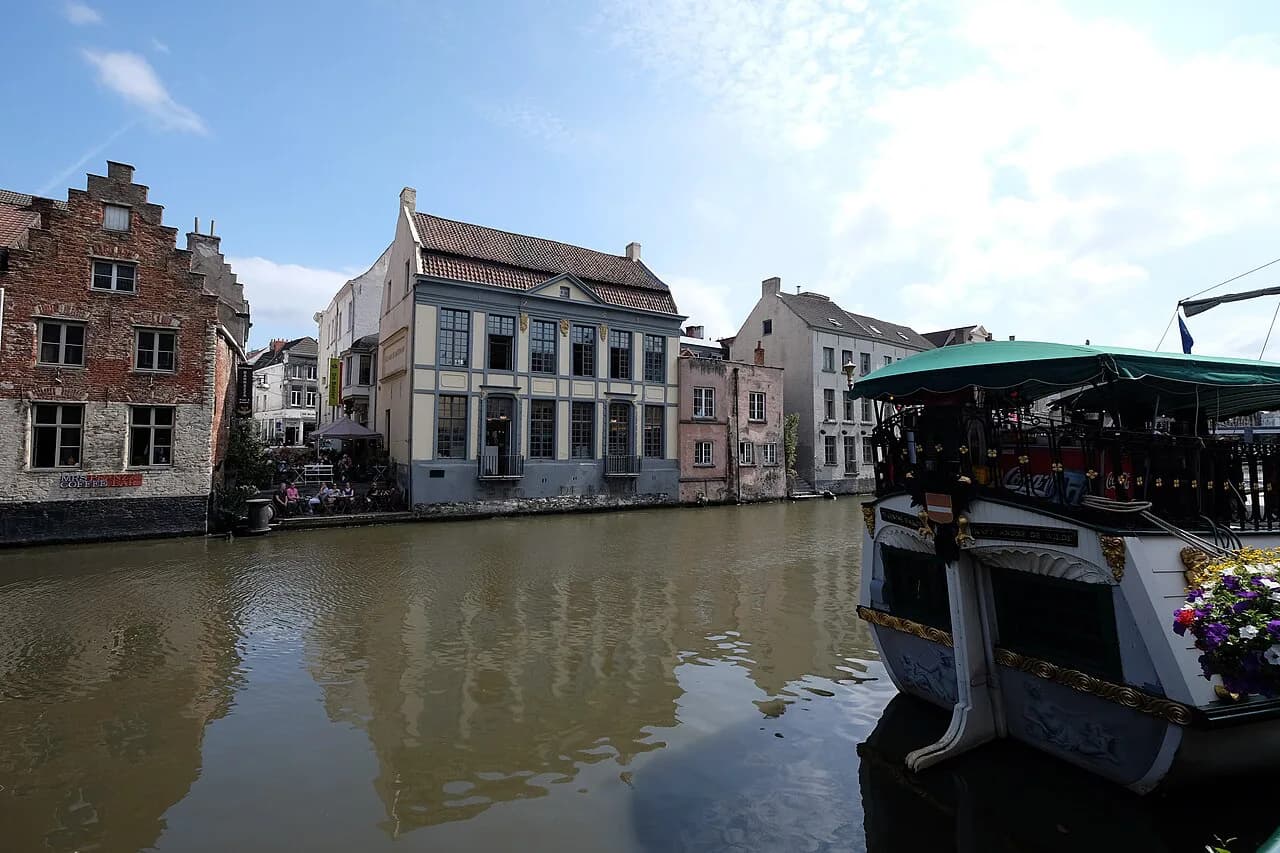
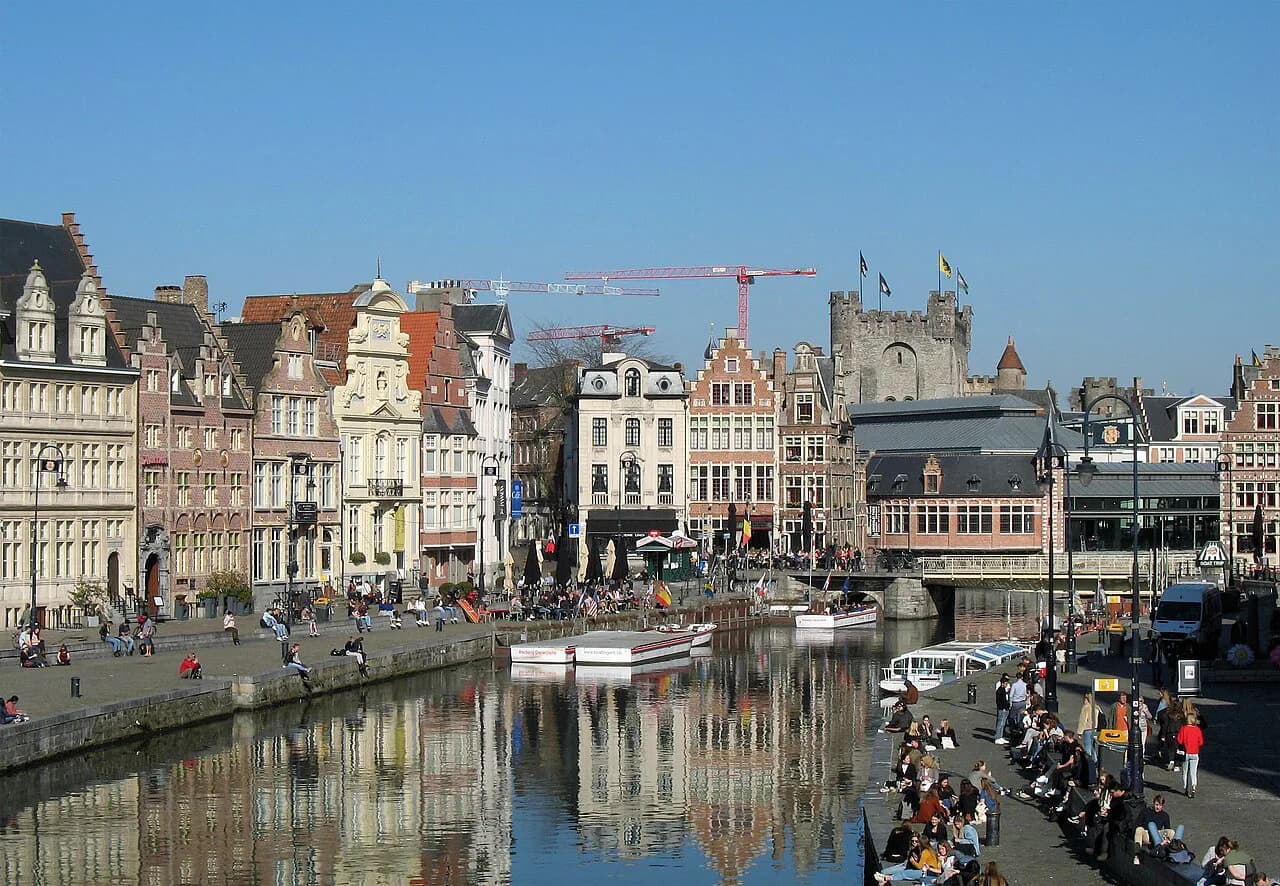
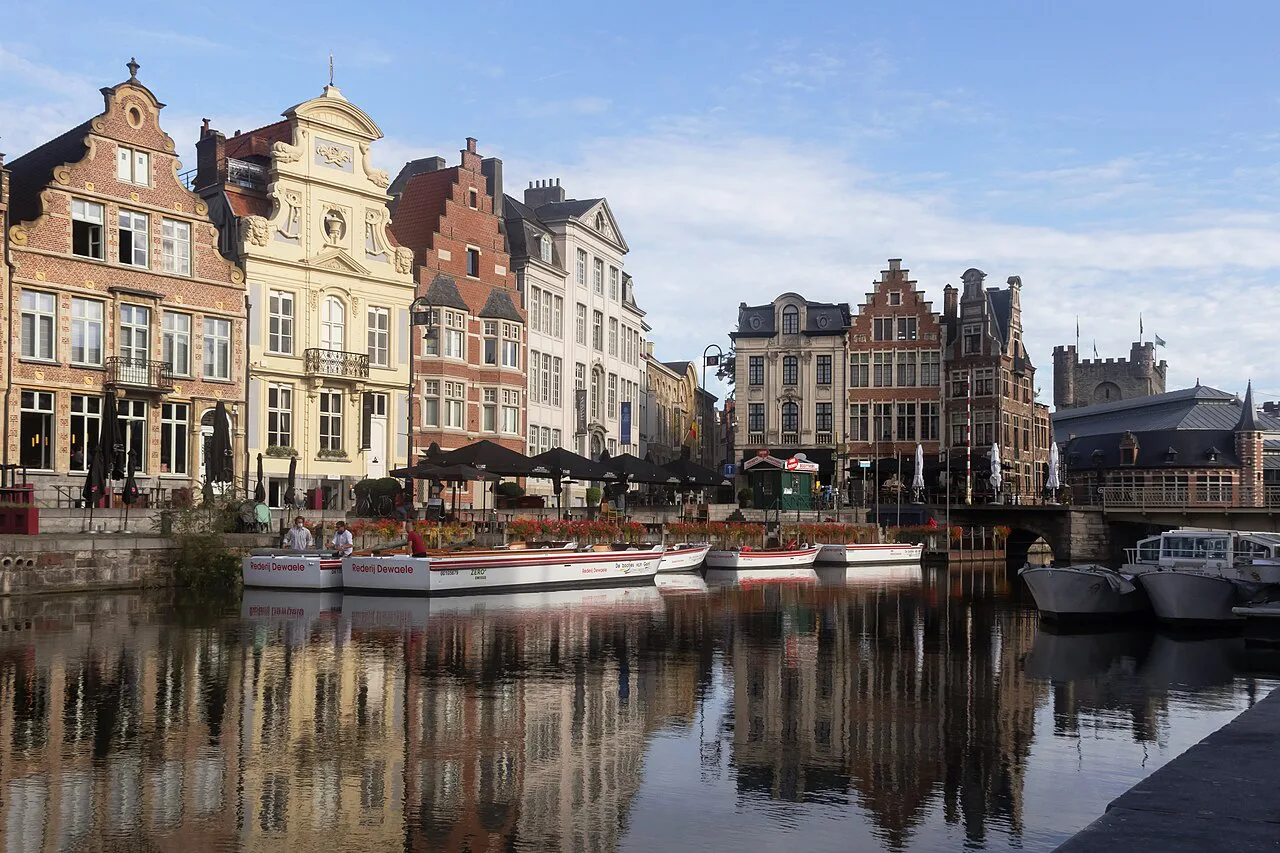
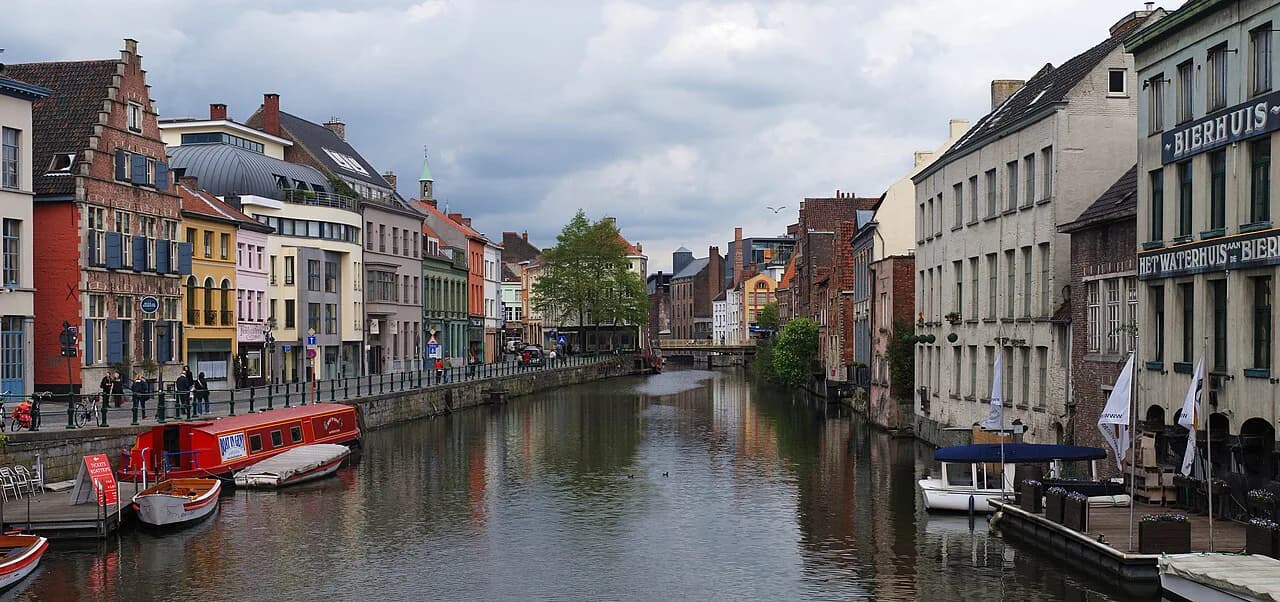
A day in Ghent tends to follow the water: the Graslei and Korenlei quays, the view up to the castle, then the cathedral and the streets behind it. Because the centre is compact, you can add a museum or a long lunch without dropping anything essential.
A day in Brussels usually starts at the Grand Place and then commits to a direction, whether that is the royal quarter and the Musées royaux des Beaux-Arts or the streets north of the centre. The sheer choice is the appeal and the problem, since a single day rarely covers two districts comfortably.
Ghent rewards a slower rhythm: two days let you see the altarpiece properly, climb the Belfort and still have an evening on the quays. Brussels rewards curiosity beyond the main square, where the city becomes less formal and more lived-in.
Bruges, Ghent and Brussels in one trip
All three cities sit close enough that a four-day trip can include each without spending the holiday in transit. Bruges deserves at least one night, because the centre empties in the evening once the day visitors leave and the canals take on a different character.
A workable split is two nights in Ghent as a base, one night in Bruges, and a day or two in Brussels at either end of the trip. Ghent sits between the other two, which makes it the natural hub if you want to see all three without repacking constantly.
If you only have three days, cut Brussels rather than Bruges. Bruges is small but distinctive, and Ghent gives you the lively version of the same medieval architecture, so the pair covers more ground than Brussels plus one of them.
The historic core: Ghent's medieval centre and Brussels' Grand Place
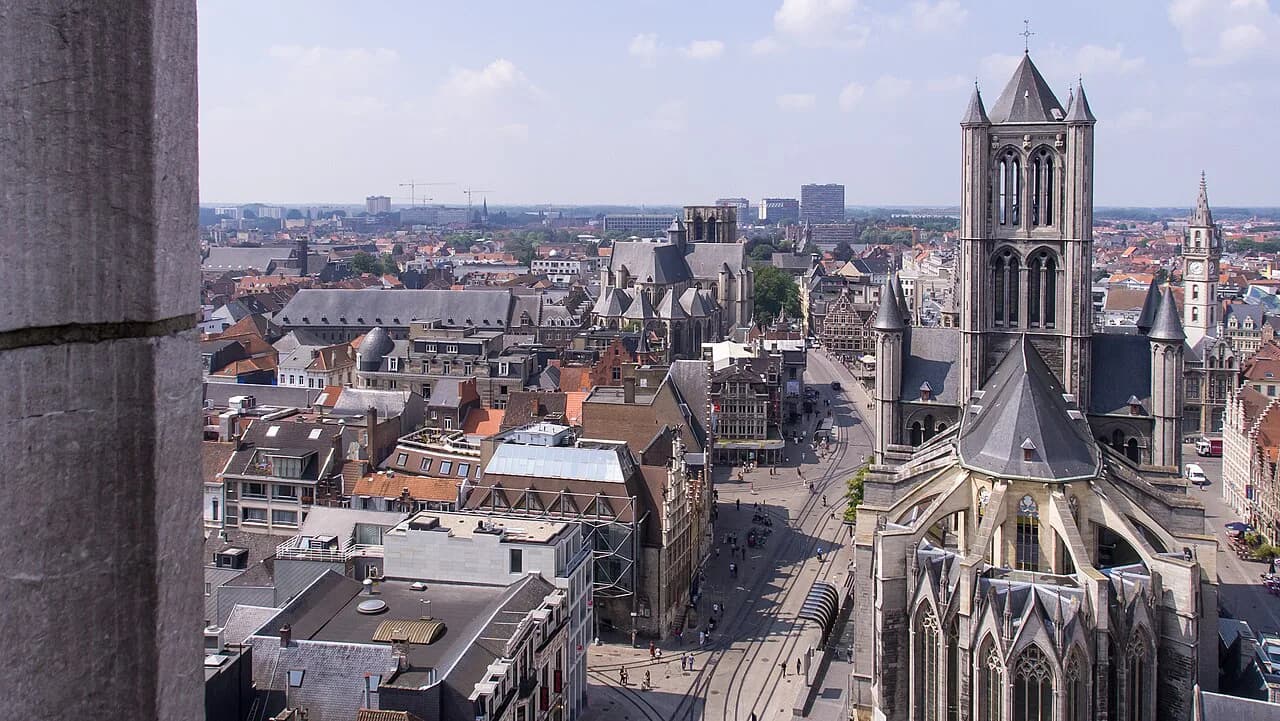
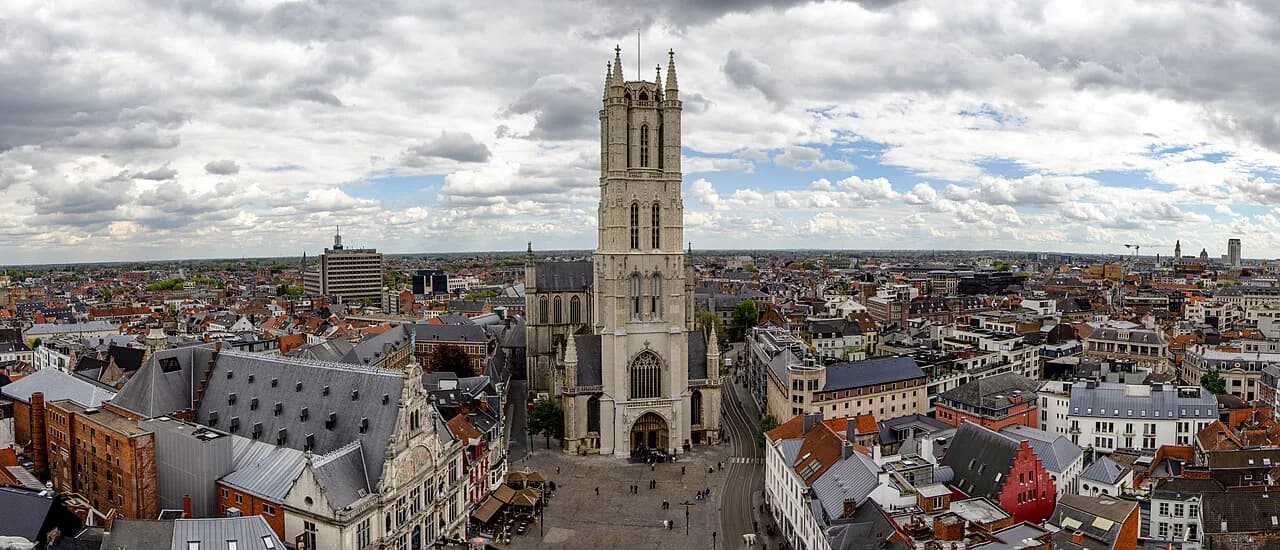
Ghent's centre is a dense medieval fabric of churches, guildhouses and canals, with the towers of Sint-Baafskathedraal and the Belfort rising above the Korenmarkt. The effect is architectural rather than monumental: you read the city by walking its streets rather than by standing in one grand square.
Brussels concentrates its spectacle in the Grand Place, a UNESCO World Heritage Site ringed by guildhouses rebuilt after the French bombardment of 1695, with the city hall facade surviving from around 1400. The square is genuinely spectacular, especially when lit, but it is one set piece rather than a whole district.
That difference shapes the day. In Ghent the sights come to you as you walk; in Brussels you walk to the sight, then move on to the next district, which is why a Brussels day needs a map and a plan.
Sights worth building a day around in Ghent
Sint-Baafskathedraal holds the Van Eyck brothers' Adoration of the Mystic Lamb, and an audio guide turns a famous panel into a story of religious conflict, revolution and wartime theft. Give The Ghent Altarpiece real time rather than treating it as a quick stop, and build the rest of the morning around the cathedral.
Gravensteen, the castle of the counts, anchors the old town and gives you the classic view back over the rooftops, while the Graslei and Korenlei quays are the place to sit with a drink at the end of the day. The Patershol neighbourhood behind the castle is the obvious detour for an evening meal.
For contemporary art, SMAK sits in the Citadelpark, which pairs a museum visit with a walk through a city park. Beyond that, the wider Ghent City Break planner sets out how to pace a couple of days around the museums and the old town without taking you far from the centre.
Sights worth building a day around in Brussels
The Musées royaux des Beaux-Arts and its Magritte holdings justify a half-day on their own, gathering the Belgian surrealist's paintings, drawings and magazine covers in one complex. Pair it with the royal quarter and the park above the city centre.
The Grand Place is the obvious first stop, best seen twice: once in daylight to read the guildhouses and once after dark when the facades are lit. From there the streets towards the Mont des Arts give you the city's grandest axis.
Brussels also has the wider selection of restaurants and bars, which matters if eating well is part of the trip rather than fuel between sights. Ghent holds its own, but the capital simply has more of everything.
Crowds, pace and how much ground you cover on foot
Ghent is the more relaxed of the two on foot, with a compact centre that keeps most of what you want within a twenty-minute walk. The student population keeps the atmosphere everyday rather than museum-like, and the crowds thin quickly once you leave the Korenmarkt.
Brussels is a bigger city with a bigger footprint, so a day there involves more walking and more time on public transport between districts. The Grand Place concentrates visitors in a few blocks, which means the surrounding streets can feel surprisingly empty.
If you dislike queueing behind tour groups, Ghent's quieter streets around the Patershol and the area behind the cathedral give you breathing room. In Brussels, stepping two streets away from the Grand Place achieves the same thing.
How many days each city needs
One day in Ghent covers the cathedral, the castle, the quays and a walk through the Patershol, which is enough to know whether you want to return. Two days add a museum and a slower evening, and three days let you use the city as a base for Bruges and the surrounding region.
Brussels needs at least two days to cover the Grand Place, the art museums and one outlying district, and three days to include the wider city comfortably. Trying to see Brussels in a single day usually means choosing between the old centre and the museums.
The practical rule: match the city to the time you have. A short break of two or three days fits Ghent well and Brussels less so, while a four-day trip gives Brussels room to breathe. For Ghent, the choice between a single day and a longer stay comes down to museums.
Food and drink: chocolate, beer and where to stop
Belgium's two edible specialities are chocolate and beer, and both cities make them easy to pursue. Bruges alone had 52 chocolate shops, and Ghent and Brussels both have chocolatiers and beer cafés in their central streets.
Ghent's beer cafés cluster around the Korenmarkt and the streets behind it, which makes a tasting session easy to combine with an evening on the Graslei. Brussels has the wider choice, including specialist beer venues, but you will travel further between them.
For a sit-down meal, Ghent's Patershol is the obvious neighbourhood, while Brussels spreads good eating across the city rather than concentrating it. Neither city needs a food guide for a short break; pick a street and follow the locals.
Day-trippers and where the quiet corners are
Bruges is the city most affected by day visitors, and staying overnight changes it completely: the lights come on, the old houses reflect in the canals, and the streets empty. Ghent keeps a more everyday, lived-in atmosphere into the evening.
In Ghent the quiet corners are close at hand: the streets around the Patershol, the walk along the water away from the Graslei, and the area near the Citadelpark. In Brussels, the lanes around the Grand Place and the streets around the Sablon reward a wander.
If you want the medieval architecture without the crush, Ghent gives you most of the visual pleasure with a fraction of the crowd. Save Bruges for an overnight stay and treat Brussels as the big-city counterpoint.
Best time of year for each city
Both cities are year-round destinations, and the historic centres are built for walking rather than sitting on a beach. Spring and early autumn give you the best balance of daylight and comfortable temperatures for long days on foot.
Ghent's canals and quays are at their best in mild weather, when the Graslei fills with people in the evening. Brussels works in any season because so much of its appeal is indoors, from the art museums to the beer cafés.
Bear in mind that a rainy day is a real possibility in either city, so build at least one indoor option into each day. A museum morning and a café afternoon is a sensible fallback.
Cost and value in euros
Both cities use the euro, and the main variable is how much you spend on museums, beer and meals rather than any entry charge for the city itself. Ghent's compact centre means fewer tram fares and shorter walks between paid sights, which helps keep incidental costs down.
Brussels has more free things to do on foot, particularly the Grand Place and the streets around it, but its larger spread makes paid transport more likely. On a short break, the difference in daily spend is modest next to the cost of getting there.
The same broad price level applies in cafés and restaurants in both cities, with Brussels offering more expensive options simply because it has more of them. Current menu prices are posted at the door, so compare those rather than relying on any older figure.
Verdict: choose Ghent, choose Brussels, or do both
Choose Ghent for a short break built around a walkable medieval centre, the Adoration of the Mystic Lamb, the castle and the quays. It suits two or three days, works as a base for Bruges, and gives you the Flanders of the imagination without the coach parties.
Choose Brussels if you want a capital's museums, a monumental square and a wider choice of places to eat. It rewards three or four days and gives you the Magritte collection alongside the Grand Place.
Do both if you have four days: two nights in Ghent, a night in Bruges, and a day in Brussels at one end. Ghent sits between the other two, so the order barely matters.
Which city should you book?
Book Ghent if your break is one to three days and you want the medieval core on foot, with the altarpiece, the castle and the quays within walking distance. Book Brussels if you want the Grand Place, the art museums and a bigger city, and give it at least three days.
If you can stretch to four days, take both, with a night in Bruges in between. Ghent sits between the other two, which makes the logistics simple.
Explore more Ghent guides
Frequently Asked Questions
Is Ghent or Bruges better for a short break?
Ghent is the livelier, less crowded option and works well as a base, while Bruges is smaller and more spectacular but fills with day visitors. Staying overnight in Bruges changes the experience completely, so the best answer is often one night in Bruges and the rest in Ghent.
Is Brussels worth visiting on a short break?
Yes, if you want the Grand Place, the Musées royaux des Beaux-Arts and the Magritte collection. It needs at least two days to cover those comfortably, so it suits a longer trip better than a two-night break.
Sources
Useful notes for your next trip
Optional updates to our guides.
You might also like
Continue reading
More guides you'll find useful