London to Ghent: Eurostar, Coach and Flight Options
Eurostar to Brussels then a Belgian train is the simplest route from London to Ghent. Compare the rail routing with coach timings and when flying makes sense.
On this page
Take Eurostar from London to Brussels and change there onto a Belgian train for Ghent (Gent): that is the simplest way to do the journey, and it keeps the travel within half a day rather than most of one. Ghent has no direct Eurostar service, so the Brussels connection is part of the route rather than an inconvenience to avoid. This guide compares the rail route with the coach and with flying, and judges each by how much of a short city break it consumes.
The trade-off is straightforward. Rail costs more than a bargain coach seat but lands you in the middle of Ghent with the evening free; a coach is cheaper but arrives in the early morning after a night on the road. Flights look quick on paper but rarely beat the train door to door once airport transfers are counted.
Route options at a glance
Three options make sense: Eurostar plus a Belgian connecting train, a direct coach from London Victoria, and flying. The train wins on time and comfort, the coach wins on headline cost, and flying rarely justifies itself for a city this close.
Eurostar sells London to Brussels as its Belgian route and suggests taking a local train in Brussels to reach Bruges, Antwerp or Ghent. Treat Brussels as the interchange, not the destination, and build the connection into your planning rather than hoping for a through service.
An indicative journey-planning estimate puts the whole England-to-Ghent trip at roughly four to five hours. Treat any such figure as a rough shape rather than a timetable, since it comes from a secondary planning aggregator rather than the operators themselves, and check actual departures before booking.
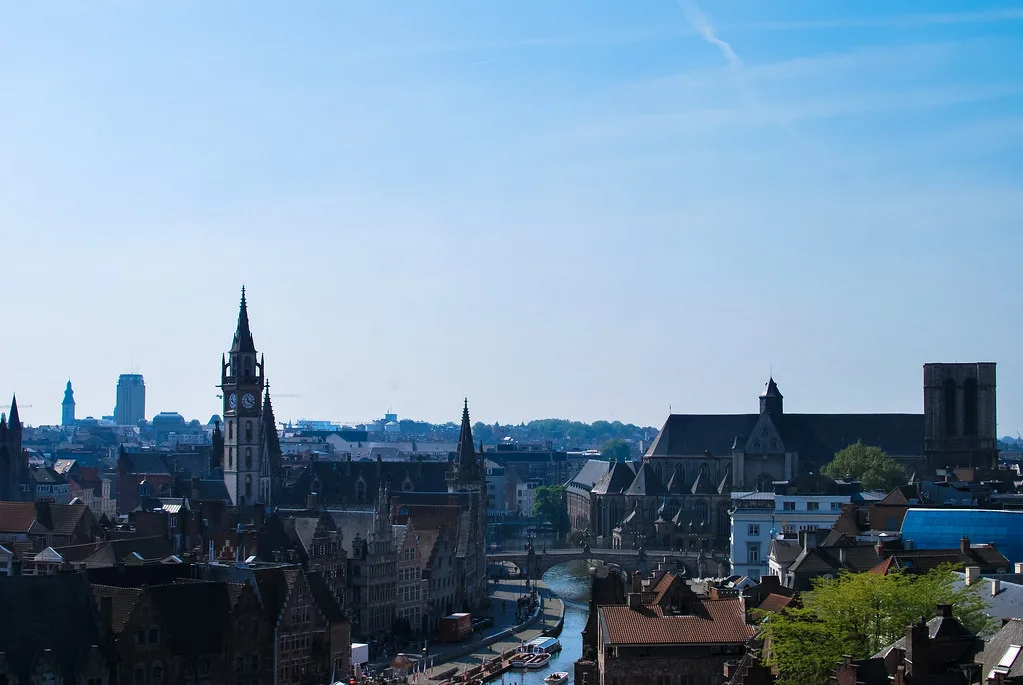
The Eurostar leg from London to Brussels
Book the London to Brussels Eurostar leg first. Eurostar sets out Brussels as its Belgian gateway, with onward local trains to Ghent, so pick a departure that leaves a comfortable buffer before your connecting train rather than a tight change.
Allow extra time at the London terminal for Eurostar check-in and security rather than arriving as you would for a domestic train. The reward is that you arrive in Brussels by rail with the onward platform a short walk away, rather than at an airport on the edge of town.
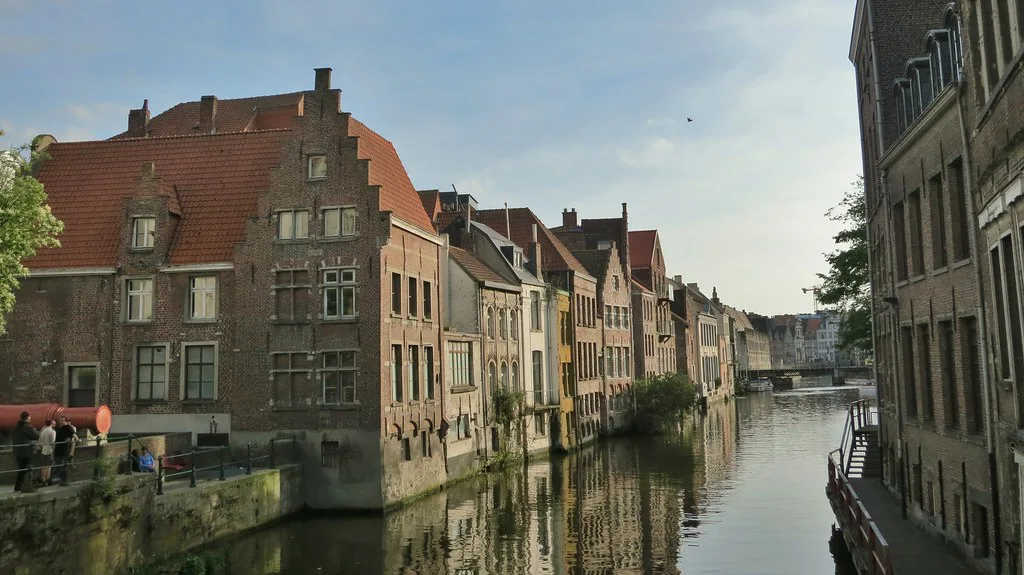
Connecting at Brussels to Ghent
Belgian domestic trains link Brussels with Ghent, so the connection is rarely the fragile part of the trip. Buy the onward ticket at the station or through the Belgian rail operator, and allow enough time at Brussels to find the right platform without rushing.
If your Eurostar arrival and onward departure are close, take the next train rather than sprinting for a specific one. Build a little slack into the change so a small delay costs you the occasional wait rather than the afternoon.
Eurostar versus flying for this trip
Flying only makes sense from airports with a convenient service to Brussels, and even then the airport transfer at each end can eat the time the flight saves. For a two- or three-day break, the train's city-centre-to-city-centre routing is often the deciding factor rather than the airborne time.
Any flight to the region means a Brussels arrival followed by a train or transfer into Ghent, which is essentially the same onward leg rail travellers make. That onward leg is why flying rarely comes out ahead on this route.
Eurostar's own description of its Brussels route is a sensible starting point when weighing the two, because it sets out the city-centre arrival the train gives you. Run the numbers for your own dates before assuming either is cheaper.
Coach from London to Ghent and when it works
FlixBus runs from London Victoria Coach Station to Ghent Dampoort, with published runs of roughly seven and three-quarter to eight and a quarter hours depending on departure. One sample low-season overnight service was listed from about $36, which shows how cheap the coach can be rather than what you will pay.
The catch is the shape of the day. An overnight coach leaves you arriving in Ghent in the early morning, often before you can check in anywhere, so the first day of a short break starts tired. It suits travellers with more time than money, or a longer trip where one slow leg does not matter.
Daytime coach departures stretch the journey well beyond the overnight runs, which makes them hard to justify for a weekend. Compare the arrival time against when you actually want to be walking along the Graslei, not just against the ticket price.
Which route suits a two- or three-day trip
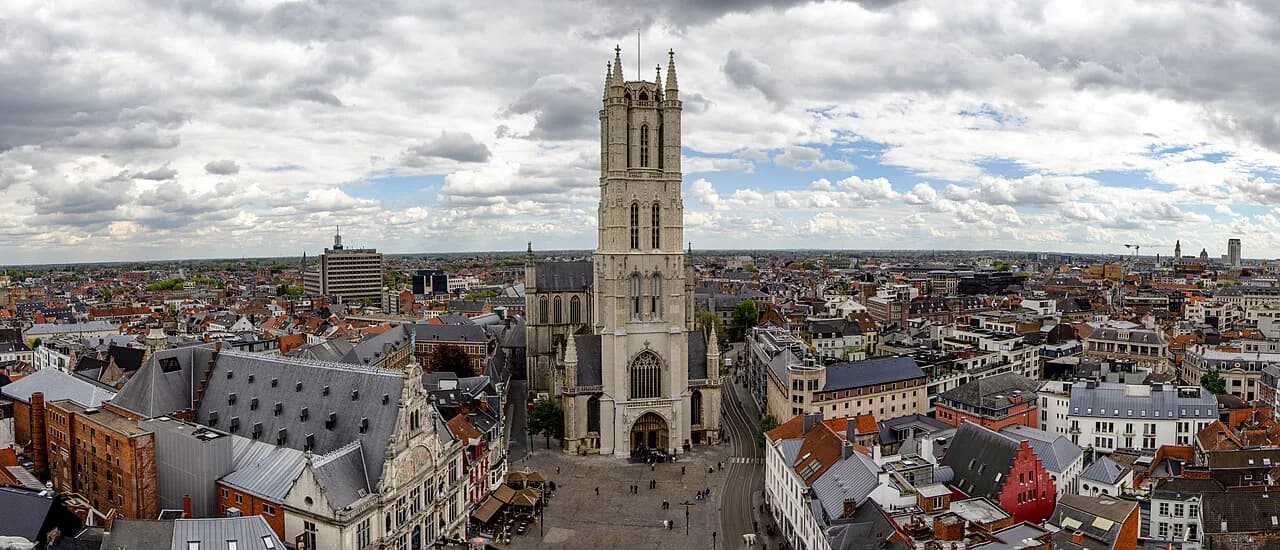
For 2 Days in Ghent, take the train. The coach's overnight timing and the flight's airport transfers both eat into a short break, while rail gets you in with the afternoon and evening intact for the centre, including the panels of the Ghent Altarpiece in Sint-Baafskathedraal.
Three days gives you room to relax the budget. A coach saves money if you can tolerate the night journey, and the extra day absorbs the fatigue; the saving is real but so is the cost in energy.
Think about the shape of the break before you book transport. A Ghent city break built around the centre rewards arriving fresh, and much of what you came for sits within a short walk of your arrival point.
If you are weighing up one night against two, how many days in Ghent you need comes down to how much time you want on foot in the car-free core rather than how much there is to tick off.
Arriving in Ghent and getting your bearings
Trains from Brussels arrive at Gent-Sint-Pieters, a short tram or bus ride from the historic centre. Coaches stop at Dampoort on the eastern edge, from which the centre is a straightforward walk along the canal side.
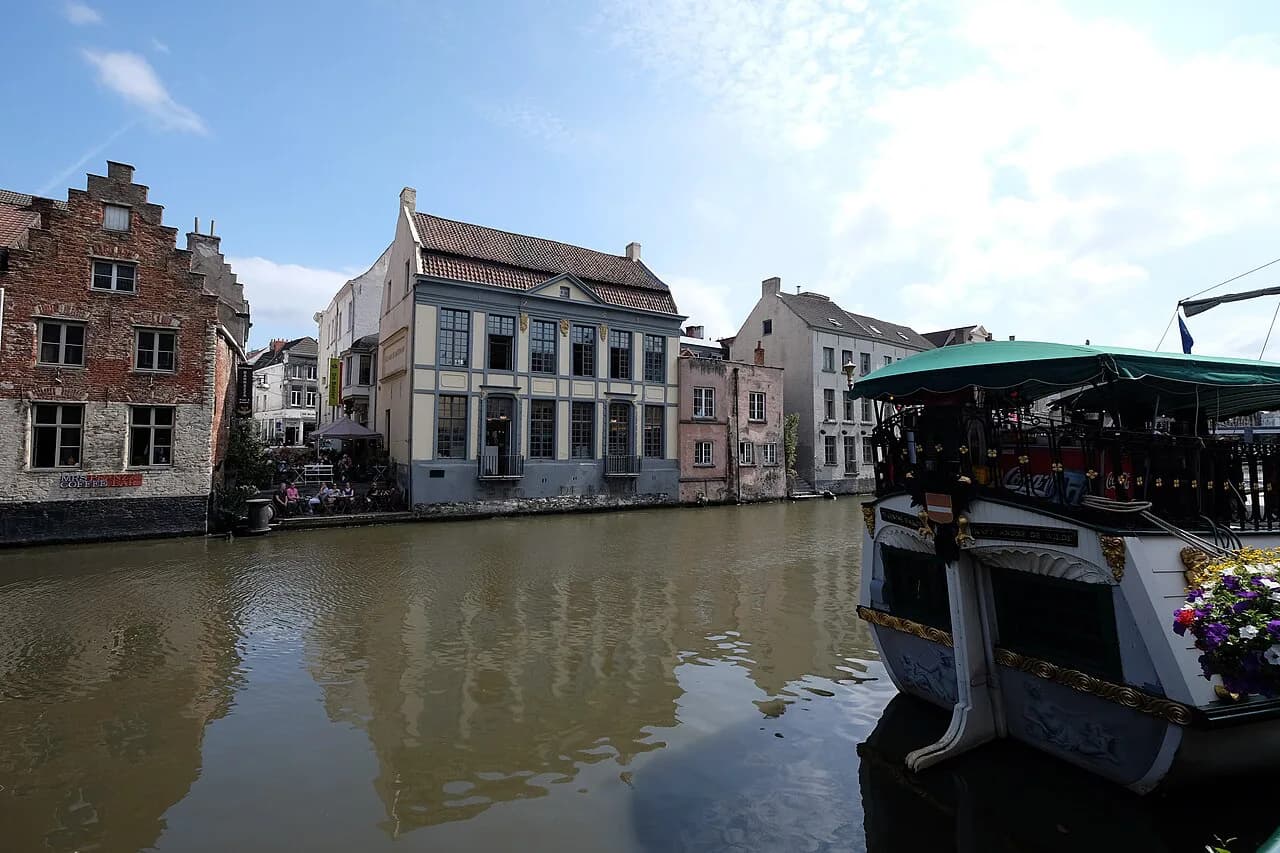
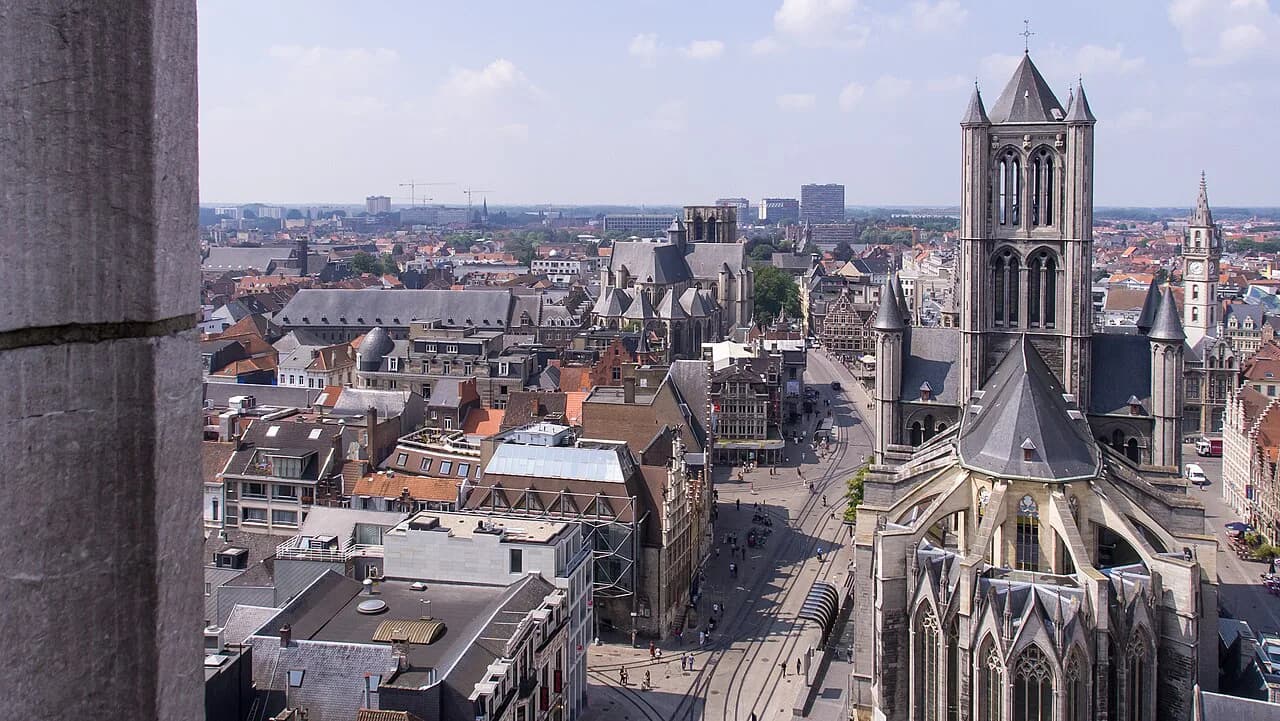
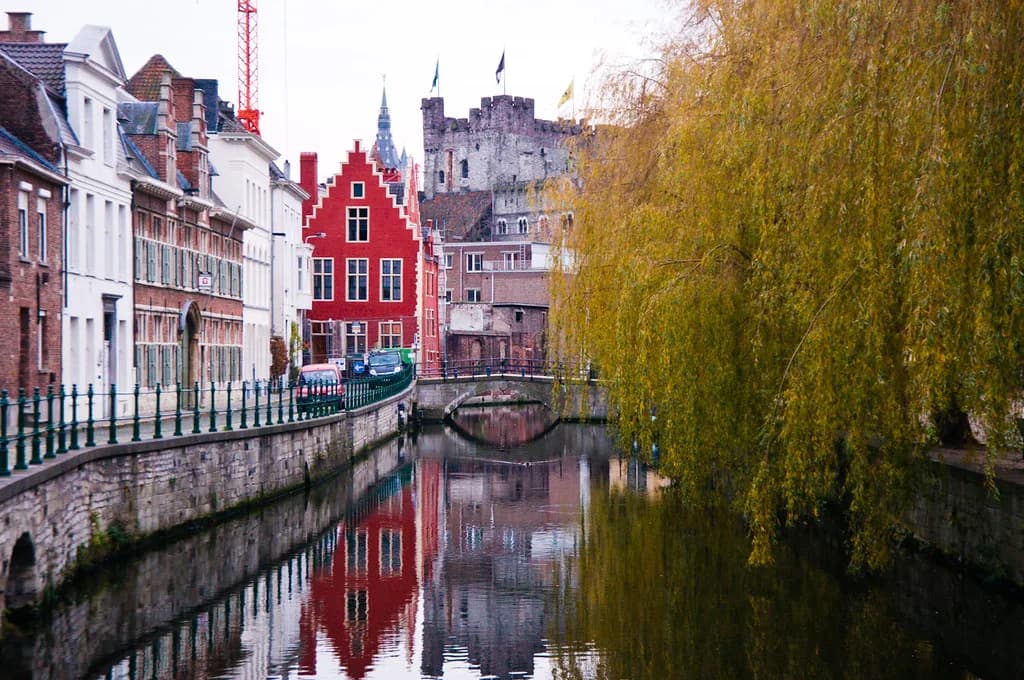
Ghent's centre is small enough to walk. The Markt, the Belfort, the Graslei and Korenlei quays and the Gravensteen sit within a few minutes of each other, so drop your bag and start on foot rather than planning transport for the day.
Is Ghent worth the journey for a city break?
Yes, for travellers who want a compact, walkable Belgian city without Brussels' scale. The appeal is the medieval core, the canals and the car-free centre rather than a checklist of blockbuster sights, and two days covers it comfortably.
Deciding between cities is a matter of what you want from the break: Brussels suits travellers who want a larger capital and the easiest arrival, while Ghent rewards those who prefer a compact, walkable centre. The journey is short enough that the extra connection should not be what decides it.
Which route should you book?
Book Eurostar to Brussels and a Belgian train onward to Ghent unless budget is the overriding concern. It is the fastest reliable way to arrive with your day intact, and the connection is straightforward enough that it does not need much planning.
Choose the coach only if you have the time to absorb an overnight journey, and treat flying as a fallback for dates when rail fares run high. Whichever you pick, arrive with the centre in mind and the rest of the break follows easily.
Explore more Ghent guides
Frequently Asked Questions
Do you need to book the Brussels to Ghent train in advance?
Not usually. Belgian domestic services between Brussels and Ghent run frequently through the day, so buying the onward ticket at the station and taking the next departure is a practical approach.
Sources
Useful notes for your next trip
Optional updates to our guides.
You might also like
Continue reading
More guides you'll find useful