Is Bruges Worth Visiting? An Honest Answer for a City Break
Yes, Bruges is worth visiting for its medieval centre, canals and belfry views. Here is what it does well, who it suits, and how long you need.
On this page
Yes, Bruges is worth visiting, on two conditions: you give it at least one night, and you accept that the sights are concentrated in a small medieval core you can walk in a morning. The city is about an hour from Brussels by train, which makes it easy to reach and easy to underestimate.
This page gives a straight verdict rather than a list of attractions. It separates Markt, Burg, the Belfort and the Rozenhoedkaai canal view from the rest of the city, weighs the belfry climb against the time it costs, and sets Bruges against Ghent so you can choose one and do it properly rather than splitting a short break between both.
Is Bruges worth visiting? The short answer
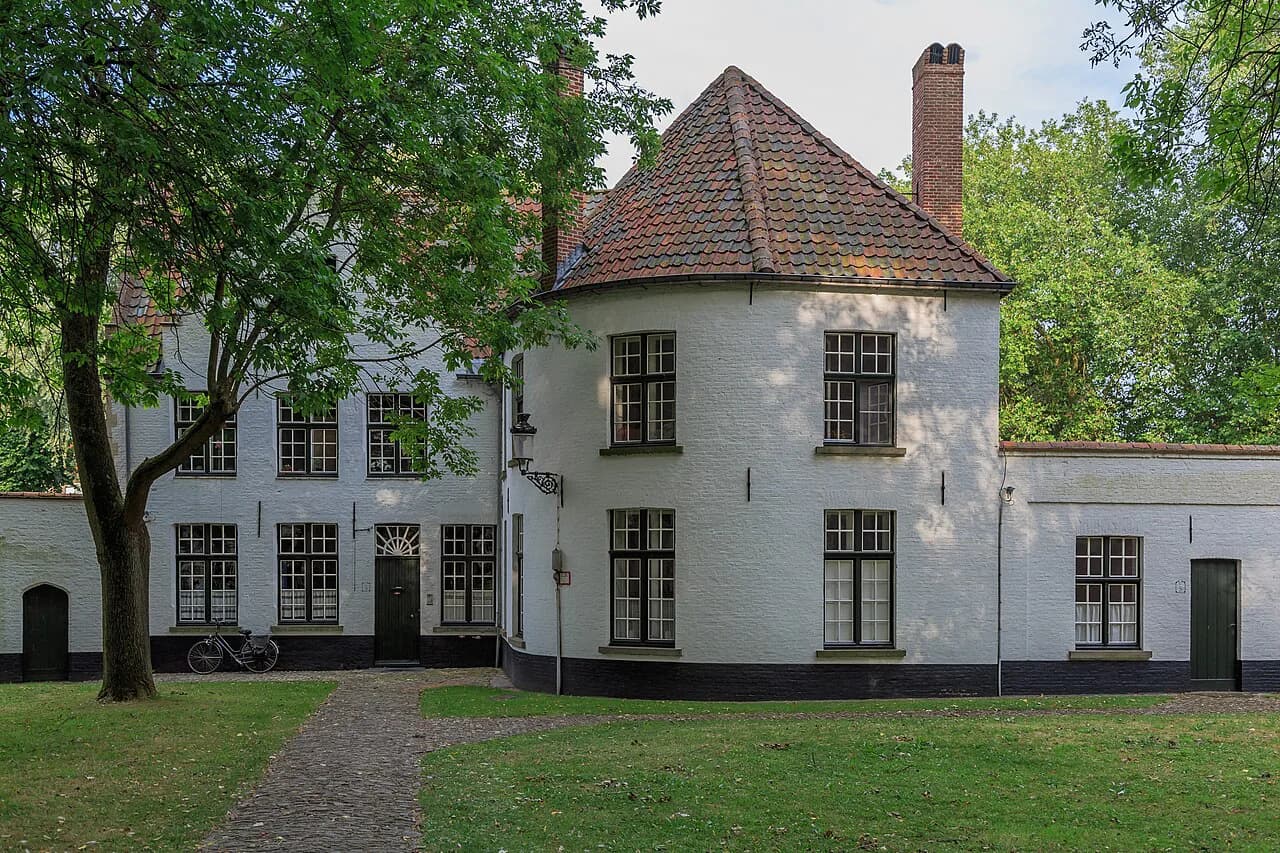
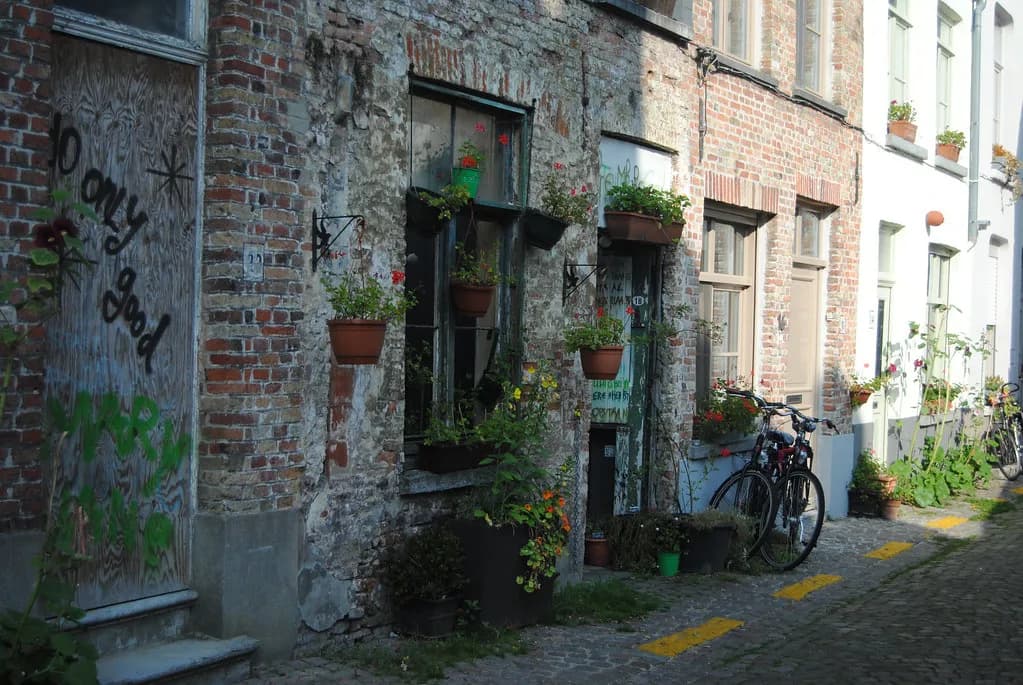
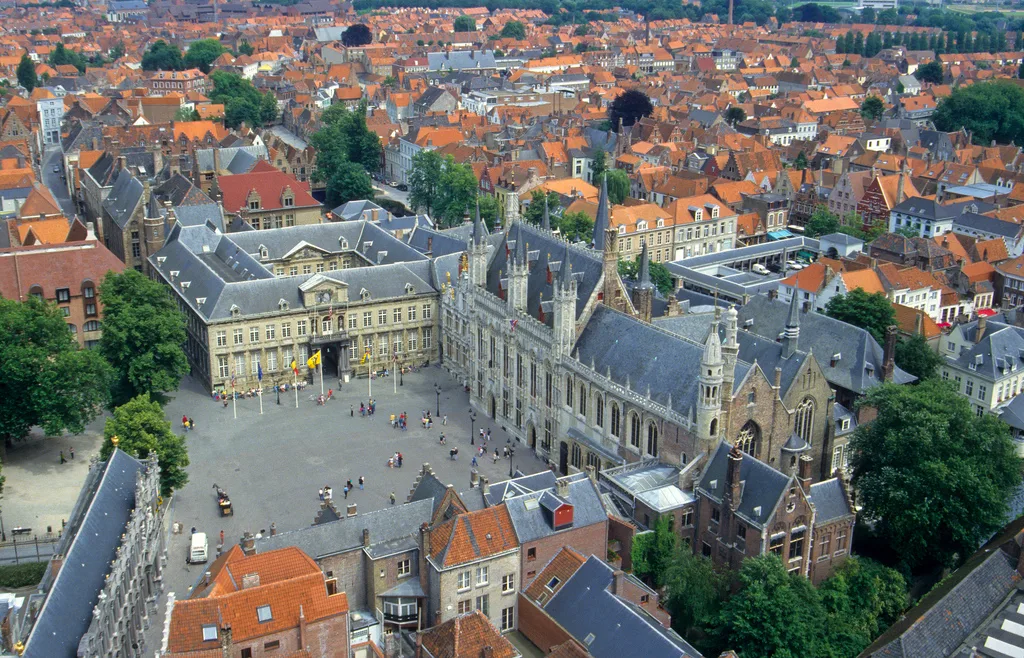
Bruges is one of Europe's best-preserved medieval cities, and that is the whole case for going. The historic centre is small enough to cross on foot, dense with brick, canals and stepped gables, and it looks unlike almost anywhere else in Belgium.
The honest caveat is scale. The set-piece sights sit within a few minutes of each other, so a single day covers the highlights and leaves you wondering what else there is. Adding a canal trip and a belfry climb fills a second day comfortably; a third day needs an interest in churches, museums or slow wandering to justify itself.
If you want a compact, photogenic city where the main sights are a short walk apart, Bruges delivers. If you want a large city with distinct neighbourhoods to explore over four days, it will feel thin.
What Bruges does better than most Belgian cities
Few Belgian cities present their medieval heritage so completely. The centre escaped the wholesale redevelopment that reshaped Antwerp and Brussels, so the streets between Markt and the canals read as a single historic fabric rather than isolated monuments.
That completeness is what makes the city work for a short break. You do not need to plan routes between spread-out sights or buy transport passes to reach them; the trade-off is that everyone else is walking the same few streets.
The medieval core: Markt, Burg and the Belfort
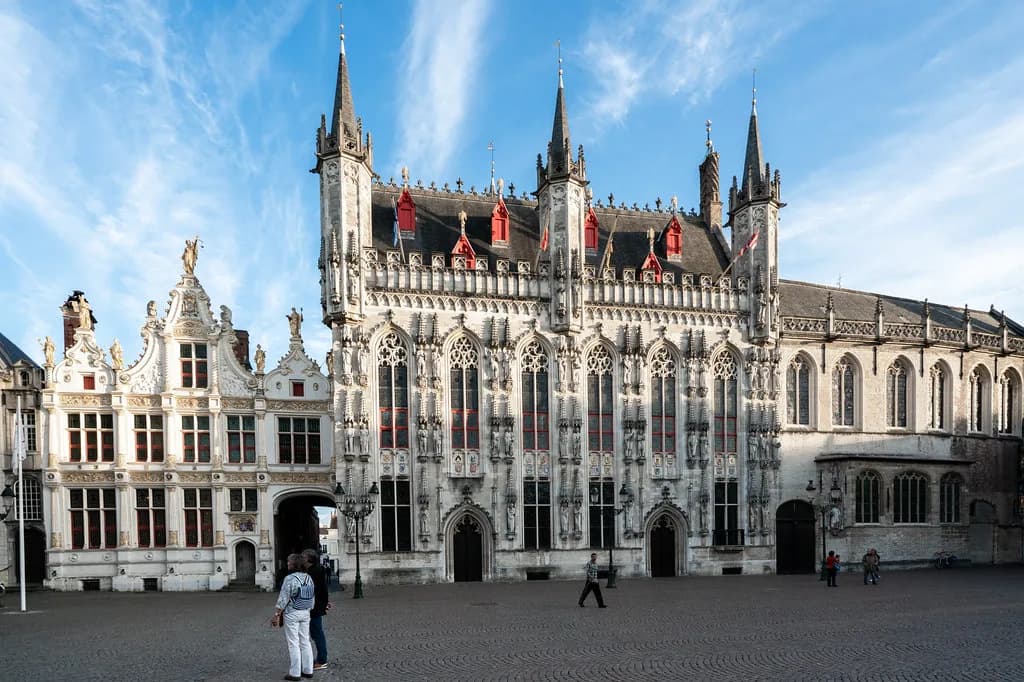
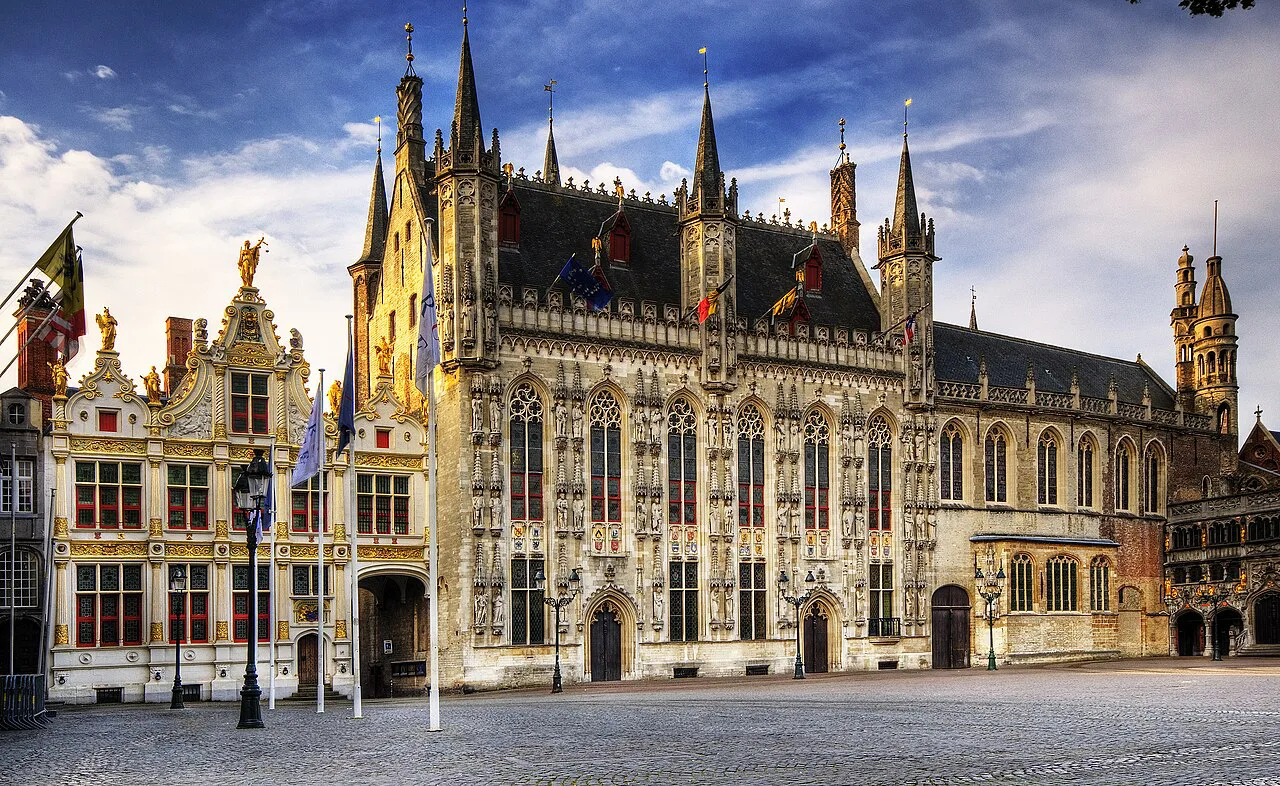
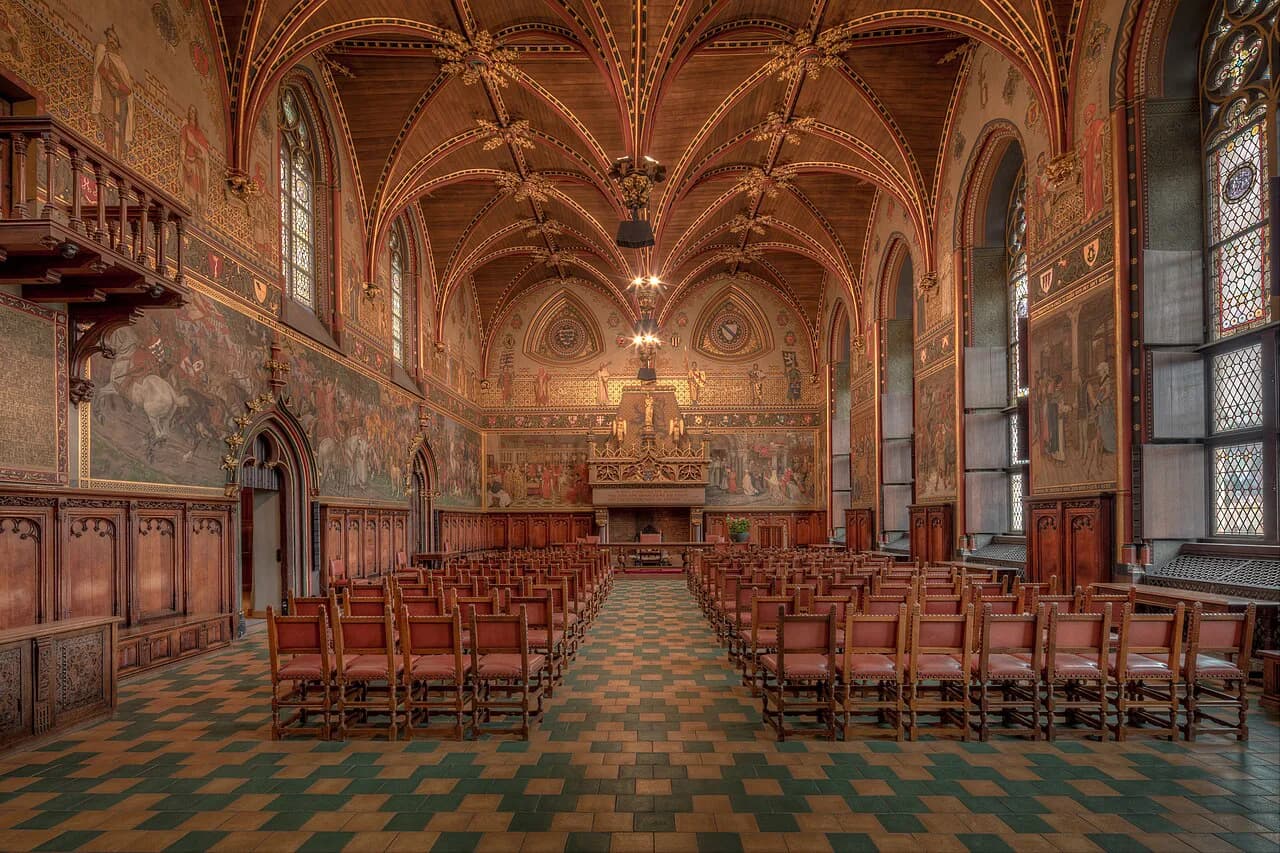
Markt is the main square, lined with historic buildings, shops and restaurants, and it is the natural place to start. One street away, Burg holds the city hall, built in 1376, and the surrounding lanes lead on to the Basilica of the Holy Blood.
The Belfort rises directly off Markt, so the tower, the square and Burg form one compact circuit you can walk in under an hour without stopping. Plan the morning here before the coach groups arrive, then move on to the canals.
Canals and the Rozenhoedkaai view
Rozenhoedkaai is the postcard view of Bruges, a quayside corner where canal, trees and brick warehouses line up in one frame. It is a two-minute walk from the Burg side of the centre and takes about as long to see, though photographers linger.
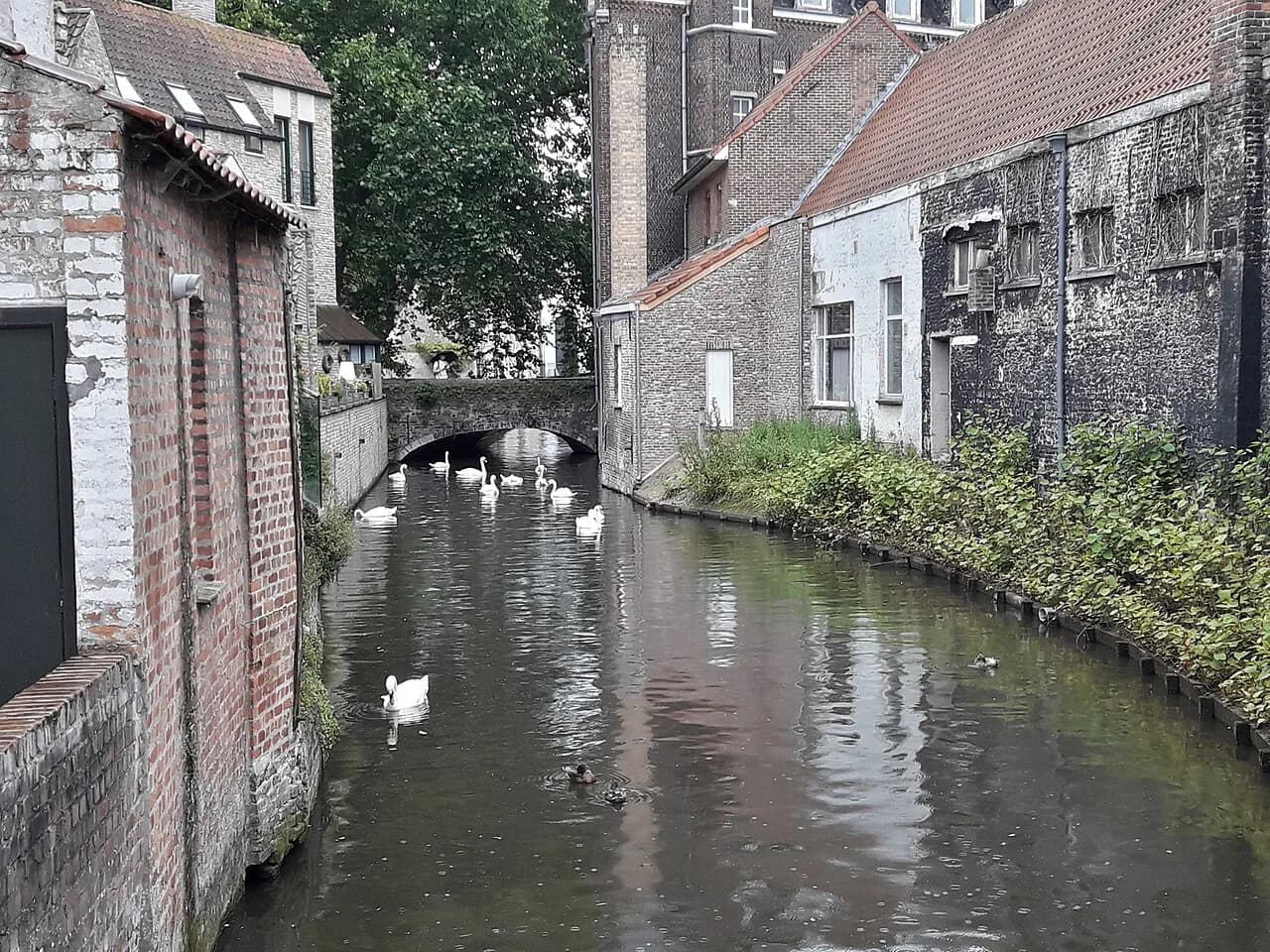
From the same quay you can join a boat tour through the canals. The trip is a relaxed way to see the backs of the historic houses and the old hospital building, whose patients once arrived by boat, and it gives a different angle on architecture you have already passed on foot.
Museums and churches worth your time
The Church of Our Lady holds a white marble Madonna and Child by Michelangelo, carved around 1504 and the only sculpture by him to leave Italy during his lifetime. It is the strongest single artistic reason to step inside a Bruges church, and it sits a short walk south of the Markt.
Beyond that, Bruges rewards browsing rather than box-ticking. Pick one or two interiors that appeal and spend the saved time on the streets and quays, which are the reason most people come.
Climbing the Belfry: the trade-off between views and queues
The Belfort climb gives 360-degree panoramic views over the city, and it is the best vantage point in Bruges. The tower is a working landmark in the middle of the busiest square, so the climb competes with everyone else who has had the same idea at the same hour.
The practical trade-off is time against reward. Treat the climb as a fixed slot early or late in the day and build the rest of the morning around it rather than trying to slot it in between other sights.
How many days Bruges needs: one, two or three
One day covers Markt, Burg, the Rozenhoedkaai view and a canal boat trip, and that is enough to see the highlights. If you also want the belfry climb and the Church of Our Lady, stay at least one night and give the city two days; that is the shape of a well-planned 2 Days in Bruges, and it lets you see it all without rushing.
A well-planned two days also leaves room for an unhurried hour on the canals, which is where the city is at its best. For a fuller plan, see how many days in Bruges suits different appetites, or shape a weekend break around two nights and two full days.
Three days only pays off if you add a museum or two and use the city as a base for a short rail hop. Otherwise you will be repeating the same circuit and noticing the crowds more each time.
Who will Love Bruges, and who may find it thin
Bruges suits travellers who like walking a compact historic centre, taking canal views slowly and mixing a couple of interiors with long lunches. It also works well for a first Belgian city break, because the geography is easy to learn in an afternoon.
It suits less well anyone who wants four days of variety, a big-city restaurant and bar scene, or sights spread across distinct districts. The centre is small, and once you have walked it twice you have seen most of it.
Cost is the other variable worth weighing before you book. Bruges is a tourist-heavy city, so read a candid look at what a city break really costs and, if the budget matters, plan a Bruges on a budget trip around free quayside wandering and one paid attraction a day.
Bruges or Ghent: how to choose
Bruges is the more complete medieval stage set; Ghent is a living university city with a larger centre, a canal-side castle at Gravensteen and the Sint-Baafskathedraal. If you have one day, Bruges is the easier introduction; if you have two or three and want a city that feels inhabited, Ghent gives you more to do after the main square.
Visiting both badly is the common mistake. Pick one, give it the days it deserves, and leave the other for a return trip; the two cities are close enough that a future visit costs you little.
Should you book Bruges?
Book Bruges if you want a compact, walkable medieval city and will stay at least one night. See the Markt, Burg and Rozenhoedkaai in the morning, take a boat in the afternoon and climb the Belfort when the square is quietest.
Choose Ghent instead if you want a bigger, busier city with more variety for a three- or four-day break. Either way, plot the highlights in advance so your short break does not turn into a packed checklist.
Explore more Bruges guides
Frequently Asked Questions
Is Bruges worth visiting for a day?
Yes, if you accept that a day covers the highlights rather than the whole city. Markt, Burg, the Rozenhoedkaai view and a canal boat trip fit into one unhurried day, but adding the belfry climb and the Church of Our Lady comfortably needs a second day and an overnight stay.
Is Bruges or Ghent better for a weekend?
Bruges is the more complete medieval centre and easier to see in two days. Ghent is larger and livelier, with a castle and cathedral of its own, and rewards a longer stay. For two nights and a clear set of sights, Bruges is the simpler choice.
Is Bruges easy to reach from Brussels?
Yes. Bruges is about an hour from Brussels by train, which makes it practical as a day trip or as the first stop on a Belgian rail itinerary. Brussels airport also has its own station, so you can travel straight on from a flight.
Is Bruges worth visiting if I don't like crowds?
It can be, if you time the streets well. The central squares fill up through the middle of the day, so walk Markt, Burg and the Rozenhoedkaai early, then use the afternoon for the quieter canals and one church interior.
Sources
Useful notes for your next trip
Optional updates to our guides.
You might also like
Continue reading
More guides you'll find useful