Is Bruges Expensive? What a City Break Really Costs
Is Bruges expensive? A straight answer on what a short break costs, which sights charge admission, and how to keep spending down without skipping the best bits.
On this page
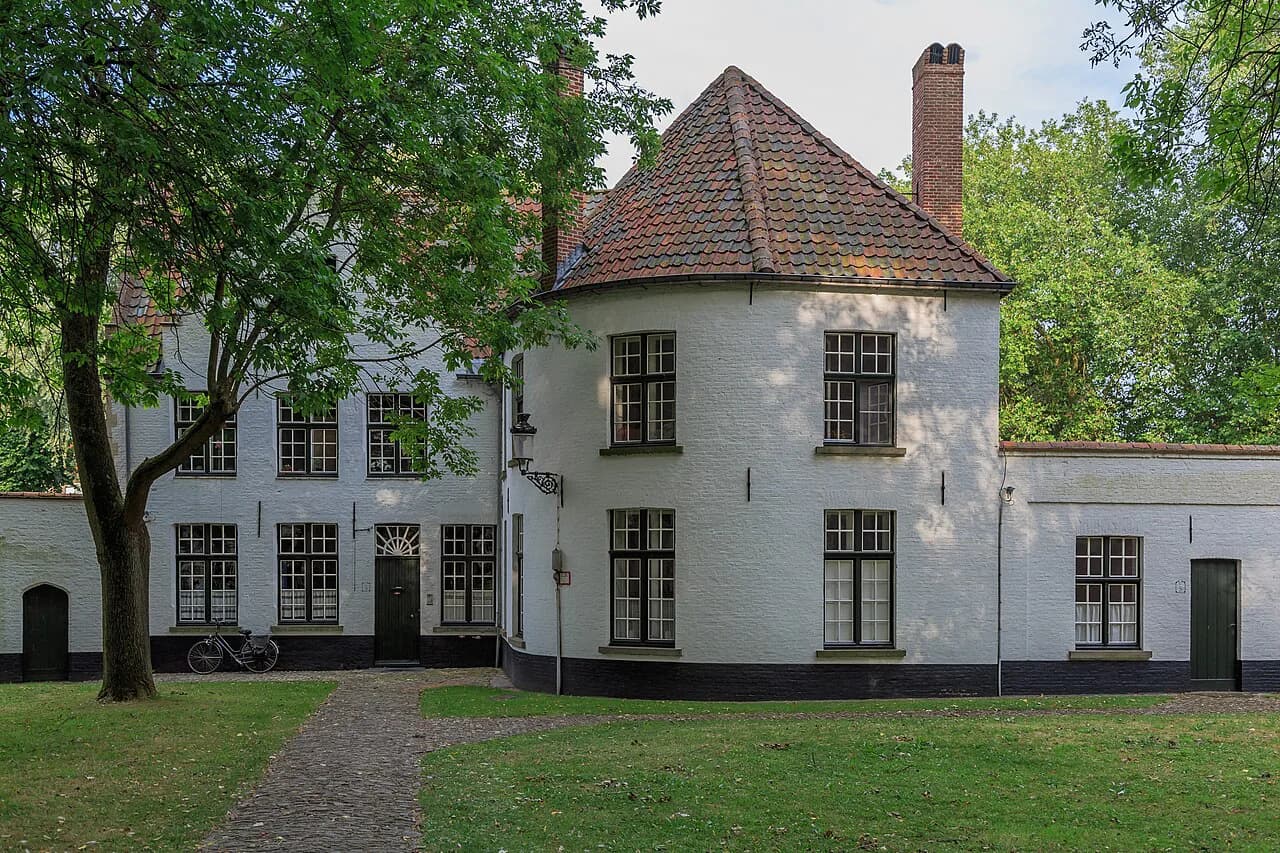
Bruges is moderately expensive rather than punishing: the famous views are free, and the outlay goes on a handful of paid climbs, museums and canal trips. Its compact medieval centre, a UNESCO World Heritage Site since 2000, can be walked end to end, so you rarely need transport once you are there. This guide sets out where the money actually goes on a short break, which sights justify their admission, and how the length and timing of your trip shift the total.
Treat the city as two budgets. One is the paid layer: the Belfort climb, the city museums and a boat trip along the canals. The other is free: Rozenhoedkaai, the Markt, Burg, Minnewater and Jan van Eyck Square all cost nothing to wander, which is why a well-planned two-day visit can stay affordable even in a pricey-looking city.
Is Bruges expensive? The short answer
For a short break, Bruges sits in the middle ground: more than a cheap provincial town, less than a capital. The costs that add up are accommodation and eating out, not sightseeing, because the historic core is compact and the headline views are public space. A tight budget is easiest to hold if you decide in advance which paid sights you actually want and spend the rest of the time walking.
Length is the biggest single lever. The centre rewards two full days, which lets you see the Markt, Burg, Rozenhoedkaai and the quieter canals without rushing, and one paid attraction can fill a morning. Three nights starts to feel generous for a city this size, and the extra night is where the bill climbs.
What costs money in Bruges and what is free
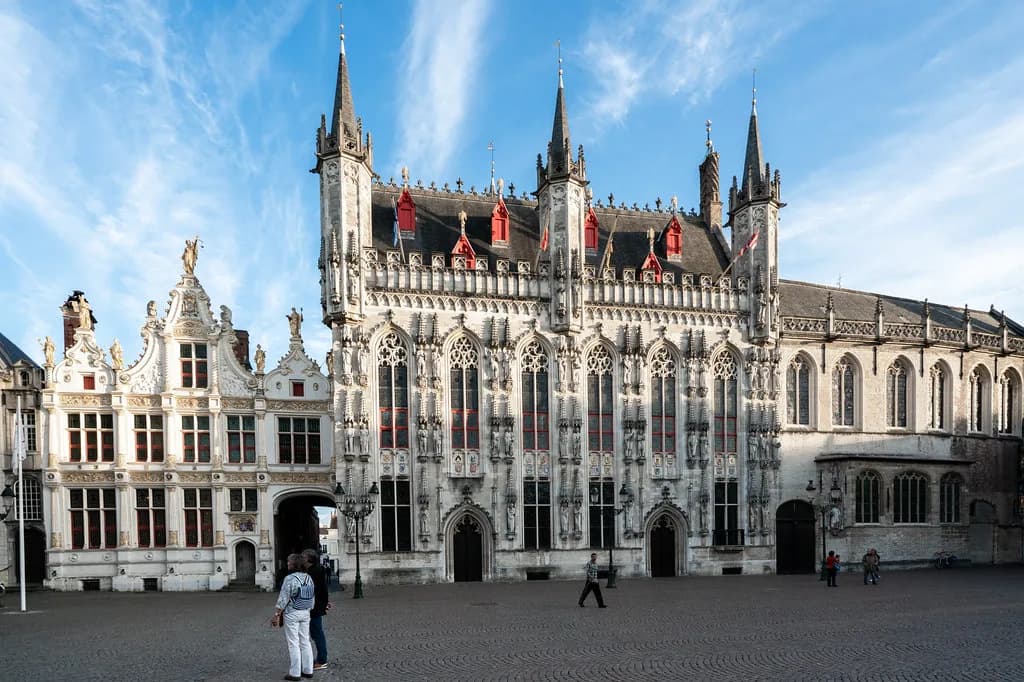
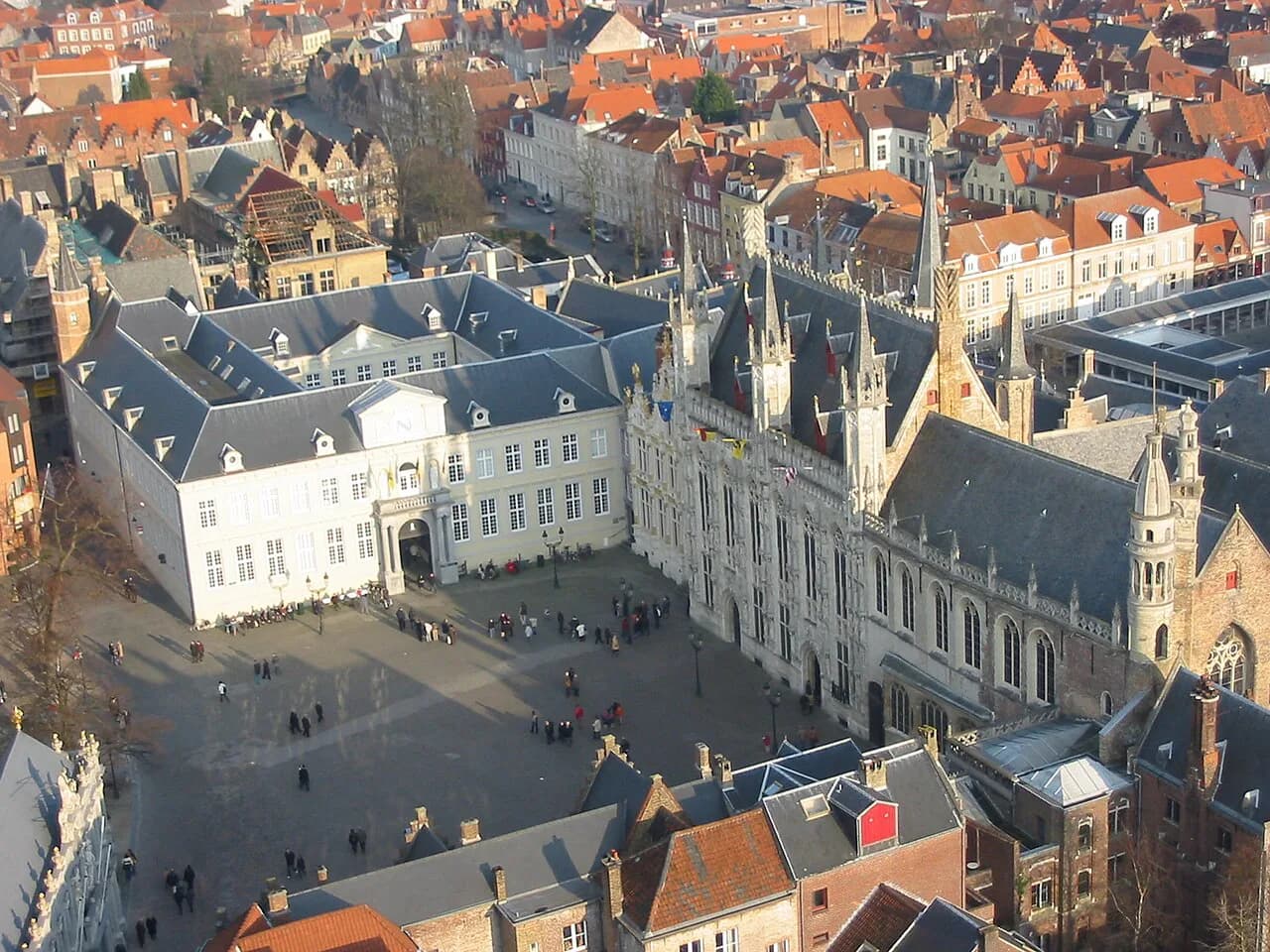
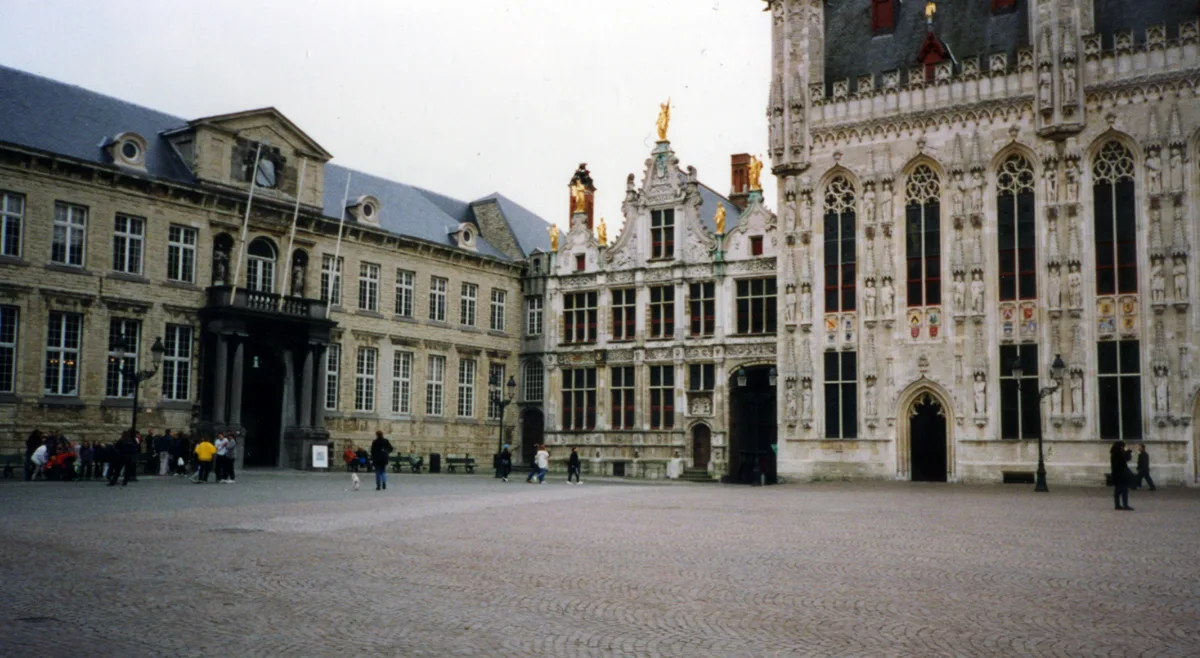
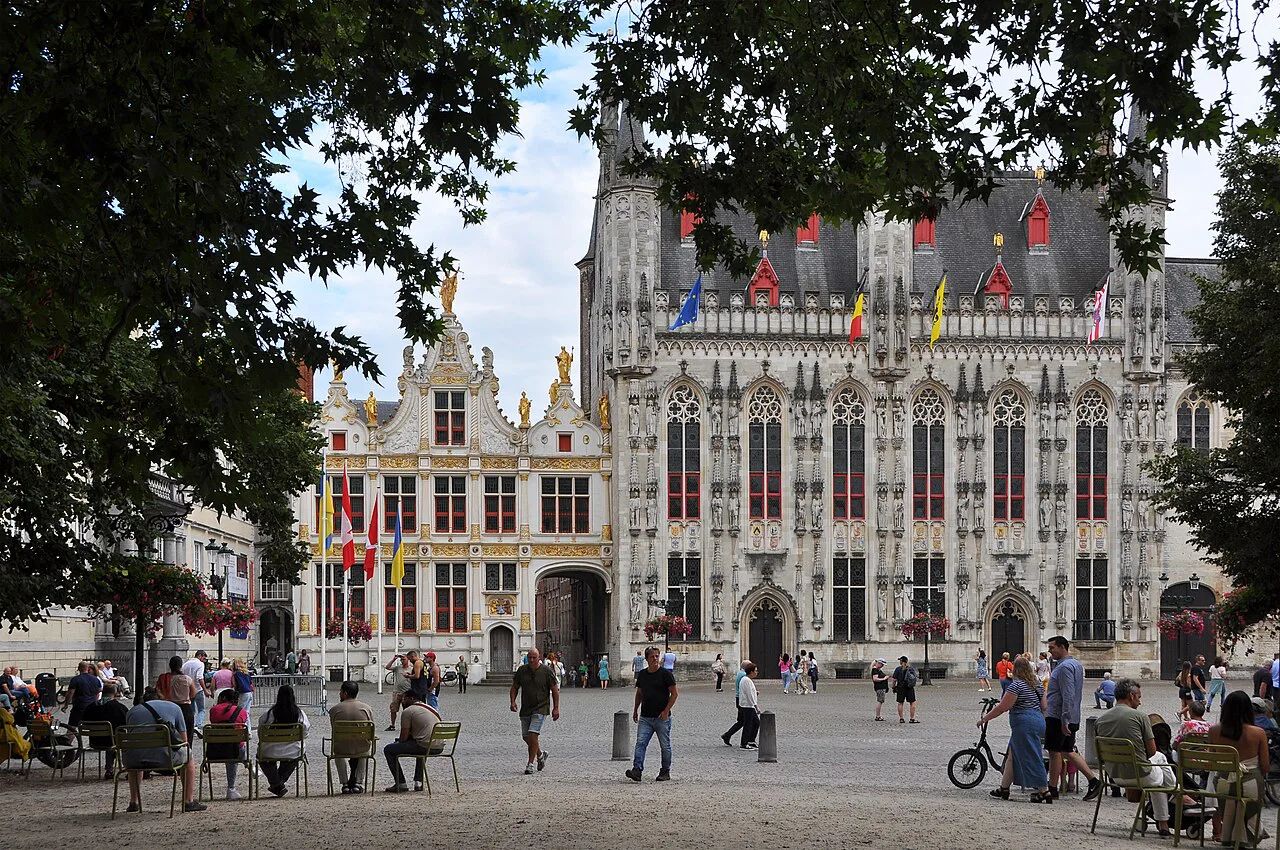
Almost all of the postcard imagery is free. Rozenhoedkaai, the quay of the rosary, is the most photographed corner of the city, and standing there costs nothing. Burg Square, with its Gothic and Renaissance architecture and the Stadhuis, and the Markt below the Belfry, are open squares you can cross at any hour, and Jan van Eyck Square in the quiet St Anne quarter, once the old harbour, is a free detour.
Money goes on interiors and vertical views. The Belfort, the Basilica of the Holy Blood, the museums around the centre and any boat trip are the line items that shape a day's spending. Ezelpoort, the medieval watergate on the canal bank, and Minnewater, the lake at the southern edge, are free to walk to and round.
Sights that charge admission: the Belfort and museums
The Belfort is the paid experience most visitors weigh, and it is a pure trade-off: a long climb for the best roofscape in the city. The tower holds 47 bells and the ascent runs to 366 steps, so it suits anyone steady on their feet and happy to spend part of a morning on one sight rather than three.
The Basilica of the Holy Blood, which houses the relic of the Holy Blood, is the other interior most travellers single out, and it sits a few steps from Burg. Plan your paid stops in one cluster rather than scattering them across the day, and the walking between them stays short. Ticket prices for the Belfort and the museums are set by the operators, so buy at the door or on the official ticket page and you will see the current figure before you commit.
Canals, squares and quays you can walk for nothing
The free circuit is the reason Bruges works on a modest budget. Start at the Markt, cross into Burg, follow the canal to Rozenhoedkaai, then continue south past Jan van Eyck Square towards Minnewater. Every stop is public ground, and the whole loop fits comfortably into a half-day at an easy pace.
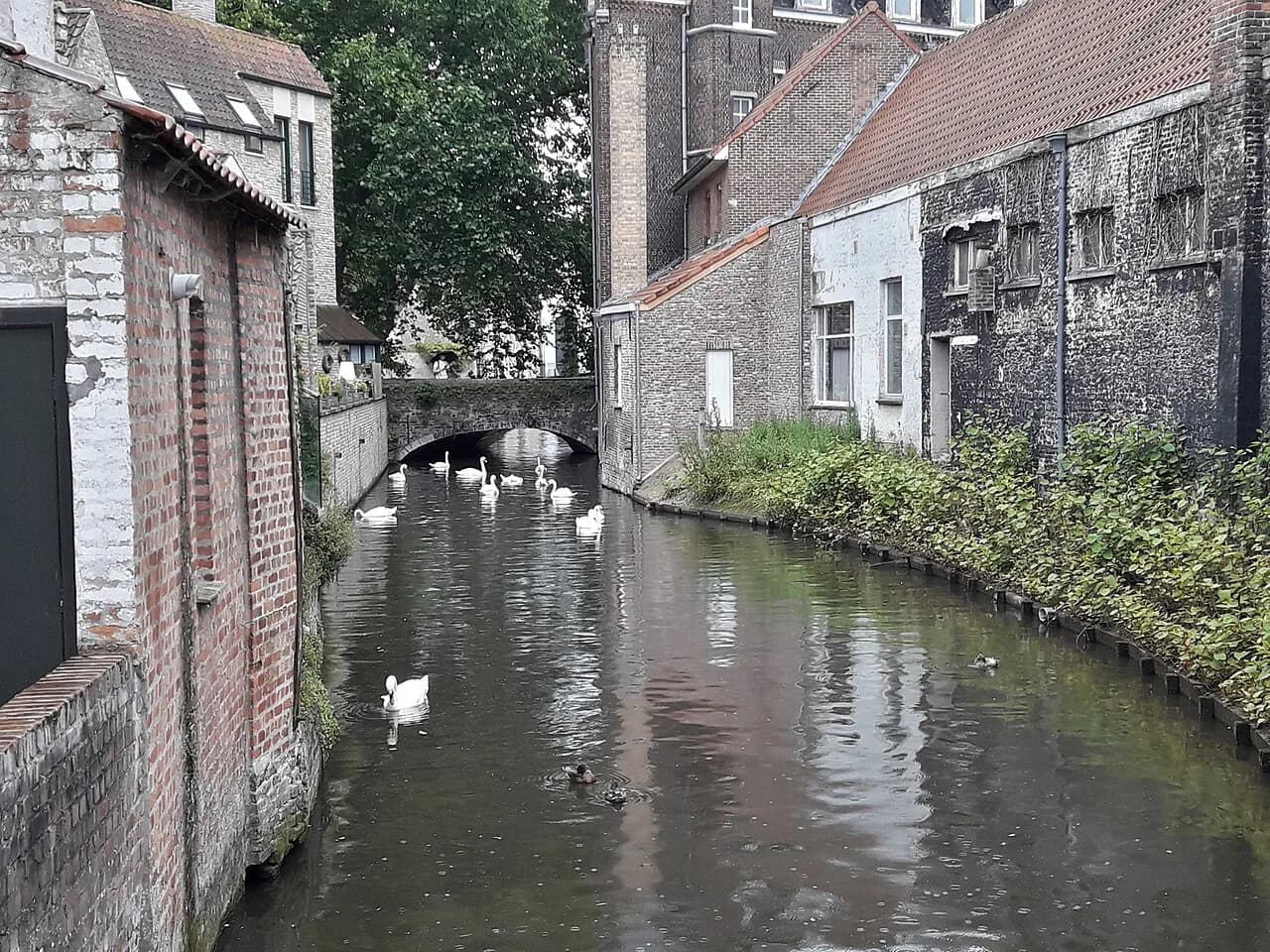
The walk itself is the attraction, so resist the urge to pay for a shortcut. Cobbled lanes, arched bridges and the canal banks between the Markt and Minnewater are the city's best value, and a slow route past Ezelpoort adds a stretch of quieter water without a ticket. If you are weighing Bruges against a larger neighbour, the density of free sights is what tips the balance.
Can you see Bruges by boat, and does it add much to the bill?
A boat trip is the one optional extra that changes how you see the city, because the canals put you below street level and show the backs of the medieval houses. It is a paid experience, and whether it earns its place depends on how much you value a different angle over another hour on foot. Walk the same water on the quays first, then decide.
The sensible approach is to treat the boat as a substitute for one paid sight rather than an addition. A short break with a Belfort climb, one museum and a canal trip is a full programme; adding more paid stops starts to crowd the day rather than enrich it.
How many days you need, and how that shapes the budget
Two days is the practical minimum for the centre, and it is also the budget-friendly length: enough time to cover the free sights and one or two paid ones without paying for extra nights. A single day leaves you choosing between the Belfort and the canals, and that choice is what makes a rushed visit feel poor value.
If your dates are fixed by a long weekend, build the trip around the free core and book one paid experience in advance. Our Bruges Weekend Break plan works on that principle, keeping the walking short and the spending deliberate.
When to go: June to September peak versus quieter months
June to September is peak season, when pleasant weather brings the crowds and prices rise with them. Travelling outside those months is the simplest way to cut the accommodation bill and see the Markt and Rozenhoedkaai without a scrum of cameras. The trade-off is cooler, wetter weather, which matters more in a city you mostly explore on foot.
Shoulder months give you most of the experience at a lower cost. The centre is small enough that a drizzly morning can be spent in a museum and a bright afternoon on the quays, so a mixed forecast is not a reason to cancel.
Ways to spend less in Bruges without missing the point
Base the trip on walking and free sights, and your spending is mostly food and one ticket. Choose one paid climb or museum per day rather than trying to tick off every interior, and use the free squares and quays to fill the gaps between them. That rhythm keeps the days full without a long list of admissions.
Arriving by rail from London removes the flight and transfer costs and puts you in the centre with no taxi needed. If you are coming from the UK, the Eurostar to Brussels followed by a Belgian rail connection to Bruges is the straightforward option, and the Belgian rail network covers the final leg.
Finally, be honest about whether Bruges suits you at all: it is a compact, preserved medieval city rather than a big-city break, and travellers who want scale may find a nearby rival better value per day.
Is Bruges worth the money?
Bruges is worth the spend if you plan around the free city and pay for one or two experiences that add something a walk cannot. The Markt, Burg, Rozenhoedkaai and Minnewater deliver the medieval picture at no cost, and the Belfort climb is the paid moment most visitors remember.
Keep the trip to two days or a long weekend, avoid the June to September peak if your dates are flexible, and decide your paid stops before you arrive. Budget for the city you are actually visiting, and the answer to whether Bruges is expensive becomes a matter of how you choose to spend, not how much the city demands.
Explore more Bruges guides
Frequently Asked Questions
Is Belgium expensive to travel compared with the UK?
Belgium sits in a similar range to the UK for accommodation and eating out, with euro prices that feel familiar to British travellers. Bruges is one of the pricier Belgian cities because of its tourist demand, so a smaller town or a quieter month will stretch the same budget further.
Why is Bruges famous?
Bruges is known for its preserved medieval centre, a UNESCO World Heritage Site since 2000, with cobbled lanes, canals, the Markt and its Belfry, and Burg Square with the Stadhuis. That density of intact architecture in a walkable centre is what draws visitors.
Is 3 nights in Bruges too much?
Three nights is generous but not wasted: it gives you time for the free sights, a Belfort climb, a museum and a canal trip without rushing. If your budget is tight, two nights covers the essentials and leaves the extra night for a different city.
Sources
Useful notes for your next trip
Optional updates to our guides.
You might also like
Continue reading
More guides you'll find useful