Bruges vs Amsterdam: Which Suits a Short City Break?
Bruges and Amsterdam both have canals, but they differ in scale, crowds and what fills a day. Compare both honestly before choosing one for a short break.
On this page
For a one- to three-day break, Bruges (Brugge) is the easier city to finish: its UNESCO-listed historic core is compact enough to walk end to end in a day, so nothing important slips. Amsterdam rewards more time, with a wider canal ring and bigger collections that need two or three days to do properly. This comparison sets the two against each other on layout, canals, museums, crowds, published costs and pace, then gives a straight verdict by trip length.
What each city gives you in a nutshell
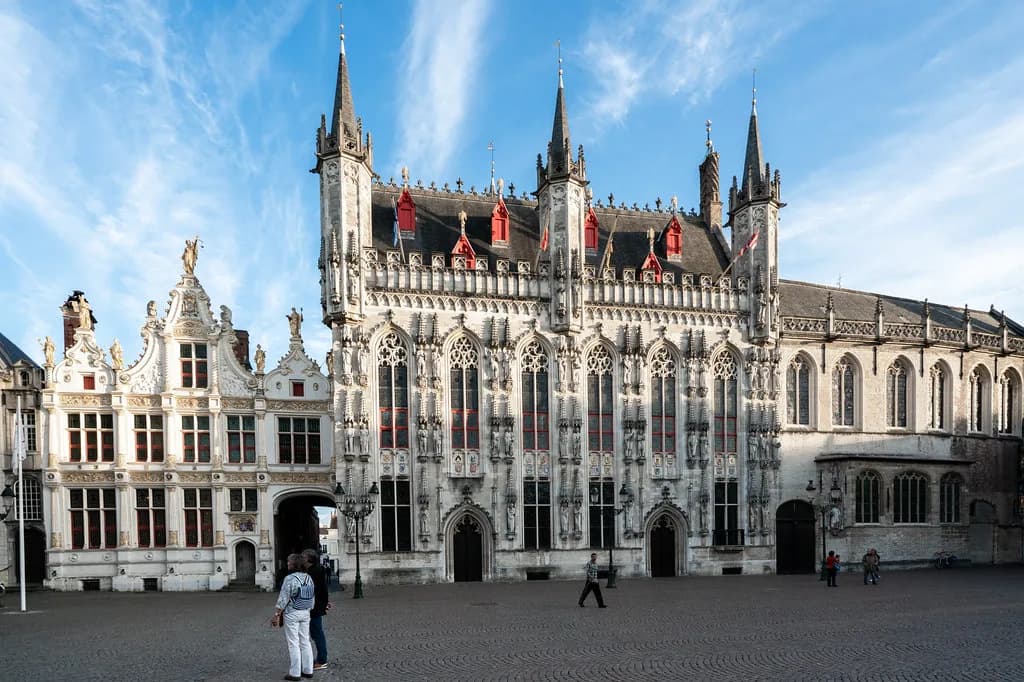
Bruges is a medieval trading city that stopped growing and kept its shape: the Markt with the Belfort (Belfry) at one end, the Burg and its civic buildings a minute away, and a ring of canals around a centre small enough to learn in an afternoon. Its appeal is concentration — you spend your time looking at things, not travelling between them. Amsterdam is a living capital whose seventeenth-century canal ring wraps around a working city of museums, districts and neighbourhoods.
That difference decides most short breaks. In Bruges the main sights sit within a walk of each other, so a single full day covers the Markt, the Belfry, the Dijver waterfront and at least one museum without rushing. In Amsterdam the same day is spent choosing which quarter to give up. Travellers weighing the two often come down to whether they want a city they can exhaust on foot or a city that keeps offering more.
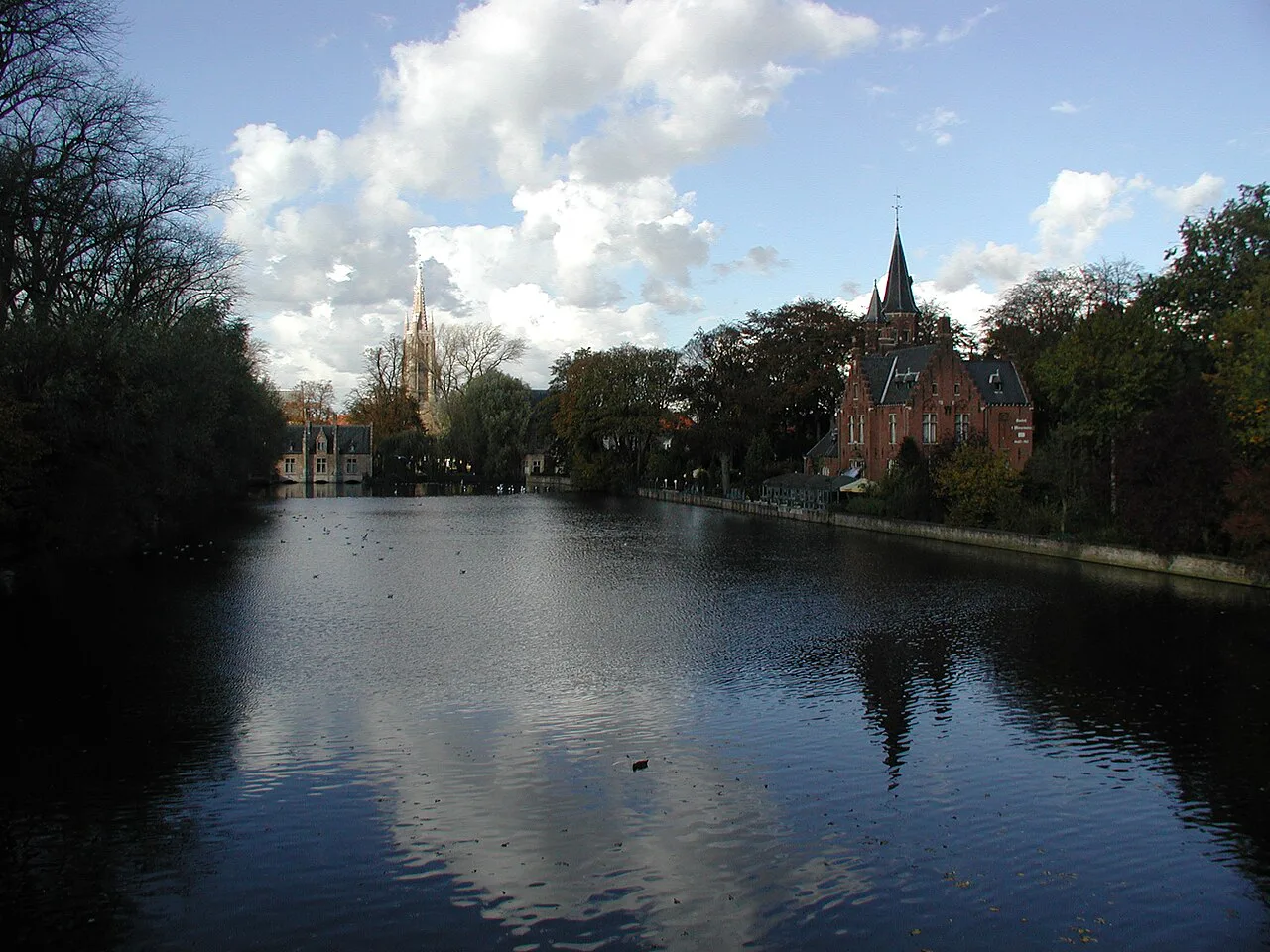
Scale and layout: a compact medieval core against a larger canal ring
Bruges is built for walking. From the Markt you can reach the Dijver museums in about ten minutes, and the Huidenvettersplein boat jetty is a short walk away. The centre is flat and cobbled, so comfortable shoes matter more than any transport plan. The trade-off is that the same handful of streets carries nearly every visitor.
Amsterdam's canal ring is a much larger thing: a horseshoe of grachten lined with narrow houses, crossed by dozens of bridges, with distinct quarters that each fill an afternoon. Distances between the station area, the museum quarter and the eastern docks are real walks or short tram rides. If your break is two days or fewer, Bruges gives you more sightseeing per hour on the ground.
The canals: a tight medieval waterway against the gracht belt
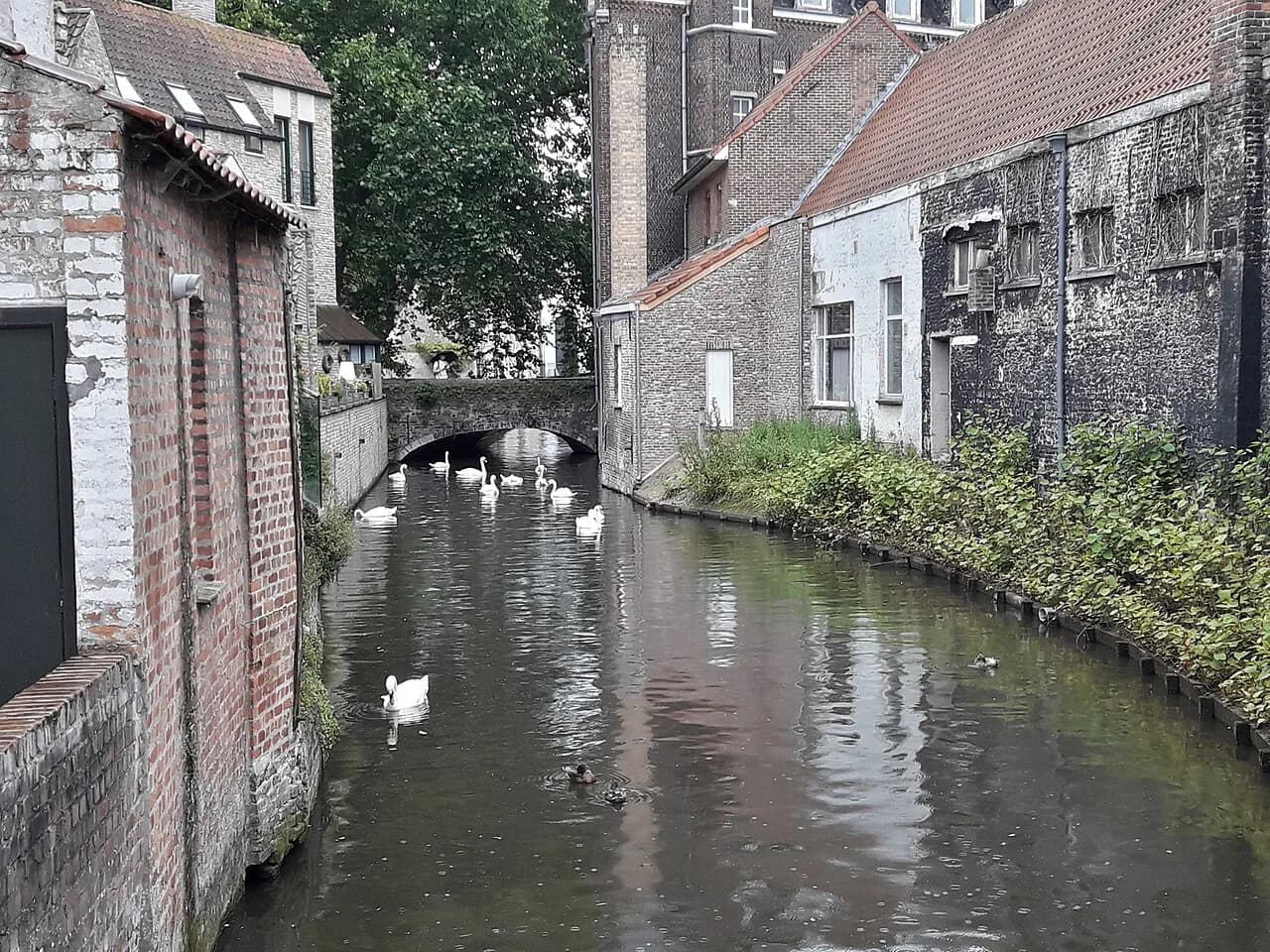
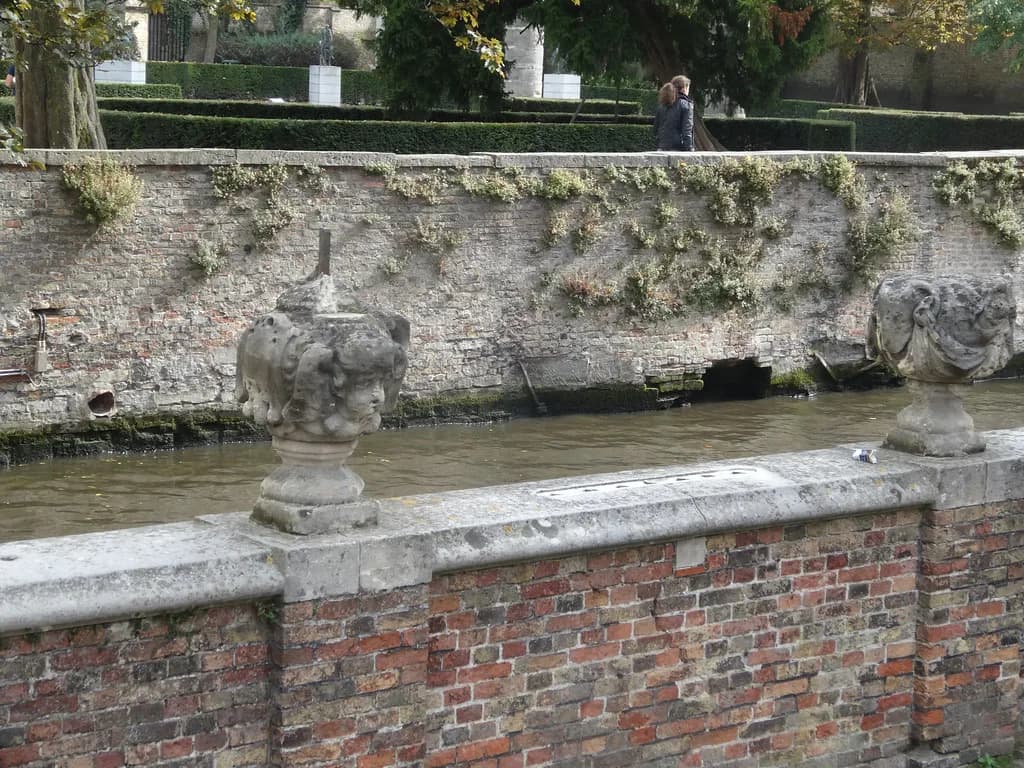
Bruges' canals are part of the sightline rather than a separate attraction. The classic boat trip runs from Huidenvettersplein and threads under low bridges past swans and brick gables, and it is short enough to slot into a morning. On land, the Dijver waterfront beside the Groeningemuseum gives you the postcard view of the city, and Hof Arents nearby frames the Church of Our Lady (O.L.V.-kerk), whose brick tower is among the tallest of its kind.
Amsterdam's canals are the city's structure: three main grachten plus outer rings, lined with houseboats and crossed by bridges you will photograph repeatedly. A boat trip here covers a lot of water and a lot of city, which is why it works better as an orientation on day one of a longer stay. In Bruges the boat is a detail of a day; in Amsterdam it can be the spine of one.
How much time each city needs: one day in Bruges, two or three in Amsterdam
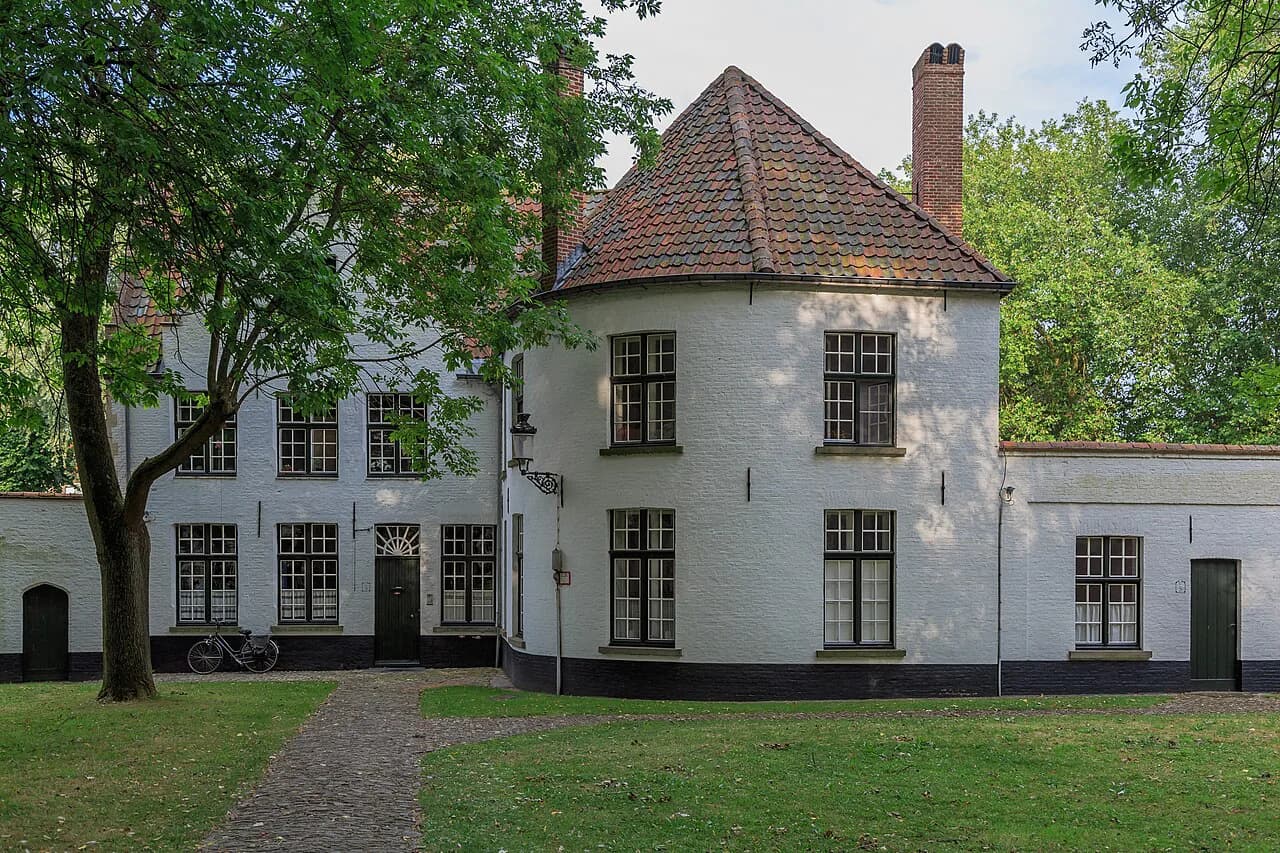
One full day in Bruges is enough to see the core: the Markt and Belfort, the Burg, the Dijver museums, a canal trip and a slow circuit of the quays. Two days lets you add a second museum, the Begijnhof and a bike ride out into the polders. If you are still deciding, this guide to how many days in Bruges sets out what fits into each.
Amsterdam needs two or three days before it stops feeling like a queue of highlights. The canal ring alone takes a morning to walk, and the big collections each absorb half a day. On a one-day break Amsterdam leaves you with the sense of having visited a fraction of it; Bruges on one day feels complete.
Museums and art: Flemish primitives against the big collections
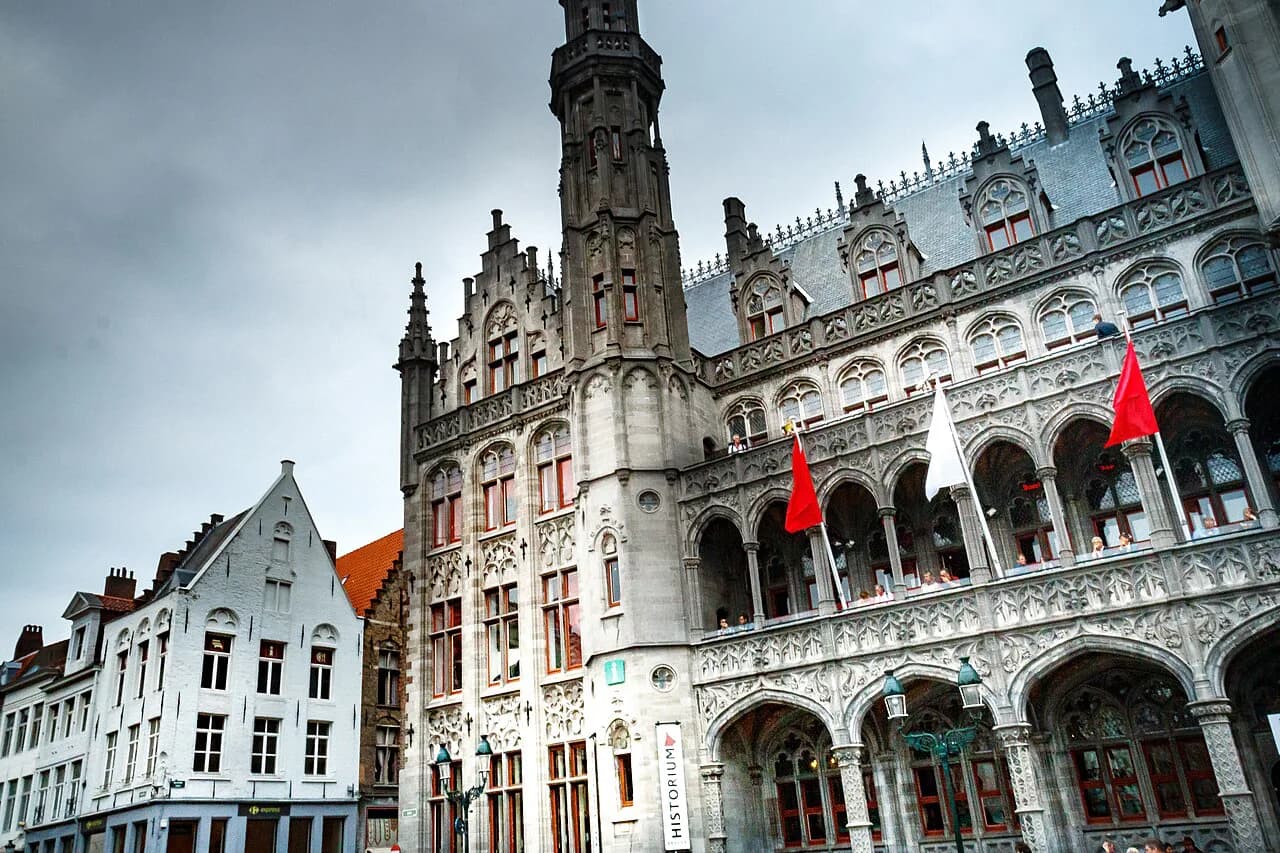
Bruges' museum case rests on the Groeningemuseum, where the Flemish primitives hang: Jan van Eyck's Madonna with Canon Joris Van der Paele and Hans Memling's Moreel Triptych among them, alongside Renaissance, Baroque and Flemish expressionist work. Published admission is €15 for adults and seniors 65+, €13 for 18- to 25-year-olds, €7 for 13- to 17-year-olds and free under 13, with a €32 combination ticket covering the Groeningemuseum and the Historium.
Plan around a change: the Groeningemuseum closes from 11 January 2027 for a four-year refurbishment, and from March 2027 the heart of the collection moves to BRUSK, the city's new art gallery on the Dijver. If your trip falls after that date, the paintings are still in Bruges, just in a different building. The Musea Brugge Card covers the Groeningemuseum and all other open Musea Brugge sites for 72 hours, and museumPASSmusées gives a year of admission to more than 200 Belgian museums, both giving entry at the Groeningemuseum itself.
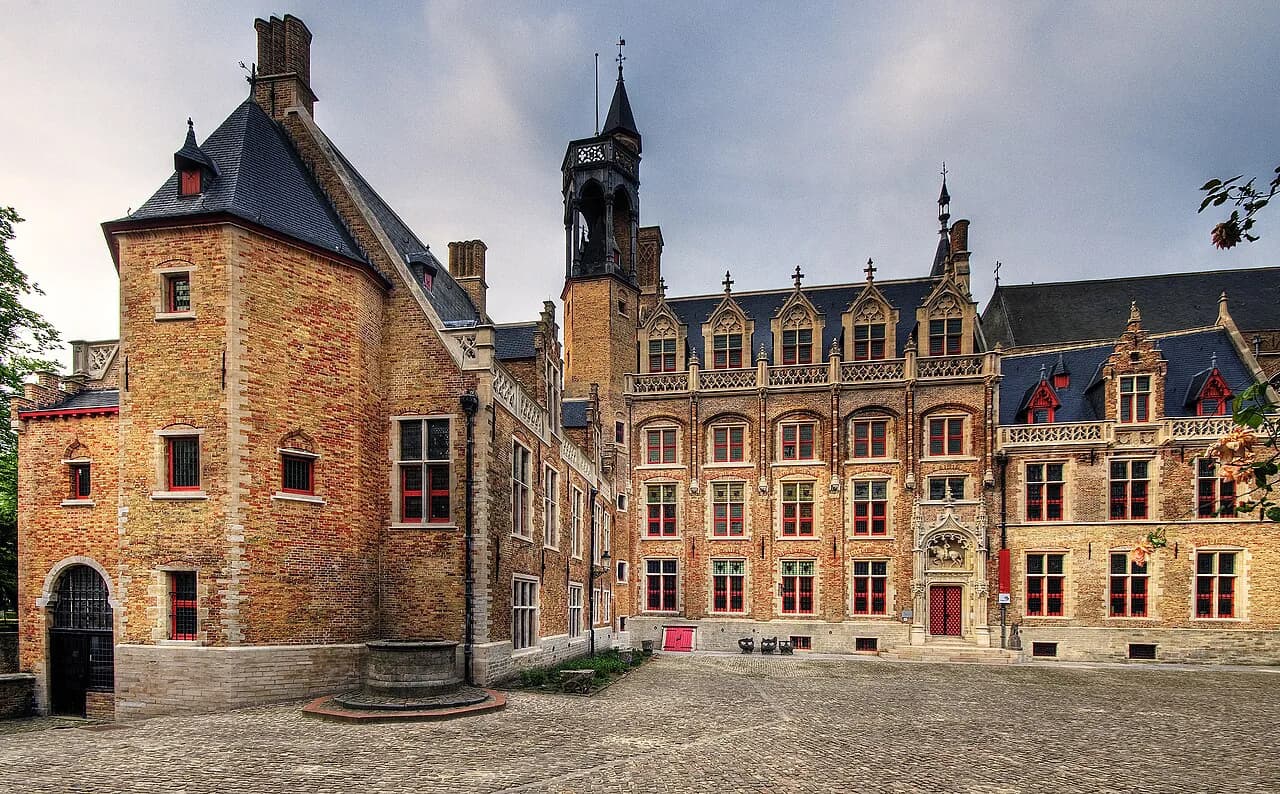
Beyond the Groeninge, the Gruuthusemuseum on Dijver traces Bruges through three key periods of its history, beginning with its Burgundian heyday, and Museum Sint-Janshospitaal on Mariastraat covers centuries of care and healing around the theme of hospitality in a medieval hospital building. Together they give a small city an unusually strong museum day. Amsterdam's collections are larger and more famous, and they take correspondingly more of your break.
Crowds and pace: Bruges' tight historic core and when it empties
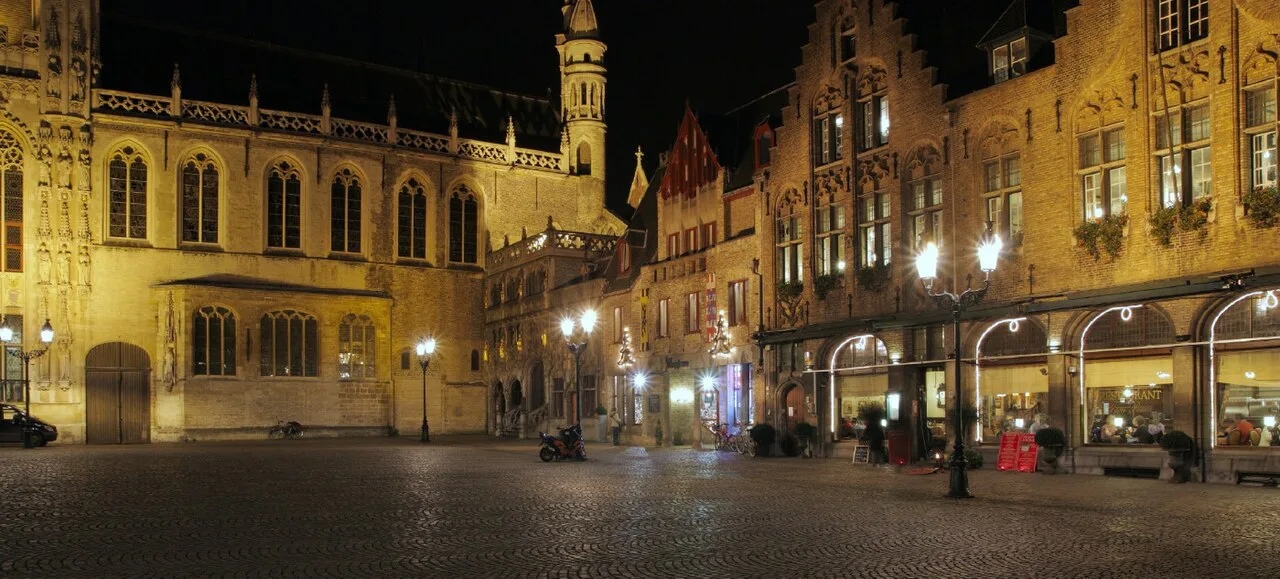
Bruges' problem is its own success: the streets between the Markt and the Dijver are narrow, and the day-trippers who arrive mid-morning all funnel through the same few hundred metres. The practical answer is timing rather than avoidance. Early morning on the Markt and the Burg, and again after the afternoon coaches leave, gives you the city at a human pace, and the walk out to the quieter canals and the Begijnhof thins the crowd further.
Amsterdam's crowds spread across a much bigger area, so the centre can feel busy without feeling blocked. The quieter trade-off runs the other way: in Bruges you notice the visitors because the stage is small, while in Amsterdam you can walk ten minutes and leave them behind.
Costs in euros: museum tickets, boat trips and bike tours
Bruges publishes its prices, which makes budgeting straightforward. Alongside the Groeningemuseum rates above, Ben's Bike at 't Zand runs a 2.5- to 3-hour Bruges Bike Tour at €24 for adults with a rental bike, €9 with your own bike, €22 for students and free for under-12s, with a €10 supplement for an e-bike; the 60-kilometre E-Bike Border Tour costs €38 and crosses into the Netherlands. A single museum ticket plus a bike tour is a realistic, moderately priced day.
Canal boat trips and Amsterdam's museum admissions are priced by their operators, so check the official ticket pages for the dates you are travelling. What is fair to say is that Bruges' compact size means fewer paid movements: you walk between sights rather than paying to cross a city. If cost is the deciding factor, use this honest look at whether Bruges is expensive.
Getting around on foot, by bike and by boat in each city
In Bruges the answer is almost always on foot, with a bike for the polders outside the centre and a boat for the canal view. Ben's Bike sits in the underground bike parking at 't Zand on the Concertgebouw side, hires bikes and runs guided tours, which suits a second day when you want to see the villages and the old Zwin channel rather than another museum.
Amsterdam moves differently: walking inside the canal ring, trams for longer hops and bikes as everyday transport rather than a tour. The catch is that cycling in Amsterdam traffic is a different proposition from cycling Bruges' quiet lanes, so a rental tour makes more sense in Bruges and public transport makes more sense in Amsterdam.
Where Bruges wins for a short break
Bruges wins on density and finish. Everything that makes the city famous — the Markt, the Belfort, the Burg and the Basilica of the Holy Blood, the Dijver museums — sits within a compact centre you can cross on foot in a day. One well-planned day leaves you feeling you have seen the place rather than sampled it; plan it with our 2 Days in Bruges guide.
It also wins on atmosphere per hour. The medieval fabric is intact enough that an evening walk along the canals is itself the attraction, with no ticket needed. A Bruges Weekend Break built around two nights gives you the early mornings and late evenings that day-trippers miss, which is when the city is at its best.
Where Amsterdam wins for a short break
Amsterdam wins when you want range. Its museums are bigger, its neighbourhoods more varied and its canal ring grander in scale, and a two- or three-day stay has room for all three without repeating yourself. If you have already seen Bruges, or you want a capital city's energy rather than a preserved centre, Amsterdam is the stronger choice.
It also handles longer breaks better. Bruges is a place you can reasonably cover in two days; Amsterdam can absorb a long weekend and still leave things undone. The honest framing is that Amsterdam rewards time, and Bruges rewards timing.
Which to pick if you have one day, two days or a long weekend
With one day, choose Bruges. The centre is walkable end to end, the Belfort and the Dijver museums anchor the morning, and a canal trip from Huidenvettersplein fills the afternoon. Amsterdam on a single day means spending much of it in transit between fragments.
With two days, Bruges is still the easier city to finish, and a second day adds a bike tour, the Gruuthusemuseum and the Begijnhof. Amsterdam becomes viable if you pick one quarter and one collection and accept that the rest waits. With a long weekend, Amsterdam's size turns from a drawback into the point, while Bruges starts to feel covered. Our 2 Days in Bruges plan shows how much the city yields in 48 hours.
Bruges or Amsterdam for a first trip to the Low Countries?
For a first trip, Bruges is the better introduction if your priority is a compact, distinctively medieval city you can understand in a day or two, and it pairs naturally with Ghent (Gent) or Antwerp by rail. Amsterdam is the better introduction if you want a capital with major collections and a larger stage. Neither is the wrong answer; the question is whether you want to be finished or still exploring at the end of day two.
Bruges or Amsterdam: make the call
If your break is one or two days, book Bruges: the Markt, the Belfort, the Dijver museums and the canals fit into a walkable day, with published prices that make budgeting simple. If you have three days or more and want range, Amsterdam earns the extra time. Decide from the length of your trip, not from the photographs of canals, which look similar and behave very differently.
Explore more Bruges guides
Sources
Useful notes for your next trip
Optional updates to our guides.
You might also like
Continue reading
More guides you'll find useful