How Many Days in Bruges? One, Two or Three Days
Bruges is compact and walkable inside the canal ring. Here is what one, two and three days cover, from the Markt and Belfry to a brewery tour and canal boat.
On this page
Two days in Bruges suits most city-break travellers. The historic centre sits inside a canal ring small enough to cross on foot, so a single day covers the headline sights and a second day lets you slow down for a brewery tour, a canal boat and the quieter quays. This guide sets out what one, two and three days each add, how the Markt, Belfort, Burg and Rozenhoedkaai fit together, and when a day in Ghent is the better use of your time. If you want a ready-made plan, our 2 Days in Bruges guide lays out the order.
How many days in Bruges: the short answer
Give Bruges two days. One day is enough to see the Markt, climb or photograph the Belfort, walk through the Burg and reach Rozenhoedkaai, but it leaves no room for the brewery or the water. Two days turns a checklist into a stay, and three days only makes sense if you want to leave the city for the surrounding countryside.
The reason the numbers stay low is geography. Bruges is tiny and very walkable if you stay within the canal ring, and the centre is compact enough that a weekend covers the best of it. Outside the ring the streets loosen and the station pulls you away from the sights, so the ring is the unit to plan around.
What one day in Bruges covers
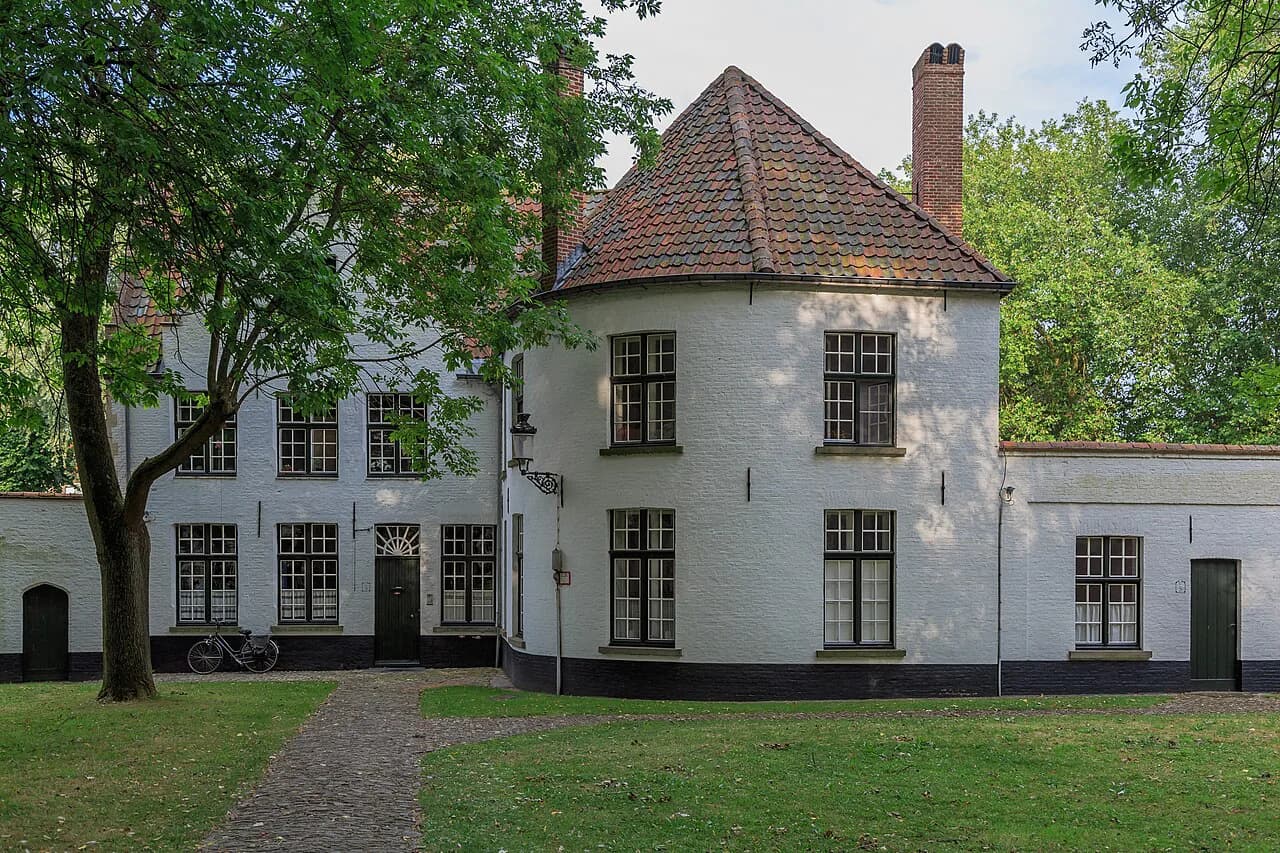
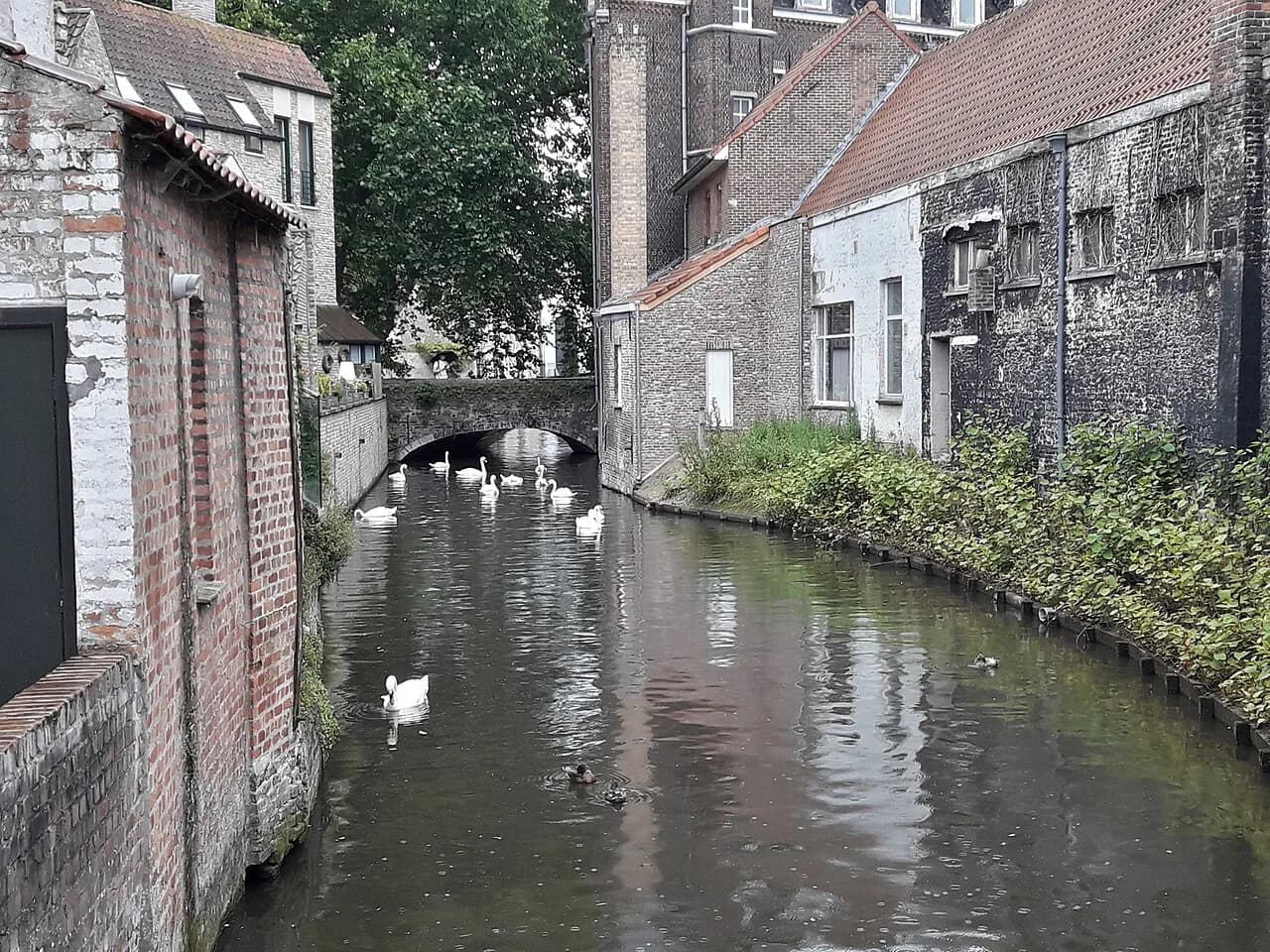
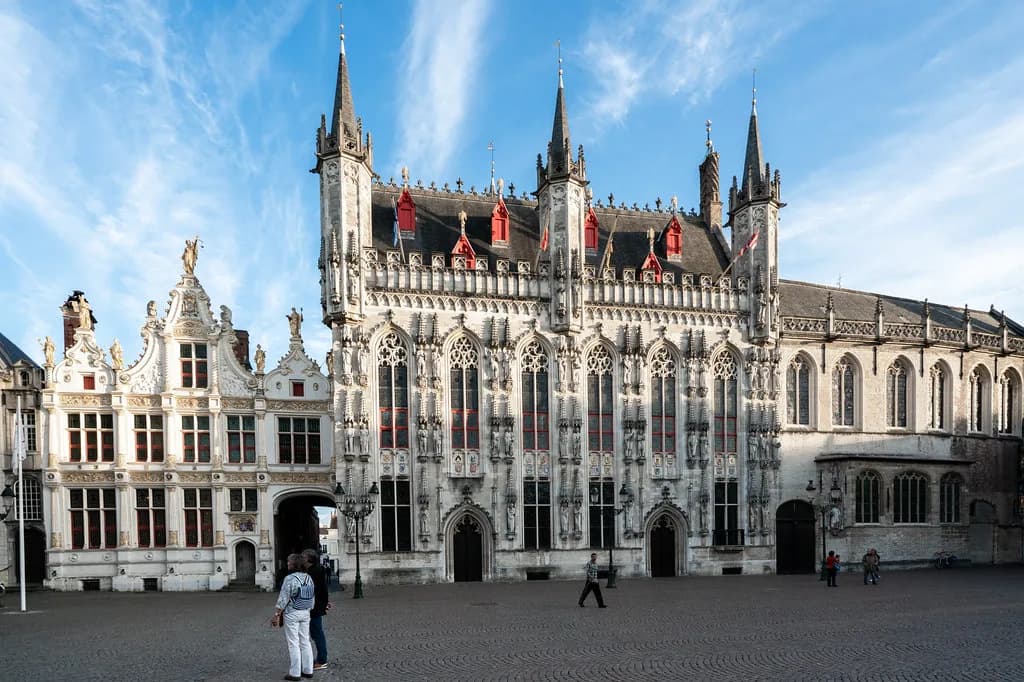
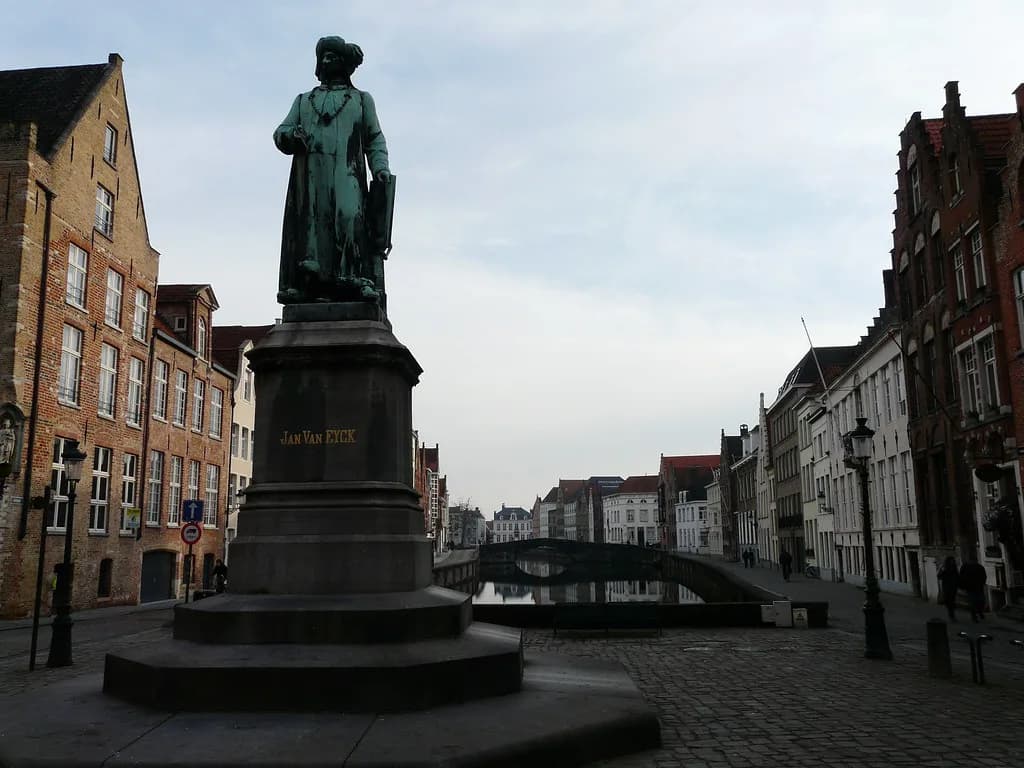
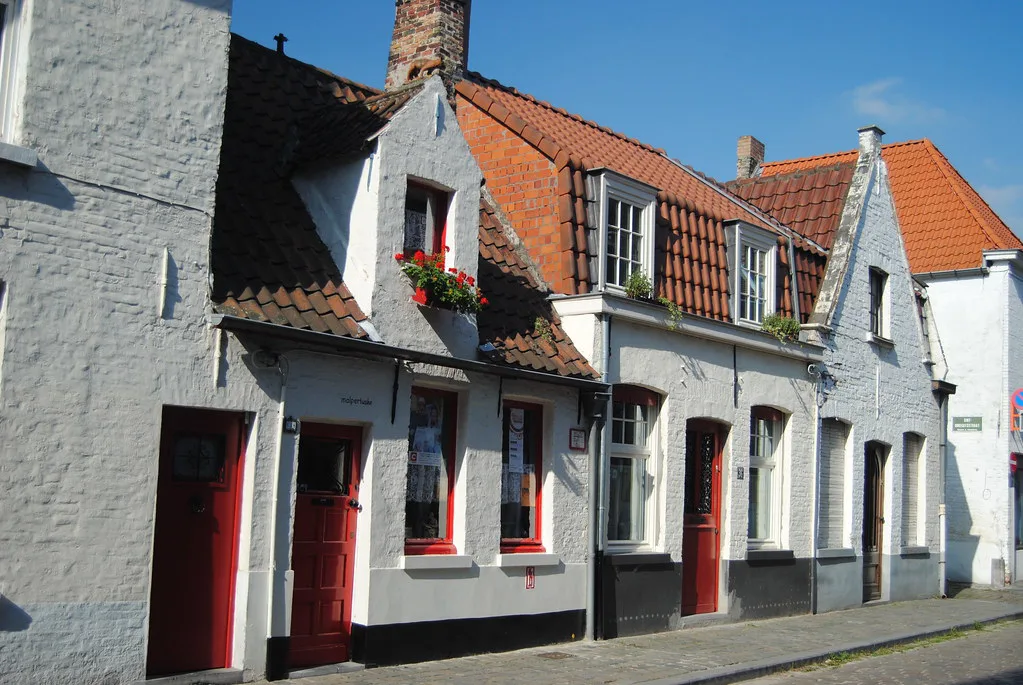
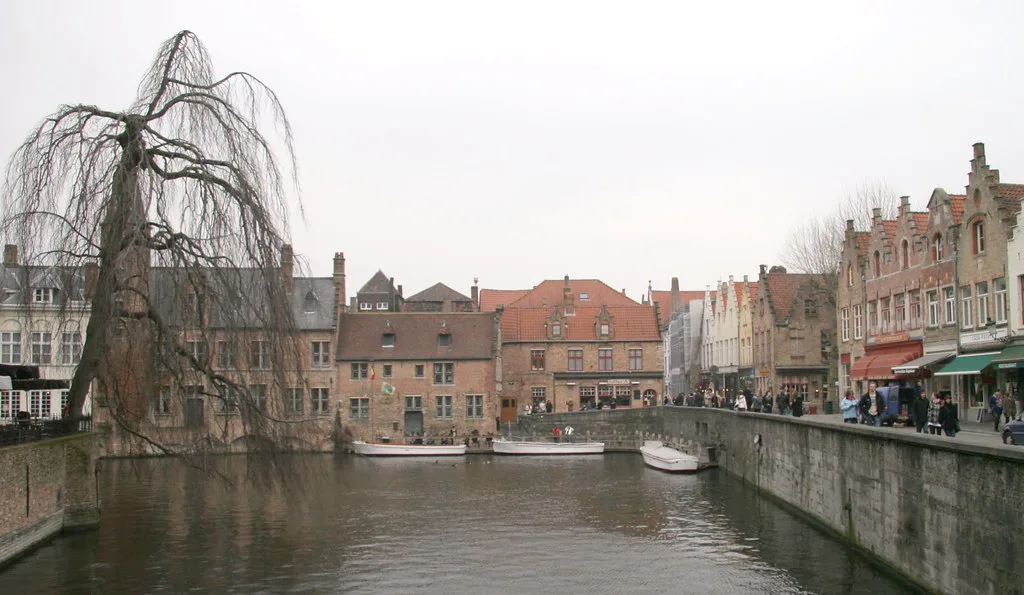
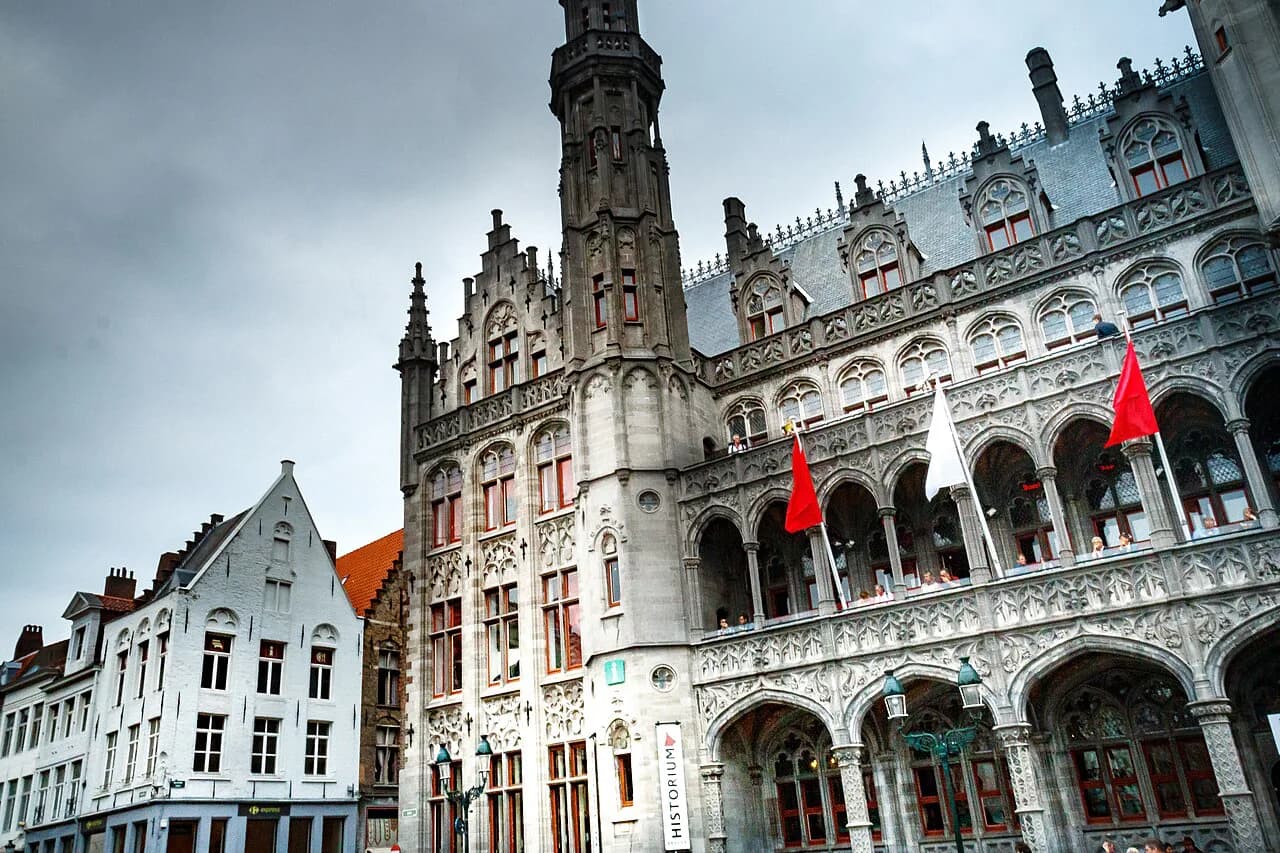
Start at the Markt, the main square lined with coloured buildings, and look up at the Belfort rising from it. Walk the short hop to the Burg, the smaller square next door, then follow the canal to Rozenhoedkaai, the Quay of the Rosary, which is the most photographed corner of the city. Jan van Eyck Square, the bridge to the Begijnhof and the bridge on Meestraat are the other reliable viewpoints, all within easy walking distance of each other.
A single day runs out quickly once you add a sit-down lunch and a stop for chips. The chip stalls beneath the Belfry in the Markt are the classic spot for a cone of fries with mayonnaise, eaten standing while the square moves around you. Keep the afternoon loose: one museum or church, a wander along the canals, and a second loop after dark when the water reflections sharpen and the day-trippers have gone.
What two days add
The second day belongs to the brewery and the water. De Halve Maan is the city's only continuously working old brewery, and a tour there includes a rooftop view over Bruges before you settle in with cheese, sausage and an unfiltered beer. Pair it with a canal boat later the same day, or split them across the two mornings so neither feels rushed.
A Bruges weekend break also buys you the pleasure of the ring at quiet hours. Stay inside the canal ring and the evenings feel different: the cobbled streets empty, the Markt settles, and the walk back to your room becomes part of the trip. That is the argument for two nights rather than one, more than any additional sight.
What three days add, including the countryside by bike
Three days gives you time to visit the surrounding countryside. A morning on a bike tour out of the city takes you to the region's flatter landscapes and returns you in time for an afternoon back inside the ring, which is exactly how a third day earns its place.
If cycling does not appeal, the third day is better spent on the Basilica of the Holy Blood in the Burg, a slower second look at the Begijnhof, or a half-day by train to Ghent. Three days in Bruges itself starts to repeat, so treat the extra day as a choice between the countryside and another city rather than more of the same squares.
Bruges in a weekend: what fits and what does not
A weekend of two full days fits the Markt, Belfort, Burg, Rozenhoedkaai, a canal boat and the De Halve Maan tour comfortably. It does not fit a bike tour of the countryside, several museums and a day in Ghent at the same time, so pick two of those three and leave the rest. Arriving on a Friday evening and leaving on a Sunday afternoon gives you roughly one and a half usable days, which is tighter than it sounds.
Treat the first evening as a scouting walk rather than sightseeing. A loop from the Markt down to Rozenhoedkaai and back through the Burg shows you the distances involved and lets you book the brewery and boat for the next morning. Bruges rewards that small amount of planning because everything is close.
Where the days go: Markt, Belfort, Burg and Rozenhoedkaai
The Markt, the Belfort, the Burg and Rozenhoedkaai form a tight cluster within a few minutes of each other, so they fill a morning rather than a day. Rather than schedule them, use them as fixed points and let the walking between them absorb the rest of the time. The Belfry is worth the climb for the view over the Markt and the rooftops beyond it, and Jan van Eyck Square is a short walk north-west along the canal.
Beyond that core, the pleasure of Bruges is in the ordinary streets between the sights. The bridge to the Begijnhof and the bridge on Meestraat give you the canal views without a queue, and both sit on natural walking routes. If you are weighing whether the city justifies the trip at all, the honest answer is that the compact core is the whole argument.
Brewery tour and canal boat: fitting both into your days
Do the De Halve Maan tour in the morning and the canal boat in the afternoon, or the other way round, but keep them on separate halves of a day so neither is squeezed. The brewery opened Belgium's first major beer pipeline in 2016, a detail that comes up on the tour, and the rooftop view afterwards is as good as the beer. The boat is the touristy option, and it is still fun: 30 minutes on the water gives your legs a rest and shows the city from the level it was built around.
Boat tour stands are dotted along the canals. One published guide quotes around €15 per person for a relaxed 30-minute cruise, with no booking needed — just turn up.
Walking times inside the canal ring and why the ring matters
Almost everything worth seeing in Bruges sits inside the canal ring, and the ring is small enough that the Markt to Rozenhoedkaai walk takes a few minutes on foot. That is why one day is workable and why two days feels generous rather than rushed. It also means your base matters: staying inside the ring keeps the evenings walkable and the days free of repeated crossings.
Outside the ring, distances stretch and the city becomes a different proposition. If your budget is the deciding factor, the trade-off between a central room and a cheaper one further out is a walk of a few minutes against a longer commute each way.
Bruges compared with Ghent if you are splitting a Belgian trip
Bruges and Ghent are close enough by train to be split across a single trip, and the usual question is how many days each deserves. Bruges is smaller, prettier and more concentrated; Ghent is a living university city with a bigger everyday centre. Two days in Bruges and one in Ghent is the balanced split, while one day in each suits a fast trip that prioritises variety over depth.
The decision comes down to what you want from the hours between sights. Bruges gives you empty cobbles and canal reflections in the evening, while Ghent gives you a busier city to eat and wander in. Neither is the wrong answer, but on a short trip the choice is real and worth making before you book.
When Bruges deserves a longer stay
Stay a third day if you want the countryside by bike, a slower morning at the Begijnhof or a day trip to Ghent without cutting Bruges short. Beyond three days, the returns fall away unless you are using the city as a base for the wider region. The compact core is the reason short trips work so well here, and it is also the reason longer ones start to feel like padding.
Which length of trip should you book?
Book two days and two nights inside the canal ring, and put the Markt, Belfort, Burg and Rozenhoedkaai on day one with De Halve Maan and the canal boat on day two. Add a third day only if you want a morning on a bike in the countryside or a day in Ghent. One day is enough to see the core, but it leaves the best of Bruges, the quiet evening streets, out of the trip.
Explore more Bruges guides
Frequently Asked Questions
Which is better, Ghent or Bruges?
They do different jobs. Bruges is smaller, more concentrated and quieter in the evenings, which makes it the better pick for a short first visit to Belgium. Ghent is a larger, busier city with more everyday life around its centre. Two days in Bruges and one in Ghent is a balanced split if you have three days in total.
How long does it take to visit Belgium?
A week lets you split time across several cities rather than rushing one. For Bruges alone, two days covers the Markt, Belfort, Burg, Rozenhoedkaai, a brewery tour and a canal boat, and three days adds the surrounding countryside or a day in Ghent.
Sources
Useful notes for your next trip
Optional updates to our guides.
You might also like
Continue reading
More guides you'll find useful