
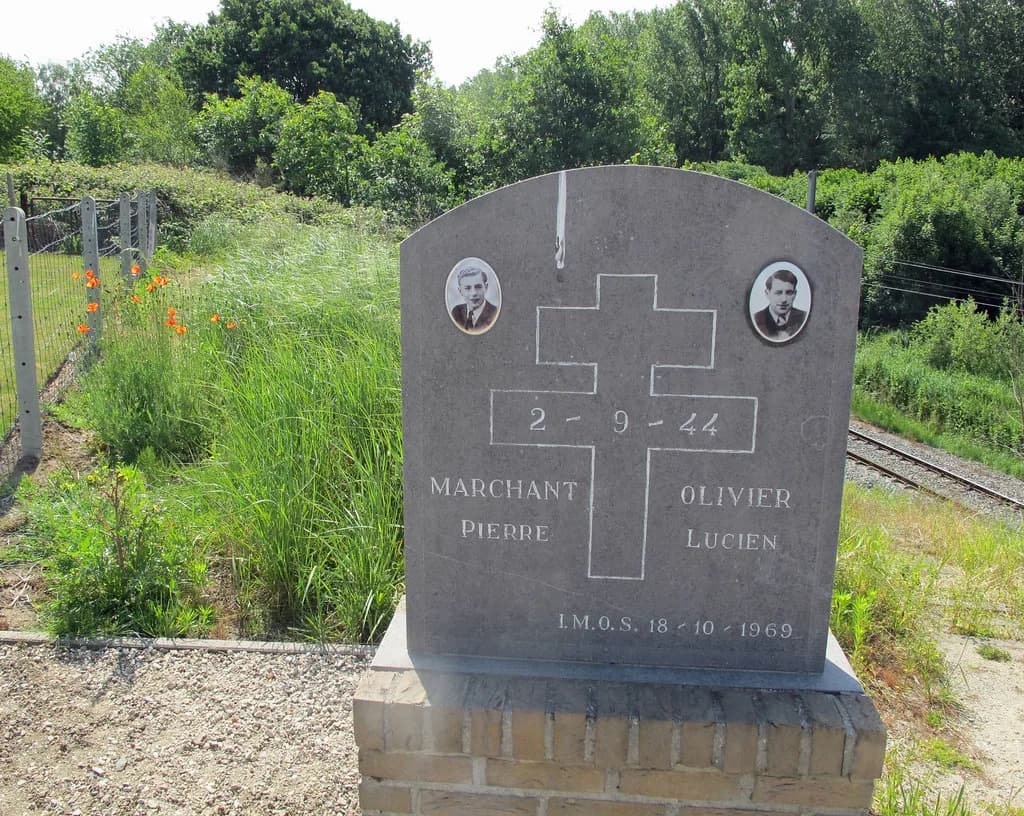
WW2 Sites in Belgium: Where to Go and How to Plan
A guide to the main WW2 sites in Belgium, from the Ardennes battlefields and memorials to Fort Breendonk and Kazerne Dossin, with how to plan a visit.
On this page
Belgium's WW2 sites fall into two clusters: the Ardennes battlefields of winter 1944 around Bastogne and La Roche-en-Ardenne, and the occupation and Holocaust sites at Fort Breendonk and Kazerne Dossin near Brussels and Antwerp. Ypres (Ieper) anchors a third day, but as a First World War landscape with the Menin Gate (Menenpoort) and its nightly Last Post Ceremony; it is a practical base rather than a WW2 destination. This guide sets out what each place covers, how long it takes and how to string them together.
Why Belgium matters in WW2
Germany invaded Belgium in May 1940, and the country spent four years under occupation before Allied forces liberated most of it in September 1944. Fighting returned that winter, when the German Ardennes offensive pushed through the forests of eastern Belgium in what became the Battle of the Bulge. Visiting the country's WW2 places means holding those two stories together: civilian occupation and deportation on one side, and a hard winter battle in the hills on the other.
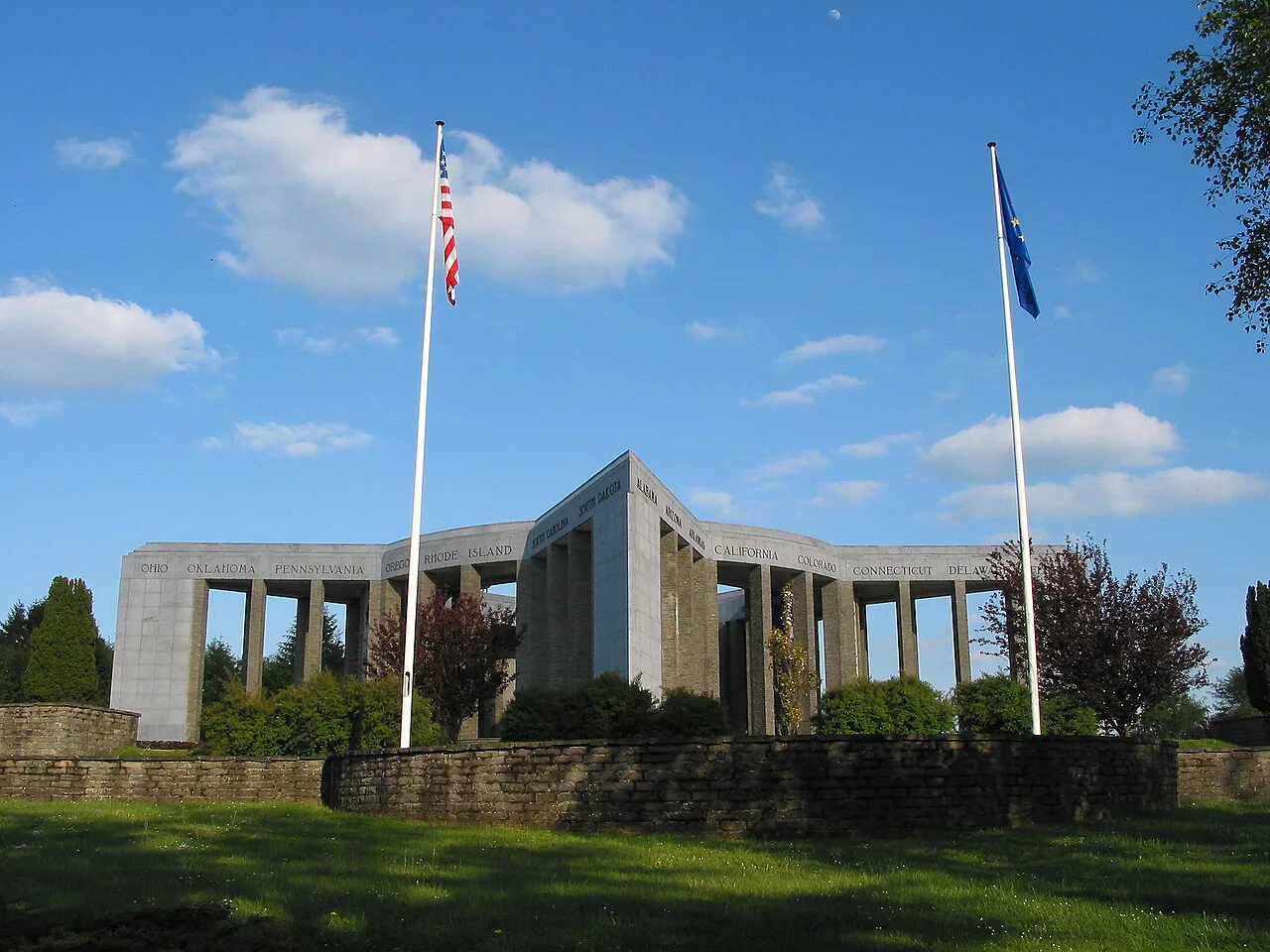
The Battle of the Bulge in the Ardennes
The Ardennes offensive of December 1944 and January 1945 was fought across the wooded hills of eastern Belgium and Luxembourg, and its ground is best read through the towns that anchored the fighting. Bastogne, the crossroads town besieged during the battle, is the southern cornerstone; La Roche-en-Ardenne and the northern Ardennes cover the other flank. If you want the campaign in detail rather than a single town, start with this guide to the Battle of the Bulge Sites in Belgium, which gathers the battlefield ground and memorials into one route.
What is Ypres called now? The town is called Ieper in Flemish and Ypres in English; the two names refer to the same place, and the Menin Gate is signed as Menenpoort locally.
Are soldiers buried in Flanders Fields? Yes. The Commonwealth cemeteries around Ypres hold the graves of soldiers killed in the First World War, and Tyne Cot is the largest of them; they are not WW2 burial grounds.
Is Belgium more German or Dutch? Belgium has Dutch-speaking Flanders in the north, French-speaking Wallonia in the south and a German-speaking community in the east, with Brussels bilingual; the language changes as you cross the country rather than following one national identity.
Bastogne: war museum, memorials and the Ardennes campaign story
Bastogne works as the core of an Ardennes day. The town's war museum holds the campaign collections, and the Mardasson memorial on its edge commemorates the American soldiers who fought in the Ardennes. Both sit within reach of the town centre on foot, which makes Bastogne the simplest place to base a first visit. If you are choosing between several collections, compare them in this round-up of battle of the Bulge museum options before deciding.
La Roche-en-Ardenne and the northern Ardennes
La Roche-en-Ardenne, on a bend of the Ourthe in a steep wooded valley, was badly damaged in the winter fighting and keeps memorials to the civilian and military dead. It suits travellers who want battlefield ground and landscape rather than another collection: the town is small, the valley walks are short, and the surrounding villages carry the smaller markers. Pair it with Bastogne only if you have a full day and a car; by public transport the two are awkward to combine.
Fort Breendonk: an SS transit camp, and what a visit involves
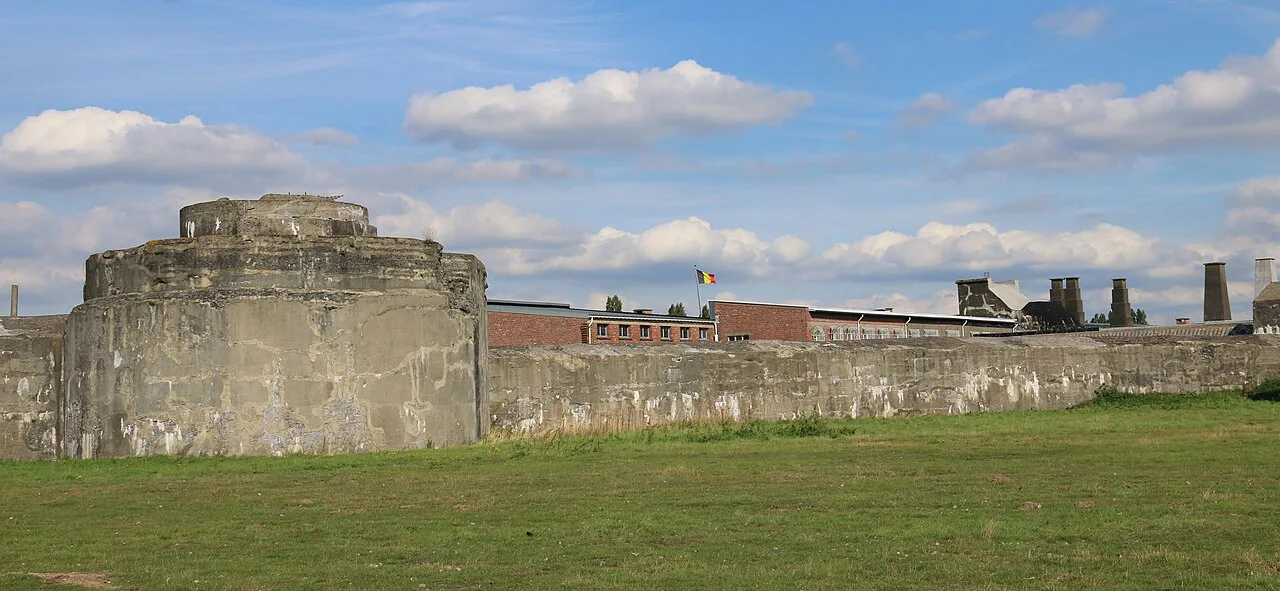
Fort Breendonk, near Mechelen between Brussels and Antwerp, was used by the SS as a transit camp during the occupation, and it is preserved as a memorial rather than a conventional museum. A visit involves walking through the fort's casemates and courtyards, following the story of the prisoners held there. Allow a half day including travel, and keep the visit quiet and unhurried; it is not a place for a quick stop between other sights. More on the site is in this guide to Fort Breendonk.
Kazerne Dossin in Mechelen: deportation and the Holocaust in Belgium
Kazerne Dossin in Mechelen is the museum and documentation centre on the site from which Belgian Jews and Roma were deported to Auschwitz-Birkenau, and it combines the historical record with a human rights remit. It is the most substantial Holocaust site in the country and rewards two to three hours. Because it sits in Mechelen, it pairs naturally with Fort Breendonk for a single day exploring the occupation, with Mechelen's railway station as the hinge between the two. More on what the museum holds is in this guide to Kazerne Dossin.
The Atlantic Wall at Raversijde near Ostend
The Atlantic Wall defences at Raversijde, on the coast just west of Ostend (Oostende), preserve a stretch of German bunkers and coastal artillery positions built to hold the Channel coast. The site is open-air and windswept, so it reads best on a dry day with sturdy shoes, and it gives a different angle on the occupation from the camps and museums inland. It fits naturally into a coastal day rather than an Ardennes itinerary. Ostend's own wartime history is thinner on the ground, so treat Raversijde as the reason to come.
Ypres (Ieper) as a base: WW1 sites plus Menin Gate and the Last Post Ceremony
Ypres is a First World War destination, not a WW2 one, and it is worth being clear about that before you book. The town's rebuilt Lakenhalle (Cloth Hall), the surrounding cemeteries and the Menin Gate (Menenpoort) all belong to the 1914–18 war. The Last Post Ceremony at the Menin Gate is held at 8pm each evening; confirm the timing on the day, as it can change. Used as a base, Ypres is well placed for the Flanders battlefields, and the bigger WW1 sites such as Tyne Cot, Sanctuary Wood, Hooge and Ploegsteert sit within a short drive of the town. If medieval towers are more your reason for travelling, the belfries of Belgium cover a different set of towns entirely.
How many days you need for the Ardennes versus the northern sites
The Ardennes and the northern sites do not combine in a day. Bastogne and La Roche-en-Ardenne need a full day with a car, or two if you want the smaller villages and the museum properly. Fort Breendonk and Kazerne Dossin can be done in one long day from Brussels, with Mechelen as the midpoint. A three-day plan might give one day to the Ardennes, one to Mechelen and Breendonk, and one to Ypres and the Flanders battlefields, but that is the minimum, not a comfortable pace.
Getting between the sites: Ardennes, Mechelen, Breendonk and the coast
Mechelen and Breendonk are straightforward by train from Brussels, with a short taxi or bus at the Breendonk end. The Ardennes are harder: Bastogne has a railway station, but the surrounding sites and La Roche-en-Ardenne need a car or a booked tour to be practical. The coast, including Raversijde, is a train ride from Brussels and Ostend, with the bunker site outside Ostend itself. Booking a battlefield tour is another option, and operators such as Leger run multi-day itineraries from the UK that visit Tyne Cot, Sanctuary Wood and the Menin Gate as well as Waterloo; note that Waterloo is a Napoleonic battlefield, not a WW2 one.
When to go: seasons, daylight and crowd patterns in the Ardennes
The Ardennes are at their best for walking between late spring and early autumn, when daylight is long and the forest tracks are dry. Winter visits suit travellers who want the atmosphere of the battle's anniversary, but daylight is short and the hill roads can be icy. Summer weekends bring the heaviest traffic around Bastogne and the main memorials, while weekdays are quieter. Treat these as rules of thumb and check local conditions before you go, since no source here publishes visitor figures.
Respectful visiting at memorials and museums
Fort Breendonk and Kazerne Dossin are memorial sites first, and both ask visitors to treat the buildings and the stories they hold with restraint: keep voices low, avoid photographing other visitors, and do not treat the casemates or the deportation records as a backdrop. At the Ardennes memorials and the Commonwealth cemeteries around Ypres, remember that many graves belong to named soldiers and are still tended by families. Do not climb on memorials, and keep children close at the Menin Gate during the ceremony.
Which WW2 day should you book first?
Start with Kazerne Dossin and Fort Breendonk if you want to understand the occupation, or with Bastogne if you want the battle. Use Ypres as a separate Flanders day for the First World War, not as a WW2 substitute. Whichever you choose, give each place enough time to be more than a photograph stop, and check the Last Post Ceremony timing on the day.
Explore more Belgium guides
Frequently Asked Questions
What is Ypres called now?
The town is called Ieper in Flemish and Ypres in English; the two names refer to the same place, and the Menin Gate is signed as Menenpoort locally.
Are soldiers buried in Flanders Fields?
Yes. The Commonwealth cemeteries around Ypres hold the graves of soldiers killed in the First World War, and Tyne Cot is the largest of them; they are not WW2 burial grounds.
Is Belgium more German or Dutch?
Belgium has Dutch-speaking Flanders in the north, French-speaking Wallonia in the south and a German-speaking community in the east, with Brussels bilingual; the language changes as you cross the country rather than following one national identity.
Sources
Useful notes for your next trip
Optional updates to our guides.
You might also like



Continue reading
More guides you'll find useful




