
Kazerne Dossin, Mechelen: Holocaust Museum and Memorial Guide
Kazerne Dossin in Mechelen pairs a Holocaust and human rights museum with a quiet memorial in the old barracks. Here is what you see and how to visit.
On this page
Kazerne Dossin is worth visiting for anyone with an interest in the Second World War, and it works as two distinct experiences rather than one attraction. A serene memorial occupies the old barracks building on Goswin de Stassartstraat, where families can find photographs, names and traces of those deported; opposite it, a museum tells the story of the site and asks visitors to think about human rights today. This guide explains what sits where, what the figures mean, and how to fit it into a short stay in Mechelen.
What Kazerne Dossin is
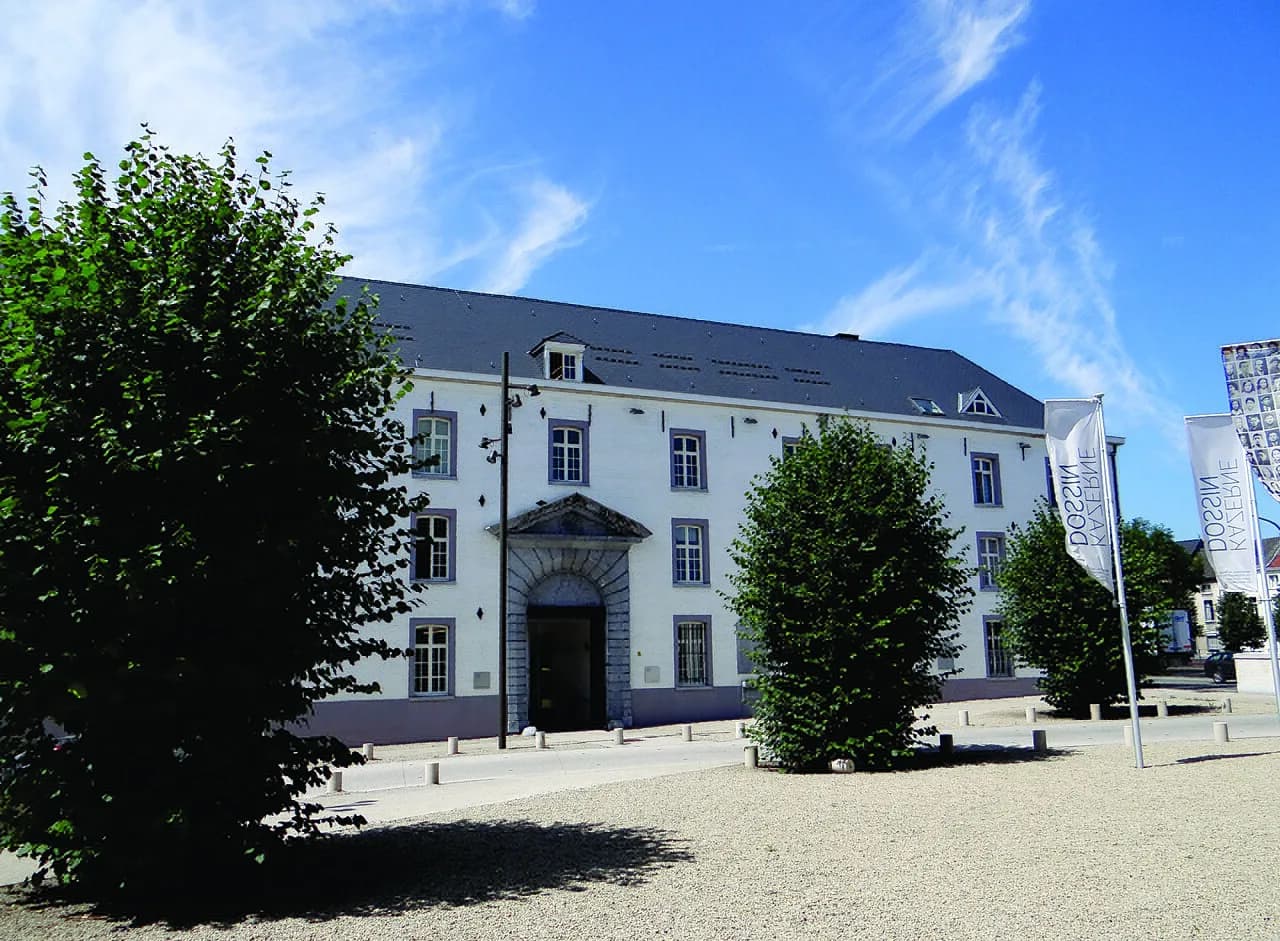
Kazerne Dossin began as a Belgian army barracks in Mechelen and was used by the German occupier during the Second World War as a transit camp. Today the site carries the memory of those deported from the Dossinkazerne and the wider history of the Holocaust. Approaching it as a place of remembrance first, and a museum second, sets the right tone for the visit.
Where it sits in Mechelen
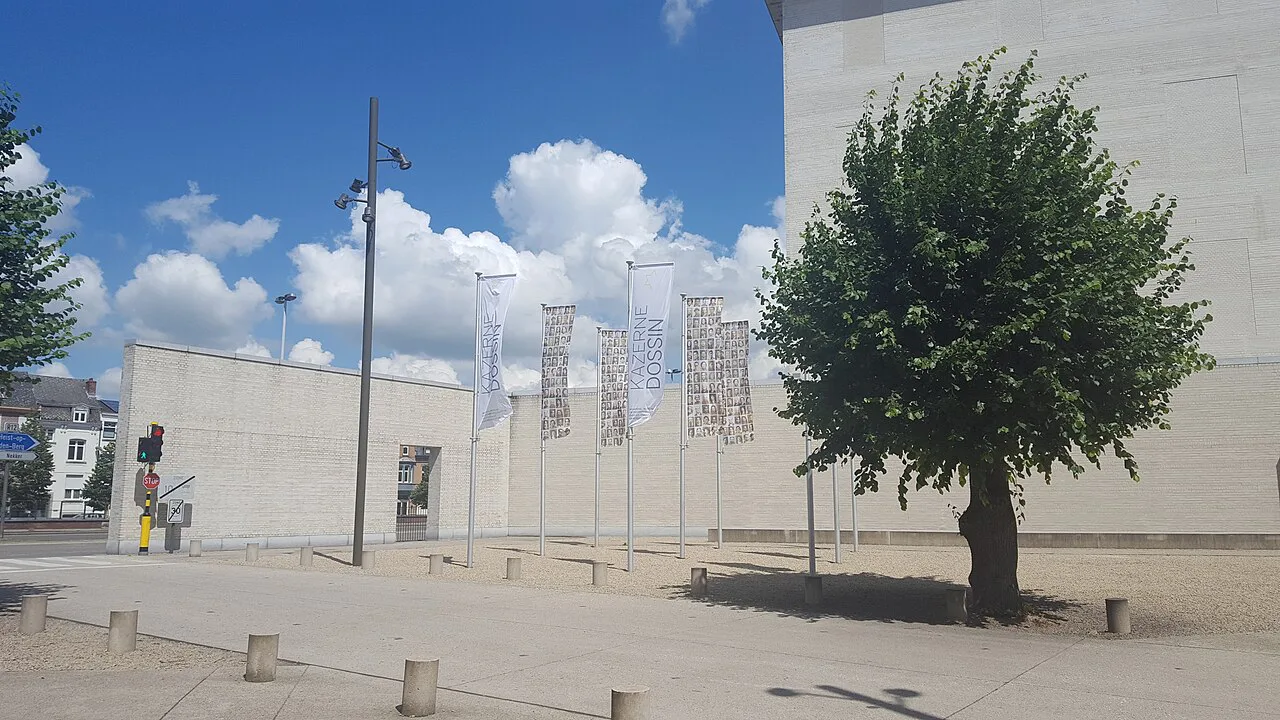
The address is Goswin de Stassartstraat 153, 2800 Mechelen, a short walk from the historic centre. The two halves of the visit are not under one roof: the memorial is inside the old kazerne building, while the museum over Holocaust en Mensenrechten stands directly opposite. Plan the order of your visit around that divide, because you will move between two buildings.
The memorial in the old barracks
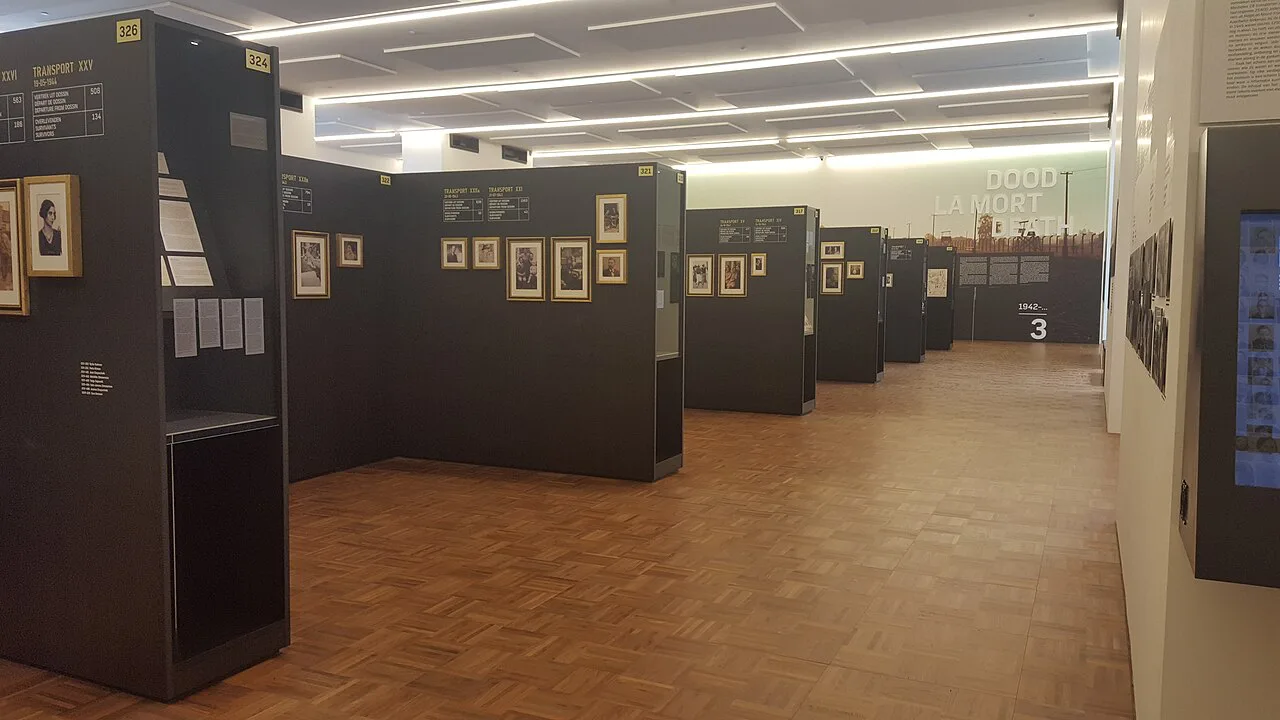
The memorial is a serene and intimate space in the original building, designed for reflection rather than display. Visitors see photographs of those deported, hear their names read, and discover the last traces of lives that ended after departure from Mechelen. It is the part of the site most directly connected to the families searching for relatives, and the atmosphere reflects that purpose.
What the numbers represent
During the Second World War, 25,490 Jews and 353 Roma were deported from the Dossinkazerne in Mechelen. Most of them never returned. Keep those figures in mind when you walk through the memorial: they are not background statistics but the reason the building is preserved as it is.
The museum over Holocaust en Mensenrechten
Across from the old barracks, the museum tells the story of the Dossinkazerne and invites reflection on human rights today. It takes the site's wartime history as a starting point and extends the narrative into questions about how societies treat minorities and how memory shapes the present. Allow time after the memorial to absorb what you have seen before entering this exhibition.
Give them a Face and the portrait collection
The memorial is still collecting photographs of those deported, and its 'Give them a Face' project works to add portraits to the names. Kazerne Dossin is looking for more than 5,000 portraits, which is why a visit can feel like a call to help rather than a finished display. If you hold a photograph of someone deported from Mechelen, the site explains how to contact its research centre.
How long to allow and how to pace the visit
The memorial and the museum are best treated as one visit split into two sittings rather than a quick stop. Start with the memorial in the old kazerne, pause on the walk across the street, and then take in the permanent exhibition at a measured pace. A half-day covers both comfortably and leaves room for silence afterwards.
The museum and memorial set their own visiting arrangements, and the memorial's own site is the place to confirm times and booking before you travel. Remember that the memorial, with its photographs and names, often takes more emotional energy than its size suggests. Leaving the rest of the afternoon free is a reasonable choice.
Kazerne Dossin in a short Mechelen stay
Mechelen itself is compact: the Grote Markt and Sint-Romboutskathedraal sit within walking distance of the kazerne, so a visit can combine the city's medieval core with its wartime history. In a one- to three-day stay, Kazerne Dossin works well as a half-day slot paired with a morning on the square. It deserves to be planned as its own stop rather than squeezed between other sights.
Kazerne Dossin belongs to a wider map of Second World War remembrance in Belgium, from occupation and persecution sites to the liberation battles of 1944. If your trip takes in several of them, our guide to ww2 sites Belgium sets out how the principal memorials and museums fit together. It is sobering ground, and pairing Mechelen with a site in the Ardennes gives the wider history its shape.
Should Kazerne Dossin be on your Mechelen itinerary?
Yes, if you are prepared to give it time and attention rather than treating it as a sight to tick off. The memorial and the museum are different experiences in different buildings, and each rewards a slower pace than a typical city attraction. For anyone travelling with an interest in the Second World War, it is one of the most affecting stops in Belgium.
Book your Mechelen day around a morning walk through the old centre and an afternoon at the kazerne, and check the museum and memorial's own published information for visiting arrangements before setting out. If you are following the wider wartime trail, continue with the battle of the Bulge to understand the other end of Belgium's war.
Explore more Belgium guides
Sources
Useful notes for your next trip
Optional updates to our guides.
You might also like



Continue reading
More guides you'll find useful





