Battle of the Scheldt, 1944: Why Antwerp's Port Mattered
The Battle of the Scheldt in 1944 kept Antwerp's port shut for weeks. Here is what happened, why it mattered and where the campaign is remembered today.
On this page
The Battle of the Scheldt was the Allied campaign fought between September and November 1944 to clear the waterway that gave access to Antwerp's port. Antwerp itself had been taken in early September, but the long estuary leading to the North Sea stayed in German hands, so the port could not be used. This guide explains why the Scheldt mattered to the Allied advance and where the fighting is remembered today.
It is worth understanding before a visit to Antwerp, because the city's wartime story runs through the weeks after its liberation rather than the day itself. The fighting was conducted primarily by the First Canadian Army under Lieutenant-General Guy Simonds, acting while General Harry Crerar was ill, with Polish, British and other Allied forces taking part.
Why Antwerp's port mattered so much
Antwerp was the largest intact port in Western Europe, capable of handling 40,000 tons of cargo a day. As the Allies pushed deeper into occupied territory, supply lines stretched back to Normandy, and a working deep-water port close to the front was the difference between a fast advance and a stalled one.
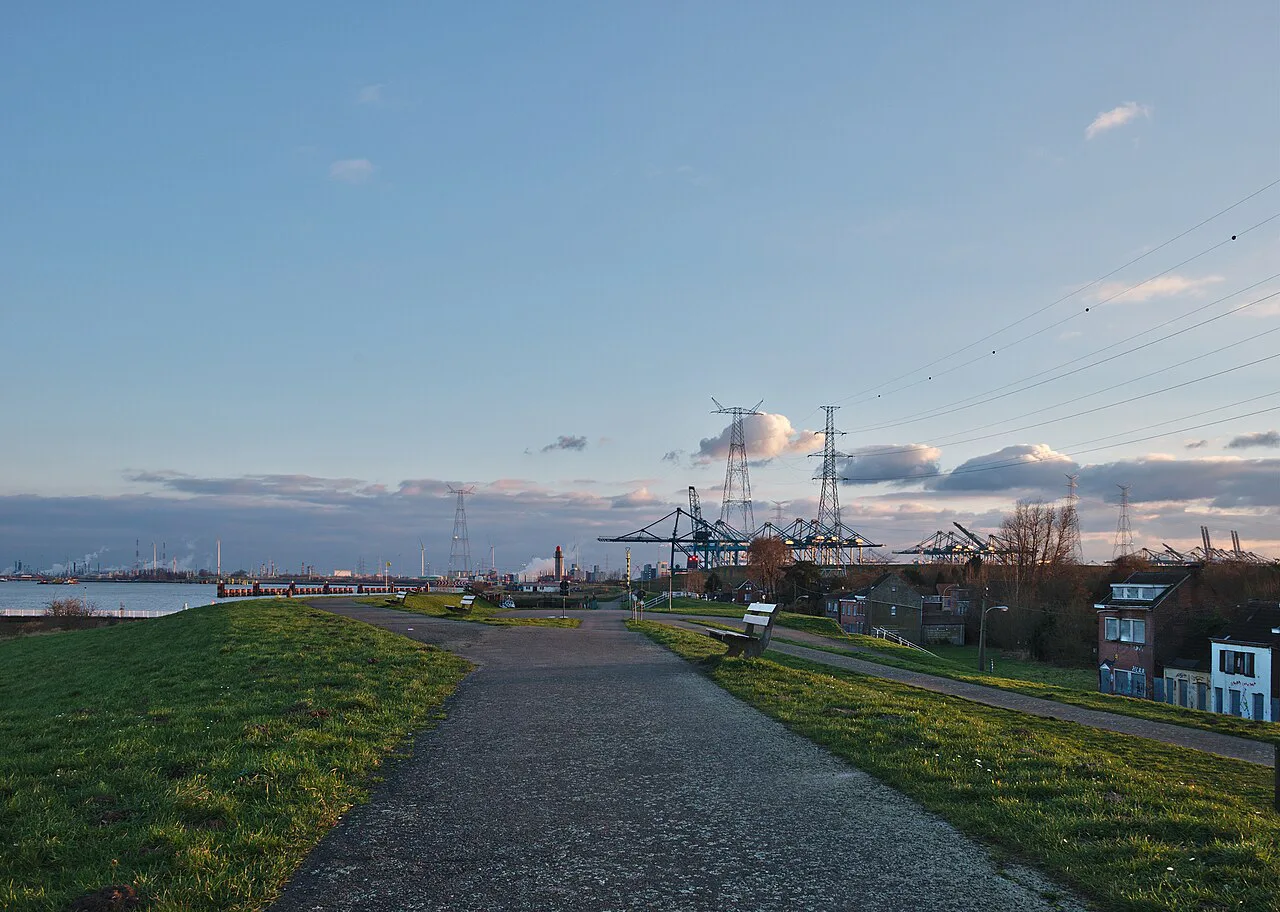
The catch lay in the geography. Antwerp sits well inland, and ships reach it through the Scheldt estuary, a long funnel of water that opens onto the North Sea. Whoever held the banks and islands of that estuary controlled access to the port, regardless of who held the city.
Why taking Antwerp in September 1944 was not enough
The city was seized largely intact by the British 11th Armoured Division on 4 September 1944, with help from the Belgian Resistance's White Brigade, which prevented its destruction. German forces, however, still held the approaches, including the fortified islands of Zuid-Beveland and Walcheren, whose artillery could destroy any minesweeping effort in the estuary.
Where was the Battle of the Scheldt fought? The fighting took place around the Scheldt estuary downstream of Antwerp, in the Breskens Pocket on the south bank, on the Zuid-Beveland peninsula and on Walcheren Island. Much of the ground is in the Netherlands, even though the prize was the Belgian port of Antwerp.
How long did it take to open Antwerp's port? The campaign ran from September to November 1944. Antwerp was taken in early September, but the estuary approaches remained in German hands for weeks, and the waterway was not cleared until early November, when Allied shipping could finally use the port.
Who fought in the Battle of the Scheldt? The First Canadian Army under Lieutenant-General Guy Simonds conducted the campaign, with Polish, British and other Allied forces taking part. German forces defended the estuary approaches from fortified positions on the islands and behind the dykes.
The delay also worked against the Allies. German troops used the pause to evacuate remnants of the 15th Army and strengthen their defences, while Allied resources were diverted to Operation Market Garden and to the sieges of Boulogne, Calais and Dunkirk. Clearing the Scheldt did not become the top priority until late September.
That is the distinction that makes sense of the whole campaign: a city can be liberated in a day, while the waterway that feeds it may take five weeks of fighting. Standing on Antwerp's riverfront after reading about it, the estuary reads as the real battlefield rather than the streets behind it.
The ground: polders, dykes and flooded lowlands
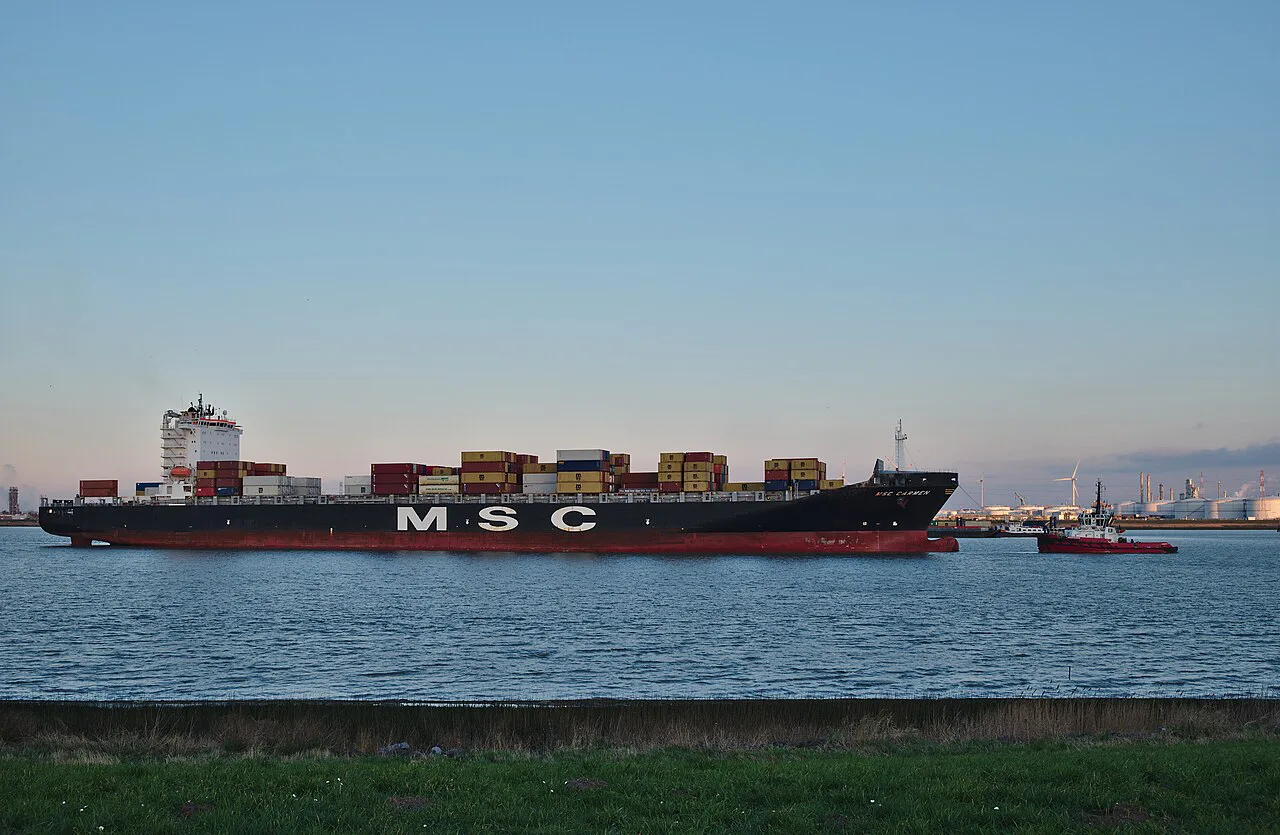
The Scheldt region is flat, low-lying land, much of it below sea level and protected by dykes, polders and canals. Those features, built for farming and flood control, became obstacles: the Germans flooded large areas deliberately, turning the ground into marsh and mud that bogged down tanks and mechanised units.
In the Breskens Pocket, south of the estuary, the polder fields were divided by drainage ditches and canals, giving attackers little cover and defenders good positions behind the dykes. To the north, Zuid-Beveland is a narrow peninsula with few crossing points, largely confined to a single causeway, while Walcheren was ringed with coastal guns that dominated the estuary approaches.
October 1944 brought a typically cold, wet autumn, and the combination of water, mud and flat open ground explains why the campaign ran for weeks rather than days, with movement often restricted to raised roads and causeways.
Operation Switchback and the Breskens Pocket
Operation Switchback targeted the Breskens Pocket on the southern side of the estuary, a patchwork of polder fields that the Germans had fortified and partly flooded. Progress was slow because the terrain offered no cover and the defenders could fall back behind successive water lines.
Reading the operations in sequence helps: Switchback cleared the south bank, the push then turned to the Beveland peninsula, and only then could the estuary itself be opened. Each stage depended on the one before it, which is why no single decisive attack could shorten the campaign.
Zuid-Beveland and the causeway
Securing Zuid-Beveland meant forcing a narrow peninsula whose access was largely confined to a single causeway. With canals and polders on either side, lateral movement was nearly impossible, and the attackers had to push straight along a predictable line. The operation to clear the Beveland approaches was designated Operation Vitality.
Walcheren: bombing the dykes and Operation Infatuate
Walcheren Island was the key defensive point guarding the estuary, heavily fortified with coastal guns and artillery. Allied bombing breached its dykes, flooding much of the island and leaving only raised roads and causeways usable for attack. The assault on the island was Operation Infatuate, carried out in two parts, Infatuate I and Infatuate II.
Flooding the island was a hard trade-off: it stripped the defenders of cover and mobility, but it also made the ground desperately difficult for the troops attacking across it. By early November 1944 the Scheldt had been cleared, allowing Antwerp to open to Allied shipping and helping sustain the final advance into Germany.
Casualties of the campaign
The cost was heavy. Over five weeks of fighting in flooded terrain and against fierce resistance, the campaign produced 20,873 Allied casualties, of which 6,367 were Canadian.
Those figures are campaign totals and are best read as such: they cover weeks of fighting across the Breskens Pocket, the Bevelands and Walcheren, not a single engagement. Canadian remembrance of the campaign rests on the scale of that effort and on the fact that opening Antwerp was ultimately what made the port useful to the Allied armies.
Where the campaign is remembered
The campaign is remembered chiefly through the Canadian units that fought it and through the waterways themselves. Veterans Affairs Canada publishes classroom material on the Battle of the Scheldt, a clear primer on the sequence of events and the Canadian role to read before you travel.
If your trip is built around wartime history, Antwerp fits into a wider route across the country. Our guide to ww2 sites Belgium covers the occupation, the 1944 campaign and the winter fighting that followed, and the battle of the Bulge sites to the south-east sit on the same map for a longer itinerary.
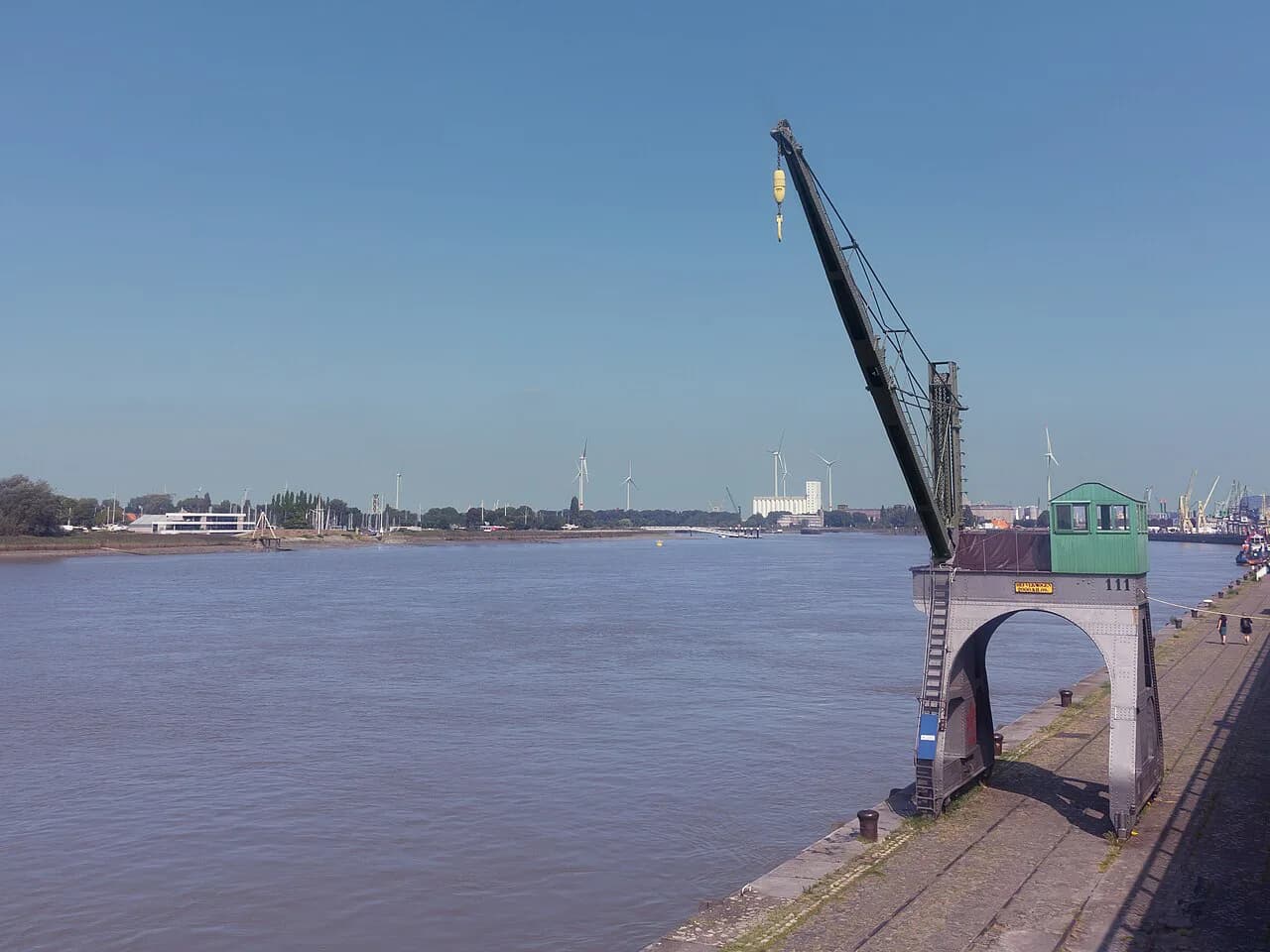
Antwerp itself rewards time on foot in the old centre, where the Scheldt quays and the cathedral remind you how completely the city's fortunes depend on the river. The story of the port is a story of water, and the riverfront is the place to make that connection concrete.
Did Canada liberate Belgium?
The liberation of Belgium in 1944 was an Allied effort, and Canadian forces played a major part in the Scheldt campaign that followed the taking of Antwerp. The First Canadian Army under Simonds carried the bulk of the fighting to open the estuary, with Polish, British and other Allied formations alongside.
In practice, the Canadian contribution to Belgium's liberation is remembered most strongly in the Scheldt fighting and the months that followed, rather than in a single liberation day. Travellers tracing that history often pair the Scheldt story with the battle of the Bulge museum collections in the Ardennes, where the same armies feature again in the winter of 1944 and 1945.
What to read before you go
A short, reliable starting point is the account of the campaign published by Project '44, which covers the terrain, the enemy situation and each of the operations by name. Read it with a map of the Scheldt estuary beside you, and the actions at Breskens, Zuid-Beveland and Walcheren stop blurring into one another.
For a shorter version focused on the Canadian role, the Veterans Affairs Canada teaching material is clear and well structured. Parks Canada's Directory of Federal Heritage Designations is the place to look up how Canadian commemorative sites are formally designated, which is worth doing before you plan a stop.
Should the Scheldt be part of your Antwerp trip?
Yes, if you are interested in the Second World War and want to understand why Antwerp mattered so much: the city's liberation is only half the story, and the Scheldt estuary is the other half. If your time is short, read the campaign account first and then walk the riverfront, where the geography does most of the explaining.
If you are building a longer wartime route through Belgium, the Mardasson memorial at Bastogne and the memorial landscape around Bastogne make a natural complement, and the Ardennes is the obvious place to read the two campaigns together.
Explore more Belgium guides
Frequently Asked Questions
Where was the Battle of the Scheldt fought?
The fighting took place around the Scheldt estuary downstream of Antwerp, in the Breskens Pocket on the south bank, on the Zuid-Beveland peninsula and on Walcheren Island. Much of the ground is in the Netherlands, even though the prize was the Belgian port of Antwerp.
How long did it take to open Antwerp's port?
The campaign ran from September to November 1944. Antwerp was taken in early September, but the estuary approaches remained in German hands for weeks, and the waterway was not cleared until early November, when Allied shipping could finally use the port.
Who fought in the Battle of the Scheldt?
The First Canadian Army under Lieutenant-General Guy Simonds conducted the campaign, with Polish, British and other Allied forces taking part. German forces defended the estuary approaches from fortified positions on the islands and behind the dykes.
Sources
Useful notes for your next trip
Optional updates to our guides.
You might also like
Continue reading
More guides you'll find useful