Ghent Castle: Visiting Gravensteen, the Castle of the Counts
Gravensteen is Ghent's medieval castle of the Counts, right by the Leie in the centre. What is inside, how long the visit takes and how it fits into a day.
On this page
Gravensteen, the Castle of the Counts, is the Ghent castle to put on your short-break list: a walled medieval fortress on Sint-Veerleplein, a few minutes' walk from the Korenmarkt and the Belfry and right over the River Leie. Give it about an hour and a half, and pair it with Patershol next door. This guide covers what the castle is, what you see inside, how long the visit takes and how to fit it into a compact walking day through the centre.
Gravensteen, the Castle of the Counts
Gravensteen sits on Sint-Veerleplein at the western edge of the historic centre, close enough to the Korenmarkt that you can walk between the two in a few minutes. Its towers and crenellated walls hang over the River Leie, which is why the view from the battlements is the one most photographs of Ghent castle are taken for. The castle is the obvious first stop on any plan of things to do in Ghent that starts in the old town.
The present castle dates from 1180, when it was built as the residence of the Counts of Flanders. Count Philip of Alsace modelled it on the fortresses he had seen during the Crusades. For centuries afterwards it served as a courthouse and then a prison for 400 years. Even if you only see the walls from the outside, the scale tells you this was a seat of power, not a decorative folly, and the surrounding lanes are easy to fold into a wander round the old town.
What you see inside Gravensteen
Inside, the visit is built around the castle's life as a fortress and a court. You will see knights' armour and weapons of various kinds, and a torture chamber. The top floor holds a museum of torture devices, which is the part that surprises people most. The visit is not a single grand hall: you move through rooms and up staircases, so allow for a bit of climbing.
Give Gravensteen around ninety minutes if you want to read the displays and walk the walls without rushing. You can see the main rooms in less, but the castle rewards a slower pace because the information panels and the armour collection are the substance of the ticket. Pair it with a wander through the alleys of Patershol next door rather than trying to bolt it onto a museum morning. If you are planning a Ghent walking tour of the centre, the castle is an easy fixed point to build the route around.
The walls, battlements and view over Ghent
The walk along the battlements is the reason to go up rather than just look up. From between the crenellations you get a view over the rooftops and the River Leie, and the castle walls frame the city in a way that street-level views do not. The climb is part of the experience: staircases and narrow passages lead you around the circuit before you reach the open wall walk. For more elevated viewpoints across the city, compare what else is on offer among the best views in Ghent.
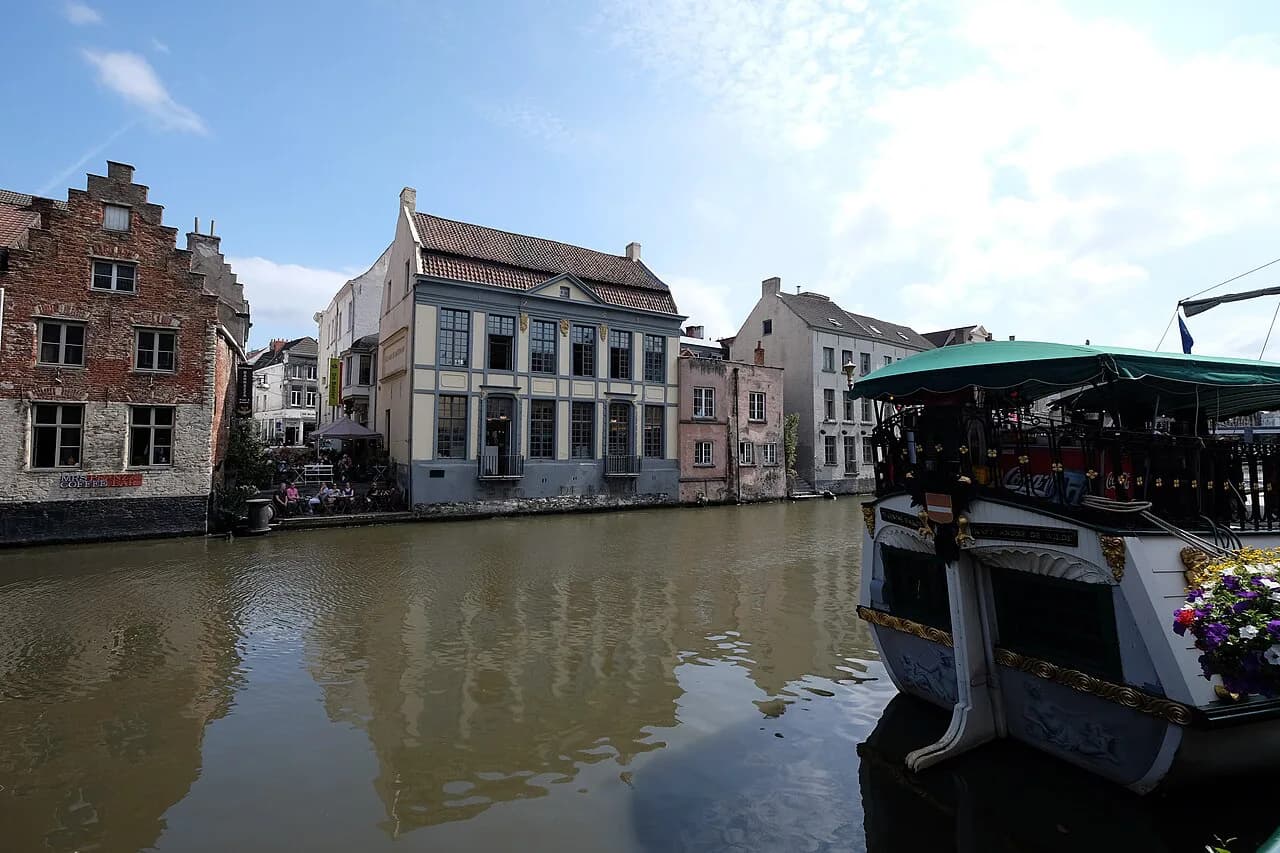
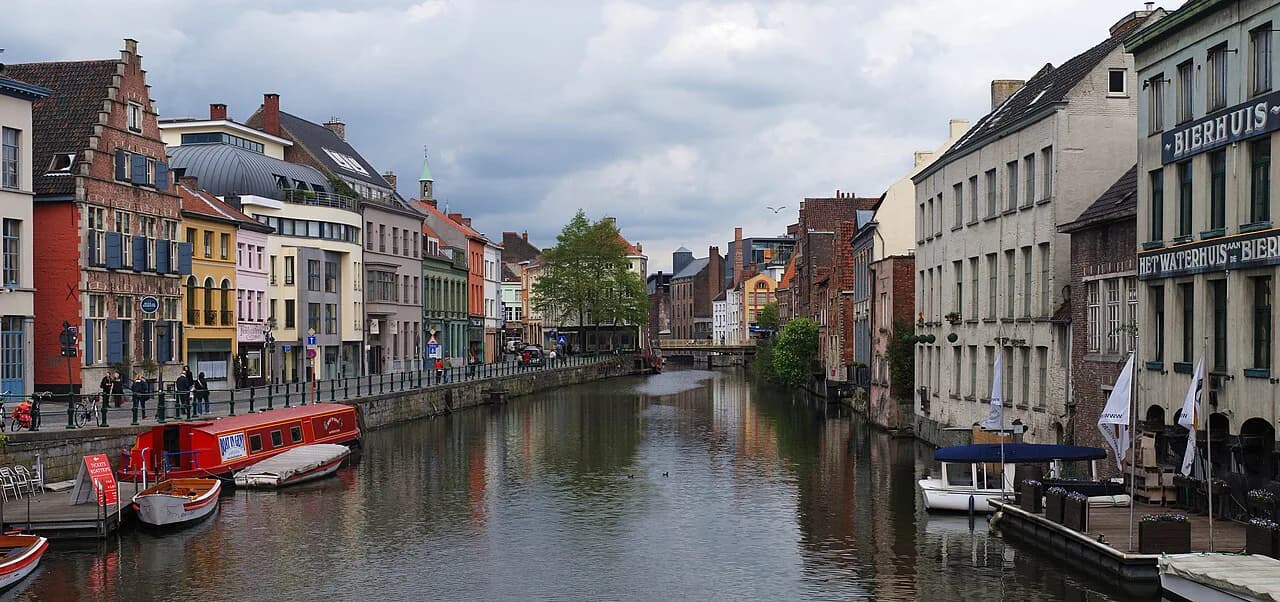
The wall walk also makes the castle a natural stop on a walk along the Leie. From the battlements you can see the quays and the water, and it is a short step from there to the quaysides for a riverside stroll. If you want to see the city from the water as well as the walls, a Ghent boat tour from the nearby quays adds a different angle.
How Gravensteen fits into a day in Ghent
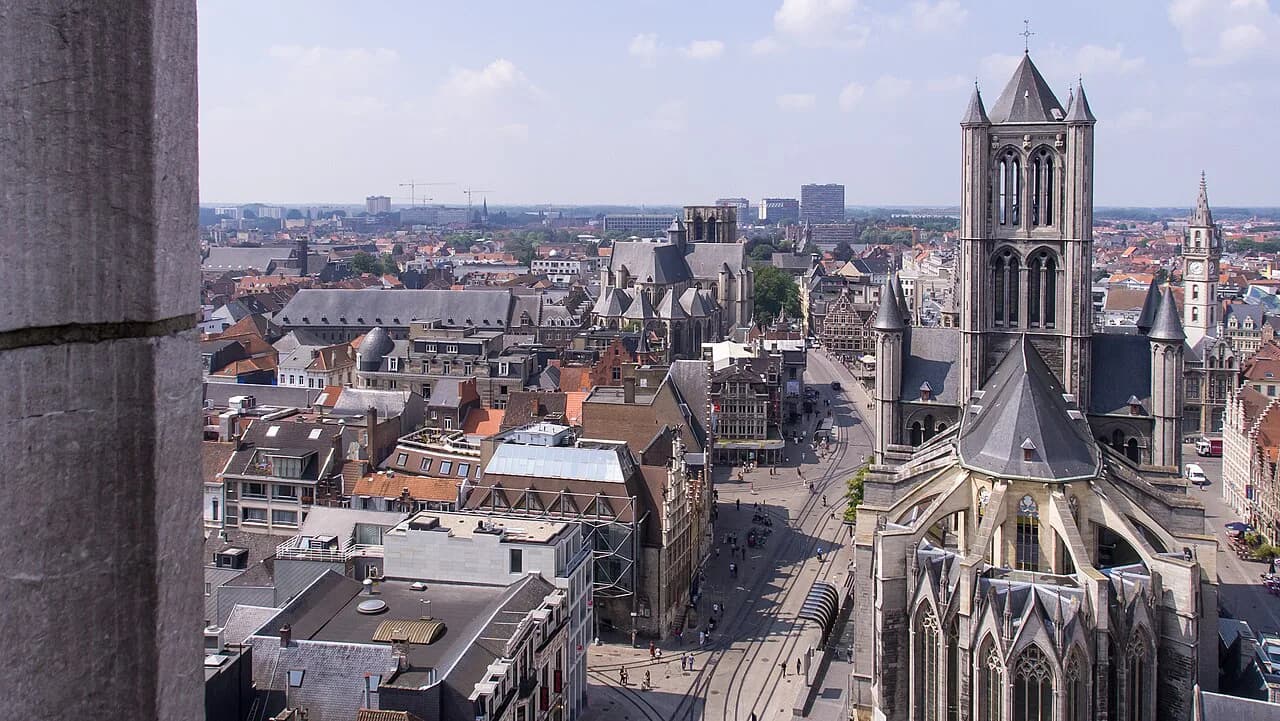
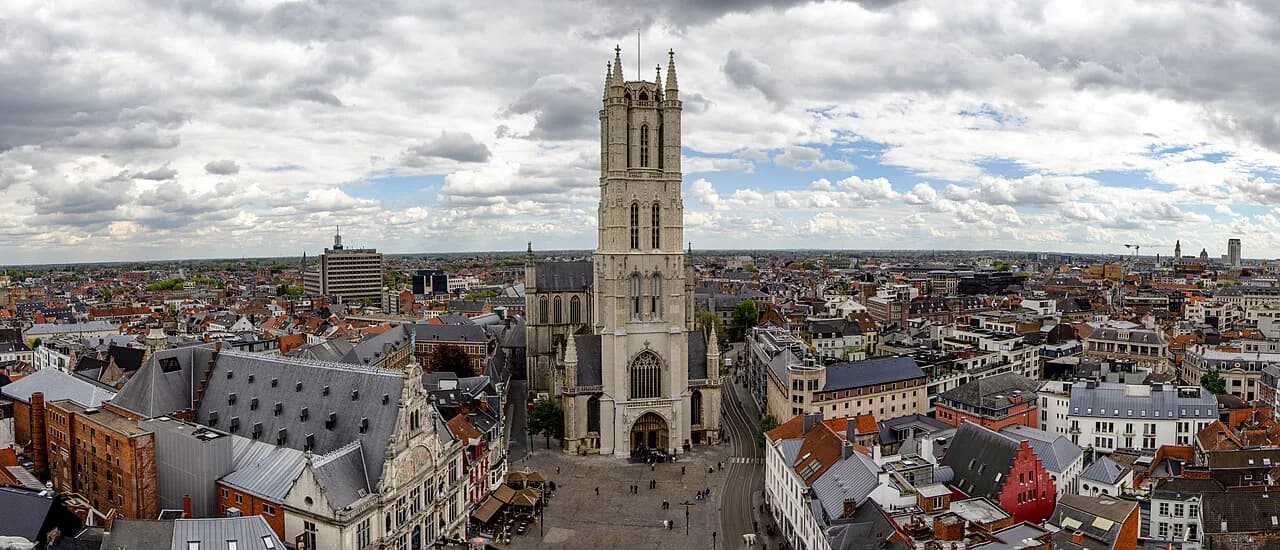
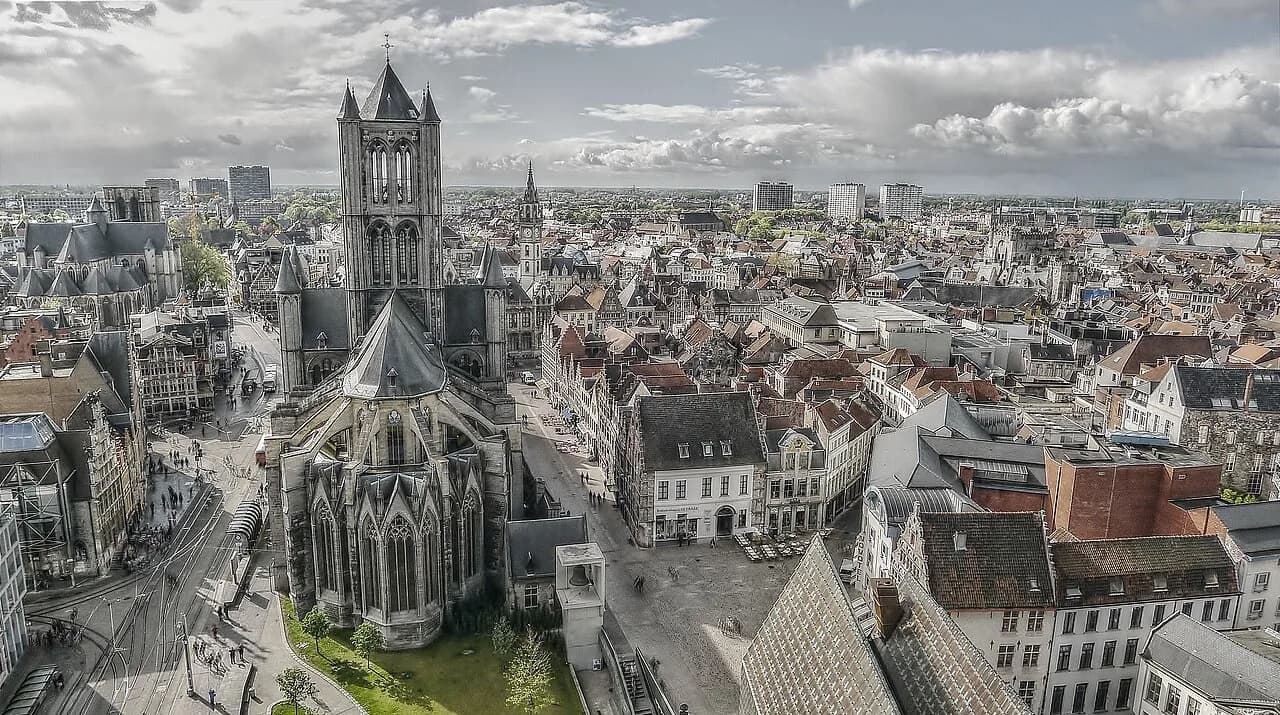
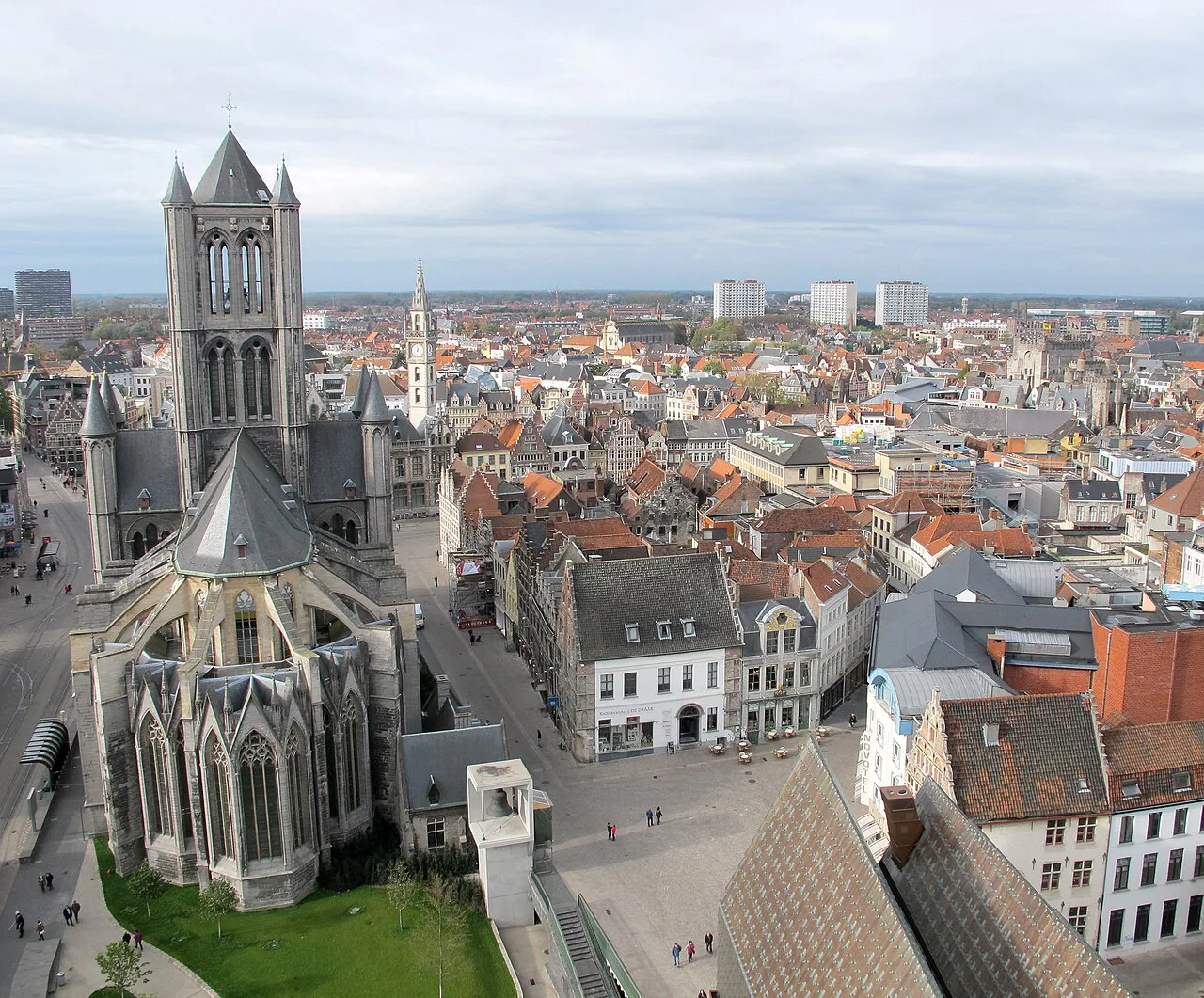
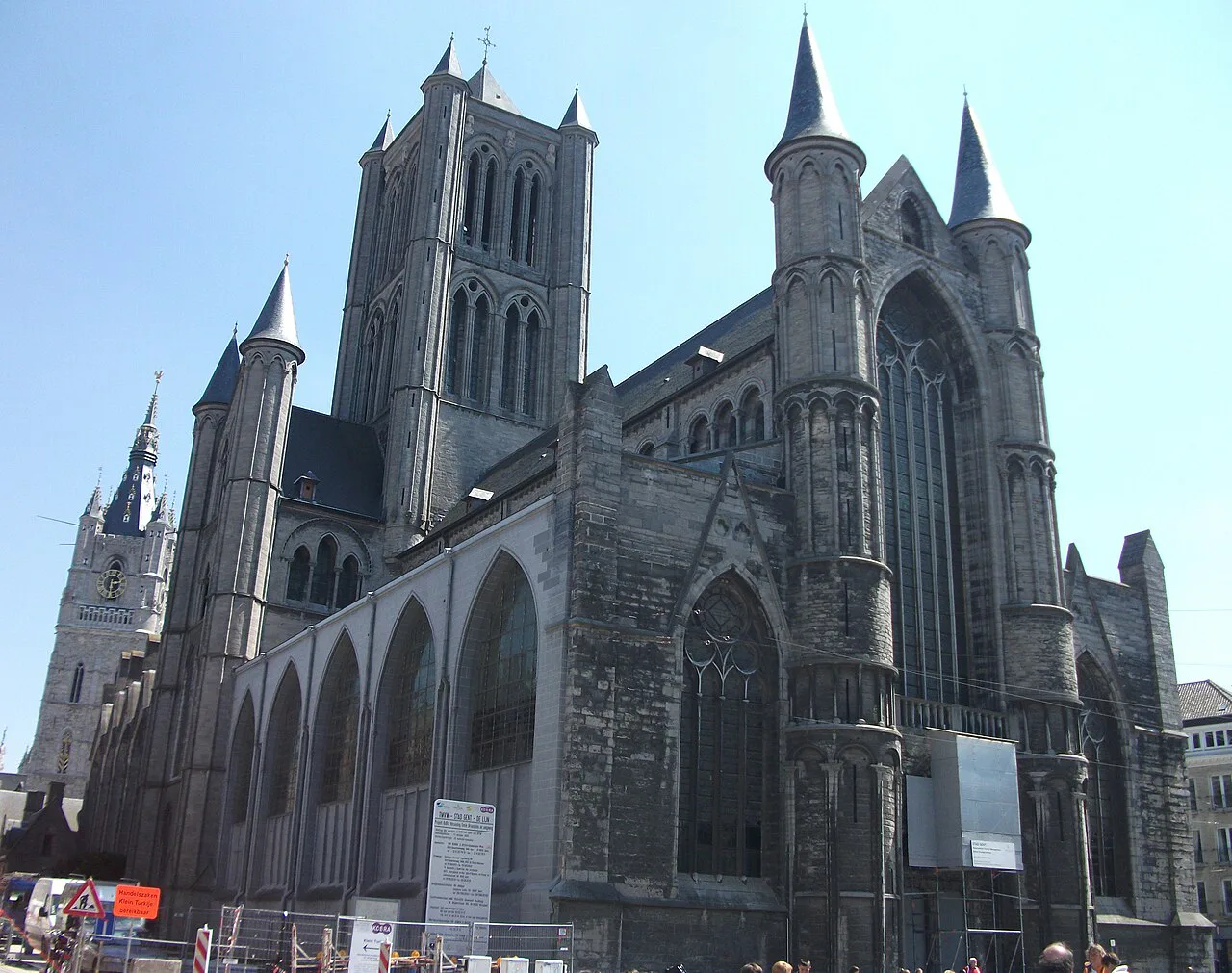
The castle works best as one stop in a compact loop rather than a standalone trip. Start at Sint-Baafsplein for Saint Bavo's Cathedral and the Ghent Altarpiece, walk the short distance to the Belfry on the Korenmarkt, then continue to Sint-Veerleplein for Gravensteen. That sequence keeps you in the historic core and avoids doubling back. The three towers of Ghent — Saint Nicholas Church, the Belfry and Saint Bavo's Cathedral — define the skyline, and Gravensteen sits just outside that trio but within easy walking distance.
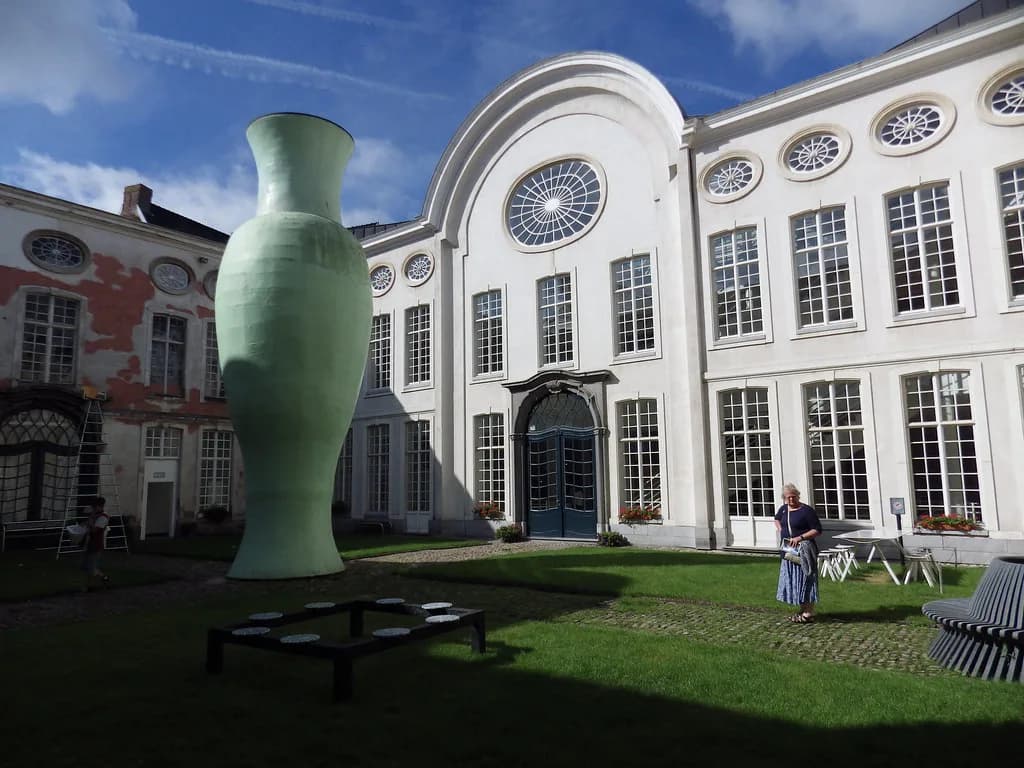
For a two-day break, put the castle and Patershol on one afternoon and the museums on another. The museum quarter holds MSK, SMAK and STAM alongside the Design Museum Ghent, so a single museum morning can absorb a lot of time. The compact centre means you can walk from the castle to the Korenmarkt in a few minutes and still have the evening free. If you are weighing up what to see first, the wider guide to things to do covers the rest of the city's stops.
Gravensteen or the Belfry
Both Gravensteen and the Belfry give you a view over Ghent, but they suit different appetites. The Belfry is a single climb — via a spiral staircase or a lift — with a carillon of 54 bells and views from the tower over the Korenmarkt. Gravensteen is a longer visit with rooms, armour and the torture collection to walk through before you reach the walls. If you only have one tower in you, choose the Belfry for a quick view or Gravensteen for the fuller castle experience.
If you have the time, doing both is not excessive: the Belfry is a short walk from Sint-Veerleplein and the two visits together can fill a morning and early afternoon. The climb up the Belfry's winding staircase is the more physical of the two, while Gravensteen's stairs are broken up by the rooms and displays. Either way, the pair gives you the skyline and the fortress in one loop. If you want to see how the towers sit in the wider picture, Ghent Attractions: 7 Visitor Guides puts the main sights in context.
Patershol next door
Patershol, the old working-class neighbourhood around the castle, is full of winding alleys and cobbled streets. It is the natural next stop after Gravensteen: leave by the castle gate and you are already in its lanes. The atmosphere is quieter than the Korenmarkt, which makes it a good place to slow down after the climb. Walk it as a neighbourhood rather than a checklist, and let the streets take you back towards the centre.
The neighbourhood sits between the castle and the river, so it slots neatly into a loop that takes in the Graslei and Korenlei. If you are building a longer walk, the old town streets and squares around the castle reward a slow half-hour. The lanes are cobbled, so wear shoes you can walk in rather than anything too formal.
Is Gravensteen worth it on a short break?
Yes, if you want a castle rather than a tower. Gravensteen gives you rooms, armour, weapons and the wall walk in one visit, and it sits close enough to the Korenmarkt and Sint-Baafsplein that it costs you only a couple of hours of your day. If you would rather have a quick climb and a view, the Belfry is the lighter option, and doing both is easy on a two-day break. Build the castle into a walking loop with Patershol and the river quays rather than treating it as a separate outing.
Explore more Ghent guides
Frequently Asked Questions
How long does it take to visit Gravensteen?
Allow around ninety minutes for the rooms, the armour and weapons displays, the torture collection and the walk along the battlements. You can move through faster if you skip the displays, but the castle rewards a slower pace because the information panels and collections are the substance of the visit.
Do I need to book Gravensteen tickets in advance?
Tickets are bought through the castle's own channels or the city's visitor information, so check there for current arrangements before you travel. Booking ahead can save time at busy periods, especially at weekends and during the Ghent Festivities, when the city fills up.
Is Gravensteen suitable for children?
The castle has armour, weapons and a torture chamber, which many older children find gripping. The staircases and narrow passages mean younger children need supervision, and the torture displays may not suit every family. It is a compact visit rather than a full day out.
Sources
Useful notes for your next trip
Optional updates to our guides.
You might also like
Continue reading
More guides you'll find useful