
Design Museum Gent: A Visitor's Guide to the Reopened Museum

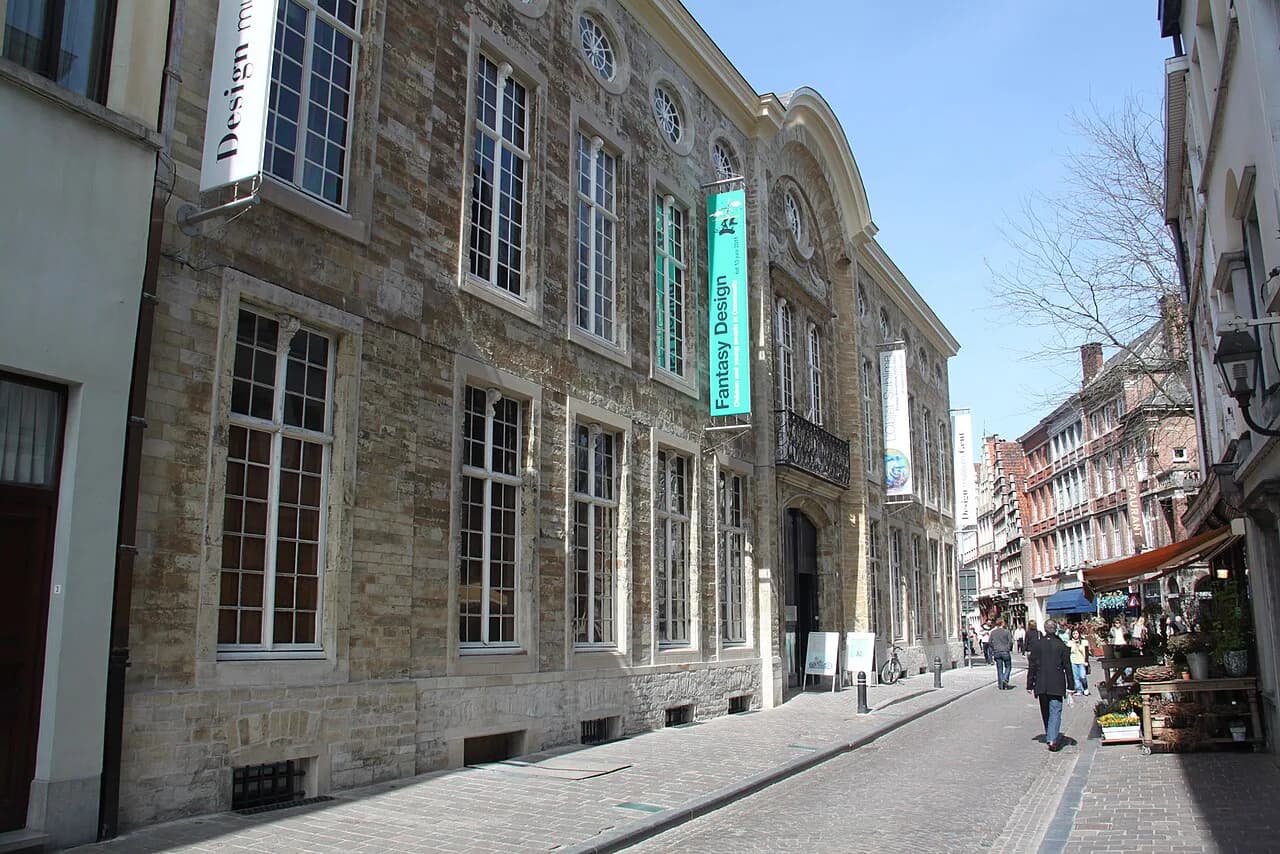
Design Museum Gent is worth two hours of a Ghent city break, and it is the exterior as much as the galleries that earns the time. Belgium's largest design museum reopened on 3 October 2026 after four years of renovation and expansion, adding a new wing beside restored historic interiors in the UNESCO-listed city centre. This guide covers where it sits on Jan Breydelstraat, what the new building and the old mansion each contribute, how the visit unfolds room by room, and how to fit it into a day in Ghent.
The museum suits travellers curious about objects and buildings rather than those after a single-period decorative arts display; its collection runs from the fourteenth century to the present. If you want the wider context of the city first, the Ghent attractions guide maps the other sights within walking distance.
What Design Museum Gent is and why it reopened in 2026
This is a design museum that sets out to be used, not only viewed. The reopened building adds rooms for lectures, workshops, exhibitions and events, framing design as something visitors can engage with directly, and a panel of forty Ghent residents helped shape that aim during the planning.
The project was won in 2019 by London practice Carmody Groarke with Ghent firm ATAMA, then working as TRANS architectuur | stedenbouw, while RE-ST architectenvennootschap led the restoration of the historic buildings. Four years of work followed before the reopening, so what you see is a refurbished ensemble rather than a single new gallery.
Where the museum is: Jan Breydelstraat in Ghent's historic centre
The historic core of the museum is the Hotel de Coninck, an eighteenth-century rococo mansion at Jan Breydelstraat 5-7, a short walk from the Graslei and Korenlei quays. Coming from the river, you approach through the same low-rise streetscape of guild houses and merchant homes that the new wing's architects took their scale from, which is why the building sits so quietly in its surroundings.
Everything is on foot: Ghent's centre is compact, and the museum works naturally as one stop between the quays and the cluster of towers around the belfry. Set the museum in the middle of a loop through the centre rather than treating it as a separate excursion.
The new wing by Carmody Groarke and ATAMA, and the Gent Waste Brick facade
Look up before you go in. The new wing's brick dimensions match those of the Hotel de Coninck, its light tone relates to the houses along Drabstraat, and the composition borrows the scale of Ghent's traditional guild houses and merchant homes.
The facade is built from Gent Waste Brick, a lime-cured brick made from locally sourced municipal waste rather than fired in a kiln, and more than 82,000 were produced locally at Het Arsenaal in Ghent. That is the detail to carry with you through the galleries: the outside of the museum is part of the collection's argument about reuse.
The historic core: Hotel de Coninck, the Leten House and the garden courtyard
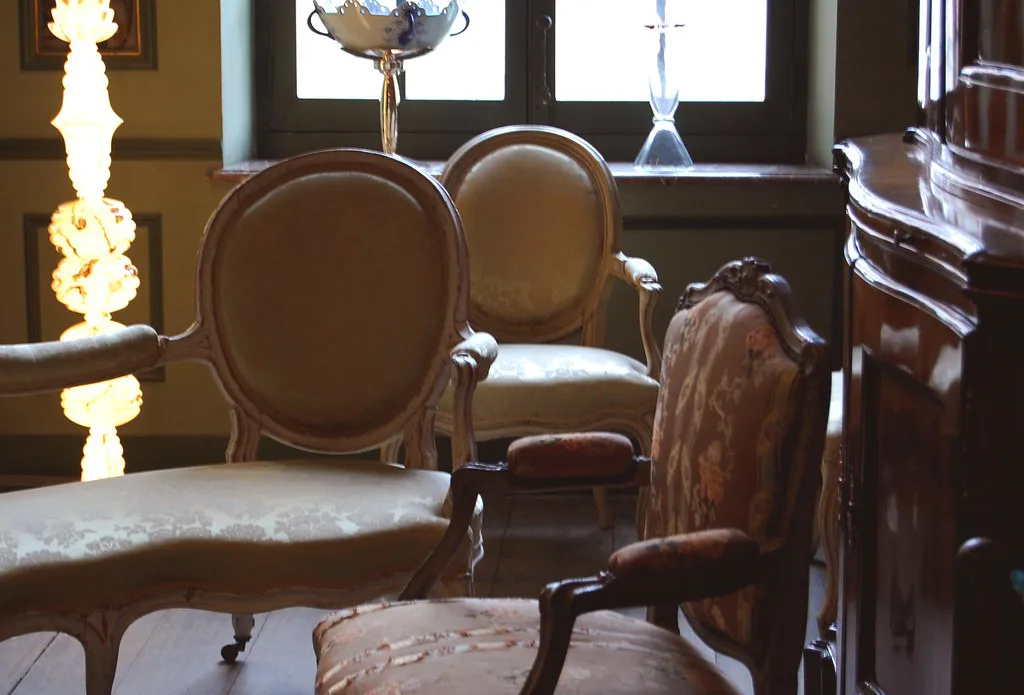
Before the renovation the museum occupied three buildings: the Hotel de Coninck, the Leten House with a sixteenth-century core, and a wing from 1992. Historic interiors have been restored while later additions were adapted for more space and better climate control, so the old and the newer fabric now read as one continuous visit.
The courtyard was long organised around a neglected southern passage and an unused plot at the centre of the site; the new wing closes the gap so the courtyard can function fully as a garden. It now serves as the museum's heart and as the point from which visitors orient themselves, which changes how you move through the building.
What to see inside: the collection from the fourteenth century to today
The collection spans design objects from the fourteenth century to the present, so expect to move between centuries rather than settle into one period. That range is the trade-off: visitors wanting a tightly focused decorative arts house may find it diffuse, while anyone interested in how objects are made and used will find plenty to hold attention.
The museum's programme lists the temporary exhibitions running alongside the permanent collection, and a single ticket covers both.
The visitor route through the six zones, from the basement to the fourth-floor Loft
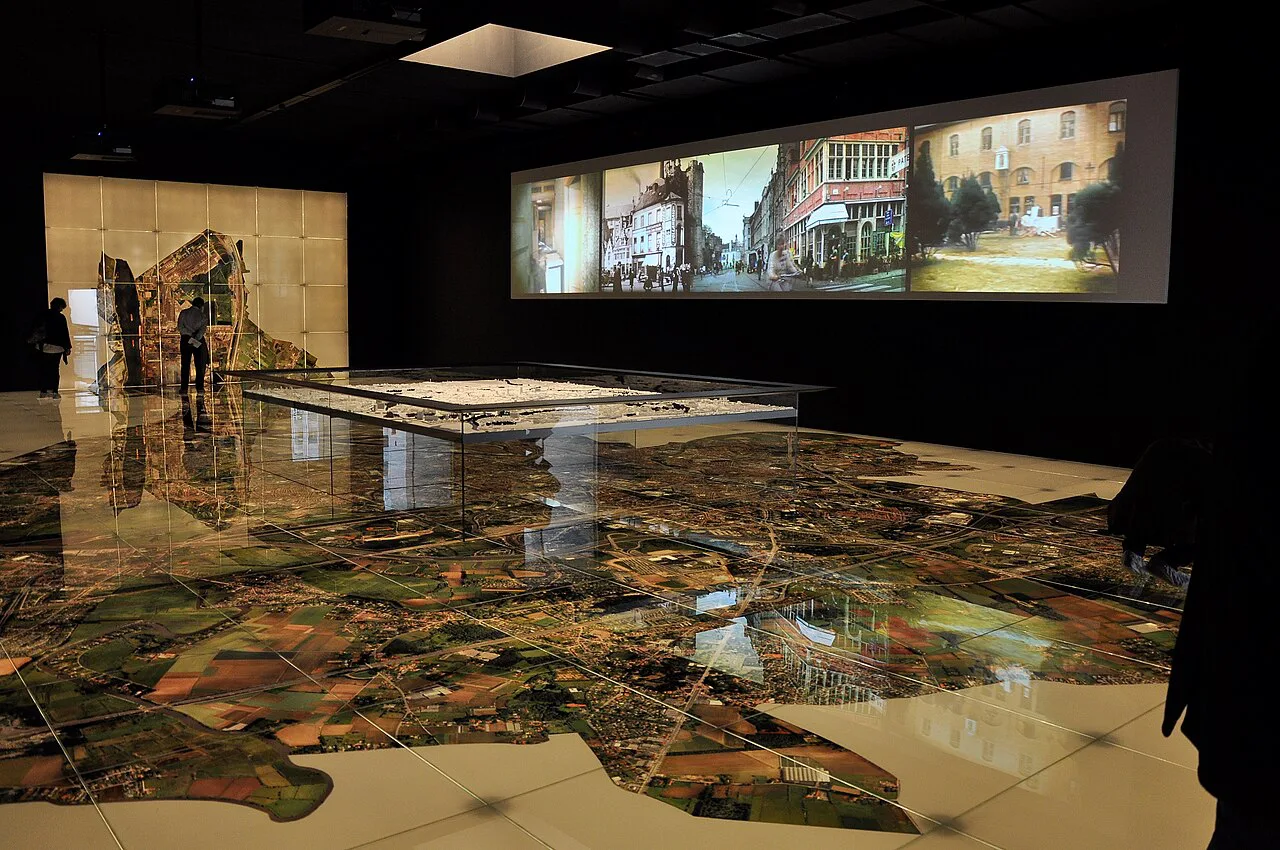
The new wing ties the existing buildings into a single route divided into six zones built around three principles: welcoming, open and adaptable. It starts at basement level, where an art-handling area gives a view into the museum's behind-the-scenes operations — a slow, quiet opening that is easy to rush past.
From there the route climbs through the Stadskamer, which holds reception and the shop, then the Forum for lectures, the Atelier for workshops and the Vitrine for temporary exhibitions. Because the sequence is fixed, do not save the temporary show for later in the way you might in a looser museum layout.
The route ends with the Loft on the fourth floor, an event space with a view over Ghent. If it is open when you visit, it is the one place in the museum where the city itself becomes part of the display, and a natural full stop before you head back out to the quays.
Tickets, opening times and booking
Tickets are sold online through the museum's own ticket page, and admission covers the permanent collection as well as the temporary exhibitions. It is worth buying before you travel and confirming the day's opening times on the same page.
Opening hours are not fixed for the long term, so check the museum's ticket page close to your visit date and build the rest of your day around your booking.
How long to allow and when to go
Our suggestion is to allow two hours for the route from the art-handling basement to the Loft at an unhurried pace, or ninety minutes if you move briskly through the temporary show. Add fifteen minutes for the facade and courtyard, since both are part of what the renovation was for.
Because the route is a single directed sequence, going at a steadier pace through the basement and Stadskamer works better than rushing them, and pairing the museum with a later walk along the water makes for a fuller half-day.
What is nearby in Ghent's historic centre
The museum sits within easy walking distance of the Graslei and Korenlei, the Ghent belfry and Saint Nicholas' Church (Sint-Niklaaskerk), Ghent, so you can string together a half-day of architecture without transport. Choose two of them rather than all three if you have already spent two hours in the design museum.
For a wider art fix, MSK Ghent (Museum voor Schone Kunsten) and STAM Ghent City Museum sit outside the immediate riverside cluster and work better as a separate half-day. If you are still shaping the trip, the broader list of things to do in Ghent helps you decide what to drop.

Is the design museum worth two hours of your Ghent trip?
Yes, if you care how things are made and how buildings are remade. The pairing of restored rococo rooms with a locally sourced brick wing, joined by a courtyard that now works as the museum's garden heart, gives you something a single-period collection cannot.
Build the visit around a booked slot, allow two hours, and walk out towards the quays afterwards. If your interests run to painting or the city's medieval history instead, put the time into the MSK Gent or the Prinsenhof, Ghent and come back to design another trip.
Frequently Asked Questions
Do I need to book Design Museum Gent tickets in advance?
Tickets can be bought online through the museum's ticket page, and one ticket covers the permanent collection and the temporary exhibitions. Buying in advance lets you check the day's opening times before you travel.
How long does a visit to Design Museum Gent take?
Our suggestion is to allow about two hours for the full six-zone route from the basement art-handling area to the fourth-floor Loft, plus a little time for the facade and courtyard. A brisk visit through the temporary exhibition fits into ninety minutes.