
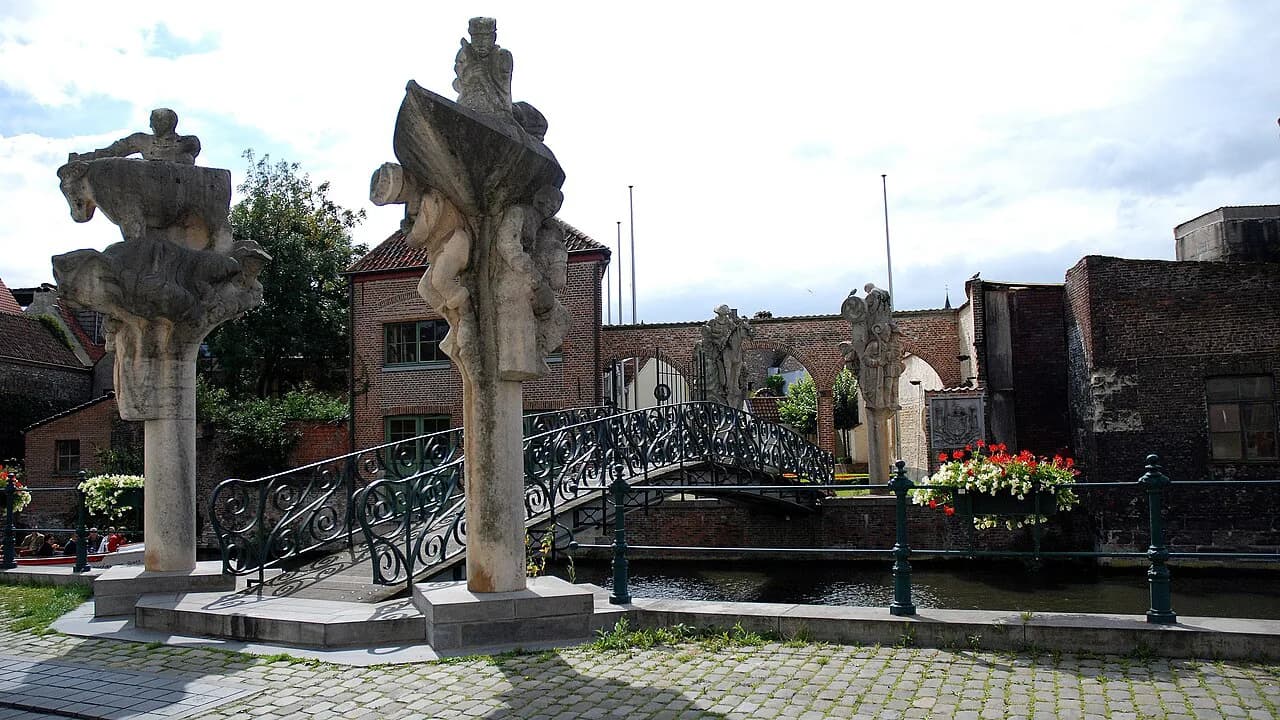
Patershol, Ghent: The Castle Quarter Around Gravensteen

Patershol is not an attraction with a ticket desk: it is the old working-class neighbourhood of Ghent that wraps around the Castle of the Counts (Gravensteen), full of winding alleys and cobbled streets. Give it an hour on foot, pair it with the castle, and treat it as atmospheric wandering rather than a half-day of sightseeing.
This guide covers where Patershol sits in the city, how to walk there from Korenmarkt, what to see around the castle and how to fit it into a one-, two- or three-day trip.
Where Patershol sits in Ghent
Patershol lies in the historic core of Ghent around the Castle of the Counts, with winding alleys and cobbled streets giving it a slightly bohemian atmosphere. It is the old working-class neighbourhood around the castle, and the lanes are the reason to wander rather than rush.
The city itself is compact enough to explore on foot, which is the reason a quarter like this works as a stroll rather than a destination in its own right. Ghent sits at the confluence of the Scheldt and Leie, and that riverside geography is what shapes the lanes you walk here.
Orientation is simple: find Gravensteen, stand on Sint-Veerleplein outside it, and the streets of Patershol spread around the castle. If you are coming from the station, plan to arrive in the centre first and walk from there rather than trying to approach the castle quarter directly.
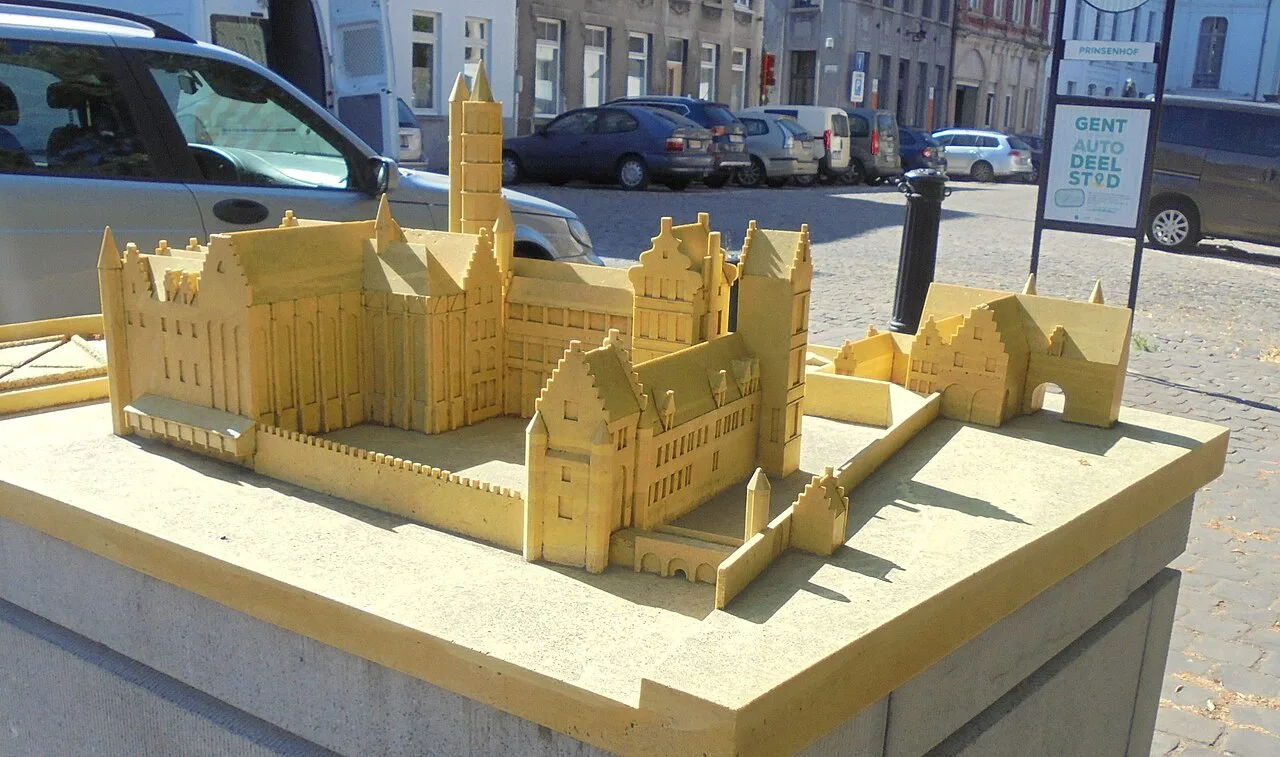

Getting there from Korenmarkt and the Belfry
Korenmarkt is the natural starting point. From the square, the Ghent belfry rises overhead and the walk through the surrounding streets towards the castle takes only a few minutes on foot, which makes Patershol an easy add-on to the morning's sightseeing.
The route is best done as a loop: Korenmarkt to Sint-Baafsplein, past Saint Nicholas' Church, down to the Leie at Graslei and Korenlei, then across to Sint-Veerleplein and into Patershol around the castle. That sequence strings the headline sights together without backtracking.
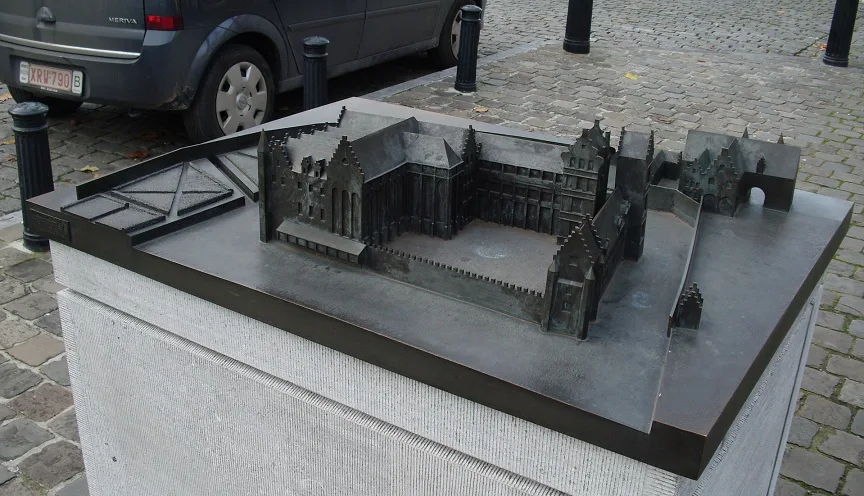

The Counts of Flanders and the castle quarter
The castle quarter's history is bound up with the Counts of Flanders and their castle. The current castle dates to 1180, when it was the residence of the Counts of Flanders, and it later served as a courthouse and a prison for four centuries.
The castle is where that history is displayed: inside you see knights' armour, weapons and a torture chamber, and the battlements give a view over the city. Patershol is the surrounding quarter that grew up in the castle's orbit, so read the story at Gravensteen and then walk the streets around it.
Walking the neighbourhood
Patershol rewards a slow lap rather than a checklist. Expect narrow cobbled lanes, winding alleys and the castle walls as a constant reference point. An hour is enough to wander, sit for a coffee and come back out towards Sint-Veerleplein.
The neighbourhood has the strongest atmosphere when you let it lead: a slightly bohemian old quarter of winding alleys and cobbled streets that is a wonderful place simply to wander. Combine it with the castle visit and you have a comfortable two-hour block at walking pace.
For a different flavour of the same medieval centre, the graffiti alley at Werregarenstraatje is a short walk away, with young street artists displaying their work along the passage. It pairs naturally with a castle-quarter loop before you head back towards the squares.
Gravensteen at the centre
Patershol is the old working-class district around the castle, and it is the reason to linger after Gravensteen rather than turning straight back to the centre. Its alleys and cobbles make it the most rewarding patch of the historic core for an unhurried walk.
Walking between the castle and the surrounding lanes puts you in the same old quarter throughout, so there is no need to choose between them: treat the visit as one continuous wander with Gravensteen at the middle.
Nearby sights to pair with Patershol
Gravensteen at Sint-Veerleplein is the anchor. On the same walk you can take in the three towers of Ghent, with Saint Nicholas' Church, the Belfry and Saint Bavo's Cathedral defining the skyline, and the cathedral holds Jan van Eyck's Ghent Altarpiece, completed in 1432 and restored to its colours.
Ghent's museum quarter, with MSK, SMAK and STAM, is a tram or a longer walk from the castle quarter, so save it for a separate block of the day rather than folding it into the castle loop. If modern art is your priority, SMAK and the design museum reward a dedicated slot.
For city history rather than art, STAM tells the story of Ghent's growth from industrial city to its present cultural scene, a useful counterweight to the medieval streets you have just walked.
Fitting Patershol into a one-, two- or three-day trip
One day in Ghent: do the towers and the cathedral in the morning, cross to Graslei and Korenlei, then finish with Gravensteen and Patershol in the late afternoon when the lanes are quieter. Two days: add the museums on the second day and keep the castle quarter for a relaxed evening walk. Three days: repeat the castle quarter early in the morning for a different light and fewer people.
The city makes a straightforward weekend from London, with a Eurostar to Brussels followed by a local train to Ghent taking about two hours fifty minutes in total. That timing makes Ghent practical for a two-night trip built around the historic centre.
Honest trade-offs
Patershol has few set-piece sights of its own: no ticketed museum, no single monument to queue for. What it offers is atmosphere, the sense of an old quarter wrapped around the castle, and the freedom to walk without a plan. If you want a checklist of paid attractions, give it half an hour and move on.
The best value comes from pairing it with Gravensteen, where the armour, weapons and battlements views deliver the substance. Before you set out, confirm the castle's current ticket details and visiting times.
Is Patershol worth the detour?
Yes, but as an hour, not a half-day. Walk it in combination with Gravensteen, start from Korenmarkt, and use it to slow down between the bigger sights of the centre.
If your trip has room for only one walk in Ghent, make it the loop from the towers to Graslei and back through the castle quarter; Patershol is part of that route rather than a separate outing.
Explore more Ghent guides
Frequently Asked Questions
Is Patershol a museum?
No. Patershol is the old working-class neighbourhood of Ghent around the Castle of the Counts, made up of streets and lanes you walk through rather than a ticketed building. The castle itself is the place with an entrance and displays.
How long do you need in Patershol?
About an hour on foot is enough to wander the lanes and sit for a coffee. If you add the castle visit, allow roughly two hours before heading back to Sint-Veerleplein or Korenmarkt.