
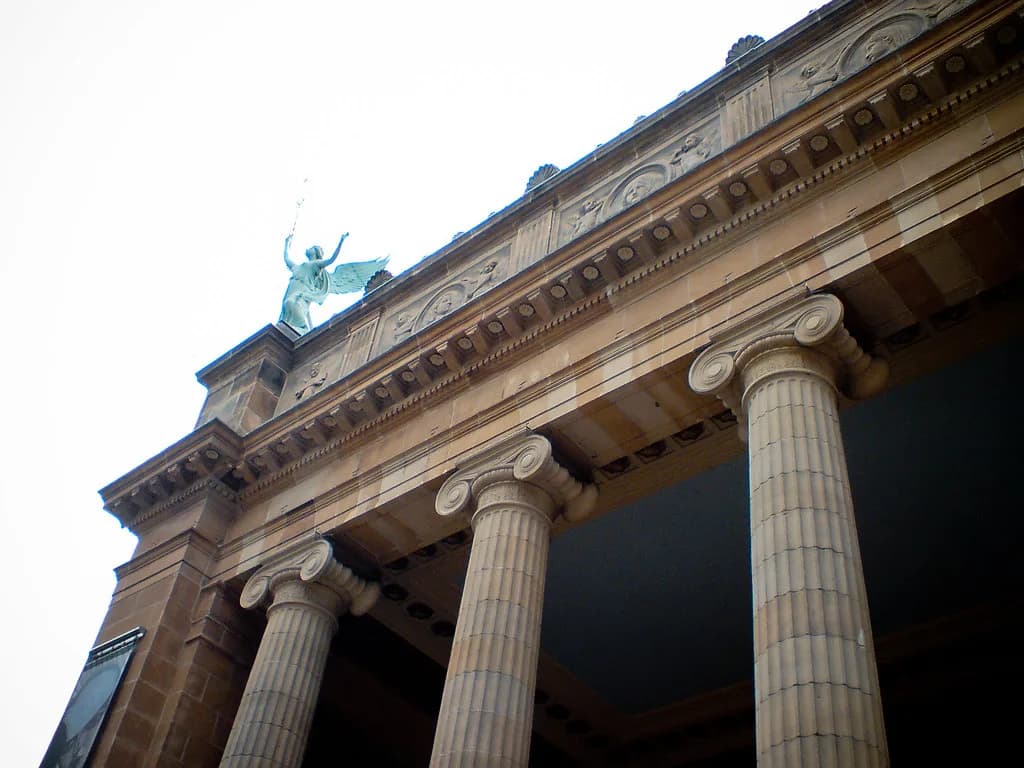
MSK Ghent (Museum voor Schone Kunsten): what to see and how long to allow
The MSK is Ghent's museum of fine art, and one of its strongest draws is the Ghent Altarpiece: seven of its panels are being restored in the museum itself, in view of visitors, until 31.12.26. Give it two to three hours if you want the collection and the restoration room, and add half an hour for Citadel Park outside. This guide covers where the museum sits, the art inside, the audio tours and how to pace an afternoon there.
The museum is north of the old centre, at Fernand Scribedreef 1 on the edge of Citadel Park, an easy walk from the station side of town rather than from the Graslei and Korenlei. Plan it as a single destination rather than a stop slotted between squares: the building and the park belong together, and the collection rewards unhurried time.
What the MSK is and what it holds
The Museum voor Schone Kunsten is Belgium's oldest museum, and its permanent collection runs across 600 years of art, from medieval panels through to nineteenth-century painting. Highlights hang alongside temporary exhibitions, and the whole is served by an audio guide rather than a fixed route. If you see one museum in Ghent, this is the one built around painting.
During the Gentse Feesten, the city's ten-day festival, entry is free for residents of Ghent itself, and the museum positions itself as a quiet stop between the festivities. The city tourist office lists the MSK among Ghent's twelve museums, which is a useful cross-check when you are comparing options.
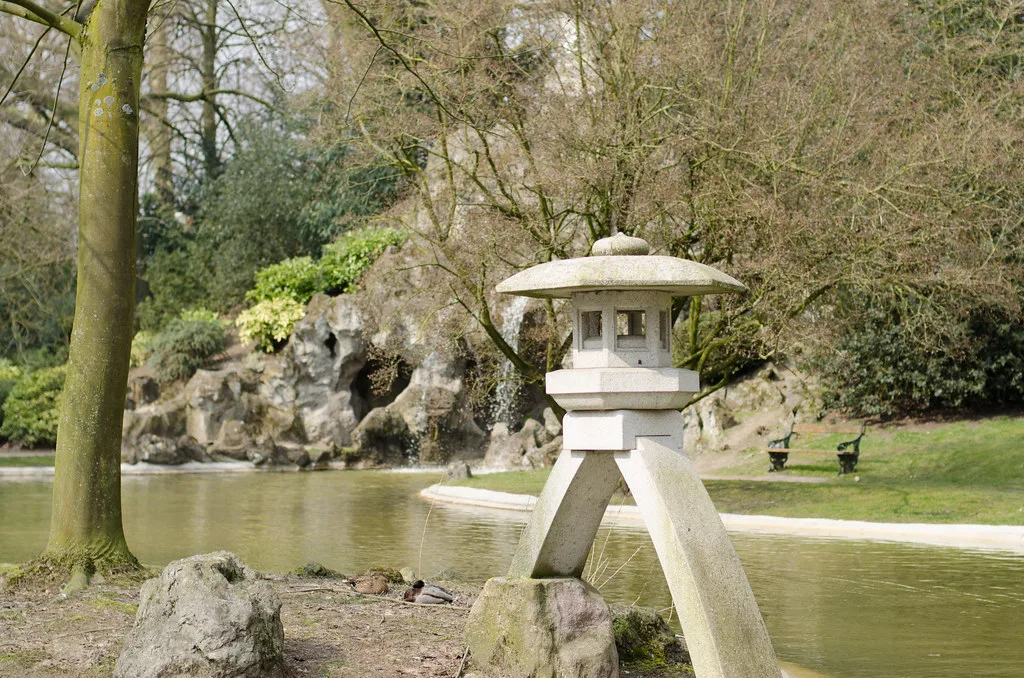
Where the MSK is and how to reach it: Fernand Scribedreef 1, at Citadel Park
The address is Fernand Scribedreef 1, 9000 Gent, and the museum's phone number is +32 (0)9 323 67 00. It sits in Citadel Park, north-east of the medieval core, well away from the Markt and the Belfort. From the historic centre, count on a walk of roughly half an hour, or a short tram ride towards the station area, depending on where you start.
Because the museum is outside the tight knot of streets around the Graslei, it rarely fits neatly into a morning of sightseeing. The practical approach is to give it its own block of time and pair it with the park rather than with the centre. Walkers coming from the quays should treat the museum as the far end of a city walk, not a detour in the middle of one.
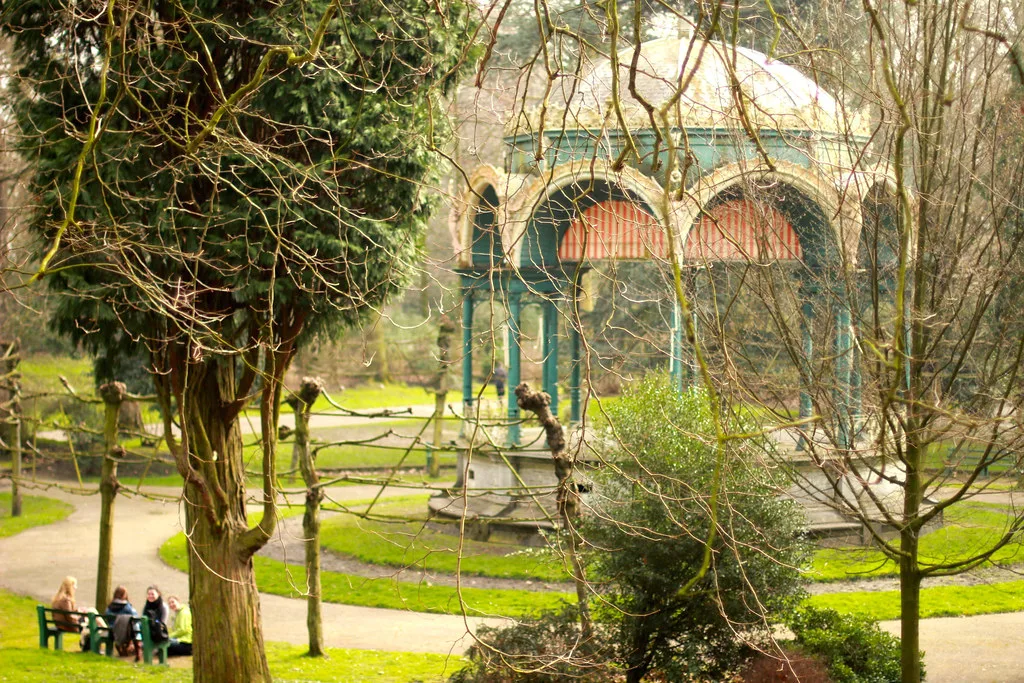
The building and Citadel Park setting
The MSK is a large, purpose-built museum, and its scale shapes the visit: the galleries are wide and the collection is spread across a floor plan rather than compressed into a few rooms. Citadel Park is the immediate garden, with its own history and a close link to the museum's origins. That pairing means a visit can be two things at once, art indoors and a walk under trees outside.
The museum laid on a guided walk through Citadel Park lasting one and a half hours, scheduled during the Gentse Feesten and marked sold out on the museum's own page. The walk shows the park is worth more than a transit corridor between tram stops. On a self-guided visit, a slow loop of the park before or after the galleries gives the museum a proper setting.
What to see inside: 600 years of art across the permanent collection
The permanent collection is the backbone of the museum and is described as exploring 600 years of art, with an audio guide built around fixed stops. That structure suits a first visit: follow the numbered stops, then return to whatever you liked rather than trying to see every room. The audio tour also has several in-depth themes, so you can shape it to your interests.
The collection hangs alongside temporary exhibitions, and an activity card for the Jenny Montigny exhibition is on the museum's programme. These change with the season, so build your plan around the permanent collection and treat whatever exhibition is on as a bonus. For an overview of how the MSK sits with the rest of the city's sights, the wider Ghent Attractions collection is the place to start.
The Ghent Altarpiece restoration, live in the museum until the end of 2026
Since 2023, seven panels of the Ghent Altarpiece have been under restoration in the heart of the MSK, and the museum says the work continues until 31.12.26. During the week, you can watch the restorers of the Royal Institute of Art Heritage at work. This is the museum's strongest single draw if you are deciding how to spend a museum slot in Ghent.
Seeing conservation in progress, rather than a finished panel behind glass, is a different experience from any other altarpiece viewing in the city. If the Altarpiece is your priority, go to the restoration room first and let the rest of the collection fill the time you have left.
Audio guides: the permanent collection tour and the children's version
Two audio guides are always available: one for the permanent collection and a separate version for children. The adult tour, with its deeper themes, is the better tool for a collection spread over six centuries. The children's guide is the way to keep a family moving through the galleries without turning the visit into a lesson.
Access support: tactile plates for blind and visually impaired visitors
Tactile plates for blind and visually impaired visitors are always available at the MSK, alongside an audio description theme in the permanent collection tour. That combination makes the museum more workable than most painting galleries for visitors who cannot rely on sight alone. Accessible visit options are grouped on the museum's own visit pages, which is where to confirm what is offered on the day you go.
How long to allow and how to pace a visit
Budget two to three hours for the collection and the restoration room combined. If the Altarpiece is your main aim, give the restoration a good twenty minutes and then work through the permanent collection via the audio tour, which is where most of the time goes. If you are seeing the city in one weekend, an hour in the galleries is the trade-off that still leaves the afternoon free.
The room to linger is the park, so build the walk into the visit rather than adding it as an afterthought. In fine weather, half an hour under the trees either side of the museum softens a heavy art day. If your time in Ghent is short, save the centre's squares for another morning and give the MSK the whole afternoon.
Tickets and free entry for Ghent residents during the Gentse Feesten
The museum describes free entry for inhabitants of Ghent during the Gentse Feesten, the city's ten-day festival. That concession applies to residents of Ghent, not to visitors from elsewhere, so plan and pay as normal unless you live in the city. Tickets are handled on the museum's own ticket page.
The festival dates on the museum's page, 19 to 27 July in 2025, are a record of that year's edition and not a calendar for your trip. Travelling during the Gentse Feesten in a later year means the resident concession runs to someone else's festival dates, so treat it as a timing consideration, not a general discount.
When the museum is busiest and how the Gentse Feesten changes a visit
The MSK positions itself as a moment of rest during the Gentse Feesten, which says a good deal about the city during those ten days: the streets are busy and the museum is the quiet alternative. If you want calm in early summer, the festival period is the time to head for Citadel Park rather than the Markt. Outside the festival, the museum is one stop among many on a city itinerary.
For the centre's other sights, timing matters too. The Ghent belfry is a short climb that pairs well with an early start, and Saint Nicholas' Church, Ghent, is best seen before the crowds gather around the squares. The MSK gives you the reverse: a quieter afternoon away from the busiest streets.
Nearby: what else to pair with a Citadel Park visit
Citadel Park is the obvious pairing and makes the museum an afternoon rather than a quick stop. For a second museum in the same outing, the nearby S.M.A.K. for contemporary art sits beside the MSK in the same park, and the city tourist office lists both among Ghent's museums. Keep the two as alternatives or split the day between them rather than planning both in one morning.
In the historic centre, the Graslei and Korenlei quays are the classic walk and a natural end to a day that began at the MSK. Those streets are also where you will find the city's liveliest crowds, so the contrast with the park is part of the appeal. For the museum in the round, see how it sits alongside the belfry, the churches and the quays.
Is the MSK worth an afternoon in Ghent?
Yes, if you want painting rather than architecture, and particularly while the Ghent Altarpiece is being restored in the building. The trade-off is location: the museum sits in Citadel Park, away from the Markt and the belfry, so it uses up an afternoon rather than fitting into a gap. Give it two to three hours, take the audio guide and leave time for the park.
Shape the day around the museum's geography: a morning on the Graslei and in the centre, then the MSK and Citadel Park in the afternoon. If your trip is short and architecture is the priority, the belfry and the churches will fill the time instead.
Explore more Ghent guides
Frequently Asked Questions
Was Harry Potter filmed in Ghent?
Ghent's medieval streets are often mistaken for Harry Potter locations, but there is no film-site link at the MSK or in the city's main squares worth building a visit around. Come for the Altarpiece, the belfry and the quays instead of for a film trail.
What is Ghent best known for?
Ghent is known for the Ghent Altarpiece, its medieval centre and the Graslei and Korenlei quays. The MSK adds the chance to see panels of the Altarpiece undergoing restoration in the museum until 31.12.26. The rest of the city's sights fit around that.