
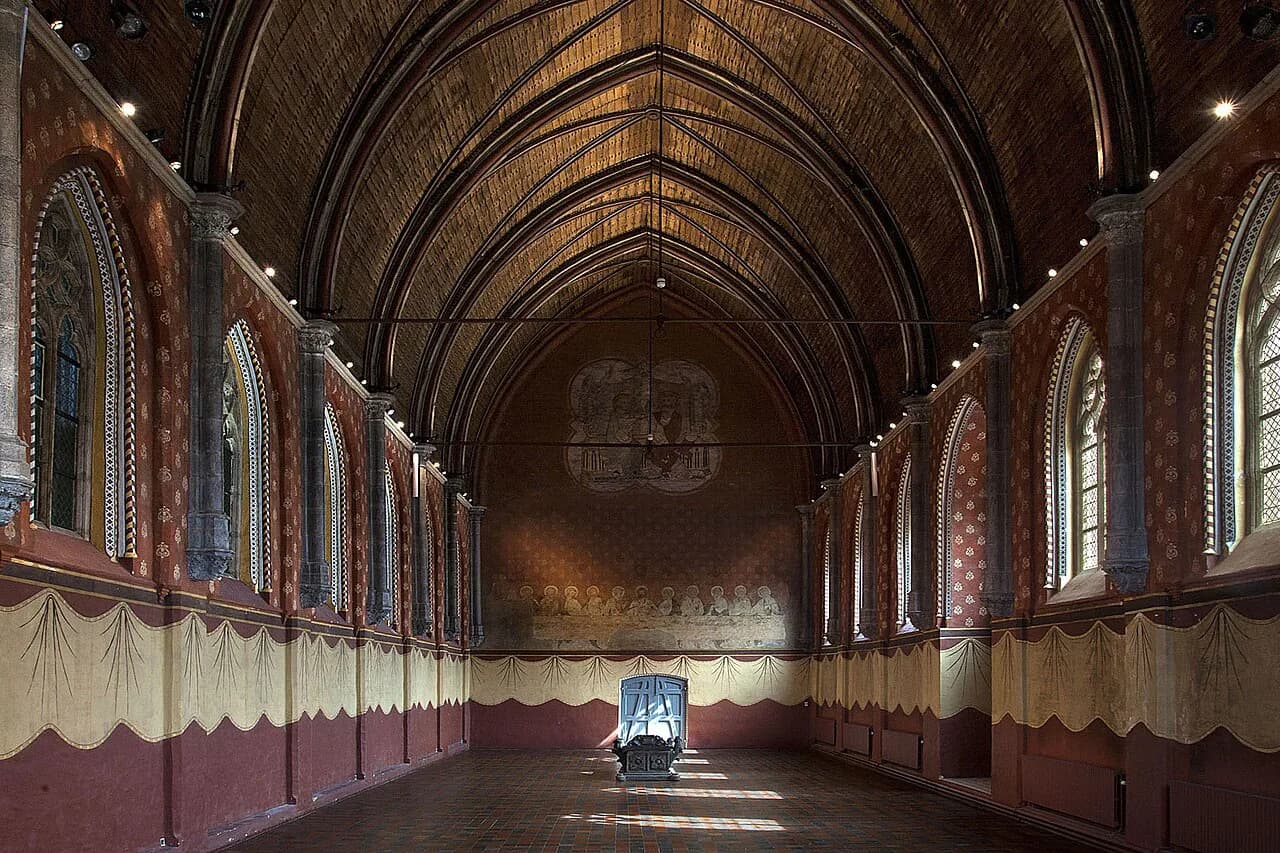
STAM Ghent City Museum: A Visitor's Guide to the City Museum

STAM is worth an hour or two at the start of a Ghent (Gent) trip. The city museum builds its permanent exhibition around an enormous aerial photograph of present-day Ghent, then runs a chronological route of objects and multimedia that explains how the city grew into what you are about to walk through. This guide covers where the museum sits, what is inside, how the free museum square differs from the ticketed galleries and how to fit STAM into one to four days in the city.
The building is on the Bijlokesite, south of the historic core, so the visit works best as a deliberate stop rather than something you stumble across between the Graslei and the belfry. Treat it as orientation first and sightseeing second.
What STAM is and why it earns a place in a short trip
STAM is Ghent's city museum, and what sets it apart is that its centrepiece is not a single treasure behind glass. The city itself, and the people who have shaped it, sit at the heart of the collection; the museum also asks a broader question about what turns any settlement into a city. That framing is why the museum works as an introduction rather than as a specialist's detour.
The museum describes its fixed exhibition as the ideal starting point for visitors spending one or more days in Ghent, a hook for the cultural and tourist exploration that follows. If you already know the city, the temporary exhibitions add fresh angles to the same base. Either way, you leave with names and periods that make the streets outside legible.
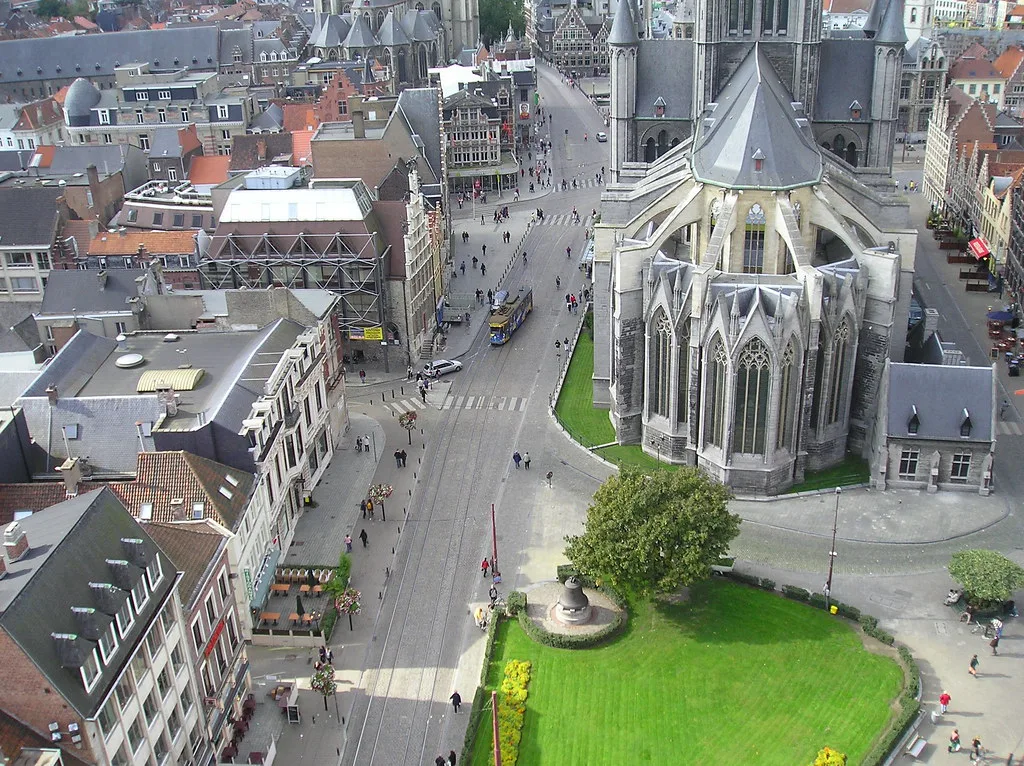
Where STAM is: the Bijlokesite at Godshuizenlaan 2
The museum stands on the Bijlokesite at Godshuizenlaan 2 in Ghent, a former abbey estate south of the medieval centre. The city museum grew out of the old Bijloke archaeological museum, which closed its doors in September 2005 so that staff and resources could be redirected into creating STAM. That lineage explains the setting: an established heritage campus rather than a purpose-built block on a shopping street.
Because the site sits outside the tight loop of the Graslei, Korenlei and the belfry, plan it as its own outing. Pair it with the walk down from the centre and back, and leave the compact squares for a separate morning.
For orientation, the museum publishes its address and contact details on its own site, along with a phone number and email for questions. The address is Godshuizenlaan 2, 9000 Gent.
How to reach the museum and what to expect on arrival
Allow a comfortable walk from the historic centre to the Bijlokesite, or take public transport if the weather is against you. Once there, the campus is quiet and spread out, with the museum entrance, the café and the museum square in different parts of the site, so give yourself a minute to read the signs rather than marching straight at the first door.
Inside, the route is chronological and self-guided, with objects and multimedia carrying the story rather than long labels alone. That makes it easy to move at your own pace, and easy to overshoot if you are tired. Decide before you go in whether you are there for the overview or for a slow read.
The permanent exhibition, The Story of Ghent
The fixed exhibition is called Het verhaal van Gent, The Story of Ghent. It opens with a giant aerial photo of the city as it is today, then leads you along a chronological path through objects and multimedia that trace Ghent's development and growth. The effect is cumulative: you feel the city expanding rather than reading about it in isolation.
Along the way the exhibition covers everything that makes Ghent Ghent, and also what makes a city a city. That wider question runs through both the permanent route and the temporary shows, which is why STAM feels more like an argument about urban life than a cabinet of local curiosities. If you are travelling with someone who tires of museums, this is the part to sell them on.
The giant aerial photograph and how the chronological route works
Start with the aerial photograph of present-day Ghent before you look at anything else. It gives you a mental map of the city you will walk through afterwards, from the Leie and the old core out to the newer districts. Then follow the chronological route, which layers objects and multimedia on top of that image in order of time.
The route repays a little patience at the beginning. Once you have the geography fixed, the later rooms make sense as changes to a place you can picture, which is exactly the orientation a short break needs. If you only have one full day in Ghent, do this first and walk the centre afterwards.
STAMplein: the free museum square and The Square Kilometre
Not everything at STAM requires a ticket. STAMplein, a part of the museum, is accessible free of charge, and it displays finds from The Square Kilometre, a project in which the museum, Heritage Cell Ghent and historian Tina De Gendt have been digging into the city's lesser-known past since 2018, one neighbourhood at a time.
The project deliberately chases the histories that history books record unevenly: hidden religious spaces, unexpected shopping streets, wartime resistance. Each residency ends with a selection of what local history makers and residents have unearthed, and the current display at STAMplein comes from tile K19, Dampoort. That makes the free area a changing exhibition in its own right, worth ten or fifteen minutes even if you skip the paid galleries.
The neighbourhood research also produced walking plans for the Brugse Poort, Rabot and Ledeberg districts, illustrated by Lukas Verstraete, Helene Lespagnard and Jeroen Janssen with Nicolas Marichal. After a residency, the walks feed into guided tours run by the guide association Gandante. If you have a spare half-day later in the trip, one of these routes takes you well away from the standard circuit.
Temporary exhibitions and what they add
Temporary exhibitions sit alongside the fixed route and take the same questions in different directions. They are the reason a second visit to STAM is not a repeat: the base stays, the argument moves.
The museum has picked up recognition over the years, including Flemish museum prizes and a European Heritage Award in 2024 for The Square Kilometre project, and in 2025 international recognition for the Gentse Gronden exhibition. None of that changes what you see on the day, but it explains why the temporary programme is taken seriously rather than treated as filler.
Tickets and booking before you travel
Tickets for the museum are available through STAM's own site. STAMplein, the free part of the museum, needs no ticket at all.
If you only have a morning, the permanent route and STAMplein are the core; leave the temporary shows for a longer stay or a second visit.
How long to allow and how to use STAM as an introduction
Budget about an hour and a half for the permanent route plus a look at STAMplein, and two hours if a temporary exhibition catches your eye or you read labels properly. It is not an all-day museum: the chronological format rewards a steady pace rather than an exhaustive one. Go early in the trip, ideally on your first afternoon, so the aerial photo and the timeline are still fresh when you walk the centre.
Use the visit to decide what you want to see afterwards. The Story of Ghent will point you towards the Graslei and Korenlei, the belfry and the churches, and knowing why they matter makes the walking far better. If you have three days, this is a natural first stop; with one day, fit it in only if you are genuinely interested in the city's development.
Nearby after your visit: the Bijloke site and the walk back
The Bijlokesite itself is worth a slow lap after the museum. The campus includes the museum café, so you can sit down before walking back towards the centre, and the grounds give you space to digest what you have just seen.
On the way back you can shape the rest of the day around the sights the exhibition has just explained. MSK Ghent, the fine arts museum, is in the same southern part of the city, which makes a natural pairing if you have the energy. Otherwise head for the Graslei for the classic view of the medieval core.
Walkers with time to spare can continue to the Prinsenhof area or loop past the Design Museum Gent on the way back into the centre. All of these are compact enough to combine with STAM in a single unhurried day.
Is STAM worth your time in Ghent?
Yes, if you want to understand the city rather than just photograph it. The Story of Ghent gives you a working map and a timeline in about ninety minutes, and STAMplein lets you sample the museum's neighbourhood research without buying a ticket. Skip it if your trip is only a day and you would rather spend the time on the Graslei, the belfry and the churches.
Either way, put STAM near the start of the trip rather than the end. The aerial photo does more for the rest of your walking than any guidebook chapter.
Explore more Ghent guides
Frequently Asked Questions
What is on at STAM's permanent exhibition?
The fixed exhibition, Het verhaal van Gent (The Story of Ghent), opens with a giant aerial photograph of present-day Ghent and then follows a chronological route of objects and multimedia tracing the city's development and growth, and asking what makes a city a city.
Is any part of STAM free?
Yes. STAMplein, a part of the museum, is accessible free of charge and displays finds from The Square Kilometre project, currently from tile K19, Dampoort.
Where is STAM?
STAM stands on the Bijlokesite at Godshuizenlaan 2, 9000 Gent, south of the historic centre.
What is The Square Kilometre at STAM?
A project, running since 2018, in which STAM, Heritage Cell Ghent and historian Tina De Gendt research the city's lesser-known past one neighbourhood at a time; it has produced neighbourhood walking plans for Brugse Poort, Rabot and Ledeberg and free displays at STAMplein.