Parks in Ghent: Green Spaces Worth Visiting on a City Break
Ghent's parks range from the wooded Parkbos on the city edge to the modern Keizerpark. Here is what each offers and how to fit one into a short break.
On this page
For a city break of one to four days, Ghent's parks are flexible filler rather than headline sights: Keizerpark is a modern park where two cycle bridges meet, the Ghent University Botanical Garden is a quiet stop near the centre, and Parkbos is a 1,200-hectare forest and landscape project on the southern edge. This guide sets out what each one offers, how it works as an addition to a museum or old-town day, and which to choose when time is tight.
What Ghent's green spaces add to a short break
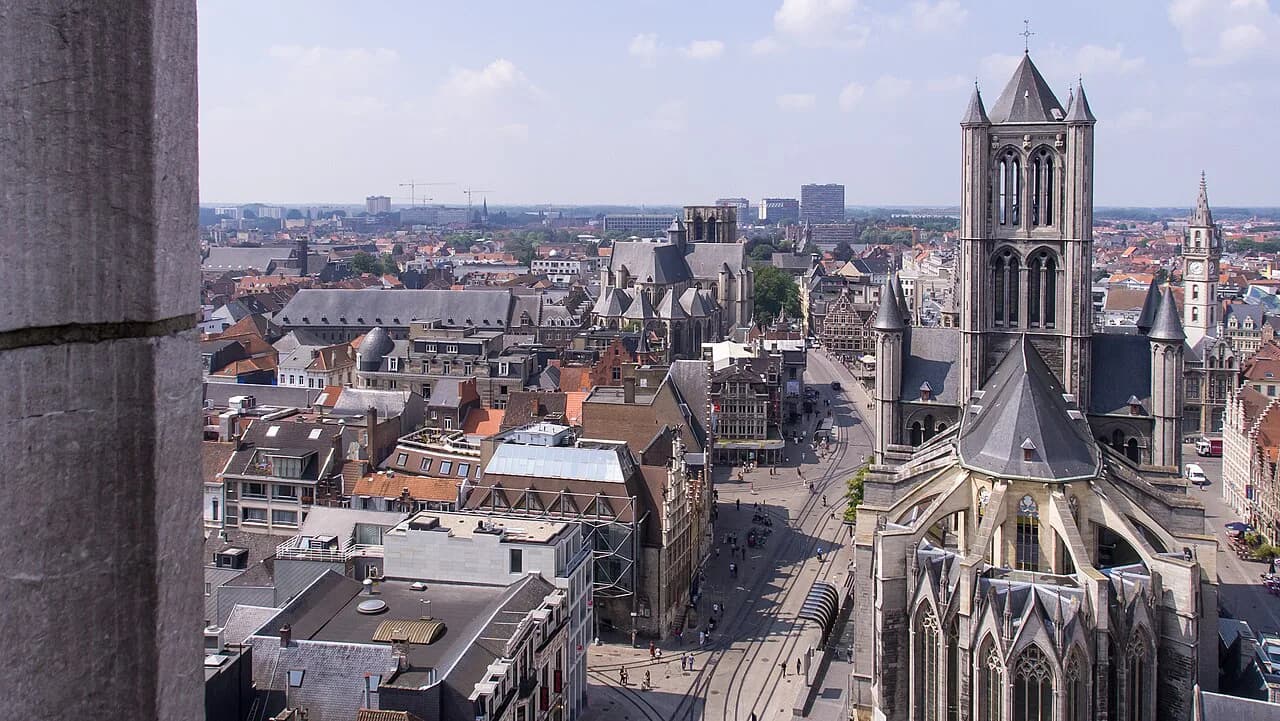
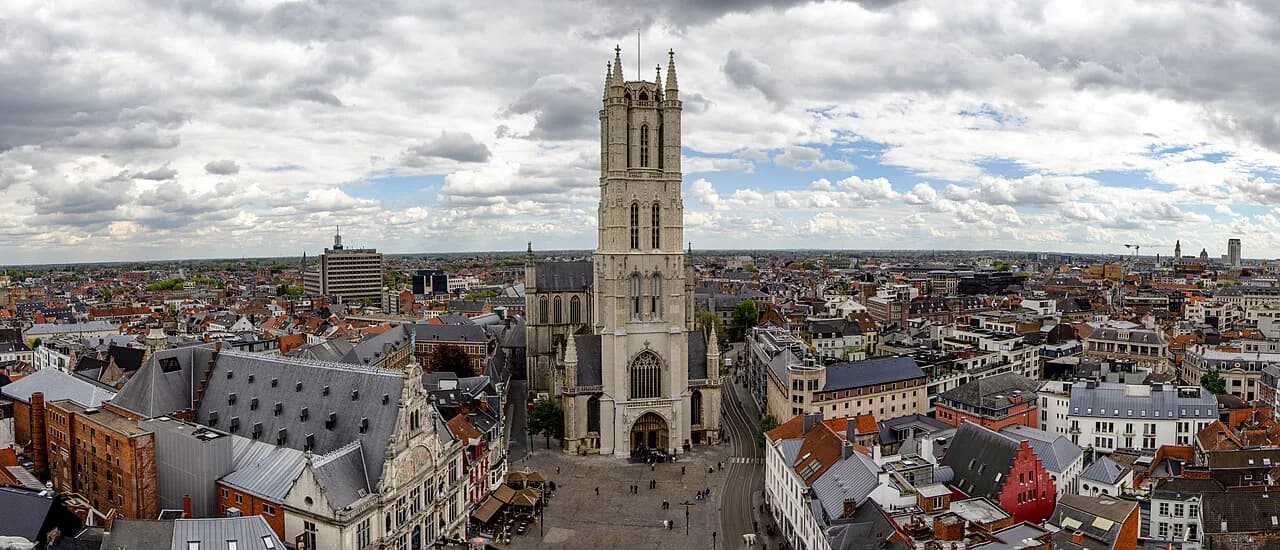
Ghent's compact core is where a short break is spent: the belfry, the churches, the Graslei and Korenlei quays and the museums fill two or three days comfortably. Green space works best as a deliberate pause between those stops, or as the reason to head south of the centre for a half-day. Treat a park as a change of pace, not a rival attraction.
The trade-off is straightforward. The city-centre green spaces cost you almost no travel time but are small; Parkbos gives you a proper landscape of woodland, farmland and estate grounds but sits at the southern edge and takes real time to reach and explore. Decide which of those you want before you set out, because trying to do both in one afternoon leaves you rushing.
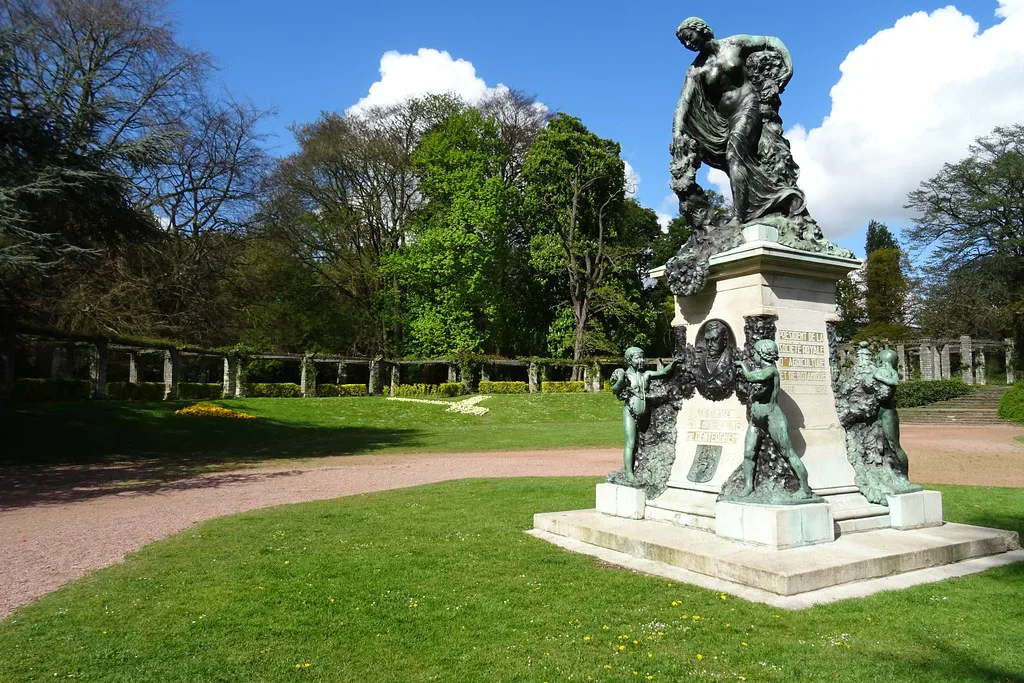
Keizerpark: a modern park with two cycle bridges
Keizerpark is the city's modern park, and the two cycle bridges are what make it useful rather than scenic. They turn the park into an intersection for walkers and cyclists, so it works as a point on a route across the city's green spaces instead of a destination you arrive at and leave.
That framing matters when you plan your day. Come here if you want a short green interlude that connects to somewhere else, not if you are after a long afternoon outdoors. On a tight schedule it pairs naturally with a walk back through the city rather than with a second park.
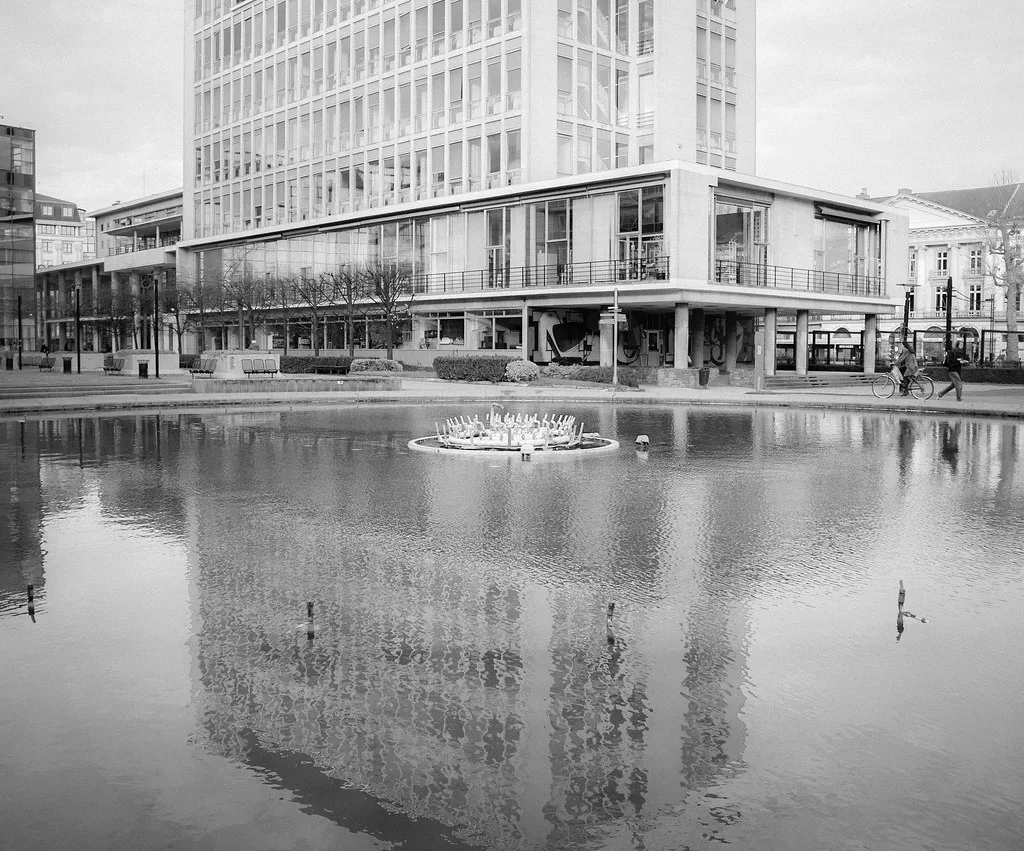
The Ghent University Botanical Garden as a quiet city-centre stop
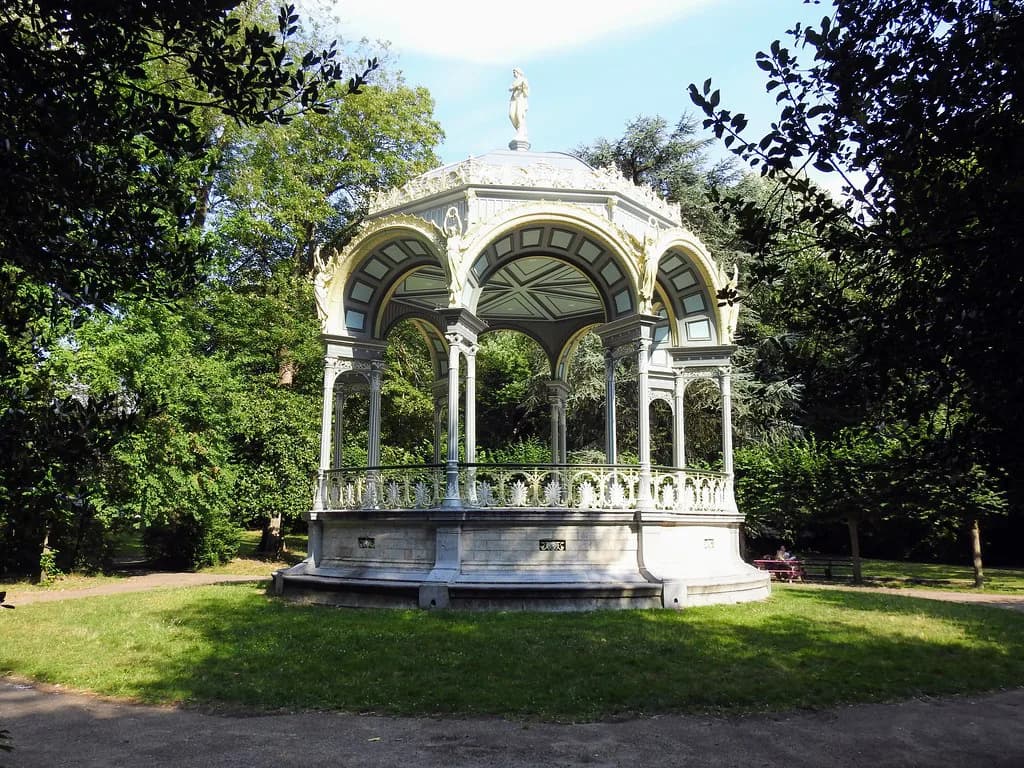
The Ghent University Botanical Garden is the most central of the three for a quick stop, and its appeal is exactly that: somewhere green and calm within reach of the sights you are already seeing. It suits a sit-down between museum visits rather than a planned excursion.
Set your expectations accordingly. This is a university garden in the middle of a working city, so give it an hour at most and pair it with the surrounding streets rather than making it the purpose of the trip. For that, it earns its place on a list of things to do in Ghent alongside the churches and quays.
Parkbos: the peri-urban forest on the southern edge
Parkbos, also called Parkforest Ghent, is a 1,200-hectare peri-urban forest at the southern edge of the city. It is not a municipal park with lawns and paths: it is a mosaic of old and new woodland, agricultural land and historic sites, mainly castles and estates, spread across Ghent and the neighbouring municipalities of De Pinte and Sint-Martens-Latem.
Because it is a genuine forest edge rather than a landscaped square, Parkbos rewards a half-day and a willingness to walk. Go if you want space, trees and a sense of the Flemish countryside without leaving the city; skip it on a two-day break where the old town and the Ghent Altarpiece already fill your time.
How Parkbos was made: afforestation from 1996
Parkbos is a long-running project rather than an old park. Planting began in 1996, delivery started in 2002 with a planned end date around 2023, and the driving partner has been the Flemish Agency for Nature and Forests (ANB), working with East Flanders province, Ghent, De Pinte, Sint-Martens-Latem and the Flemish Land Agency. Natuurpunt owns a smaller northern section.
It started as a forestry scheme and became an integrated landscape project: woodland, farming, recreation, heritage and flood management in one plan, while restoring brook systems and inland climate links. Visitors can see that in the mix of new plantations, tenanted fields and restored estate vistas, which looks different from a conventional park, with much less formal landscaping than you would find around the centre.
Walking and cycling links that tie the parks to the city
The easiest way to combine Ghent's green spaces is on foot or by bike, using the parks as stops along a route. Keizerpark's cycle bridges let you cross without detouring far, and the city's park web is short enough that a central green stop fits between sights. If you would rather not plan the route yourself, a guided walk can cover the central streets while you add a park on either end.
Parkbos needs a different approach: it sits at the southern edge beyond the built-up centre, so treat it as a separate outing with its own travel and walking time, and check the route before setting out. The forest's edge position also makes it a natural fit for a bike ride if you have one.
Matching a park to your day
On a one- or two-day visit, use the Botanical Garden for a central break and leave Parkbos for another trip. On a three- or four-day stay, give Keizerpark an hour on a cross-city walk and Parkbos a half-day, ideally on a dry day when you can be outdoors for a stretch. If it rains, swap the forest for a museum and keep the shorter green stop for a brighter hour.
Combining a park with nearby sights
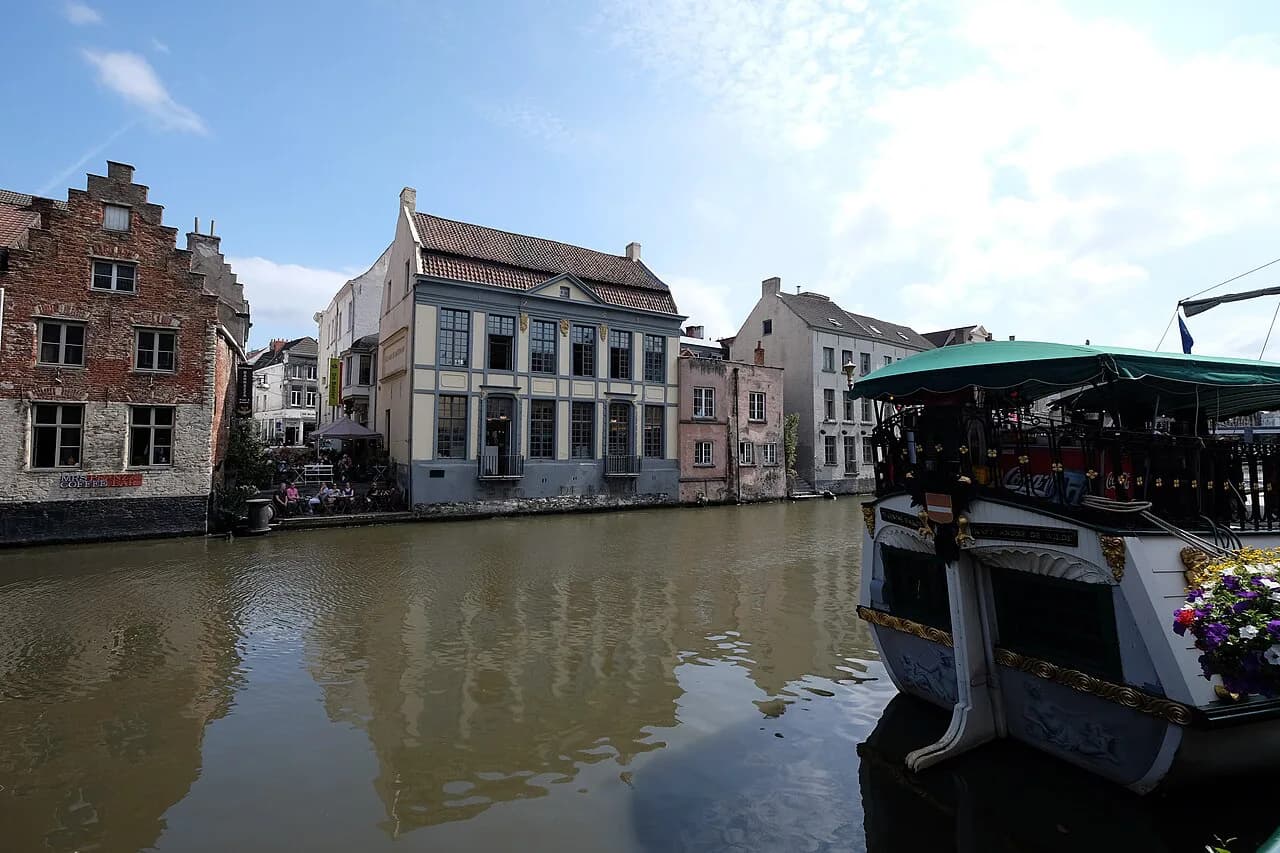
A central green stop fits neatly between the old town and the waterfront: see the churches and squares, pause in the Botanical Garden, then walk the quays. If you want a boat, the Graslei and Korenlei are the obvious place to pick one up, and a canal trip on a mild afternoon is an easy way to stay outside without walking far.
For a full day outdoors, head south to Parkbos in the morning, then return to the city for a brewery visit in the afternoon, which gives you a walk in the woods and a taste of Ghent in one day without overcommitting to either.
Which Ghent park should you pick?
Choose the Ghent University Botanical Garden for a central pause, Keizerpark if you want a modern park on a walking or cycling route across the city, and Parkbos if you will trade a half-day and some travel for a proper forest on the southern edge. On a short break, one central pause is enough; on a longer stay, Parkbos is worth the extra time.
Explore more Ghent guides
Frequently Asked Questions
Is Ghent a walkable city?
The centre is compact enough to cover on foot, and the museums, churches and quays sit close together. Parks outside the centre, especially Parkbos on the southern edge, are a separate trip and need their own travel time.
Where is Parkbos in relation to central Ghent?
Parkbos, also called Parkforest Ghent, is a 1,200-hectare peri-urban forest at the southern edge of the city, spread across Ghent and the neighbouring municipalities of De Pinte and Sint-Martens-Latem, so it is a separate outing rather than a stroll from the old town.
Sources
Useful notes for your next trip
Optional updates to our guides.
You might also like
Continue reading
More guides you'll find useful