Graffiti Street in Ghent (Werregarenstraat): What to See
Werregarenstraat is Ghent's graffiti street, repainted through the year by artists who work in the open. Here is what to see and where else street art appears.
On this page
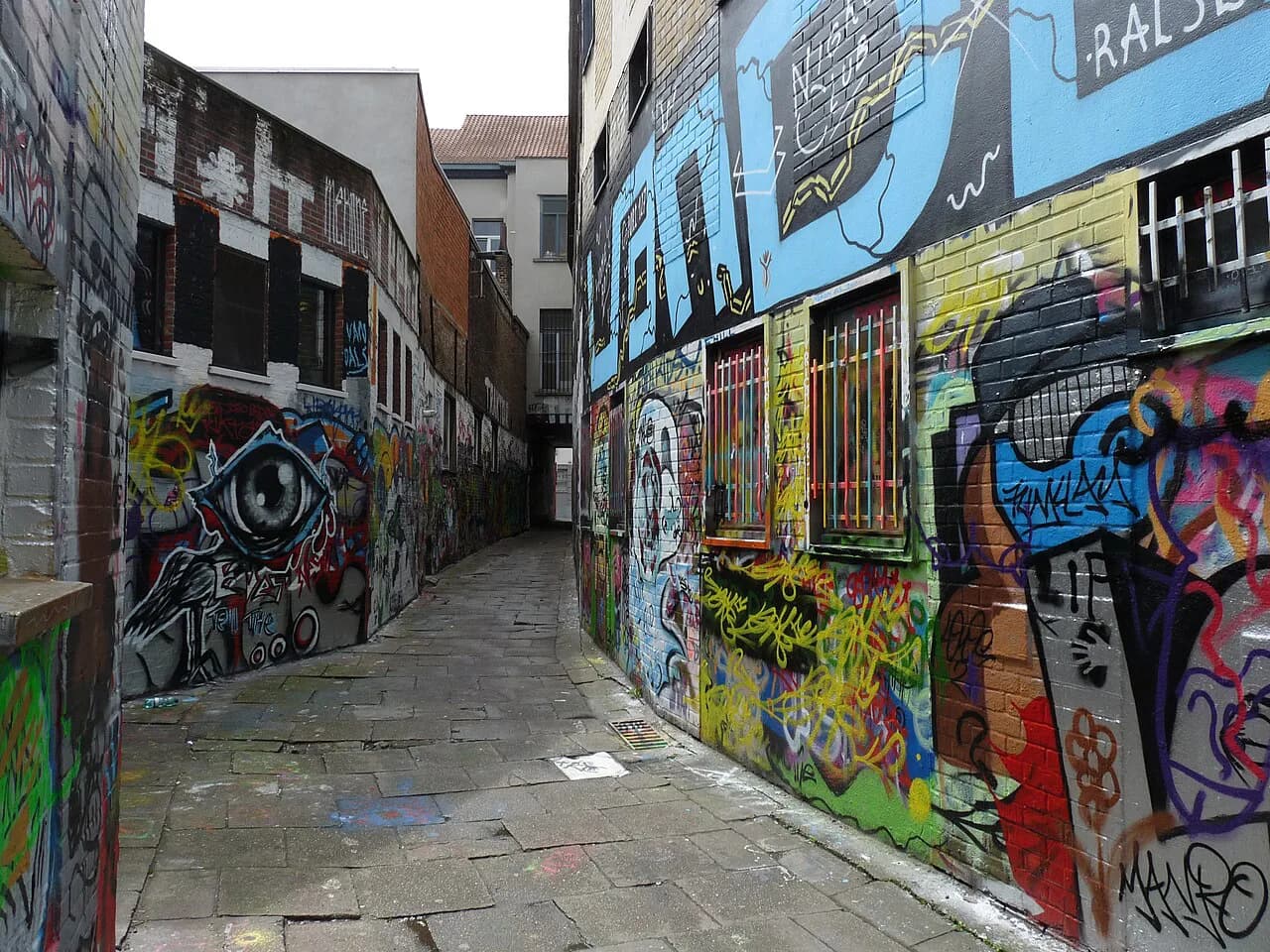
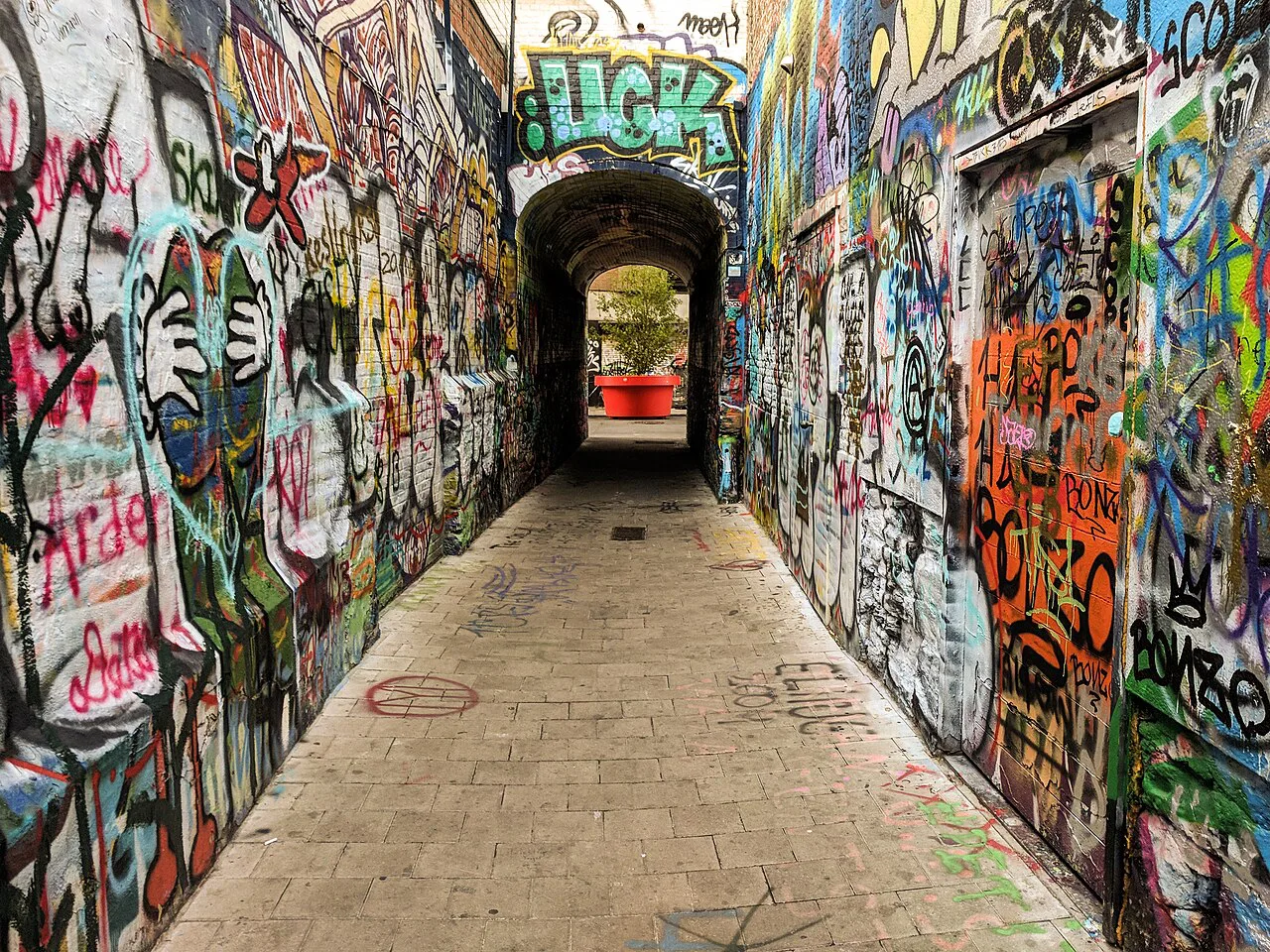
Graffiti Street is Werregarenstraat, a narrow alley in central Ghent where artists spray paint the walls and the surface is painted over through the year, so nothing you see stays put. It is a free, open-air detour rather than a ticketed attraction, and 15 to 20 minutes covers it comfortably. This guide covers where the alley sits, why it looks different on every visit, and which artists and murals to look for elsewhere in the city.
What and where Graffiti Street is
Werregarenstraat is a short alley in the historic core that sits close to the Markt, so it folds easily into a morning's walk. Graffiti Street is simply its English name; locals and artists know it as Werregarenstraat, and the walls are painted over through the year rather than protected as a fixed collection.
Because it is an alley and not a museum, there is nothing to book and no fixed route through it. Treat it as a passage you walk through slowly, looking at both sides and the corners where older layers show through. The honest trade-off: you may catch a half-finished wall or a fresh block of colour over something you had hoped to see, and that is the point of the place.
How the legal wall works
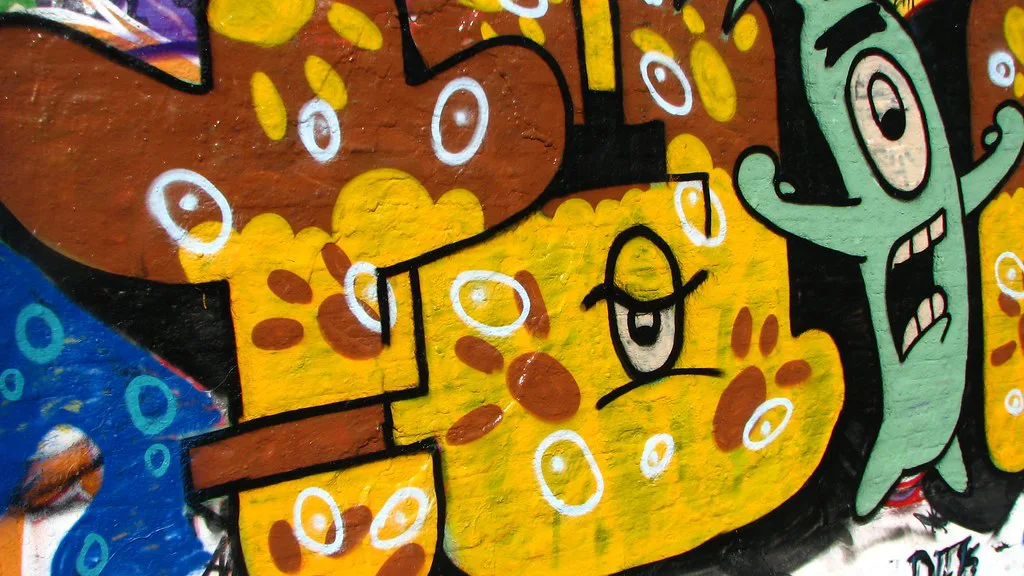
The paint is dense and the look changes constantly. New pieces go up on top of old ones, so what you see is a palimpsest of overlapping work rather than a curated exhibition, and the walls are painted over through the year.
Artists sometimes work in the open while visitors pass, and a 2.5 to 3-hour guided tour of the city is one way to see the landmarks alongside five selected stops. If you would rather wander independently, keep your distance from anyone spraying and never touch wet paint.
Photograph the whole wall as well as the detail: the alley is narrow, so a wide shot from the entrance captures more than a close-up. Treat the paint as the reason to come rather than a photography exercise, and step back to see how one artist's work crowds against the next.
Walking there from the Markt and the Graslei and Korenlei
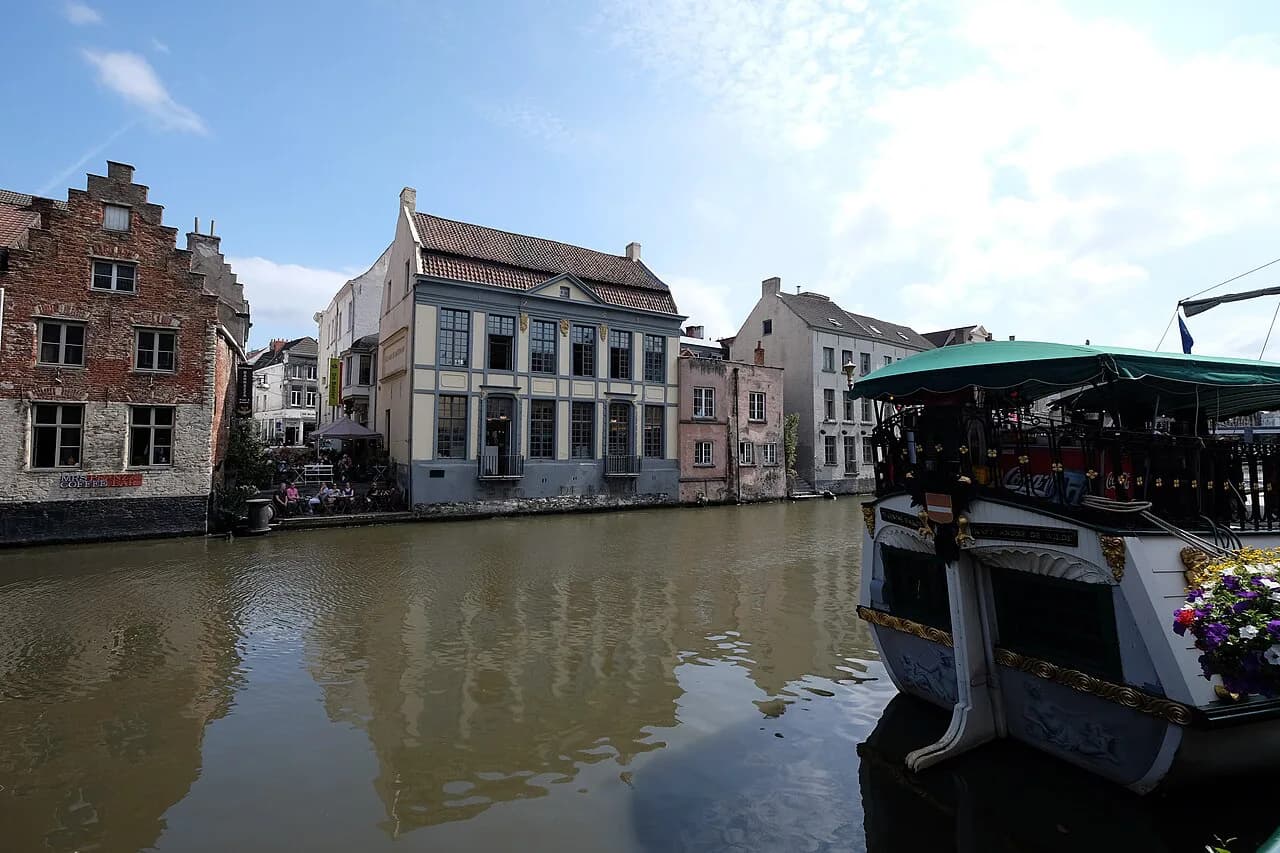
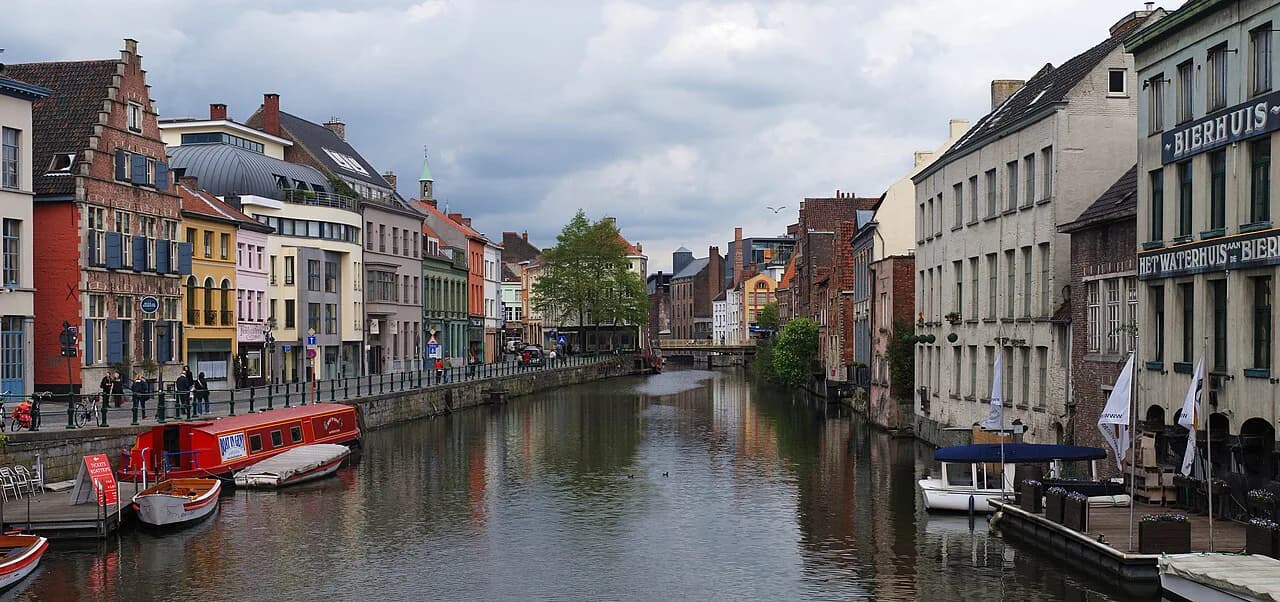
Slot the alley into a route through the old town: start at the Markt, work through the lanes towards the Graslei and Korenlei quays on the Leie, and treat Werregarenstraat as the short cut between them. The distances are small, and the detour costs minutes rather than a half-day.
A self-guided walk of this kind pairs well with the main sights, and the wider picture of what to see in the city sits in the things to do in Ghent guide. If you prefer structure, a Ghent walking tour can do the orientation for you while you keep the alley as your own slow stop.
Nearby street art beyond the alley
Ghent's street art grew from the bottom up, driven by local artists and the international painters they invited, and the centre carries a good deal of it. Bué The Warrior is the name to know: his cartoonish cats and birds appear across his hometown, often painted spontaneously rather than commissioned.
Also in the centre, Pol Cosmo's patterned insects are usually pasted up beside front doors, with larger painted versions in the area known as Ghent's red light district. Look at doorways and low walls, not just the big gable ends, and you will find far more than the obvious murals.
Curated pieces sit alongside the informal ones. Klaas Van der Linden's self-portrait as a fisherman, Lost at Sea, was curated by Sorry Not Sorry in 2016, and a Toykyo mural on the city service building De Stroom was chosen with a poll of the people working inside. That selection process is why these walls look more composed than the alley's layered chaos.
The wider scene: De Brugse Poort and the Dokken
Beyond the centre, the trail runs out towards De Brugse Poort and the Dokken, where the density of murals rewards a longer walk. ROA's black-and-white animals, scattered around his hometown, are the pieces that made Ghent a street art destination internationally, and Resto's comic-inspired characters appear widely too.
Projects such as Sorry Not Sorry have curated murals around the city with an eye on the people who see them every day, which gives the outer neighbourhoods a different character from the free-for-all alley. Cycling in Ghent is a practical way to cover the longer stretches out to the docks and back without eating your whole afternoon.
A curated mural versus an open wall
The difference matters when you are deciding how long to spend where. A curated mural is selected, planned and usually painted once, so it stays as the artist and curator intended; the open wall in Werregarenstraat is repainted through the year and belongs to whoever holds the can that week.
In practice that means the alley gives you energy, variety and the chance of watching work in progress, while the curated pieces give you finish and a named artist to look up afterwards. Neither is better: the alley is quicker and free, the murals are worth a deliberate detour and reward a map.
Practical timing for the alley
Give Werregarenstraat 15 to 20 minutes and combine it with a half-day in the centre: the Markt, the Graslei and Korenlei, and one museum or church. The alley works best as a punctuation mark between bigger sights rather than a destination in itself, and it costs nothing to add.
If street art is a priority, allow a further two hours for the centre's murals and half a day for the outer neighbourhoods. Those heading for the city's headline sights should fix those timings first and fit the alley around them, since it needs no slot of its own.
Where to fit the alley into your day
Build Werregarenstraat into a central walk between the Markt and the Graslei and Korenlei, spend 15 to 20 minutes there, and use the rest of the half-day for the sights that need booking. Keep an eye on doorways and low walls for pasted work, and look up at the gable ends for the larger murals.
Explore more Ghent guides
Frequently Asked Questions
Is Graffiti Street in Ghent the same as Werregarenstraat?
Yes. Werregarenstraat is the local name of the central alley known in English as Graffiti Street, where artists spray paint the walls and the surface is repainted through the year.
Will the same murals be there when I visit?
Not necessarily. The alley is painted over through the year, so pieces are layered and replaced. Specific tags and artists cannot be guaranteed on any given day, which is why the wall looks different on repeat visits.
Do I need a ticket for Graffiti Street?
No. It is an open alley in the city centre that you walk through freely, and there is nothing to book. Give it 15 to 20 minutes as part of a longer walk through the old town.
How does Graffiti Street differ from Ghent's curated murals?
The alley is an open legal wall repainted constantly by whoever is painting. Curated pieces, such as Klaas Van der Linden's Lost at Sea, selected by Sorry Not Sorry in 2016, are planned and stay as intended.
Sources
Useful notes for your next trip
Optional updates to our guides.
You might also like
Continue reading
More guides you'll find useful