Christmas Truce Memorials Near Ypres: What Is There and How to Visit
The 1914 Christmas truce happened in Flanders fields around Ploegsteert and Messines. Here is what the memorials mark and how to reach them from Ypres.
On this page
The Christmas truce memorials near Ypres mark a series of local, informal ceasefires along parts of the Western Front around Christmas 1914, not a single event at a single monument. The best-known markers stand in the villages and fields south of Ypres, around Ploegsteert and Messines, where British and German troops faced each other across no man's land. This guide explains what those markers commemorate, where the truce happened, and how to reach the sites from Ypres.
Treat the trip as a half-day excursion: the sites lie outside Ypres, so you need a car, a bike or a taxi rather than a walk from the city centre. The reward is context for the Menin Gate (Menenpoort) and the Lakenhalle (Cloth Hall) that you will see in town, because the truce and the Salient fighting belong to the same landscape.
What the Christmas truce memorials commemorate
The memorials commemorate the improvised truces that broke out along parts of the Western Front over Christmas 1914, when soldiers on both sides stopped firing and, in places, crossed into no man's land to talk, exchange small gifts and bury the dead. The National WWI Museum and Memorial describes the Christmas Truce as a spontaneous event on Christmas Eve 1914 that happened along parts of the Western and Eastern Fronts, so the Flanders markers remember a local instance of something wider.
That distinction matters when you stand at a marker: you are not looking at the site of one agreed ceremony, but at ground where a particular truce took hold and then faded. The fighting resumed, and the same fields were fought over in later battles.
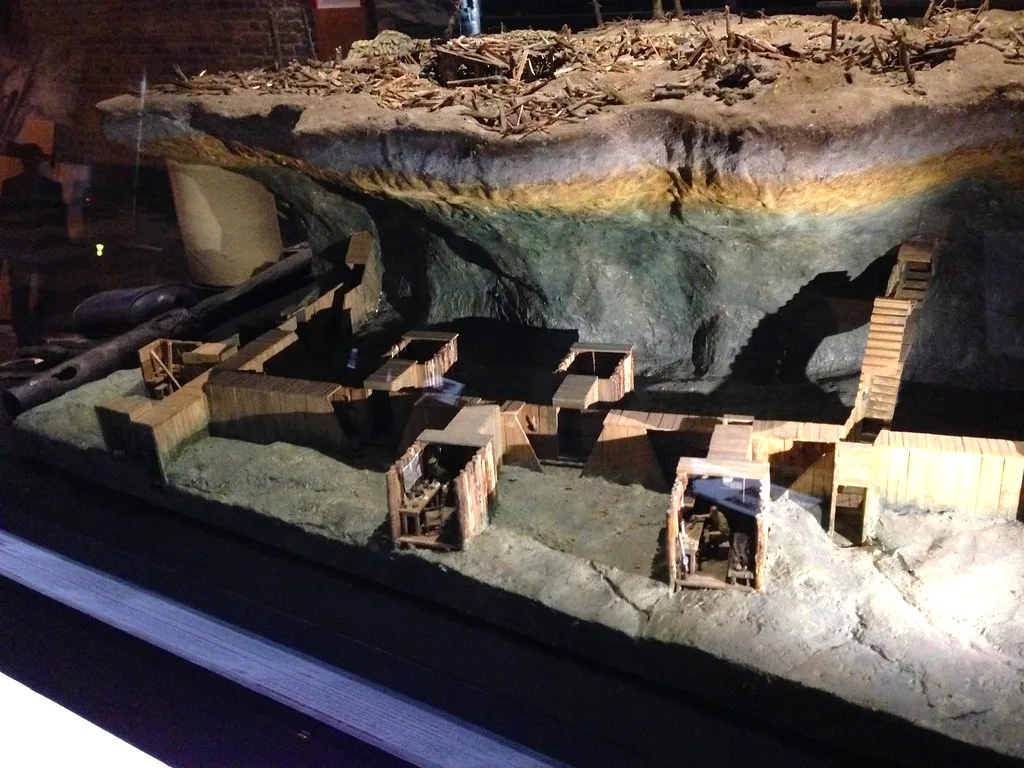
Where the 1914 Christmas truce took place
The truces of December 1914 occurred at many points along the Western Front, and the fields around Ploegsteert and Messines, south of Ypres, are among the places associated with them. The area sits in the southern part of the Ypres salient, close to the French border, and the village names will be familiar from any account of the trench fighting.
Reading the truce as a scattered set of local events helps you plan: there is no single site to tick off, but a cluster of villages and cemeteries to move between by road. Allow time to stop and read the panels and headstones rather than rushing from one marker to the next.
Ploegsteert and the truce story
Ploegsteert lies south of Ypres near the French border and is closely associated with the 1914 truce story, but the markers in the area are best understood as commemoration of local truces rather than as the site of one formal event. The football anecdote is part of the truce's wider folklore; what you can actually see on the ground are village memorials and the surrounding cemetery landscape.
Use Ploegsteert as one stop in a southern-sector circuit rather than a standalone destination. Pair it with Messines and the nearby cemeteries, and let the wider landscape give the truce story its setting.
Messines and the wider Salient: other truce markers nearby
Messines, a short drive from Ploegsteert, sits on the ridge that dominated the southern Salient and was the scene of heavy fighting later in the war. The village and its surroundings hold several memorials and cemeteries, and a truce marker in this area belongs to the same landscape of remembrance.
The wider Salient is dense with commemoration, from the Menin Gate (Menenpoort) in Ypres to the cemeteries that dot the farmland. If you want the truce markers to make sense, pair them with a battlefield tour or a self-guided drive that covers the southern sector as well as the city's own memorials.
How to visit: reaching Ploegsteert and Messines from Ypres
Ploegsteert and Messines lie south of Ypres, and the practical way to see both in a day is to drive, cycle or take a taxi, because the markers are spread across farmland and village streets. A guided battlefield tour is the simplest option if you would rather not navigate the minor roads yourself, and Ypres Battlefield Tours is the place to start planning one.
Build in time for the villages themselves. The distances are short on the map but the lanes are slow, and stopping to read a cemetery register or a memorial panel is what makes the trip worthwhile.
Combining truce sites with the Menin Gate and Cloth Hall
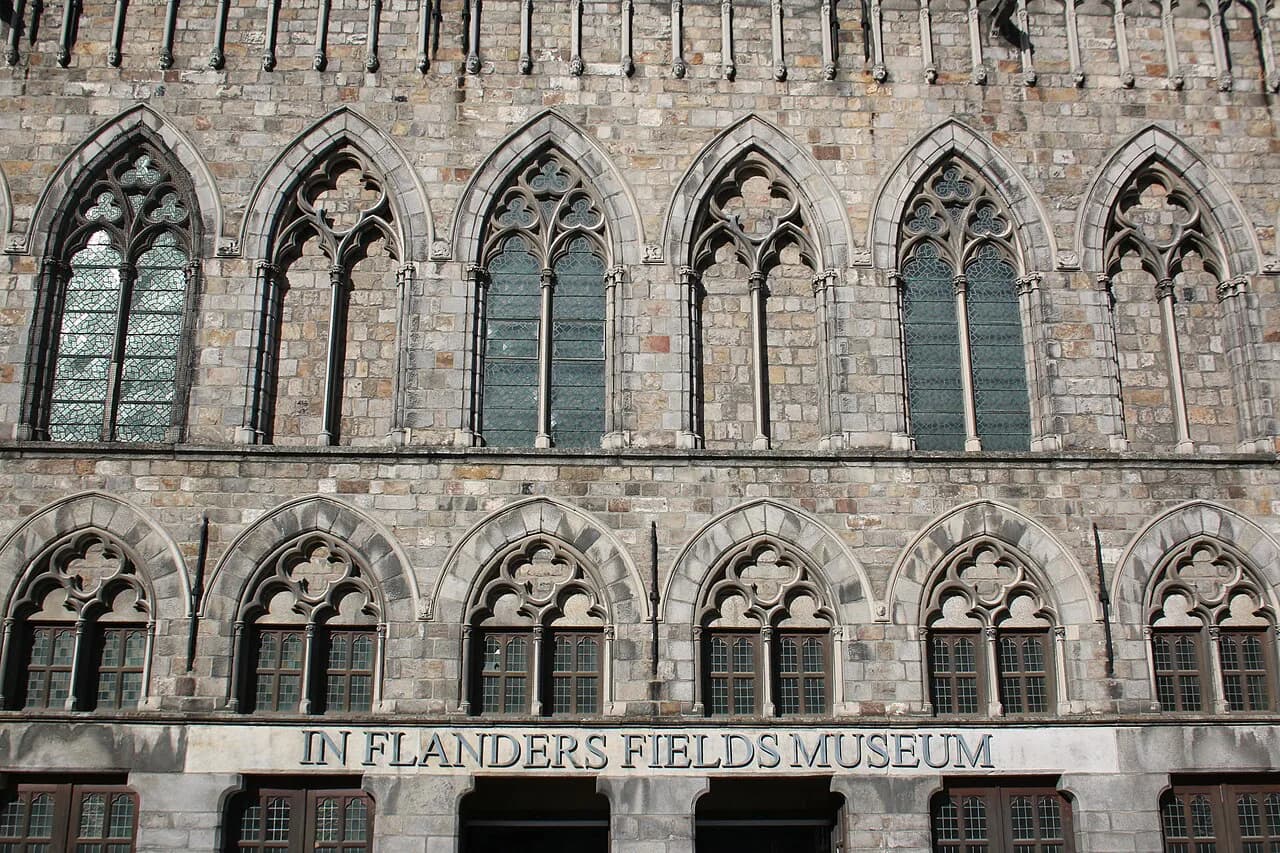
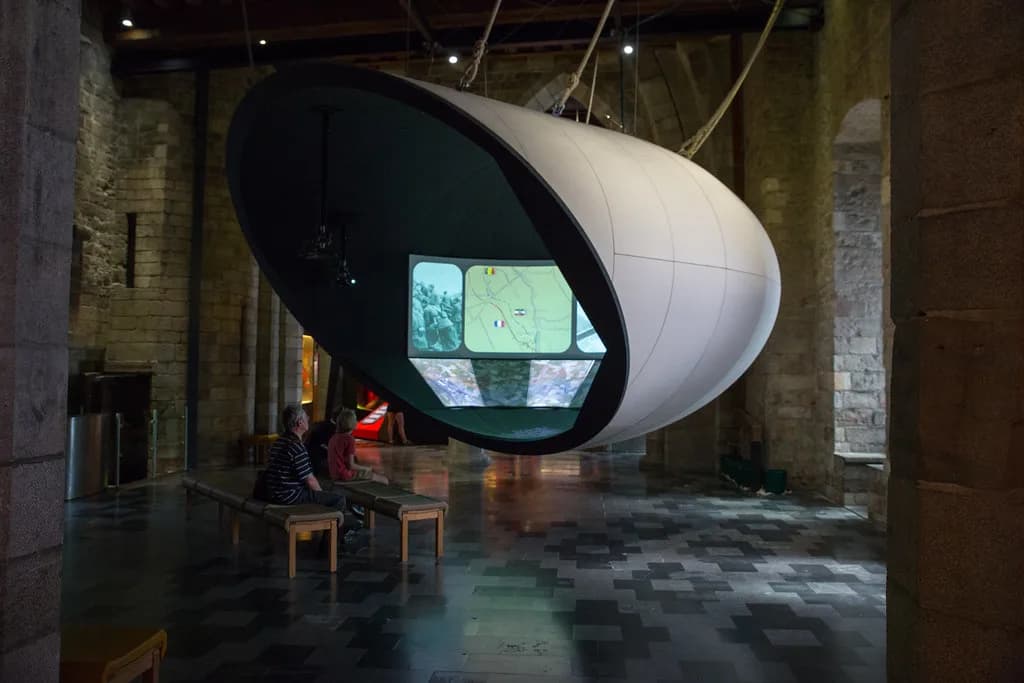
The Menin Gate (Menenpoort) and the Lakenhalle (Cloth Hall) in Ypres are the anchors of any visit to the Salient, and the truce markers make a natural complement to them. The gate remembers the missing of the Salient, while the Cloth Hall houses the In Flanders Fields Museum, which sets the whole war in context.
A sensible plan is to spend the morning in Ypres and the afternoon in the southern sector, or the reverse if you are staying outside the city. The two halves of the day give you the formal commemoration and the improvised, human story of the truce side by side.
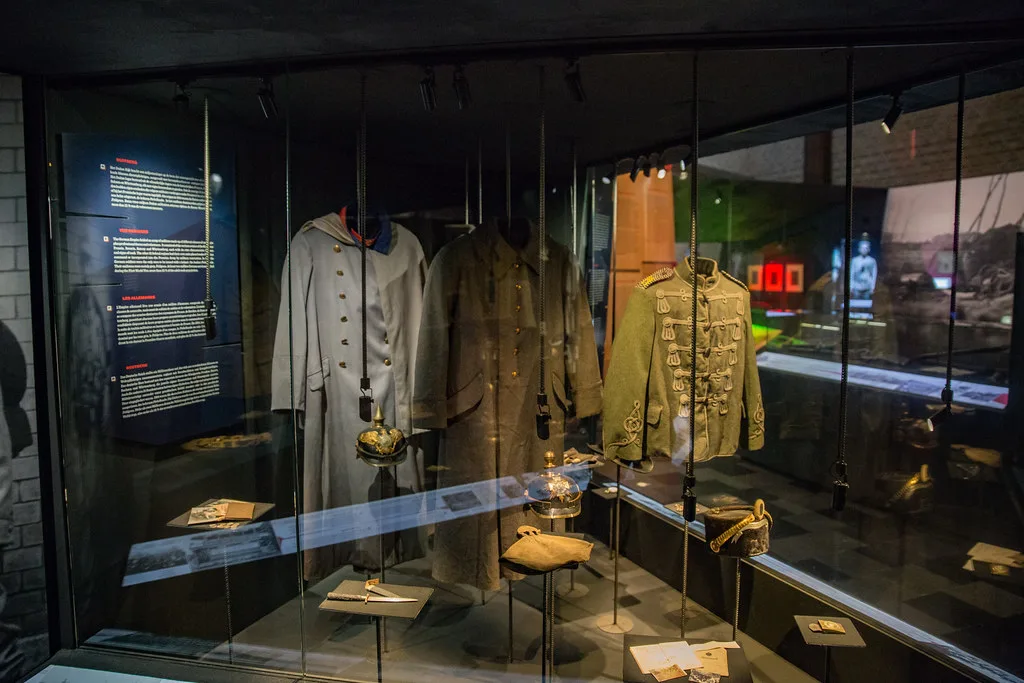
Visiting with respect: these are memorial landscapes
These are working farmland and memorial ground, with cemeteries that are still tended and graves that belong to named soldiers. Walk quietly, keep to paths, and treat the markers and headstones as memorials rather than props for photographs.
The truce story is often retold with a cheerful football-match framing, but the ground itself is a place of loss, and the surrounding memorials and cemeteries remember men who died in the fighting that resumed. Read the panels and let the setting do the work.
Is the truce site worth the detour from Ypres?
Yes, if you have a car, bike or taxi and a half-day to spare, the trip south to Ploegsteert and Messines adds a human, improvised chapter to the formal memorials of Ypres. If you are on a tight one-day visit without transport, the Menin Gate (Menenpoort) and the Cloth Hall will carry the story for you, and the detour can wait.
Explore more Belgium guides
Frequently Asked Questions
Where was the Christmas truce of 1914?
It was not in one place. The Christmas truce was a series of local ceasefires along parts of the Western Front over Christmas 1914, and the fields around Ploegsteert and Messines, south of Ypres, are among the places associated with them. The markers there remember local instances of a much wider event.
Did English and German soldiers play football during the truce?
The football story is a widely retold part of the truce tradition, but accounts vary and no single formal match is documented here. Treat the southern-sector markers as commemoration of the truce story rather than as the record of a specific game.
Is there a movie about the 1914 Christmas truce?
Films and television dramas have drawn on the truce story, but they are dramatisations rather than records of what happened at any one spot. If you want the documented account, read the historical summaries published by museums and memorial organisations before you visit.
Sources
Useful notes for your next trip
Optional updates to our guides.
You might also like
Continue reading
More guides you'll find useful