Aalst, Belgium: A Practical Guide to the Town and Its Belfry
Aalst is an East Flanders town of about 91,000 people, 25 km from Ghent, with a UNESCO-listed belfry and town hall on the Grote Markt. Here is how to visit.
On this page
Aalst needs a morning or an afternoon, not a weekend. The town's one sight that justifies the stop is the UNESCO-listed belfry and town hall on the Grote Markt, and around it a compact centre of squares and streets that a walker covers quickly. This guide sets out where Aalst sits in East Flanders, what the belfry and town hall are, why the Daens story gives the town its edge, and how to fit it between Ghent and Brussels.
Aalst (French: Alost) is a Belgian town in East Flanders with 90,995 residents at 1 January 2024, which makes it a real working town rather than a preserved showpiece. Keep that scale separate from the visit: the population is spread across a wide municipality, while the part a traveller walks is a small ring around the Grote Markt. Locals call the place Oilsjt in dialect, a reminder that this is Dutch-speaking Flanders with its own accent.
Where Aalst sits in East Flanders
Aalst lies in East Flanders, roughly midway between Ghent and Brussels. That position is the town's main practical advantage: it can be slotted into a route between the two cities without a long detour, or used as a lunch stop on the way east from Brussels towards Ghent. It does not sit on the coast or in the Meuse valley, so it belongs with the Flemish belfry towns rather than the Walloon industrial cities. If you are building a route from several of these, start with an overview of Belgian towns and then pick the ones that fall on your line of travel.
Think of Aalst as a stop rather than a base. It has no coastal setting, no grand museum quarter and no canal ring to wander for hours, so a traveller choosing where to sleep for three nights is better off in Ghent, which has more to fill an evening and a second day. Aalst rewards the traveller who is already moving through Flanders and has half a day spare. The town's own tourist office publishes current opening times and any temporary closures, which is where to confirm the state of the sights before you travel.
Getting the scale right: a morning or an afternoon
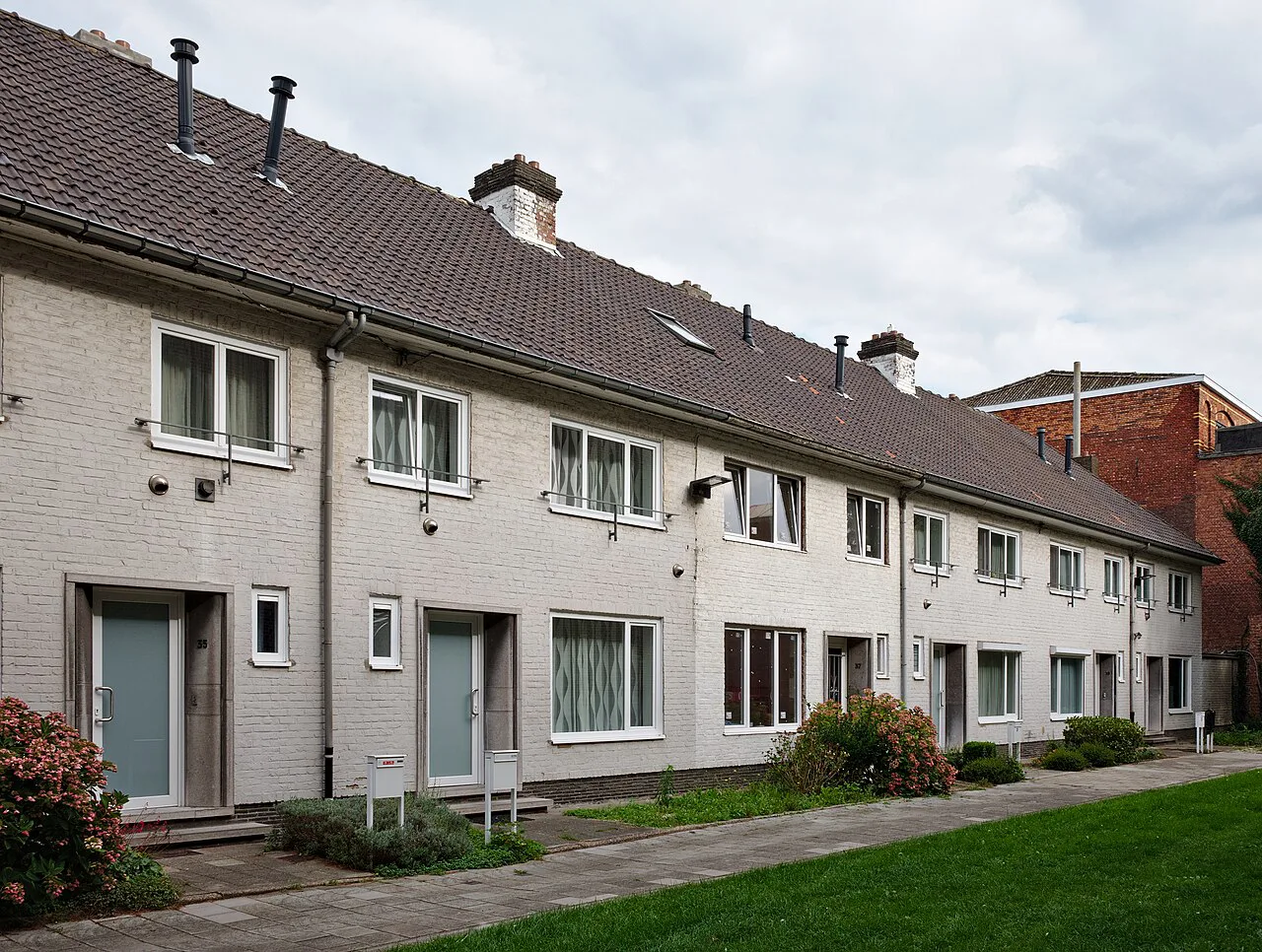
Budget two to three hours in the centre. The Grote Markt, the belfry and town hall, and the streets immediately around them form a compact circuit that leaves time for a coffee and a look at the side streets. If you arrive by train, the station side of town is a short walk from the market, so you can be standing in front of the belfry soon after stepping off. Anyone planning a longer Belgian itinerary should know that this kind of half-day is typical of the smaller belfry towns: Mechelen in a Day or a Weekend is a useful comparison, because Mechelen offers rather more to fill a full day.
An afternoon works better than a morning if you want to see the town hall from the square in decent light and still have time to eat before moving on. A morning suits travellers heading on to Ghent for the afternoon. The trade-off is simple: a short stop covers the belfry and the market well and the rest of the centre lightly. If you want a full day, add a second Flemish town rather than stretching Aalst.
The Grote Markt and the UNESCO-listed belfry and town hall
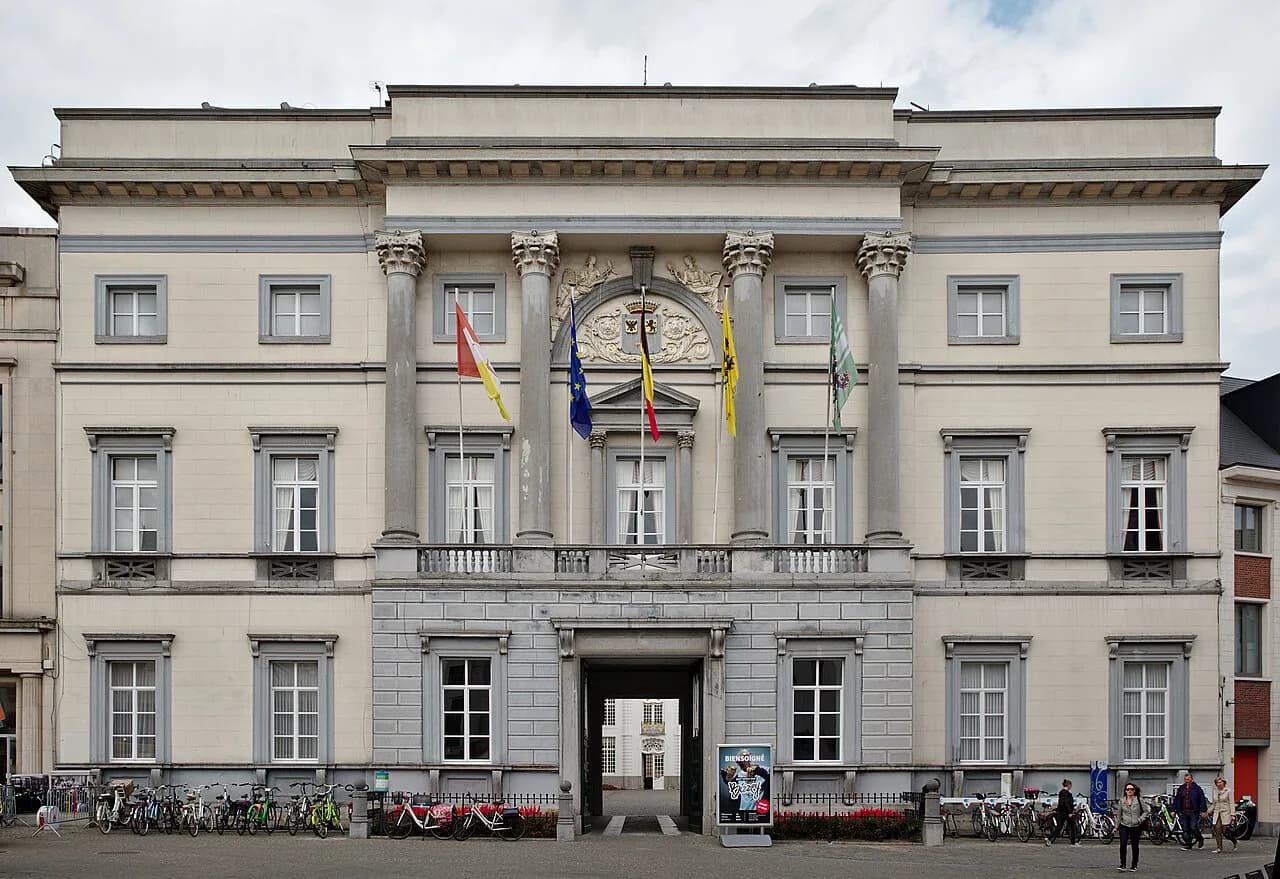
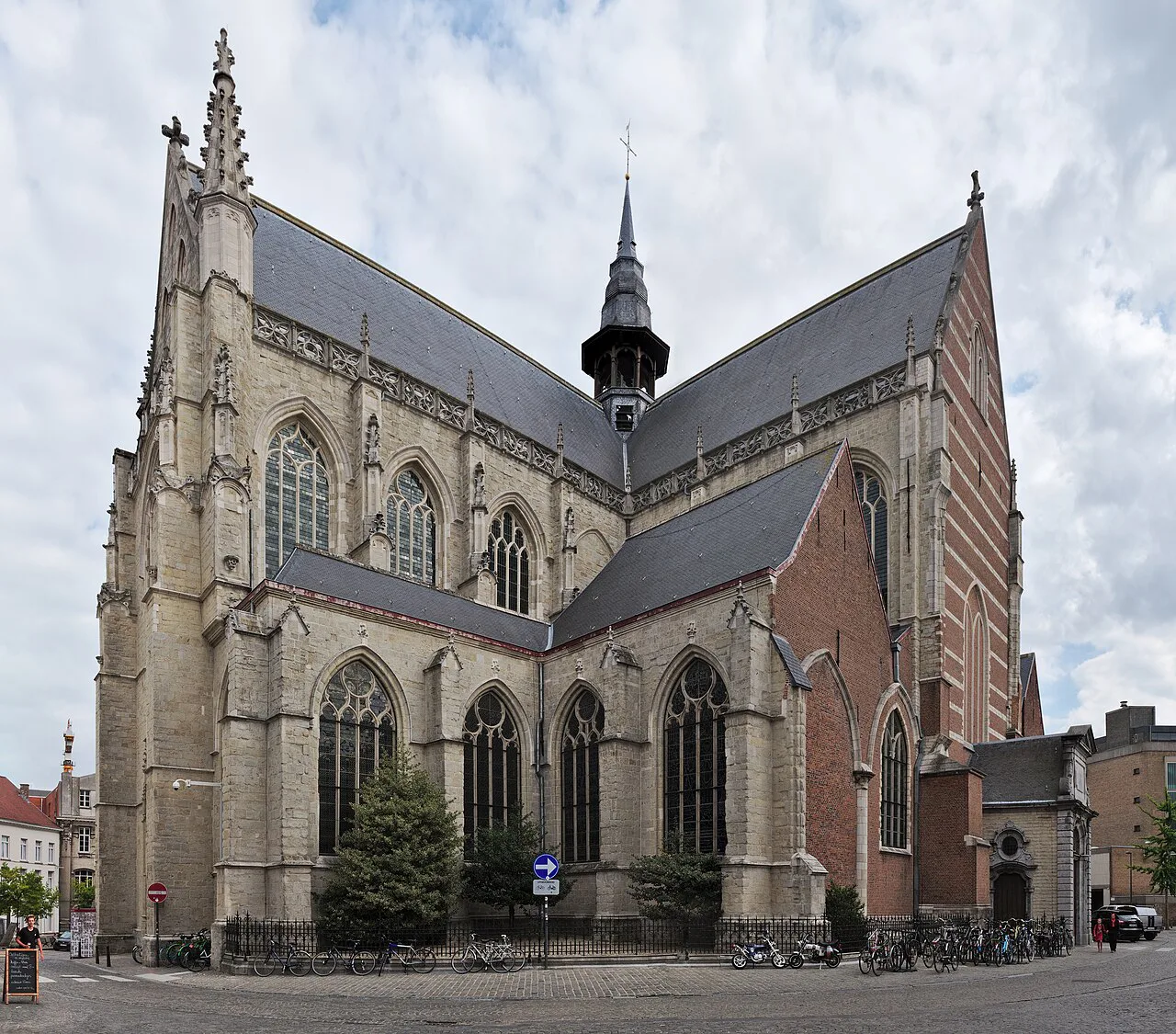
The Grote Markt is the town's main square and the natural place to begin. The belfry and town hall stand here as the centrepiece of a visit, and UNESCO lists them together as a World Heritage complex. That listing is the reason to come: it puts Aalst in the same family of civic towers as the belfries of Ghent and Bruges, and the ensemble of tower and town hall reads as one architectural statement on the square.
Look at the pairing rather than just the tower. A Belgian belfry was a symbol of civic privilege, and when a town hall sits beside it the two buildings tell you how the town governed itself. Compare it with Oudenaarde, where the late-Gothic town hall is the star of the square, or with the Cloth Hall tradition in other Flemish towns where the textile trade paid for the stone. Aalst's version is more modest in scale but belongs to the same story.
Treat the square as a place to stand and look rather than a ticketed attraction. There is no need to build the day around an interior visit, and the town's own tourist office is the place to confirm whether tower access is running when you go. What you get from the Grote Markt is the shape of the town: the belfry and town hall on one side, cafés and shops around the edges, and the streets of the centre running off it.
Daens and the town's political history
Aalst's civic history has a sharper edge than most small Flemish towns, thanks to the priest Adolf Daens and the social movement he led here in the late nineteenth century. Daens pressed for better conditions for the town's textile workers and clashed with the Catholic establishment, and the story was later turned into a well-known Belgian film. For a traveller already interested in Ghent and Bruges, this is the reason Aalst is worth a detour rather than just a change of trains: the town's monument is a belfry, but its identity is industrial and reformist.
Use the Daens story as a lens on the centre rather than as a single sight. Walking the streets around the Grote Markt with that history in mind changes how the square reads: the civic pride on show was built on a textile economy and the arguments that came with it. If your interest is in how Belgian towns governed themselves, pair Aalst with a town whose civic building tells a different story, such as Halle, where the square and church form the centre of a similarly modest Flemish town.
The rest of the centre on foot
Beyond the Grote Markt, the centre is a walk of ordinary streets, small shops and cafés rather than a set of sights. Give it forty minutes on foot and you will have seen most of what a visitor needs. This is where Aalst differs from a town like Kortrijk, where the Broel Towers and the river give the centre a second anchor, or Tongeren, where the Gallo-Roman Museum gives the town a reason for a whole afternoon.
If you are collecting belfry towns, Aalst is one of a group within easy reach of each other. Geraardsbergen has its own belfry tradition alongside the Manneken Pis and the Marbol fountain, Lier has the Zimmer Tower, and Veurne keeps a quiet, well-preserved centre in West Flanders. None of these needs more than a half-day either, and combining two in one trip is the most efficient way to see them.
How Aalst fits between Ghent and Brussels
Put Aalst between the two big cities rather than treating it as a destination in its own right. A straightforward shape is Brussels in the morning, Aalst at midday and Ghent for the evening, or the reverse if you are heading back towards the capital. The town's position in East Flanders makes that sequence easy, and it means you spend your time on the things that are genuinely worth it rather than stretching a small town over a whole day.
For travellers who like churches as much as towers, Tournai in Hainaut makes a good counterweight, with a cathedral and a layout that rewards a full day. Mons, with its own Belfry of Mons, works the same way on the French-speaking side of the country. Aalst is the Flemish, Dutch-speaking, working-town version of that experience, and setting the three against each other gives a more honest picture of Belgium than a run through Bruges alone.
Should you stop in Aalst or go straight to Ghent?
Go straight to Ghent if you have only one day in the region and want museums, canals and a long evening. Stop in Aalst if you have a spare morning or afternoon on the Brussels–Ghent line and want to see a UNESCO-listed belfry and town hall in a town that still works for a living rather than performing for visitors. The stop costs you a couple of hours and gives you a different side of Flanders.
Build the day around the Grote Markt and the belfry and town hall, read up on Daens before you arrive, and leave the rest of the centre to an unhurried walk. If the belfry becomes the start of a longer habit, the other Belgian towns with towers and cloth halls make a natural next route.
Explore more Belgium guides
Frequently Asked Questions
What does the name Aalst mean?
The name is the town's Dutch name; in French it is Alost, and in the local dialect Oilsjt. That is the extent of what the town's name tells a visitor, so treat it as a label for the place rather than as a clue to its sights.
Where is Aalst in Belgium?
Aalst is in East Flanders, between Ghent and Brussels, which is why it works best as a stop on the way between the two rather than as a base. Its nearest large neighbour is Ghent, and Brussels lies on the other side.
Sources
Useful notes for your next trip
Optional updates to our guides.
You might also like
Continue reading
More guides you'll find useful