
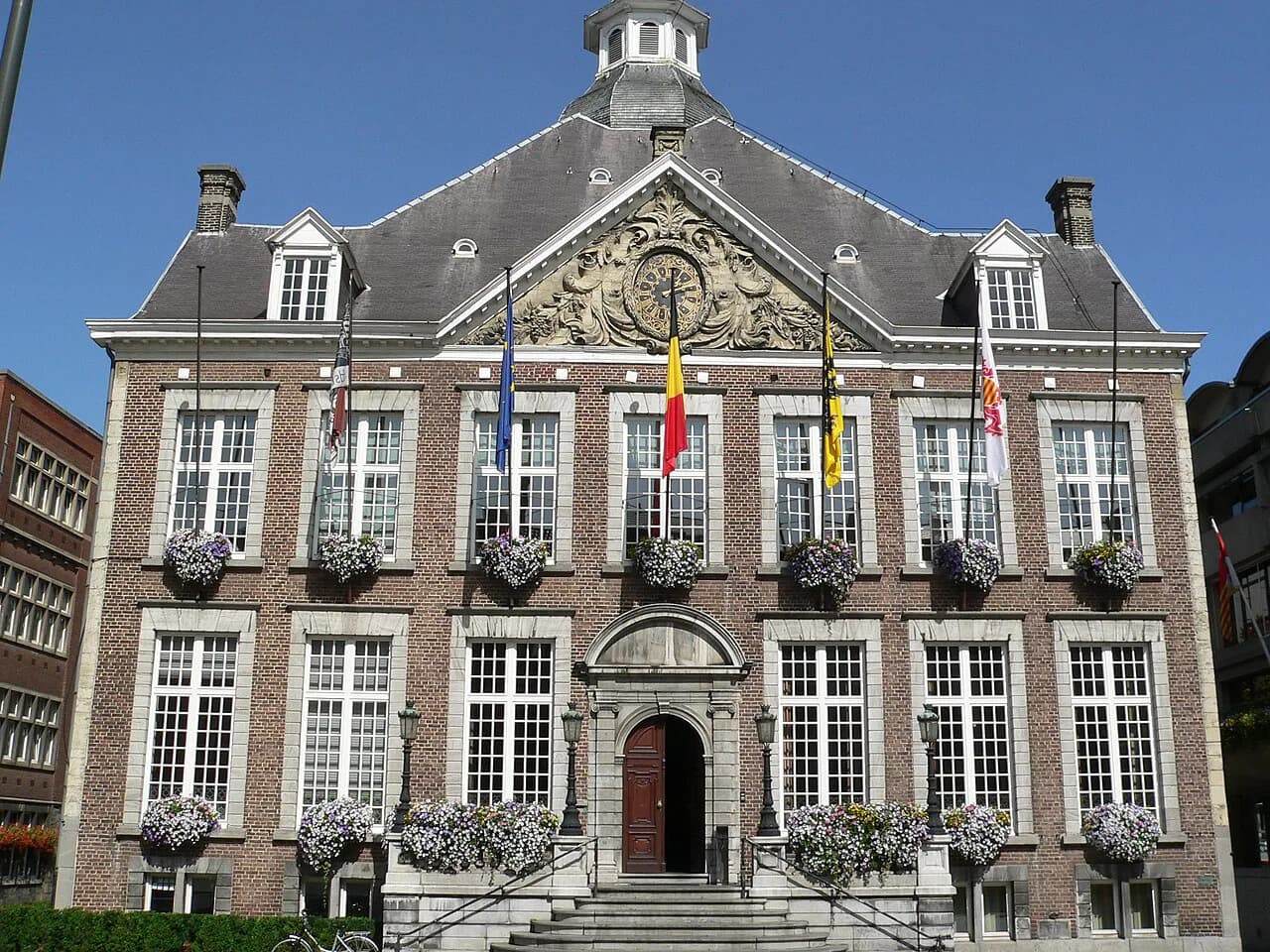
Hasselt in a Day: Jenever Museum, Japanese Garden and Shopping Streets
Plan a short break in Hasselt with the Jenever Museum, the Japanese garden and the shopping streets, plus how the town is laid out and how long it needs.
On this page
One day is enough for Hasselt's main sights if you keep the plan tight: a morning in the Jenever Museum, an afternoon in the Japanese garden and a wander through the shopping streets between them. The town is compact and walkable, so you spend your time looking rather than travelling. This guide sets out what Hasselt is known for, how the centre is laid out, what each of the two headline sights involves, and where the town fits into a one- to four-day Belgian trip.
What Hasselt is known for, and whether one day is enough
Hasselt is the capital of Limburg, the Dutch-speaking province in Belgium's east, and it is best known for two things that sit oddly well together: jenever, the juniper spirit that Belgians and the Dutch both claim, and a Japanese garden planted as a gesture of friendship with Japan. Add a dense shopping centre and you have a town with a clear identity that is not built on canals or belfries. That is the honest trade-off: come here for jenever heritage and an unusual garden, not for the postcard streets of Bruges or Ghent.
A single day covers the core comfortably. The Jenever Museum and the Japanese garden each take a focused block of time, and the streets between them are short enough to walk without planning transport. If you want a slower pace, two days let you split the museum and garden across separate mornings and leave the afternoon free for the shops and squares. On a first visit, though, one full day is the sensible unit.
How Hasselt is laid out: which sights and shopping streets sit close together
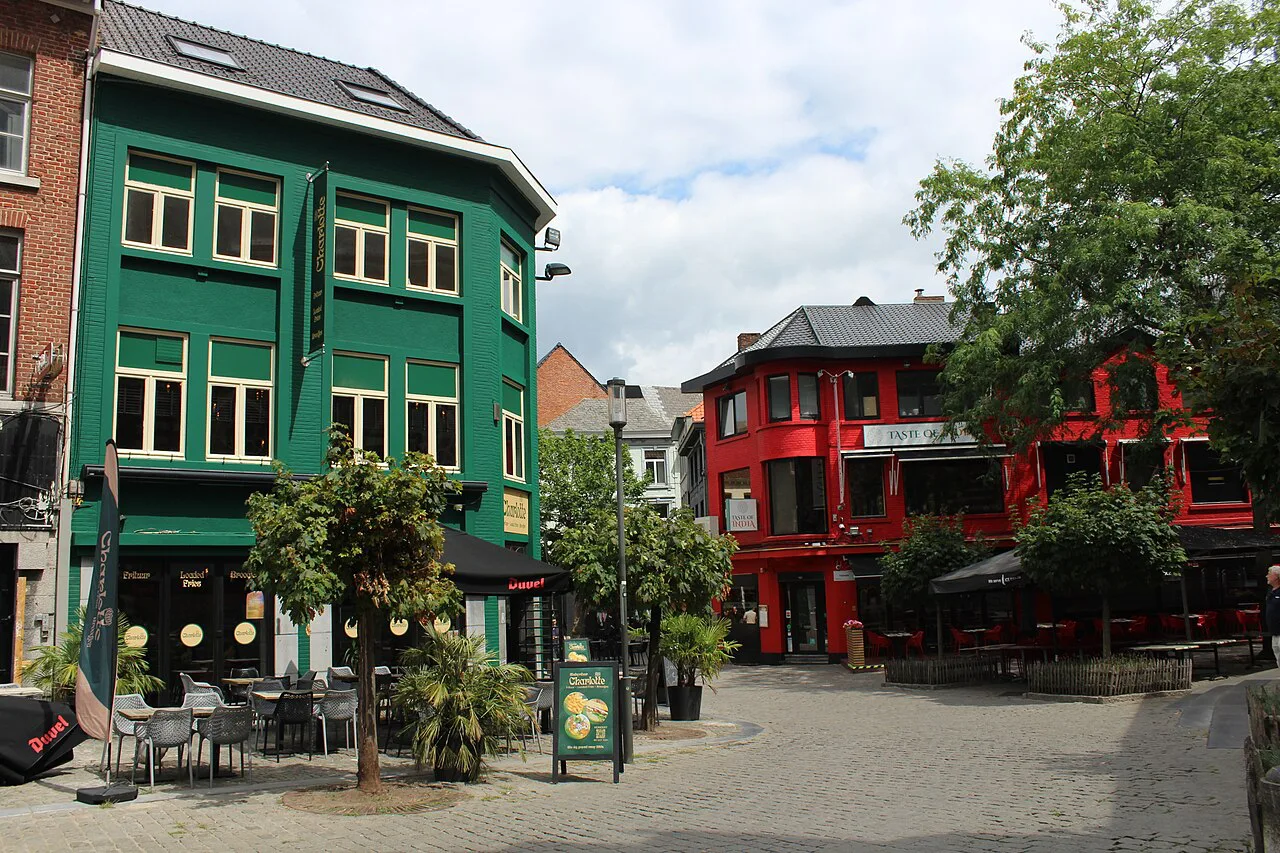
The centre is small enough that the useful mental map is a simple one: the shopping streets form the spine, with the Jenever Museum and the Japanese garden as the two outer anchors of a walkable loop. Rather than criss-crossing town, build the day as a line: start with the museum, cross the shopping heart at midday and finish in the garden. That sequence keeps you moving forward and avoids retracing steps.
This layout is why Hasselt works as a short break and less well as a flying visit between trains. The compact centre rewards an unhurried wander, and the short distances mean you can change plan mid-morning without losing time. If you are weighing Hasselt against the bigger-name stops on the same trip, browse the wider set of Belgian towns to see which compact centres reward a day of their own. Those comparisons matter more than any single sight, because Hasselt's appeal is the combination rather than one unmissable monument.
The Jenever Museum: what to expect from Belgium's jenever heritage
The Jenever Museum is the reason most travellers put Hasselt on an itinerary at all, and it is the one sight worth checking the day's programme for before you fix your date. Independent guides covering Hasselt list the jenever museums as the town's defining attraction, alongside the Japanese garden and the shopping streets, which is a fair summary of what the centre offers. It tells the story of the juniper spirit through the town's own distilling past, so treat it as a heritage visit rather than a quick tasting stop: the point is the history and the process.
Because it anchors the trip, it shapes how you spend the rest of your time. If jenever is the main draw, the museum justifies the journey on its own; if you are indifferent to spirits, the Japanese garden carries more of the day. Either way, the visit is the first block of a one-day plan, not an afterthought squeezed in before a train.
The Japanese garden: why it exists in Limburg and what it is like to walk through
The Japanese garden is Hasselt's surprise: a formal garden built as a symbol of the friendship between the town and Japan, which gives Limburg a reason to visit that Bruges, Ghent and Antwerp simply do not have. It is a place to walk slowly, look at the planting and the composition, and let the pace drop after the museum. Keep it as the afternoon's centrepiece rather than a passing glance on the way somewhere else.
The garden and the museum are a deliberately contrasting pair, and that is the day's real shape: industrial and agricultural history in the morning, quiet formal planting in the afternoon. If you are travelling with someone who likes one and not the other, split the day between you and meet in the shopping streets. The garden is also the part of Hasselt most likely to win over a traveller who thinks they have seen every Belgian town.
Hasselt's shopping streets and main squares on a wander
Between the two headline sights, the shopping streets are where Hasselt feels like a working provincial capital rather than a museum town. This is a real shopping centre for Limburg, so the streets are busiest when locals are out and quieter early in the day. Use the middle of the day for this stretch: browse, have lunch, and let the town's everyday life fill the gap between the museum and the garden.
The squares give the walk its rhythm, with the shopping streets threading between them, so a loose loop takes in both without a map. If you enjoy comparing Belgian town centres, a day here and a day in Mechelen in a Day or a Weekend make an instructive pair: both are compact, walkable and short on the headline sights that pull crowds to Bruges. The contrast is the point, not a consolation prize.
Where Hasselt fits with the other Belgian cities on a 1-4 day trip
Hasselt belongs on a longer Belgian trip as a deliberate change of register, not as a substitute for the famous stops. Bruges, Ghent and Antwerp deliver canals, belfries and dense old centres; Hasselt delivers a jenever museum, the Japanese garden and a shopping centre that feels lived-in. Put it after two or three of the big names and it reads as a welcome shift rather than a lesser version of the same thing.
On a one- to four-day trip, Hasselt works best as a single full day within a wider loop, especially if you are already heading east towards Limburg. It slots naturally against Leuven, the other university town within reach, and against Antwerp as the big-city counterweight. Lier, Belgium is the quieter alternative nearby if you want another compact Flemish centre in the same leg, with its Zimmer Tower and small-town scale. If your trip is only two days, choose between Hasselt and the bigger names rather than trying to fit both; the town needs an unhurried day to make sense.
When to visit Hasselt: typical seasons and climate
Hasselt sits in the same temperate, maritime-influenced climate as the rest of lowland Belgium, with mild, changeable weather through the year and no reliable dry season. Spring and early autumn give the most comfortable conditions for the kind of walking this day involves, with the Japanese garden at its most interesting in the growing season. High summer brings the warmest days and the most company in the shopping streets, while winter shortens daylight and turns the garden into a brief visit.
Because the itinerary is mostly outdoors plus one museum, weather decides the shape of the day more than the season does. On a wet day, take the museum block first and keep the garden stretch flexible. If you want to see how other Belgian towns handle the same climate question, the wider Belgian Towns Worth Visiting pages treat the trade-offs town by town. Today's weather and the week ahead are best checked close to the date.
Getting to Hasselt from Brussels and the surrounding region
Hasselt is in Limburg, east of Brussels and north-east of Leuven, and it connects to the Belgian rail network rather than sitting on a branch line. Brussels is the usual arrival hub for travellers from the UK and further afield, and the practical approach is to check the current journey options before you commit to a day, because timetables and connections change. Once you are in Hasselt, the centre is walkable, so you do not need local transport to complete the plan.
Thinking of Hasselt as part of a loop is more useful than treating it as a standalone destination. Pair it with Leuven on the way east, or with Antwerp if you want a big city on the same leg, and book the rest of the trip around that axis. If you are already planning around the southern towns, the Meuse valley route gives you a second, contrasting half to a Belgian break.
Is Hasselt worth a day of your Belgian trip?
Yes, if you want a Belgian day built on something other than canals and belfries. The Jenever Museum and the Japanese garden make a distinctive pair, and the compact shopping centre fills the hours between them without any need for transport. Go if jenever heritage or a formal garden appeals; if your heart is set on the classic postcard streets, spend that day in Bruges or Ghent instead.
Explore more Belgium guides
Frequently Asked Questions
What language is spoken in Hasselt?
Hasselt is in Limburg, the Dutch-speaking part of Belgium, so everyday life runs in Dutch. English is widely understood in shops, museums and cafés, and menus and signage aimed at visitors are usually translated.
Is one day in Hasselt enough?
One full day covers the Jenever Museum, the Japanese garden and the shopping streets at an unhurried pace. Two days let you split the museum and the garden across separate mornings, which suits anyone who wants a slower trip.
Sources
Useful notes for your next trip
Optional updates to our guides.
You might also like



Continue reading
More guides you'll find useful





