
Reinhardstein Castle: Visiting the Rebuilt Castle Above the Warche
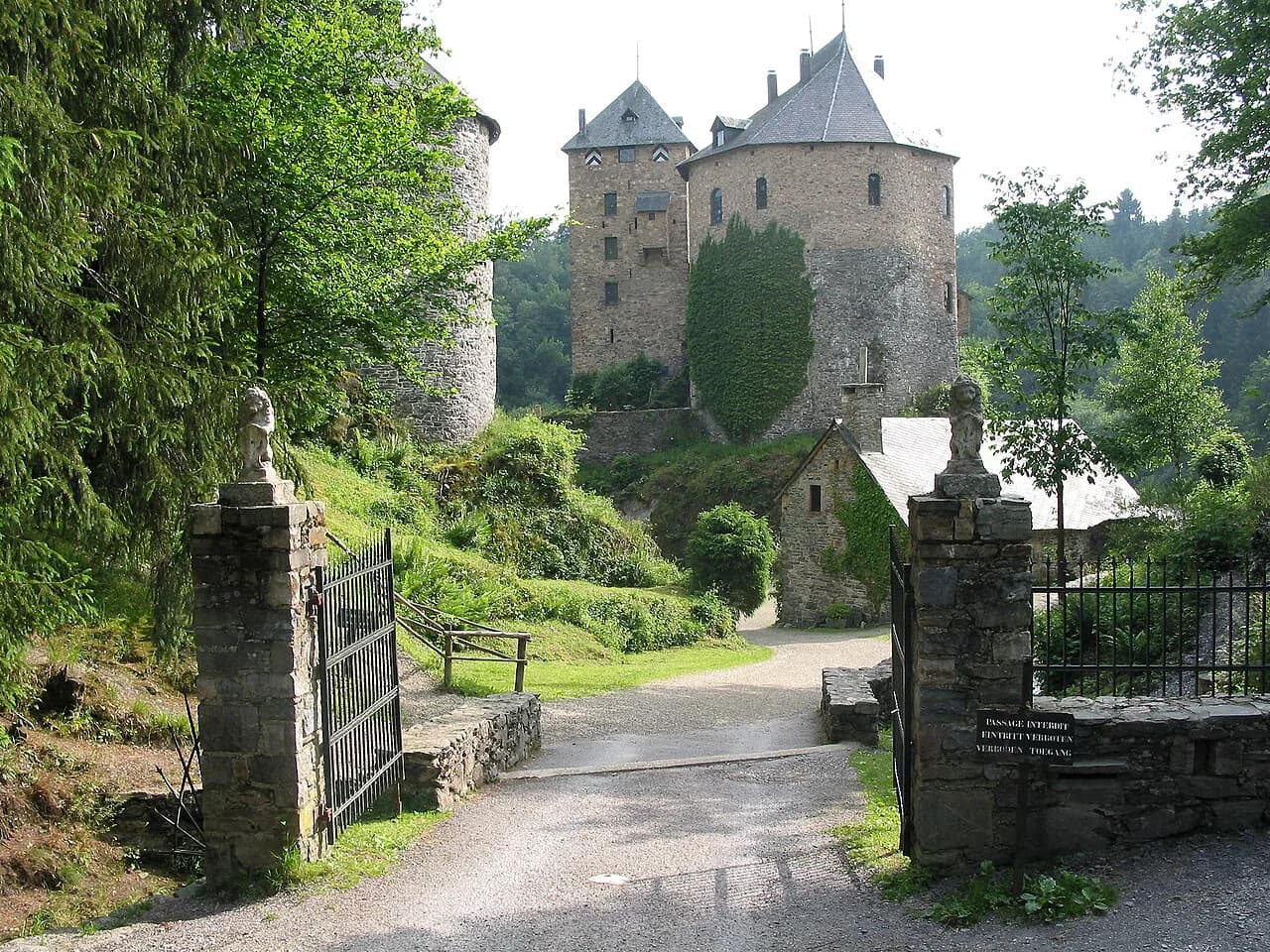
Reinhardstein Castle hangs above the Warche valley near Ovifat. Here is what the guided tour covers, how the castle was rebuilt and what the visit involves.
On this page
Reinhardstein Castle is a guided visit of about an hour through a medieval castle on a rock spur above the Warche, near Ovifat in the Hautes Fagnes. You cannot wander the interior alone: the castle runs visitors through the Knights' Hall, guards' room, chapel, apartments and tower with a guide, and the building you walk through is largely a reconstruction carried out between 1970 and 1980. This guide sets out what the tour covers, what the museum holds, how the castle was lost and rebuilt, and what the approach through the valley is like.
What Reinhardstein Castle is and where it sits above the Warche
Reinhardstein stands at the head of a steep, narrow valley in the Eastern Townships, the German-speaking part of Belgium near the Hautes Fagnes. The castle takes its name from Reinhard of Weismes, the vassal of Wenceslaus of Luxembourg who was granted permission to build here in 1354, when Wenceslaus was still count. The river Warche runs below the walls, and the site commands the valley rather than sitting beside it.
The nearest village is Ovifat, the castle's own address, with Malmedy the larger town in the area. Because the castle sits in a dead-end valley rather than on a through road, you do not pass it by accident; it is the destination of the walk. As the tourist office describes it, the valley narrows into a canyon on the way down, which makes the first sight of the walls on their rocky spur the defining moment of the visit.
The guided tour: Knights' Hall, guards' room, chapel, apartments and tower
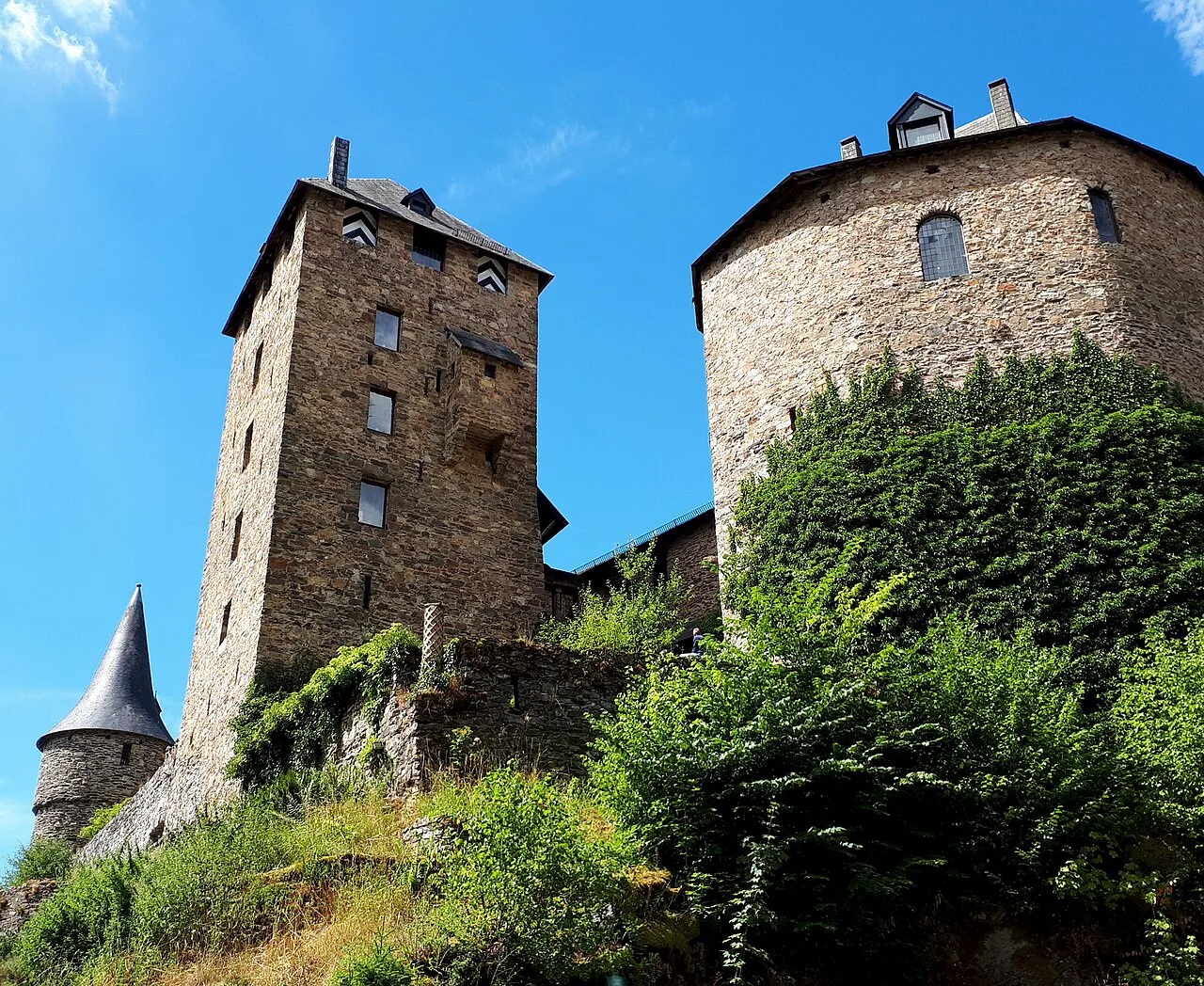
The interior visit is a guided tour of about one hour, moving through the main building and the tower. The rooms named by the castle are the Knights' Hall, the guards' room, the chapel and the apartments, with the tower as a separate stop. Knowing the list in advance helps you pace your attention: the halls and armour, the domestic rooms, and the tower.
Treat the hour as the length of the guided tour, not of the whole outing. The approach through the valley, the time before your tour starts and any stop at the tavern all sit outside that figure. If you are combining Reinhardstein with another stop in the Ardennes, build the drive and the walk into the day rather than assuming the castle fills it.
Inside the museum: armour, paintings, chests and tapestries
The castle is furnished as a museum, with suits of armour, paintings, chests and tapestries distributed through the rooms. The Ardennes tourism office describes suits weighing over 30 kilos each, which is the best argument for taking the guided tour rather than rushing the rooms.
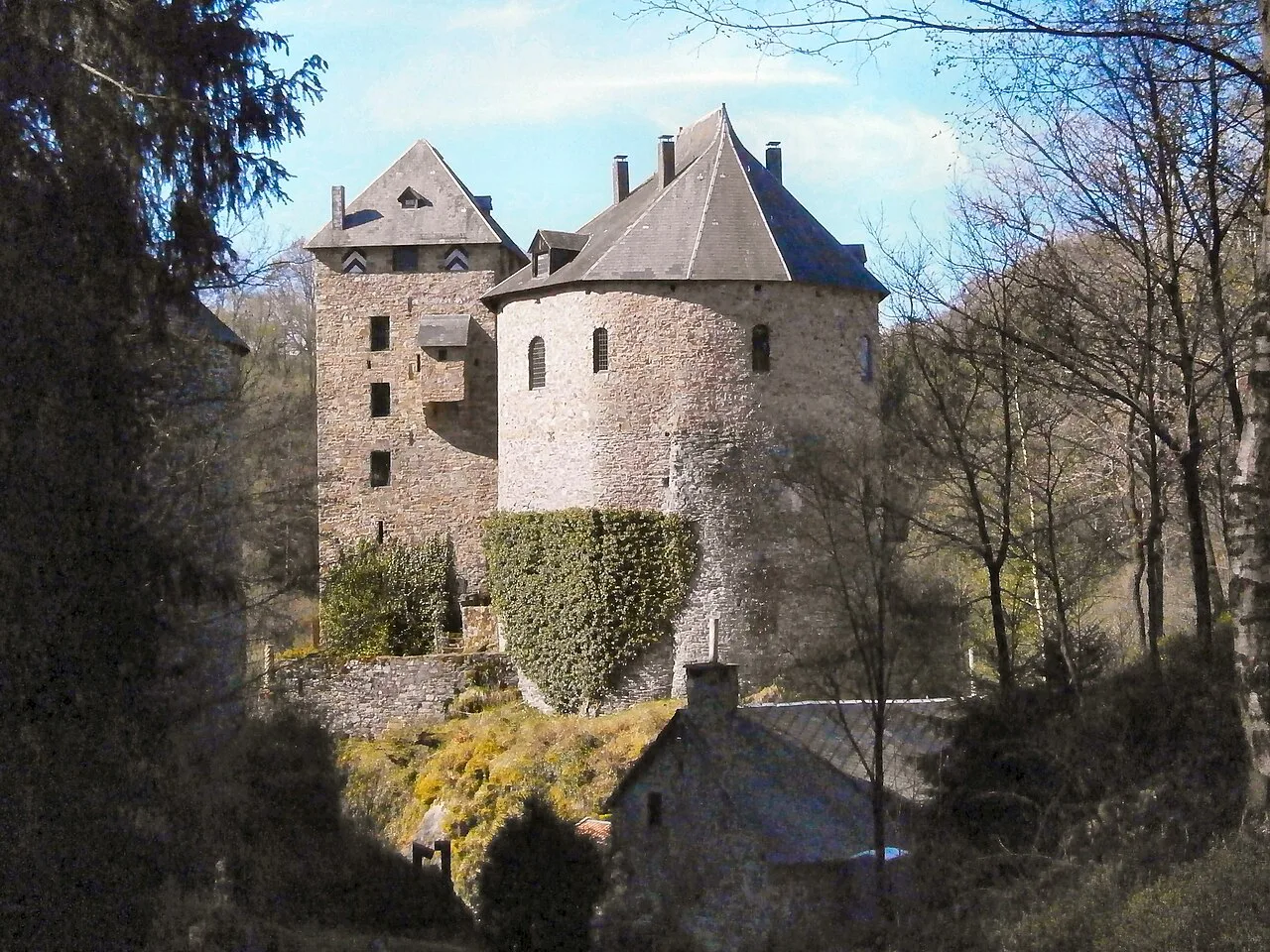
The furnishing reflects the reconstruction: after the rebuilding, the interiors were refitted, so what you see is a modern museum installed in rebuilt medieval volumes. That is not a criticism, but it changes how you read the fabric. Look at the slate roofs and the rubble sandstone walls as the work of the twentieth century, and the layout and documents behind them as the medieval inheritance.
How the castle was lost and rebuilt
Reinhardstein passed by inheritance and marriage through several families. In 1550, the marriage of Anne of Nassau to Guillaume of Metternich brought the castle to the Metternich family, who held it until the French Revolution. In 1812, Count Metternich, father of the chancellor of the Congress of Vienna, sold the building, and it was then abandoned and decayed badly.
The rescue came from Professor Overloop, who rebuilt the castle between 1970 and 1980 on the basis of its ruins and fourteenth-century documents. The result is a careful re-creation rather than a survival: the walls, roofs and round tower were raised again to the medieval plan. Holding both facts together is what makes a visit interesting, because the castle is honest about being a reconstruction while still standing on the original defensive site.
The castle's military life also had a wider purpose. It guarded the abbatial principality of Stavelot-Malmedy, a territory that overlapped the Duchy of Limbourg-Luxembourg; because the prince-abbot could not bear arms, the Duke of Luxembourg defended him, and a garrison here could reach the abbey about six kilometres away at a gallop. That arrangement explains why a castle of this size sits in such a remote valley.
The setting: a rock spur, a sixty-metre drop and the forest approach
The castle occupies a natural truncated spur with the valley plunging about sixty metres below its walls. The sides are abrupt enough that the sun barely reaches the valley floor, which is why the approach feels austere even on a bright day. This is the strongest part of the visit for many travellers.
The valley carried the leather route, the region's only passable road in the Middle Ages, and the lords of Waimes levied a passage toll on merchants using it. Knowing this turns the walk down to the gate into something more than scenery: you are following the corridor that gave the castle its reason to exist. Wear shoes that cope with a forest path and steep ground, and allow time to stop on the way in.
Archery and the medieval dinner
Two bookable extras sit alongside the castle visit. Archery sessions run with a professional instructor for groups of at least ten people, so they suit a party or a family group rather than a solo traveller or a couple. The medieval dinner, billed as breaking bread with the Manants, is a separate event and not part of the standard tour.
Neither extra is something to turn up for on the day. The castle publishes both on its own site, and the practical step is to decide before you travel whether either is part of your plan, then build the rest of the day around it. If you are touring several Walloon castles, this is the one that adds a group activity rather than another set of rooms; the castle of Bouillon, further south, offers a different combination of fortress and museum.
The practical shape of a visit
Plan the visit around the guided tour: book through the castle's own site, arrive with time for the valley walk, and expect the tour itself to take about an hour. The castle publishes its booking arrangements and contact details at Chemin du Cheneux 50, 4950 Ovifat. Check the current visiting arrangements before setting out, since a guided format means you cannot simply turn up and walk in at any moment.
Reinhardstein is best treated as one substantial stop in an Ardennes day rather than a full day out. Pair it with the Hautes Fagnes landscape around it or with another castle in the region, and keep the drive in mind when you choose where to base yourself. For a broader look at the country's castles and how they differ, see our guide to castles in Belgium.
Is Reinhardstein worth the detour?
Yes, if you want a guided hour inside a convincingly rebuilt medieval castle in a dramatic valley, and you are willing to walk in to reach it. The reconstruction is the point rather than a drawback: you get the rooms, the armour and the tower view with a guide, on the site of a fortress that guarded the Stavelot-Malmedy principality from 1354.
It suits travellers who are already in the Ardennes and can give it half a day including the approach; it does not suit anyone hoping for a quick roadside stop or a free-roaming castle. If your trip is built around the Flemish cities instead, compare the moated Beersel castle near Brussels or the Château de Vêves in the Ardennes before committing the drive.
Explore more Belgium guides
Frequently Asked Questions
Can you visit Reinhardstein Castle without a guide?
The interior is visited on a guided tour of about one hour covering the Knights' Hall, guards' room, chapel, apartments and tower. The castle arranges visits through its own site, so plan around a guided slot rather than turning up to wander through.
Is Reinhardstein Castle original or rebuilt?
The castle you see is largely a reconstruction. Professor Overloop rebuilt it between 1970 and 1980 using the ruins and fourteenth-century documents, after the building was sold in 1812 and left to decay. The site and the defensive position, granted in 1354, are the medieval inheritance.
How long does a visit to Reinhardstein Castle take?
Allow about an hour for the guided tour itself. The walk down the Warche valley to the gate, the time before your tour and any stop at the tavern come on top, so give the outing half a day if you are driving in from elsewhere in the Ardennes.
Sources
Useful notes for your next trip
Optional updates to our guides.
You might also like



Continue reading
More guides you'll find useful





