
Beersel Castle: A Moated Medieval Fortress Near Brussels
Beersel Castle is a 14th-century brick water castle ten kilometres south of Brussels, ringed by a moat and towers. Here is what to see and how to visit.
On this page
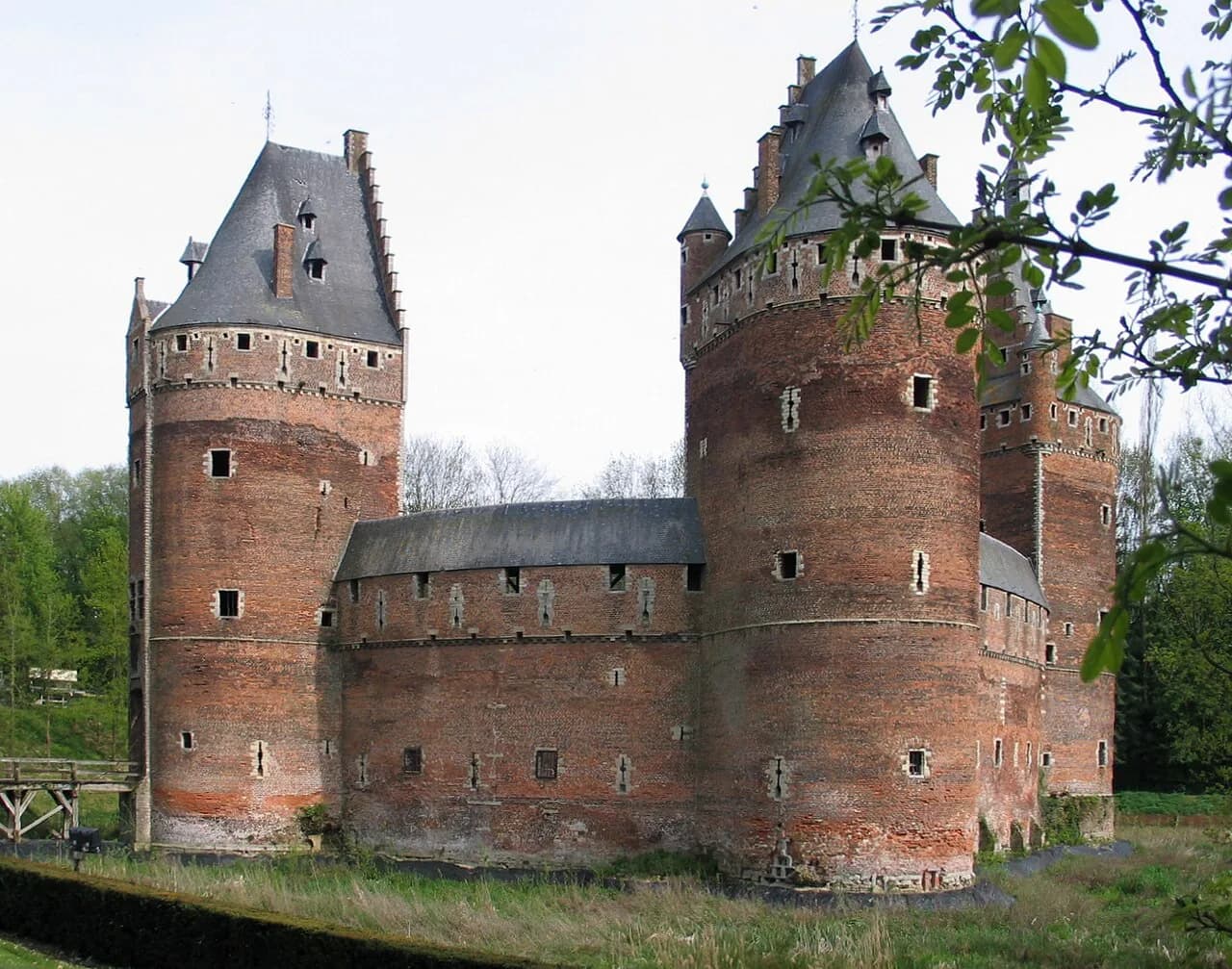
Beersel Castle is a moated brick fortress from the early 14th century, standing roughly ten kilometres south of Brussels. It is a compact visit built around one strong image: chestnut-coloured towers doubled in a still moat, with a park around them for lingering afterwards. This guide covers what the castle is, why it was built, what makes its brick construction unusual, how to read its later history, and how it fits a short break based in Brussels.
The castle sits in the commune of Beersel, in Flemish Brabant, close enough to the capital to be a half-day rather than a full excursion. It is a single monument, not a town, so plan the trip around the building, the moat and the surrounding green space. If you are assembling a wider castle itinerary, it works best as one stop in a sequence rather than the centrepiece of a week.
What Beersel Castle Is
Beersel Castle, or Kasteel van Beersel, is a medieval water castle: a defensive structure built on a moated site so that the approach is across water rather than open ground. The surviving building dates from the early 14th century, and its brick walls and towers rise straight from the moat. The moat is the defining feature, reflecting the facades and the grey roofs so that the castle reads as a single colour field from the far bank.
The site is in the commune of Beersel, about ten kilometres south of Brussels, which makes it one of the closest genuine medieval castles to the city. That proximity is the practical reason to choose it: you get a moated fortress without a long transfer. The trade-off is scale, since this is a single castle with a park rather than a sprawling estate with multiple buildings to tour.
Why It Was Built: The Border with Hainaut
The castle was raised in the early 14th century to guard the border of the Duchy of Brabant against the County of Hainaut. The officer behind it, Godefroid de Hellebeke, chose land in Beersel for a fortress on that frontier. Read the building in that light and its shape makes sense: thick walls, few ground-level openings and a moat are the vocabulary of border defence rather than aristocratic display.
That frontier purpose explains why the castle feels compact and military rather than palatial. There is no grand ceremonial courtyard on the scale of a royal residence; the emphasis is on enclosure and control of the approach. For a visitor, this is the main interpretive key, because the pleasure of the visit comes from walking the moat edge and seeing how the defences were arranged.
What Makes Beersel Unusual: Brick, Sandstone and Ecaussines Stone
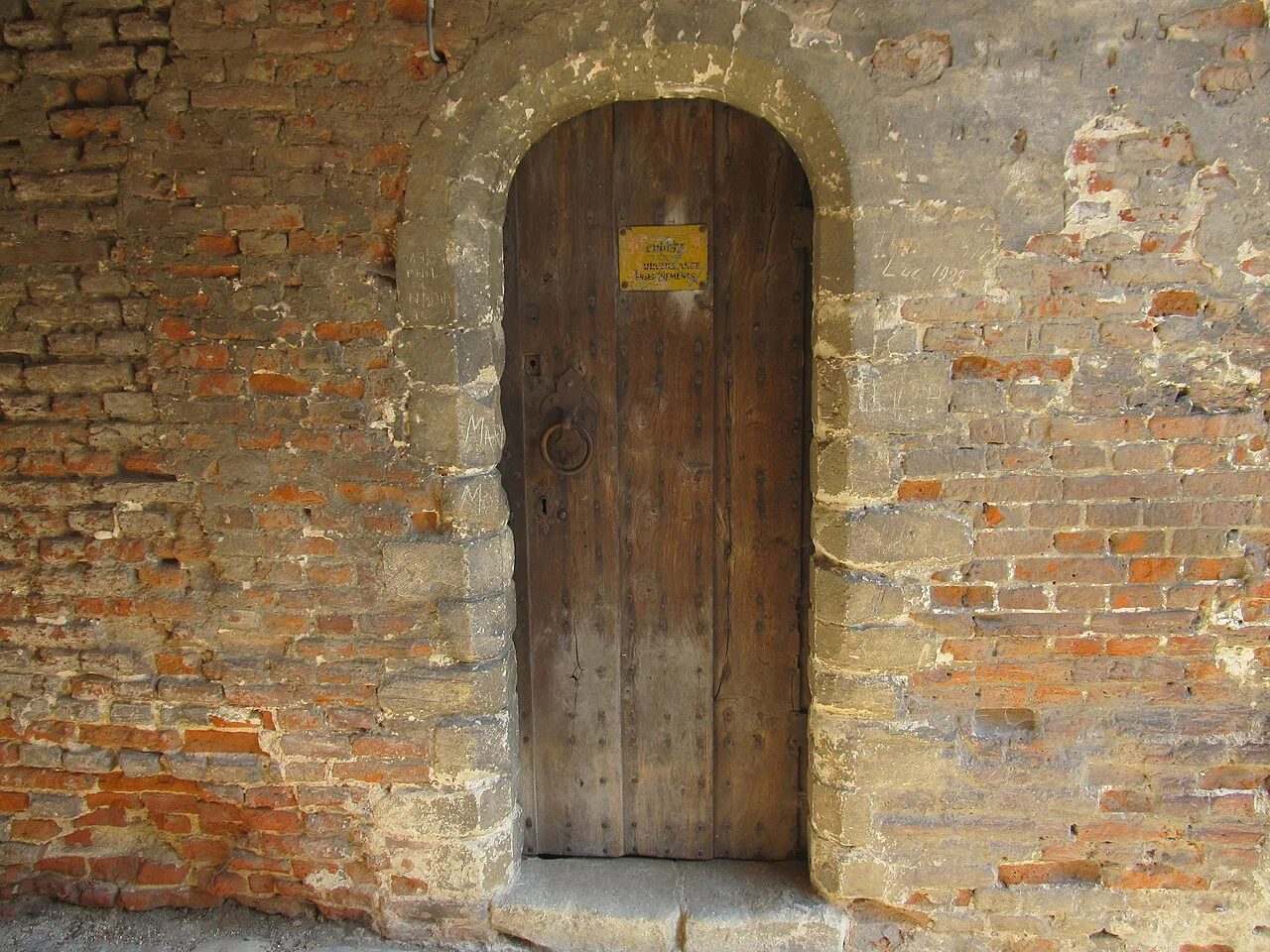
The striking thing about Beersel is the brick. Building a castle in brick was unusual for the period, and it gives the walls the warm chestnut tone that visitors notice first. The foundations, wall corners, window frames and loopholes are made of Ledien sandstone and stone from Ecaussines in Hainaut, so the brick mass is picked out in paler stone at the points that carry load or need shaping. That mixture is why Beersel does not look like the grey stone fortresses elsewhere in Belgium.
When you walk around the outside, look for the contrast between the brick field and the stone dressings at corners, windows and loopholes. The loopholes are the narrow openings set into the walls; the stone frames around them show where the builders needed harder, more precise material. This is the detail that repays a slow circuit of the moat rather than a quick photograph from the car park.
What You See on a Visit
The moat and its reflections are the main visual draw. On a still day the water carries the towers and roofs, which is why the castle photographs so well from across the water. Give yourself time at the water's edge before going closer, because the reflection is the image you will remember.
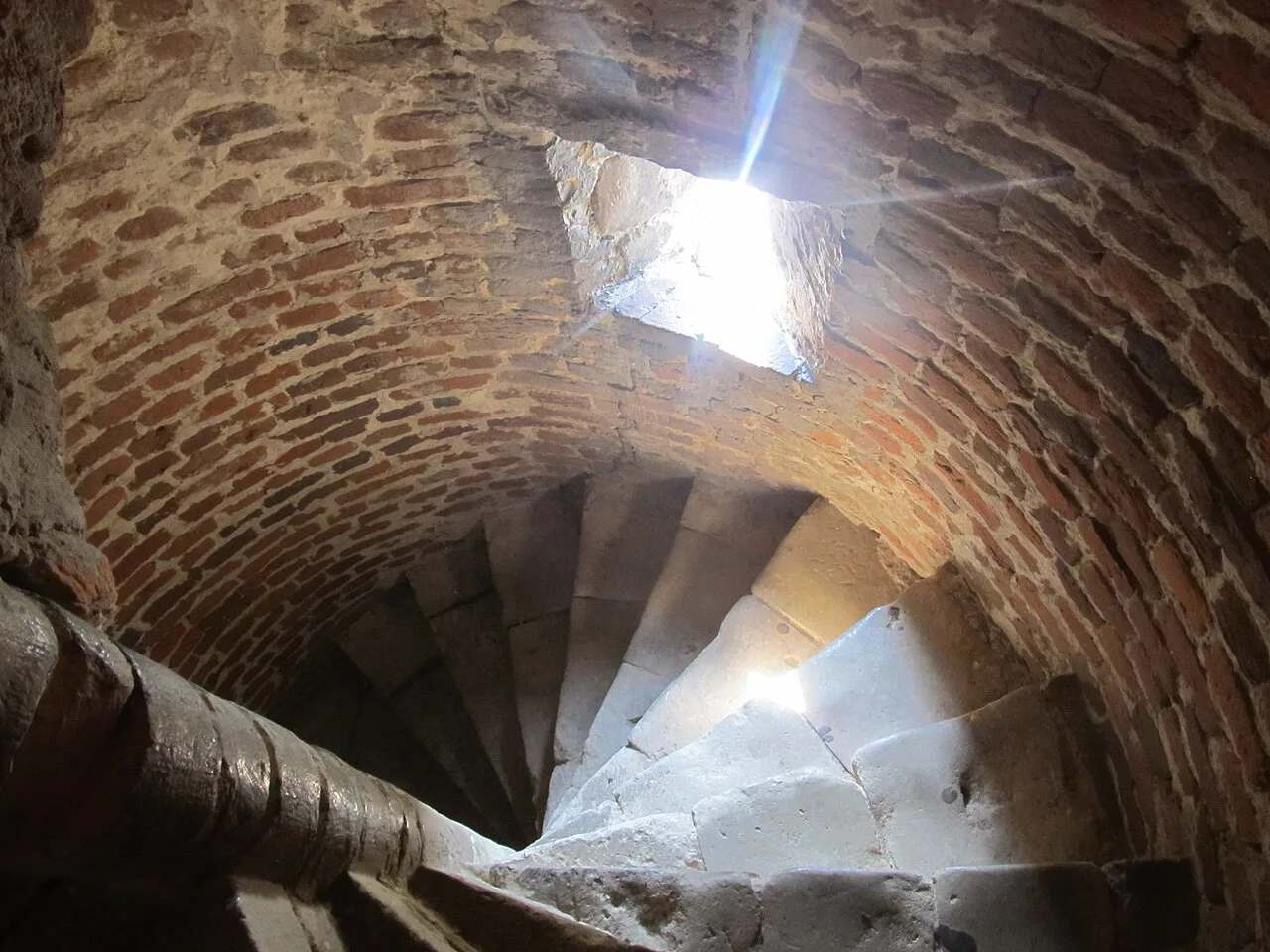
Within the walls you see the towers and the courtyard, the working parts of a defensive fortress. The surrounding park at Beersel is the reason to linger rather than turn straight round, and it turns a short castle stop into a half-day out. If you are travelling with a tight schedule, the moat circuit and the courtyard are the essentials; the park is the bonus.
Set the castle in the context of other Belgian fortresses and the differences stand out. The castle of Bouillon, for instance, sits on a dramatic ridge above its town and is a much larger, hilltop experience. Beersel is the opposite: low, water-ringed, brick-built and quick to absorb.
The Castle's Later Life: Wittem, Arenberg and Victor Hugo
The castle was first home to the Wittem family and later to the Arenberg family. In the 19th century it was leased to a cotton manufacturer, a period in which the building was neglected rather than cherished. That decline is part of why the castle looks so romantically weathered today.
Victor Hugo wrote about the decaying castle, describing a lonely manor in its valley where the slightest noise has faded beneath its arches and stones fall from the battlements as the hours pass. The lines capture exactly the ruinous mood that 19th-century visitors found there. They are worth reading before you go, because they prime you to notice the masonry and the silence of the moat.
The castle was restored in the 20th century and enjoyed considerable success in the 1940s, when plays were even staged within its walls. That combination of military origin, long neglect and modern revival is what gives Beersel its charm: it is a fortress that has been domestic, industrial and theatrical in turn.
How Long to Allow and Fitting It into a Brussels Short Break
Allow a half-day for Beersel if you are based in Brussels: enough for the moat circuit, the courtyard and a walk in the park. A shorter stop is possible if you treat it as a photo pause, but the castle rewards a slower pace. Because it is only about ten kilometres from the city, it slots easily into a one- to four-day break without eating a whole day.
The practical pattern is to pair the castle with time in Brussels rather than trying to combine it with a second distant castle. Treat it as the countryside counterpoint to a city break: a morning or afternoon out, then back for the evening. If you want to see several fortresses on one trip, a dedicated castles itinerary makes more sense than squeezing two into a single day.
Where Beersel Sits Among Belgium's Medieval Castles
Beersel is counted among Belgium's most beautiful medieval castles, alongside Bouillon, Corroy, Ghent, Horst, Lavaux and Vêves. That is a company of varied sites rather than a league table, and each has a different character. Use the list as a menu: ridge-top Bouillon, the Ardennes setting of Vêves and the moated brick intimacy of Beersel are genuinely different days out.
Among the other castles in Belgium, Beersel's distinctive contribution is its brick construction and its closeness to Brussels. Bouillon brings the scale and drama of a hilltop fortress, while Vêves offers a much-photographed Ardennes silhouette. Beersel's advantage is convenience: you can see a real moated castle and be back in the city the same afternoon.
If you are extending the trip west or north, the castles near Bruges make a natural second chapter. Closer to Brussels, Gaasbeek castle is another moated option worth weighing against Beersel if you have a spare day.
Is Beersel Worth a Half-Day from Brussels?
Yes, if you want a genuine moated castle without a long journey. Beersel gives you brick towers rising from water, a readable defensive plan and a park to walk in, all within about ten kilometres of Brussels. The honest trade-off is that it is a single compact site, so pair it with time in the city rather than expecting a full day out.
If your tastes run to ridge-top drama, the castle of Bouillon is the stronger choice; if you want convenience, Beersel wins. Either way, build the day around the castle itself rather than treating it as a stop on a longer drive. The municipal site is the place to confirm current visiting arrangements before you set out.
Explore more Belgium guides
Frequently Asked Questions
How far is Beersel Castle from Brussels?
It stands about ten kilometres south of Brussels, in the commune of Beersel in Flemish Brabant. That short distance makes it one of the easiest medieval castles to reach from the city.
Why is Beersel Castle built of brick?
Brick construction was unusual for a castle of this period, and it gives Beersel its warm chestnut colour. The foundations, wall corners, window frames and loopholes are made of Ledien sandstone and stone from Ecaussines, which picks out the structural points in paler stone.
Who built Beersel Castle and why?
Godefroid de Hellebeke built it in the early 14th century to defend the border of the Duchy of Brabant against the County of Hainaut. The fortifications reflect that frontier purpose.
Which Belgian castles are comparable to Beersel?
Beersel is grouped with Bouillon, Corroy, Ghent, Horst, Lavaux and Vêves as one of Belgium's most beautiful medieval castles. Each is a different day out: Bouillon for ridge-top drama, Vêves for its Ardennes setting, Beersel for moated brick intimacy close to Brussels.
Sources
Useful notes for your next trip
Optional updates to our guides.
You might also like



Continue reading
More guides you'll find useful





