
Sanctuary Wood Museum: Preserved WWI Trenches at Hill 62

Sanctuary Wood Museum is worth an hour of your time in Ypres if you want to walk a preserved British trench line rather than look at one from a path. It sits at Hill 62 on Canadalaan, about two miles east of Ypres (Ieper) near Hooge and the Ypres-Menin road, and it combines a private museum with open trenches in the remnant wood outside.
The visit works in two parts: a single indoor room of relics and stereoviewers, then a walk through the trench system itself, which is uneven, often muddy and partly roofed with corrugated iron. What follows covers where it is, what you see, how long to allow and what else is on the same lane.
Where Sanctuary Wood Museum sits in the Salient
The museum stands in Sanctuary Wood itself, a small wood south of the Ypres-Menin road near Hooge, at the point known as Hill 62. It is a private museum on Canadalaan, and the same lane carries a cemetery and a Canadian memorial within a short walk, so the stop naturally groups into three parts. See also our wider pick of Ypres Attractions: 13 Visitor Guides for the rest of the Salient.
The wood's name comes from its early war role: soldiers sheltered there while trying to rejoin their units, and the name stuck even after shelling in November 1914 made it grimly inappropriate. British trench maps of the period mark it, which is why the site reads as a piece of the old front line rather than a later reconstruction in a field.


Getting there from Ypres
Canadalaan runs east of Ypres off the road towards Menin, close to Hooge. Coming from the town centre, the practical options are a car or bicycle along the N8 corridor, or a taxi; the lane itself is narrow, so plan your arrival rather than improvising at the gate.
If you are covering the Salient in one day, treat Hill 62 as a stop between Ypres and the Passchendaele side rather than a separate excursion. The Passchendaele Museum at Zonnebeke and Tyne Cot Cemetery lie further along the same axis and make a natural second half of the day.
The trenches behind the museum
Behind the building, a path leads into the wood and down into the trench system, which is extensive and includes sections that run beneath elephant-iron corrugated roofing. This is one of the few places on the Salient where an original trench layout can still be seen in something like its wartime form, because most trenches elsewhere were filled in and ploughed over by returning farmers.
An 'L'-shaped tunnel about four feet high was found in the early 1980s when ground collapsed over it; it was built by British Army engineers, has since been cleared and lit, and can be walked through in suitable footwear. Lighting and low headroom mean you crouch and watch your step rather than stride through.
The ground tells its own story. There is usually at least a little mud in the trenches even in summer, the earth around the trench line is worn bald by years of visitors, and shell holes pock the area beyond the walkways, with a shell-blasted tree where people leave poppies. Boots with grip are the sensible choice; sandals or smooth soles make the duckboards and clay unpleasant.
Whether the trenches are strictly original has been argued over for decades. Some visitors assume they are a reconstruction, but Paul Reed's Walking Ypres treats them as sitting on the line of genuine British second-line trenches of 1915–1916, and the site is best understood as a preserved fragment that has been repaired and stabilised rather than a clean rebuild.
Inside the museum: relics and stereoviews
You enter through the café into a single room with display cases on tables in the centre and photographs on the walls, all of it drawn from equipment and personal effects recovered in the immediate area. Outside near the entrance stand larger pieces, including a rare British Army cook's wagon, preserved in the 1980s by volunteers from the Royal Corps of Transport, and several German stone grave markers brought in from battlefield burials after 1918.
The stereoviewers are the reason many people remember the place. Viewing boxes set out on benches hold large collections of 3D photographs made after the war, and the effect is startlingly clear: trenches, artillery, the dead. Some images are graphic and upsetting, which matters if you are visiting with anyone for whom that content would be difficult.
How long to allow
Allow around an hour for the museum and trenches together; the indoor room is small, but the wood and tunnel take longer than the building suggests, especially if the ground is wet. Add twenty minutes if you walk down to the cemetery and memorial on the same lane.
Sanctuary Wood suits travellers who want to feel the scale of a trench line and can handle uneven, muddy footing and a confined tunnel. It is less suitable for anyone with mobility difficulties or a tight schedule.
Sanctuary Wood Cemetery and the Hill 62 memorial
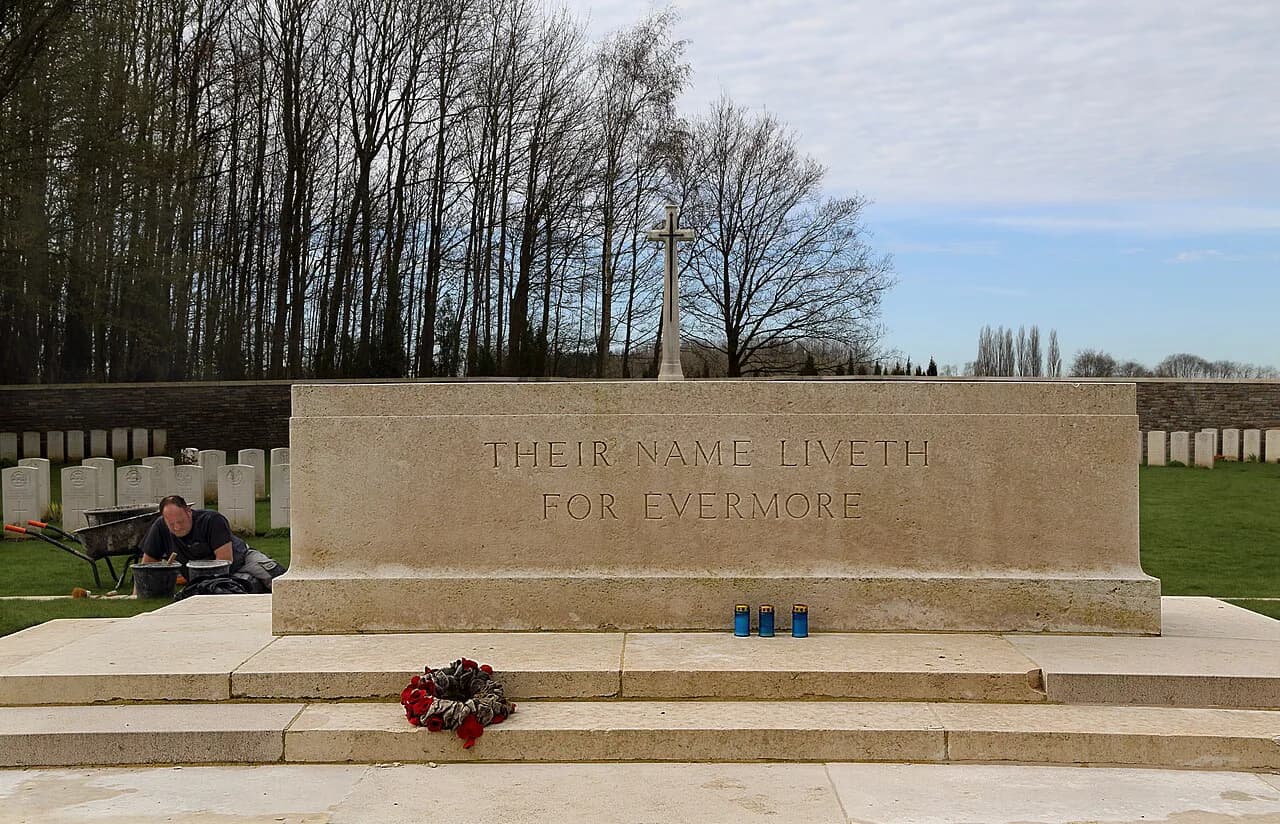
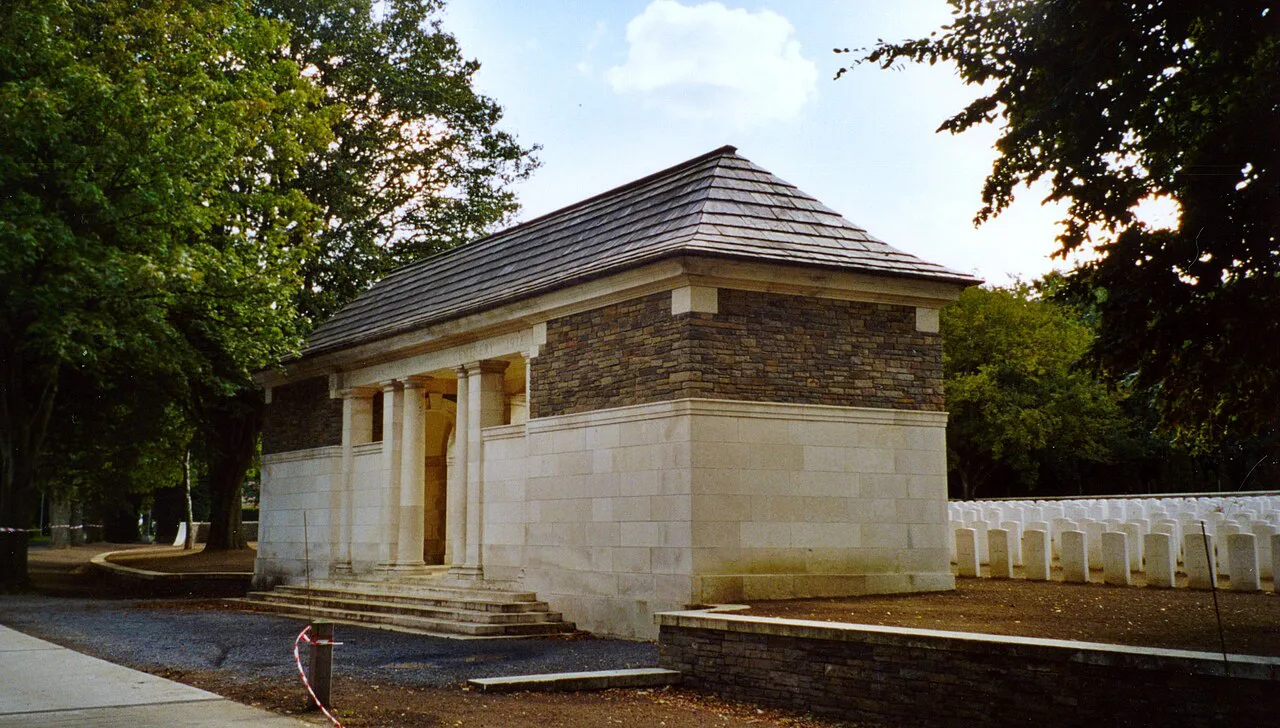
About 100 metres down Canadalaan from the museum is Sanctuary Wood Cemetery. Three British cemeteries originally stood in the wood from 1915 onwards, all severely damaged during the fighting for Mount Sorrel; two were never found again after the war.
Further along the same lane stands the Hill 62 (Sanctuary Wood) Canadian Memorial, which marks the Canadian position in the fighting here in 1916. Read together with the museum and cemetery, the three stops give a rounded picture of the ground: the trench line, the graves and the memorial.

What to pair with it in the eastern Salient
Hooge is a few minutes back towards Ypres, and Hooge Crater Museum there holds a large collection of uniforms, weapons and photographs. It is a useful counterweight: more conventional museum display, less mud.
Hill 60, another cratered and contested piece of the front line, lies closer to Ypres off the Zillebeke road and makes a short second stop if you are driving or cycling. The two together give you both the preserved trench layout and the cratered, mine-scarred ground.
On the other side of the Salient, Langemark German cemetery offers the German perspective, with its flat markers and mass grave, and is a sobering complement to the British cemeteries around Ypres.
Back in town, the Menin Gate (Menenpoort), Ypres is the obvious evening counterpart to a day on the battlefields, and the daily Last Post ceremony draws crowds to the gate on the road you have been travelling. Arrive early if you want to stand close to the arches.
Is Sanctuary Wood worth the detour?
Yes, if you want to walk a trench line and see a dense private collection that has grown out of one family's ground. The trade-offs are real: muddy, uneven footing, a low tunnel, graphic photographs inside and an authenticity debate that the site does not settle.
Pair it with Sanctuary Wood Cemetery and the Hill 62 Canadian Memorial on the same lane, and check the museum's published hours and admission before you set out, since they are set by the family that runs the site.
Explore more Ypres guides
Frequently Asked Questions
Can you visit WWI trenches in Belgium?
Yes. Sanctuary Wood at Hill 62 near Ypres keeps a stretch of British trench line, including roofed sections and a short walkable tunnel, and is one of the few places on the Salient where an original layout survives. The ground is uneven and often muddy, so wear grippy footwear.
What happened at Hill 62?
Hill 62, at Sanctuary Wood, saw heavy fighting in 1916, including the Canadian Corps' actions commemorated by the memorial on Canadalaan. The cemetery records the destruction of three original burial grounds during the Mount Sorrel fighting.
How long does a visit to Sanctuary Wood Museum take?
Allow about an hour for the museum and trenches, plus twenty minutes if you add the cemetery and Hill 62 Canadian Memorial on the same lane. The indoor room is small but the wood and tunnel take longer than expected in wet conditions.