
Hooge Crater Museum: Visiting the WWI Museum at Zillebeke

The Hooge Crater Museum is a private First World War museum at Meenseweg 467 in Zillebeke, on the road running south-east from Ypres (Ieper) through the old front line around Hooge. It holds a collection of roughly 14,000 historical objects, shown alongside a film room and detailed life-like scenes, and it publishes its own admission rates online. This guide covers where it sits, which days it opens, what the collection and the children's trail involve, the guided formats on offer, and how to build the visit into a day around the Hooge battlefield.
What the Hooge Crater Museum is and where it sits
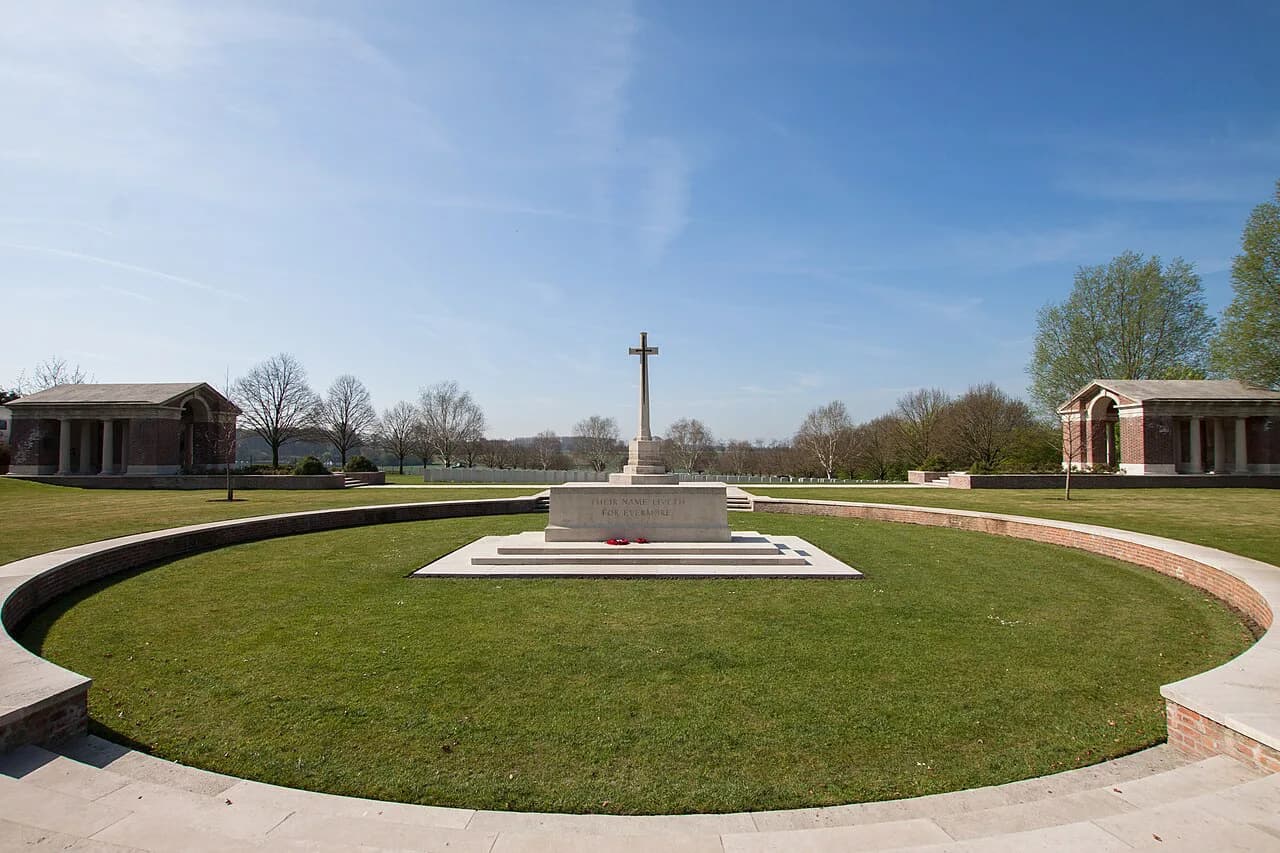
The museum stands at Meenseweg 467, B-8902 Zillebeke, a village absorbed into Ieper and reached by the same road that carried troops and supplies towards the Menin Gate (Menenpoort) and the front beyond. It occupies a site on the eastern edge of the Ypres salient at Hooge, ground fought over repeatedly and now a landscape of craters, trenches, bunkers and cemeteries. Treat it as a private collection rather than a national museum: its appeal is the density of objects and staged scenes rather than vast galleries.
Because the museum sits outside the city centre, it works best as one stop on a tour of the wider battlefields rather than a standalone city attraction. Visitors planning several WWI sites around Ieper can use the Ypres Attractions: 13 Visitor Guides hub to line up the museum with the town's gate, cemeteries and other collections.

Opening days and hours
The museum opens Wednesday to Saturday from 10:00 to 18:00 and Sunday from 10:00 to 21:00, and it stays closed on Monday and Tuesday. Those two closed days are the single most useful planning constraint here: a Monday city break in Ypres will not include this museum, so slot it into the middle of a long weekend instead. The long Sunday opening makes Hooge a realistic late-afternoon stop before returning to Ieper for the evening.
If your trip hinges on Hooge, build the itinerary around a Wednesday-to-Sunday window and keep Monday and Tuesday for the town's own sights.
Ticket prices in euros
Published admission is €9.50 for adults over 26, €7.00 for students aged 18 to 26 and €6.00 for young people aged 7 to 18, with children aged six and under entering free. The price ladder is refreshingly simple: one adult rate, one student rate, one youth rate and free entry for the youngest visitors. Bring student identification if you intend to use the 18-to-26 rate, and budget in euros because the museum quotes its rates in euros rather than sterling.
What to see inside
The core of the visit is the collection of about 14,000 historical objects, gathered into displays that lean on atmosphere rather than chronology alone. A film room gives a visual overview of the war, while detailed dioramas and life-like scenes reconstruct soldiers' everyday reality in the salient. Allow time to read the object labels: the strength of a private museum of this size is the personal material, not blockbuster set pieces.
Set your expectations for a compact, privately run museum rather than a large national institution. That scale is an advantage for anyone who finds the bigger war museums overwhelming: you can see the whole collection in a single focused pass and still have energy for the landscape outside.
The Hooge Boys children's trail
Children move through the museum on their own route, the Hooge Boys trail, using a worksheet and a floor plan to find stops where short films deliver facts and tasks about the First World War. Information boards are mounted at child height and written in simple language, so younger readers can work through the displays without an adult translating every panel. It is a practical reason to bring children aged roughly seven and up, the same group that pays the youth rate.
Guided options and arrangements
A storytelling guide can accompany your visit by the hour, which suits a family or small group wanting context on the objects and the ground around Hooge. Two packaged formats extend beyond the museum: a two-hour walking arrangement with a guide through craters, trenches, bunkers and cemeteries, and a four-hour cycling arrangement, with bicycles available to hire on site. The walking option is the better fit if you want to understand the front line on foot; the cycling option covers far more ground on Bellewaerde Ridge.
How long to allow
For the museum alone, plan on roughly an hour to ninety minutes: enough for the film room, the dioramas and a careful look at the object displays, but not so long that you run out of daylight for the landscape. Add the two-hour guided walk if you want the craters and cemeteries explained, which turns Hooge into a half-day outing from Ieper. If you are combining Hooge with other sites, check the Ypres Attractions hub before fixing times, since several collections keep different closed days.
Instappunt Oost next door
Next to the museum, the Instappunt Oost visitor centre is the starting point for a waymarked walk through the eastern Ypres salient on both sides of the Meenseweg. The route crosses authentically preserved front-line ground, passes important cemeteries, and continues over the original battlefield with its craters and relics on Bellewaerde Ridge. A companion app supports the walk, and the centre is a sensible first stop to orient yourself before entering the museum.
Getting there and arriving by bike
Hooge lies on the Meenseweg heading south-east out of Ieper, so the natural approach is by bike or by road along the same axis. Bicycles can be hired at the museum, which makes a car-free combination of town, museum and ridge possible without loading a bike onto a train. Cycling also lets you link Hooge with Sanctuary Wood Museum further along the same road, another compact private collection in the woods.
Nearby: the cemetery, craters and trenches
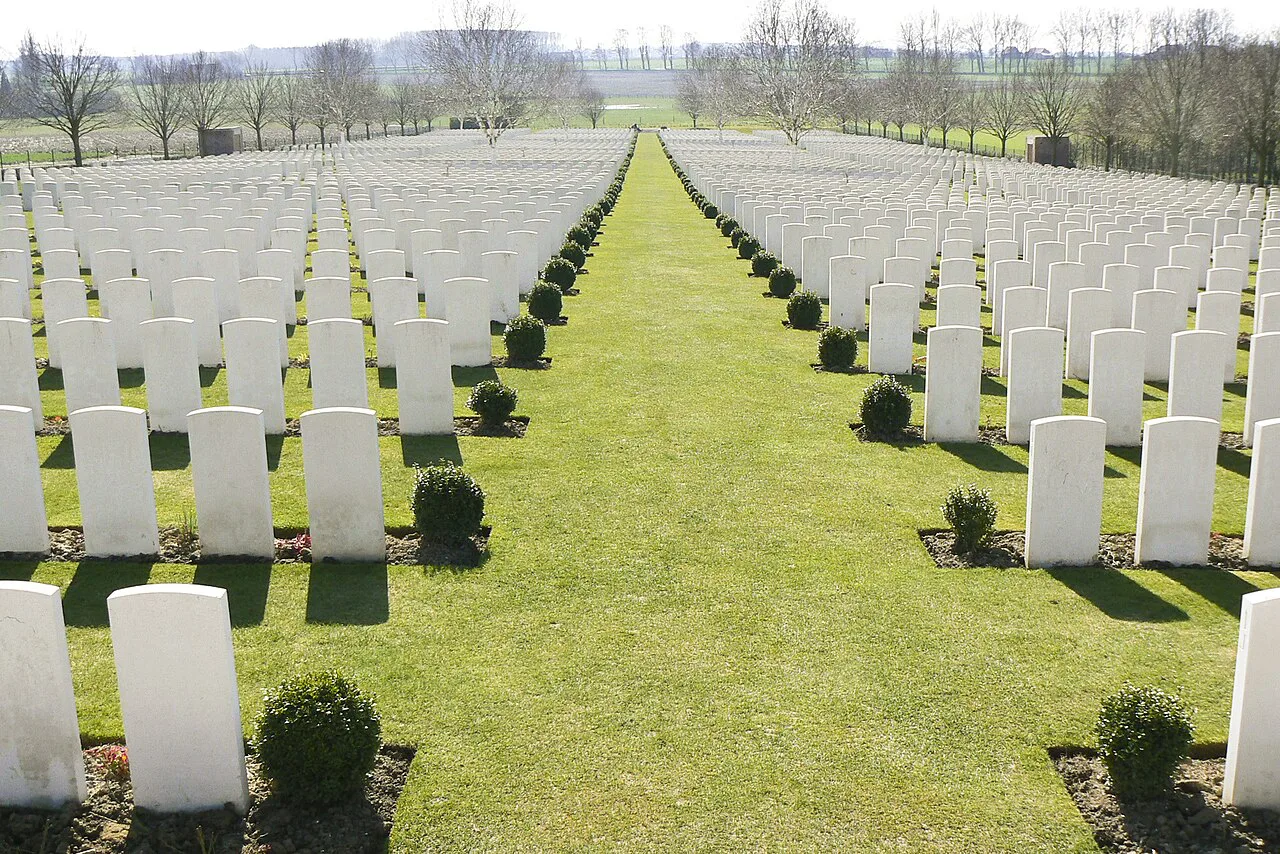
Hooge Crater Cemetery lies beside the museum and the road, one of the burial grounds that give this stretch of the salient its weight. Walking the ground around Hooge reveals the craters, trench lines and bunkers that the guided arrangements are built around, and the cemetery is the quietest place to close a visit. For a wider circuit, Hill 60 Ypres preserves another cratered site within the same battlefield landscape.
Beyond Hooge, the salient's larger memorial sites make a natural second day: Langemark German War Cemetery shows the German perspective, while the Passchendaele museum at Kasteeldomein van Zonnebeke and Tyne Cot Cemetery anchor the northern sector of the battlefield.

Practical trade-offs
The two closed days are the main drawback: a Monday or Tuesday in Ypres rules Hooge out entirely, and the museum is a private collection whose scale means you will not find the breadth of the national In Flanders Fields museum in town. In exchange you get a dense, atmospheric display of original objects, a children's trail that genuinely occupies younger visitors, and guided formats that step straight out into the battlefield. It suits travellers who want the landscape explained as much as the exhibits, and anyone building a day around the Hooge ridge rather than the town centre.
Is Hooge worth a half-day from Ypres?
Yes, if your trip includes a Wednesday to Sunday and you want a compact private museum paired with real battlefield ground. Go early enough to fit the museum and part of the eastern salient walk, and book a storytelling guide or the two-hour walking arrangement if you want the craters and cemeteries read aloud rather than guessed at.
Explore more Ypres guides
Frequently Asked Questions
What caused the Hooge Crater?
The craters around Hooge are the result of heavy underground and artillery warfare on this sector of the Ypres salient during the First World War. The museum's displays and the guided walking arrangement through craters, trenches, bunkers and cemeteries set that fighting in context on the ground itself.
How do I get to the Hooge Crater Museum from Ypres?
The museum is on the Meenseweg at Zillebeke, south-east of Ieper along the road towards the front line. The most straightforward approach is by bike or car along that road, and bicycles can be hired at the museum if you would rather ride out from town.
Can I visit the Hooge Crater Museum on a Monday?
No. The museum is closed on Monday and Tuesday and opens Wednesday to Saturday from 10:00 to 18:00, and Sunday from 10:00 to 21:00. Build your Hooge visit into a Wednesday-to-Sunday itinerary.
How much time should I allow at Hooge?
Allow about an hour to ninety minutes for the museum, covering the film room, the dioramas and the object displays. Add two hours if you join the guided walking arrangement through the surrounding craters, trenches, bunkers and cemeteries.
Is the museum suitable for children?
Children follow the Hooge Boys trail, a self-guided route with a worksheet and floor plan that uses short films and tasks at stops around the museum. Information boards sit at child height in simple language, and children aged seven to 18 pay the youth rate.