
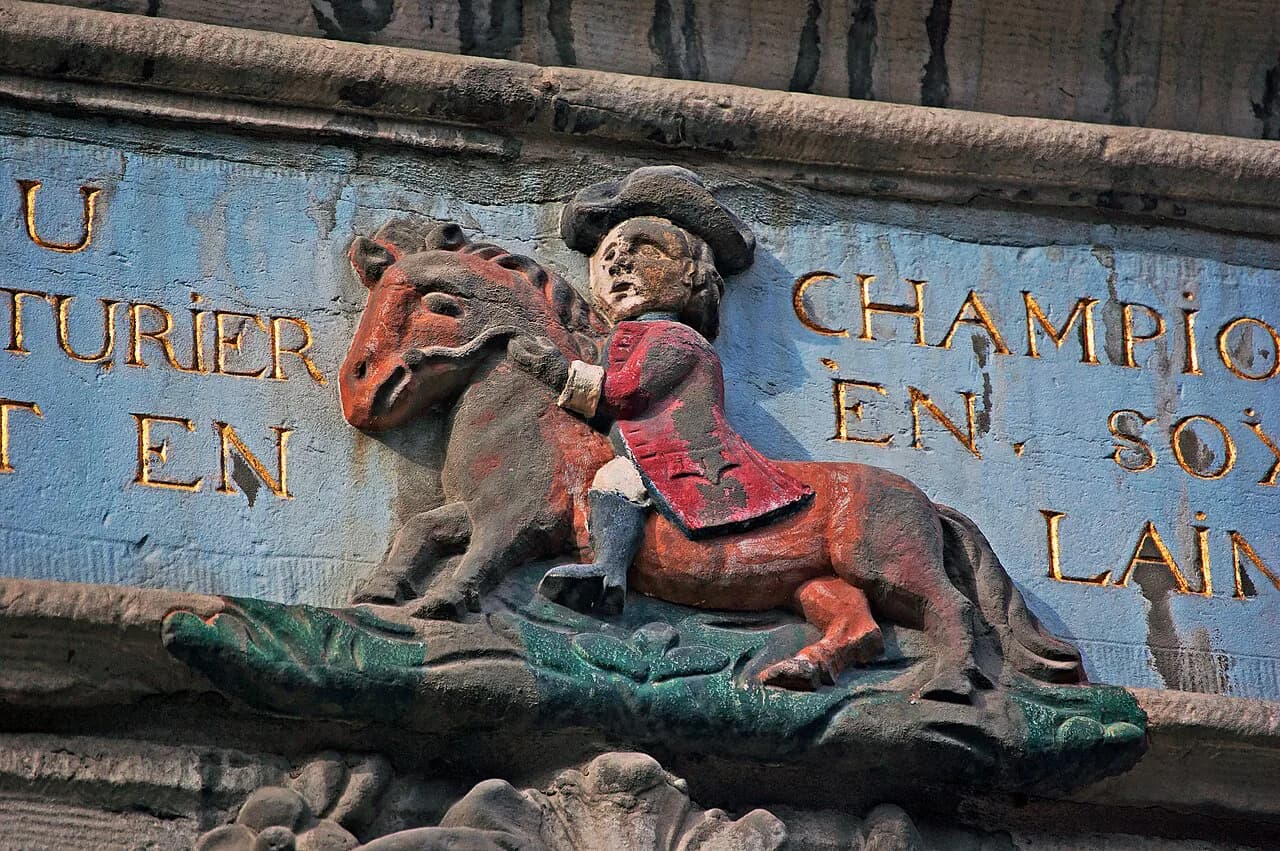
Hors-Château, Liège: A Guide to the Quarter Below the Citadel

Hors-Château suits half a day, not a full one. It is one of Liège's oldest quarters, a single historic street below the citadel lined with narrow closed alleys, best walked on the way down to the main squares rather than as a destination in itself. This guide covers what the street holds, the stepped climb, the museums and church on the same walk, and how the quarter fits a wider Liège plan.
The quarter sits on the slope between the citadel heights and the Place Saint-Lambert, within easy walking distance of the Place du Marché. That position shapes the visit: you climb to see the alleys, then walk down to the flat centre. Read the steep ground into your timing honestly and the rest of the day stays comfortable.
What Hors-Château is and where it sits
Hors-Château is the old quarter at the foot of the citadel, built around the Rue Hors-Château and the side alleys that open off it. Liège's tourist office pairs the street with Saint-Lambert in a single walking route through the historic centre. It is a residential district with a long history, not a set-piece square.
The quarter sits between the citadel slopes above and the Place Saint-Lambert below, with the Place du Marché close by on foot. That puts four major sights within reach of the same walk: the Perron, the Hôtel de Ville, the Palais des princes-évêques and the Place Saint-Lambert itself. Plan Hors-Château as the upper half of a descent through the centre and the geography works for you.
For the wider picture, see Liège Neighborhoods: 6 Area Guides, which maps the districts side by side. Hors-Château is among the smallest and steepest, and it sits on the opposite bank of the Meuse from Outremeuse, Liège. Together those pages help you decide which quarter gets your morning and which gets your afternoon.

The character of the street and its closed alleys
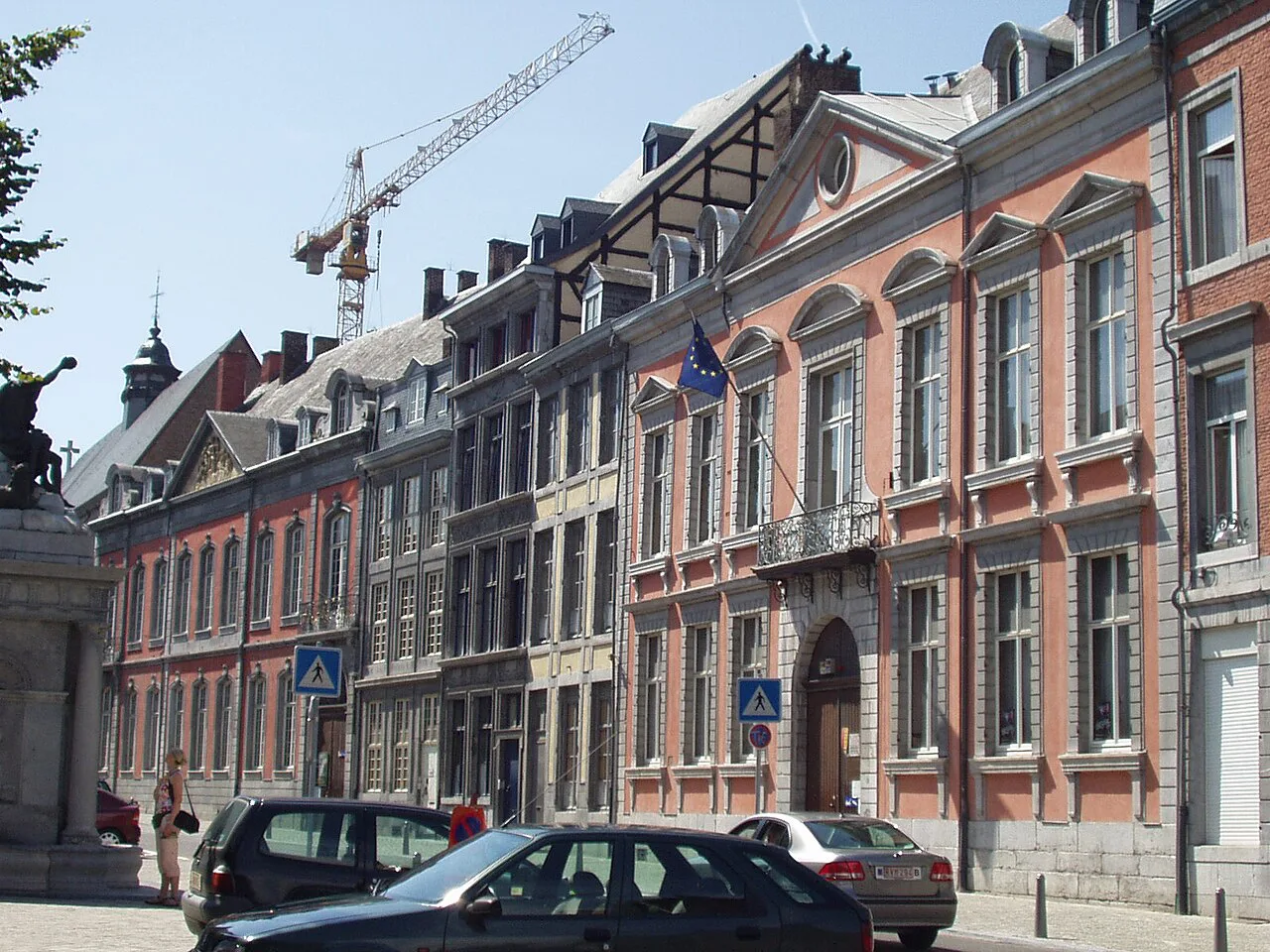
The Rue Hors-Château is lined on both sides with picturesque impasses, the short closed alleys that give the street its character. These are the reason to slow down rather than walk straight through: each opens off the pavement into a narrow courtyard world of its own. They cost nothing to explore, so treat them as the main event rather than a prelude to the climb.
The quarter's built heritage is rich, and the Vandenhove renovation set about preserving the historic character of the old houses while inserting contemporary architecture alongside them. The result is a street that reads as old fabric in dialogue with modern work rather than a uniform facade of restored townhouses. Look for where the two meet as you walk.
Compared with the main squares, Hors-Château is quiet. You come for the alleys, the stepped climbs and a sense of the city's older fabric, then return to the busier centre. If you want the densest concentration of cafés and evening crowds instead, Le Carré, Liège fits that plan.

Montagne de Bueren and the climb to the citadel
The Montagne de Bueren is the stepped climb that leads from the quarter up towards the citadel. It is a flight of stairs, so treat it as a hike rather than a stroll: the ground is steep and the surface is stepped throughout. Walk it slowly, in proper shoes, and turn round on the way up for the view back over the roofs of the lower quarter.
Plan your energy around the climb. The staircase links the old quarter below with the citadel heights above, so go up once and come back down through the same street, or continue across the heights rather than retrace your steps. Do not attempt it at the end of a long day walking the flat centre.
Musée de la Vie wallonne and the former convent
The Musée de la Vie wallonne occupies the former Minorite convent in this part of the quarter. It covers the traditional life of Wallonia, which makes it a natural fit for a street of old houses: the museum explains the everyday culture that shaped the district. Allow proper time for it rather than squeezing it into a passing look.
Set against the rest of the quarter, the museum is the one indoor stop that anchors a half day outdoors. Pair it with the alleys before or after, depending on whether you want to climb first or last. If you are building a longer list of indoor stops across the city, Liège Attractions collects the main ones in one place.
Le Grand Curtius, Saint-Barthélemy and the same walk
Le Grand Curtius is the museum devoted to the city's history, and the tourist office route through this side of the centre takes it in alongside Hors-Château. Start or end the walk there and the quarter makes more sense, because the city's story is laid out before you reach the street itself. Budget a separate block of time rather than treating it as a doorway you pass.
The Collégiale Saint-Barthélemy is on the same route, and its famous baptismal font is the reason most visitors step inside. The church is a working collegiate church, so visit it as a place of worship first and a sight second. Combine it with Le Grand Curtius and the Rue Hors-Château in one loop rather than three separate outings.
Charles Vandenhove's renovation, 1979 to 1985
Between 1979 and 1985 the architect Charles Vandenhove led the renewal of the Hors-Château district for the regional development company SDRW. His approach had three parts: renovating the old houses along the Rue Hors-Château, building new housing towards the Rue des Brasseurs, and laying out a square inside the block, sheltered from traffic. Knowing that structure helps you read the modern insertions as you walk.
The renovation covered thirteen old houses, with varied home types from studios to three-bedroom flats, and the new buildings towards the Rue des Brasseurs stand two storeys under their roofs and include a tower. Vandenhove used architectural concrete and bronze window frames with coloured glass panes so that old and new read as one language. Look for those details at first-floor level, where the modern work meets the historic fabric.
Between the old and new buildings he made a small enclosed square, reached through two arched passages and closed at each end by a small house. A fountain feeds a channel that runs to a sculpture by Anne and Patrick Poirier echoing the Maya temple of Tikal. It is a public place of rest rather than a monument, and worth five quiet minutes mid-walk.
Who the quarter suits and who it does not
Hors-Château suits travellers who like old streets, architecture and a bit of climbing, and who are happy to spend time in museums. It rewards slow walking and attention to detail: the alleys, the window frames, the fountain channel. Come with that mindset and half a day here feels generous rather than thin.
It suits less well anyone with limited mobility or a strong preference for flat ground. The Montagne de Bueren is a staircase, the quarter sits on a slope, and the alleys are narrow. If your priority is squares, cafés and easy strolling, base yourself around the Place du Marché and treat Hors-Château as a short detour or skip it.
Travellers drawn to street life and a young crowd will get more from Le Carré, while those who want river-level walks and a different atmosphere should look at Outremeuse. Weighing those against Hors-Château's steep historic streets is the main planning decision for this side of the centre.
Eating and staying around the quarter
Hors-Château is a residential quarter rather than a dining district, so treat it as somewhere to walk from rather than somewhere to eat out. The cafés and restaurants cluster around the Place du Marché and the squares below, a short walk downhill. Plan your meals there and keep the old street for the walk itself.
Neighbouring districts add options. Pierreuse, Liège sits on the same slope and Sainte-Marguerite lies further out, so comparing the areas before you book is sensible if you want to stay on this side of the centre. Liège Neighborhoods: 6 Area Guides sets out how each one is laid out.
Walking the quarter: a route order
Start high and walk down. Begin on the Rue Hors-Château, explore the impasses on both sides, take in the enclosed Vandenhove square, then climb the Montagne de Bueren if you have the energy and come back to the street. Finish with the Musée de la Vie wallonne, Le Grand Curtius or the Collégiale Saint-Barthélemy.
End at the Place du Marché and the Place Saint-Lambert, where the Perron, the Hôtel de Ville, the Palais des princes-évêques and the Archéoforum are gathered in one area. That gives you four major sights in a compact finish after the climbing is done. The Archéoforum sits under the square itself, on the site of the destroyed cathedral, and tells the city's story through its stone remains.
If you would rather build the day around a list of sights, the guide to things to do in Liège puts the quarter's stops alongside the rest of the city. Set the order so the steep ground comes first and the flat squares last.
Hors-Château in a one- to three-day Liège plan
On a one-day visit, give Hors-Château a morning: the street, the alleys, one museum and the descent to the squares. On two or three days, split it: the street and the Montagne de Bueren on one walk, the museums and the church on another, with the Place Saint-Lambert cluster on a third. That keeps the climbing separate from the indoor time.
Give the Vandenhove square and the impasses a slow quarter of an hour rather than a glance, because they are the quarter's real character. Then move on: the rest of Liège lies downhill and flat.
Should Hors-Château be on your Liège shortlist?
Yes, if you want Liège's older fabric and a walk with some climb in it. The Rue Hors-Château, its closed alleys, the Montagne de Bueren and the museums and church on the same route make a coherent half day. Go in the morning, climb first, and finish on the flat at the Place du Marché.
No, if steep steps and narrow alleys will hold you back, or if you prefer squares and café terraces to old streets. In that case spend the time around the Place Saint-Lambert and the Place du Marché, and use the district guides for Le Carré and Outremeuse to choose where else to walk.
Frequently Asked Questions
How long does Hors-Château take to visit?
Half a day covers the street, the closed alleys, the Montagne de Bueren and one of the museums. Add more time if you want both Le Grand Curtius and the Musée de la Vie wallonne, or if you plan to walk the citadel heights above the staircase.
Is Hors-Château suitable for people who find stairs difficult?
The Montagne de Bueren is a staircase and the quarter sits on a slope, so the climbing is unavoidable if you want the upper views. The Rue Hors-Château itself can be walked at street level, and the main squares below are flat.
Where does the Hors-Château walk end?
The tourist office route through this side of the centre finishes at the Place du Marché and the Place Saint-Lambert. That puts the Perron, the Hôtel de Ville, the Palais des princes-évêques and the Archéoforum together at the bottom of the walk.
What is the modern square inside the Hors-Château block?
It is part of Charles Vandenhove's renovation of 1979 to 1985: a small enclosed square reached through two arched passages, with a fountain feeding a channel that runs to a sculpture by Anne and Patrick Poirier.