
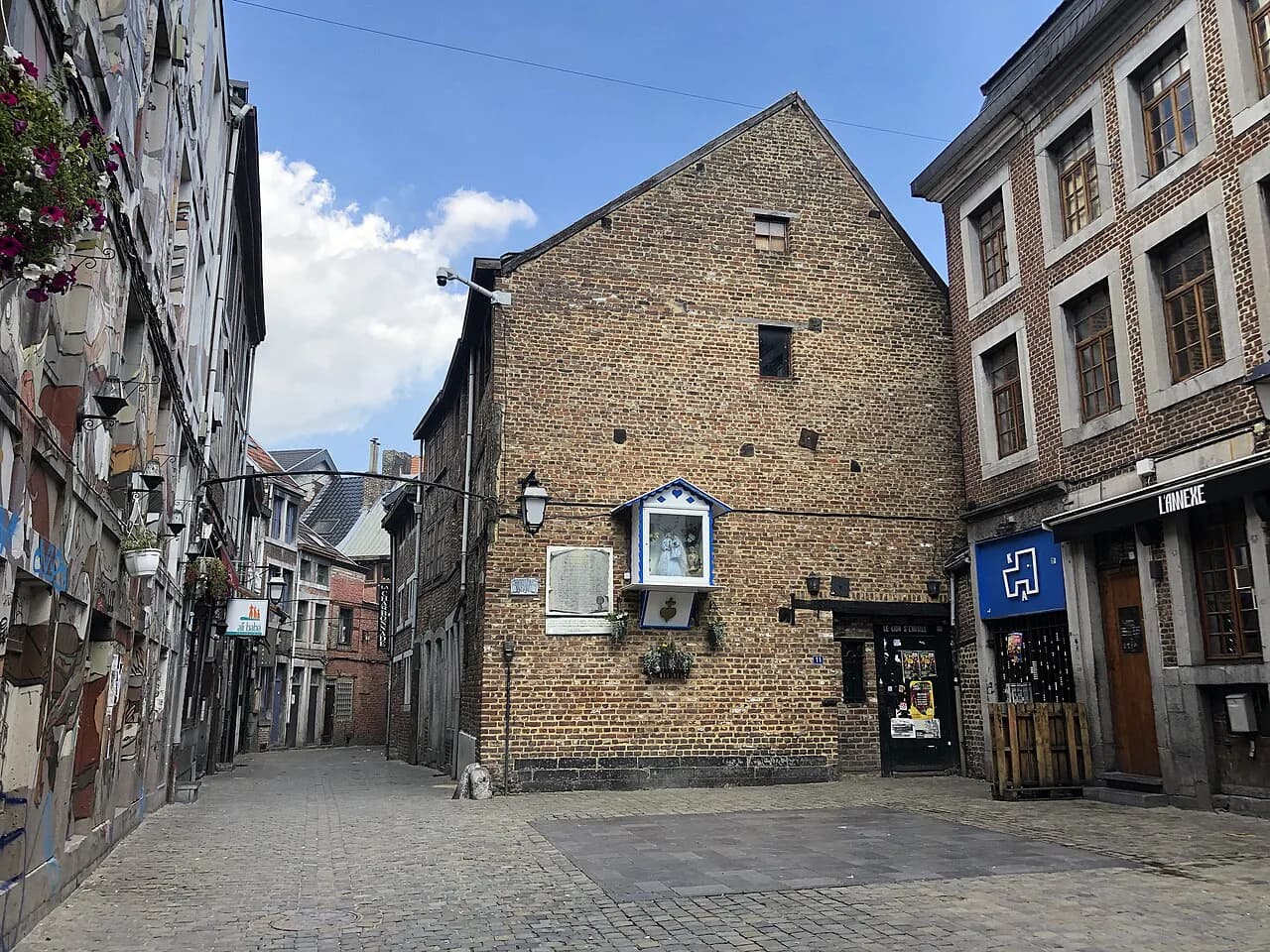
Outremeuse, Liège: the Right-Bank District Beyond the Meuse

Outremeuse deserves a spare half-day, not a full one. It is the Liège district on the far, right bank of the Meuse, whose name simply means "beyond the Meuse", and it works as a quiet counterweight to the dense historic centre rather than a sight-dense quarter of its own. This guide covers what the district is, how it sits against the river and the centre, what there is to see, and when the 15 August celebrations make it the draw.
What Outremeuse is
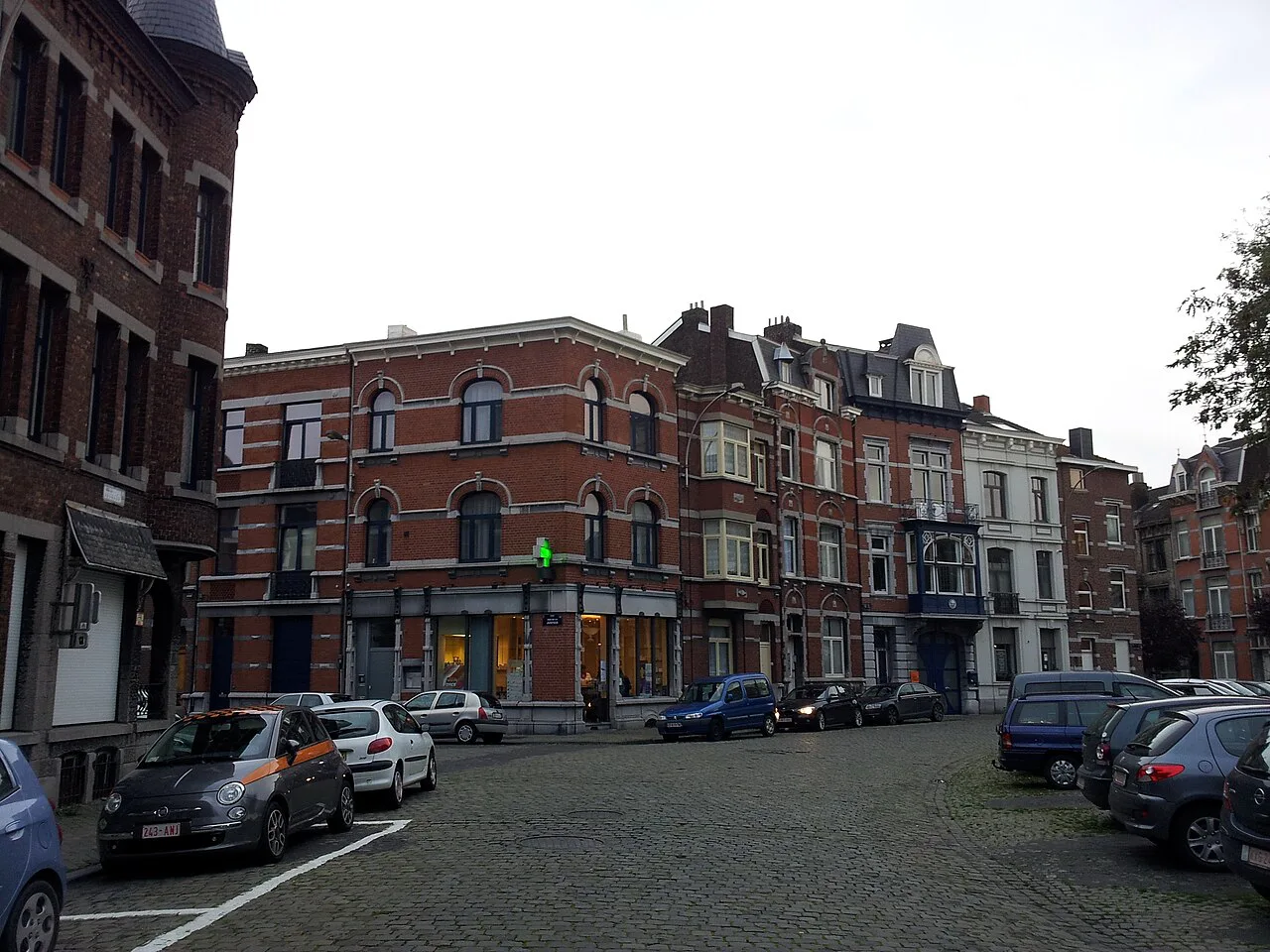
The name comes from the position: Outre Meuse, the land across the river from the old city. Historically the term covered a wider clutch of territories held beyond the Meuse, which is why the district has its own identity within Liège rather than reading as a simple suburb. Today it is a residential quarter of the right bank, and that is the right expectation to carry across the bridge.
The contrast with the right bank is the point. The historic centre packs in the Prince-Bishop's Palace, the collegiate church of Saint-Barthélemy, the Museum of Walloon Life and the Grand Curtius, while Outremeuse gives you streets, water and local life. Treat the district as texture between two riverside stops rather than as a checklist of monuments.

Where it sits and how to reach it
Outremeuse lies directly across the Meuse from the centre, so the crossing is a short walk over one of the bridges rather than a trip. The river is the organising line of a Liège day: the La Batte promenade follows the Meuse past the water's edge, with the Grand Curtius close by on the same side, which lets you link the district to the sights you were already visiting.
Arriving by train puts you at Liège-Guillemins, Santiago Calatrava's arched station opened in 2009, and from there you continue into the centre and over the water on foot or by local transport. Walk the crossing rather than planning a separate excursion, because the district's pleasures are on the way rather than at the end of a journey.
The character of the district and who it suits
Outremeuse is quiet and lived-in, with folklore as its currency rather than grand architecture. Liège as a whole is nicknamed the Cité ardente for its warm, festive atmosphere, and Outremeuse carries that temperament in its own register: local, rooted and proud of its traditions rather than polished for visitors.
It suits travellers on a three- or four-day Liège break who have already seen the main sights and want an hour or two of ordinary city life across the water. It suits less well anyone on a single rushed day, or anyone hoping for museums lined up one after another. If your time is tight, a different Liège neighbourhood will repay you faster, and the Liège Neighborhoods: 6 Area Guides overview sets out the alternatives so you can choose by character.
The 15 August celebrations
The one time Outremeuse is unambiguously the reason to cross the river is 15 August, when the district holds its own festivities, a tradition that mixes faith, folklore and local pride. It is a neighbourhood celebration with deep local roots rather than a staged event for tourists, and the atmosphere is the attraction rather than any single spectacle.
If the celebrations are the reason for your trip, plan the rest of the Liège itinerary around that date rather than trying to fit the district in afterwards, because the neighbourhood will be busy with its own crowds on the day. For quieter visits, any other week gives you the streets largely to yourself.
What to see in the district and along the water
There is no single monument to tick off in Outremeuse, so the sensible approach is to walk the streets closest to the water, look back at the right bank for the view of the centre, and let the district's residential calm do the work. Pair that with the riverside path and you have a loop of an hour or so without any timed entry or ticket.
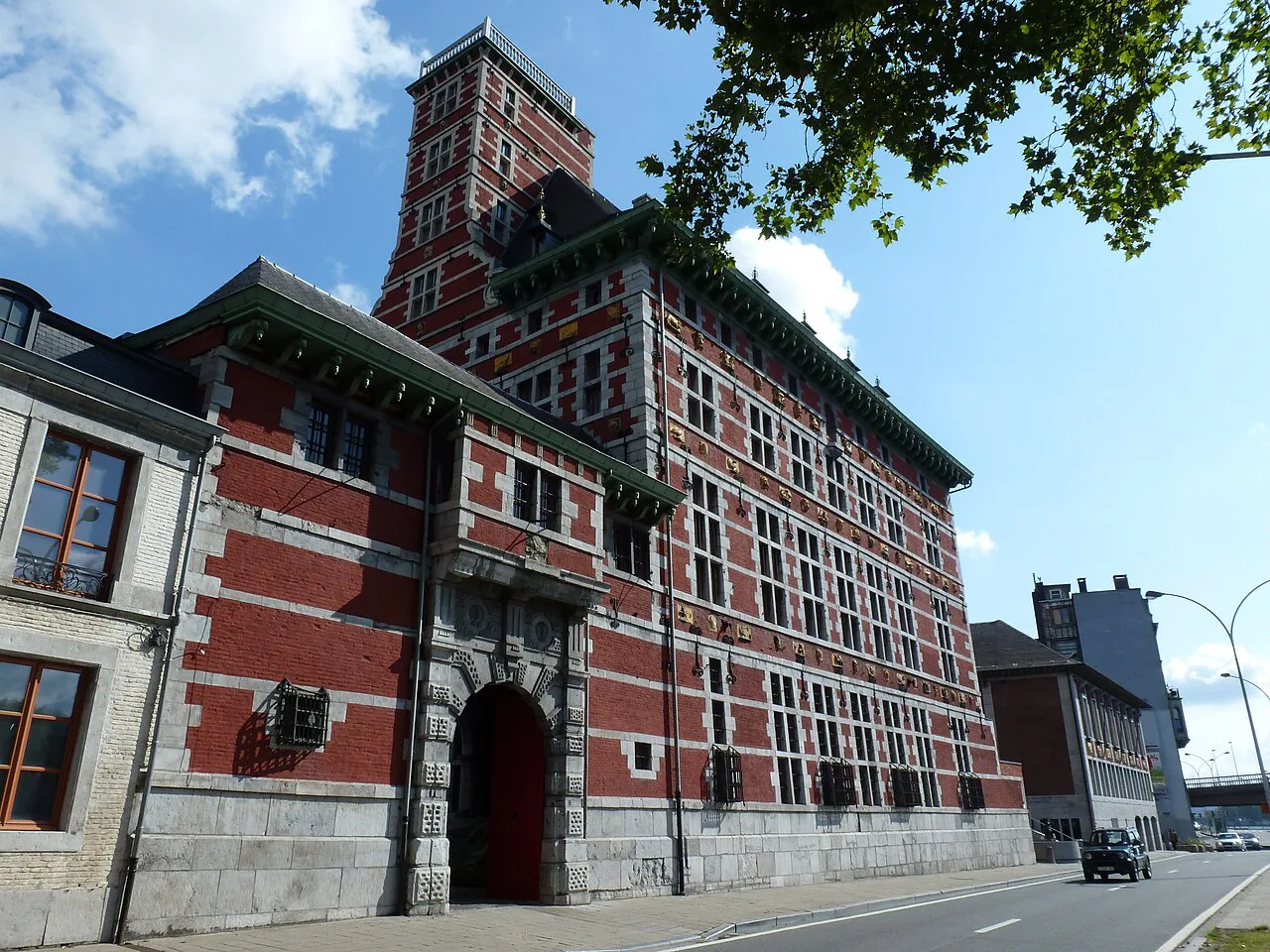
The strongest pairing is the Grand Curtius, the museum complex on the centre side that brings five collections together, including the arms department descended from the Arms Museum founded in 1885. Its displays run across several floors of the Curtius Palace and cover the city's long history of gunmaking, so allow proper time there before or after crossing into Outremeuse.
For scale, allow roughly half a day for the district together with the riverbank and the Grand Curtius, and let the museum set the pace. If you would rather spend that half-day on the staircase and views above the right bank, the Montagne de Bueren climb and the surrounding walks are the obvious alternative use of the time.

Where Outremeuse fits in a one- to four-day Liège break
On a two-day visit, give the first day to the historic centre and its monuments, then use the second for the river and Outremeuse, ending at the Grand Curtius. On a three- or four-day stay, the district becomes a gentle morning before an afternoon elsewhere, which suits the half-day rhythm it rewards.
Compare it with the neighbouring quarters before you commit. Hors-Château, on the right bank, offers listed architecture and cul-de-sacs in a compact area, while Le Carré is the busier central quarter for a different mood; Outremeuse makes sense as the quieter, residential counterpoint to either.
Eating and sleeping in the district
Base yourself on the right bank and cross into Outremeuse for the walk, because the district's pull is its streets and river setting rather than a concentration of places to stay or eat. Most visits work perfectly well from a hotel near the centre, with the district as a two-hour interlude rather than a base.
Is Outremeuse worth crossing the river for?
Yes, if you have a spare half-day and want to see how Liège lives away from its monuments, and yes emphatically around 15 August. Otherwise, treat it as a riverside wander that ends at the Grand Curtius and spend the rest of your time in the centre.
Explore more Liège guides
Frequently Asked Questions
How do I get to Outremeuse from Liège city centre?
Walk across one of the Meuse bridges. Outremeuse sits directly on the far bank from the historic centre, so the district is a short pedestrian crossing rather than a separate trip, and it can be combined with the riverside path near the Grand Curtius.