
UNESCO Sites in Belgium: What to See on a City Break
Belgium's UNESCO sites include Bruges' medieval centre, the Belfries of Belgium, the Plantin-Moretus Museum and Walloon mining heritage.
On this page
Belgium's UNESCO listings are best treated as city-break anchors rather than a checklist to race through. Bruges is inscribed as an entire historic centre, so a weekend there covers World Heritage simply by walking from the Markt to the Burg, while other listings sit in Ghent, Antwerp, Leuven, Ypres and the Walloon towns. This guide groups the sites by the base they suit, separates built heritage from Belgium's intangible beer culture, and sets out the trade-offs between going deep in one city and spreading thin across the country.
Which UNESCO World Heritage Sites are in Belgium
Belgium's World Heritage breaks into four practical groups for a short trip: the historic centre of Bruges, the Belfries of Belgium, the Plantin-Moretus Museum in Antwerp, and the Neolithic flint mines at Spiennes near Mons. The Walloon mining sites and the beguinages of Flanders add industrial and monastic layers in separate towns. The official list is the place to confirm each inscription's current wording and boundaries.
Two further entries complicate any tidy itinerary. The First World War memorials of Flanders Fields, a selection of 27 sites recognised since 2023, cluster around Ypres in the Westhoek. Belgian beer culture sits on the intangible heritage list rather than the built one, which means you experience it in a brown café rather than behind a ticket desk.
Not everything often labelled heritage carries UNESCO status. Waterloo, for instance, appears in national tourism material as a candidate for the list rather than an inscription, so treat the Lion's Mound as a worthwhile battlefield memorial in its own right.
Bruges: the whole historic centre as one listing
Bruges (Brugge) is inscribed as a historic town centre, not as a collection of separate monuments. That matters for planning: the Markt with its stepped gables, the Belfort on the square, the Burg, the winding canals and the cathedral all fall inside one recognised whole, and the medieval street plan survives almost intact.
Are Belgium's belfries all in one city? No. The Belfries of Belgium is a serial inscription spread across many towns, including Bruges, Ghent and Mons.
Is Waterloo a UNESCO World Heritage Site? Waterloo appears in national tourism material as a candidate for the list rather than an inscription. Visit the Lion's Mound as a battlefield memorial on its own merits.
Can you visit Belgian beer culture as a heritage site? Belgian beer culture is on the intangible heritage list, so there is no ticket office. You experience it in brown cafés by ordering a gueuze or Trappist beer.
This is the easiest listing to cover on foot, which makes Bruges a strong base for a two-day break with heritage at its centre. Climbing the Belfort is the obvious set-piece, and the tower belongs to the Belfries of Belgium inscription rather than standing alone. Give the Markt and Burg a morning and the canals a slow afternoon instead of trying to tick off every church.
The Belfries of Belgium: which towers you can visit on a city break
The Belfries of Belgium is a serial inscription covering towers across the country, from Bruges and Ghent to smaller Flemish towns. Mons contributes the only baroque belfry in Belgium, an 87-metre tower built in the late 1660s whose 49 bells ring out a traditional melody every quarter of an hour. It stands a short walk up from the Grand-Place and the town is the Hainaut capital.
Because the inscription is spread across many towns, no single city lets you see all of them. Pick one or two towers that fit your route rather than chasing the full set. The Belfry of Mons is a sensible choice if you are heading south towards the French border, and it pairs naturally with the Spiennes flint mines nearby.
If you are deciding between towers, the one you can climb without a long detour usually wins on a short break. Mons's position on the route between Brussels and the Walloon industrial sites makes it efficient. Bruges and Ghent offer the most belfry-adjacent sightseeing if you are staying in Flanders.
Beguinages: quiet courtyards in Ghent, Antwerp and Leuven
The beguinages of Flanders are enclosed courtyards of small houses where communities of lay religious women once lived. Ghent, Antwerp and Leuven each have one, and they work as a quiet half-hour between bigger sights. The Flemish beguinage is a UNESCO listing in its own right, so stepping through the gate is a heritage visit in itself.
These courtyards suit travellers who want a breather from the Markt crowds. In Ghent, the beguinage can be folded into a loop through the centre alongside the Graslei and Korenlei quays and the Gravensteen castle. Leuven's version fits neatly beside the university buildings and the Grote Markt.
Antwerp: the Plantin-Moretus Museum
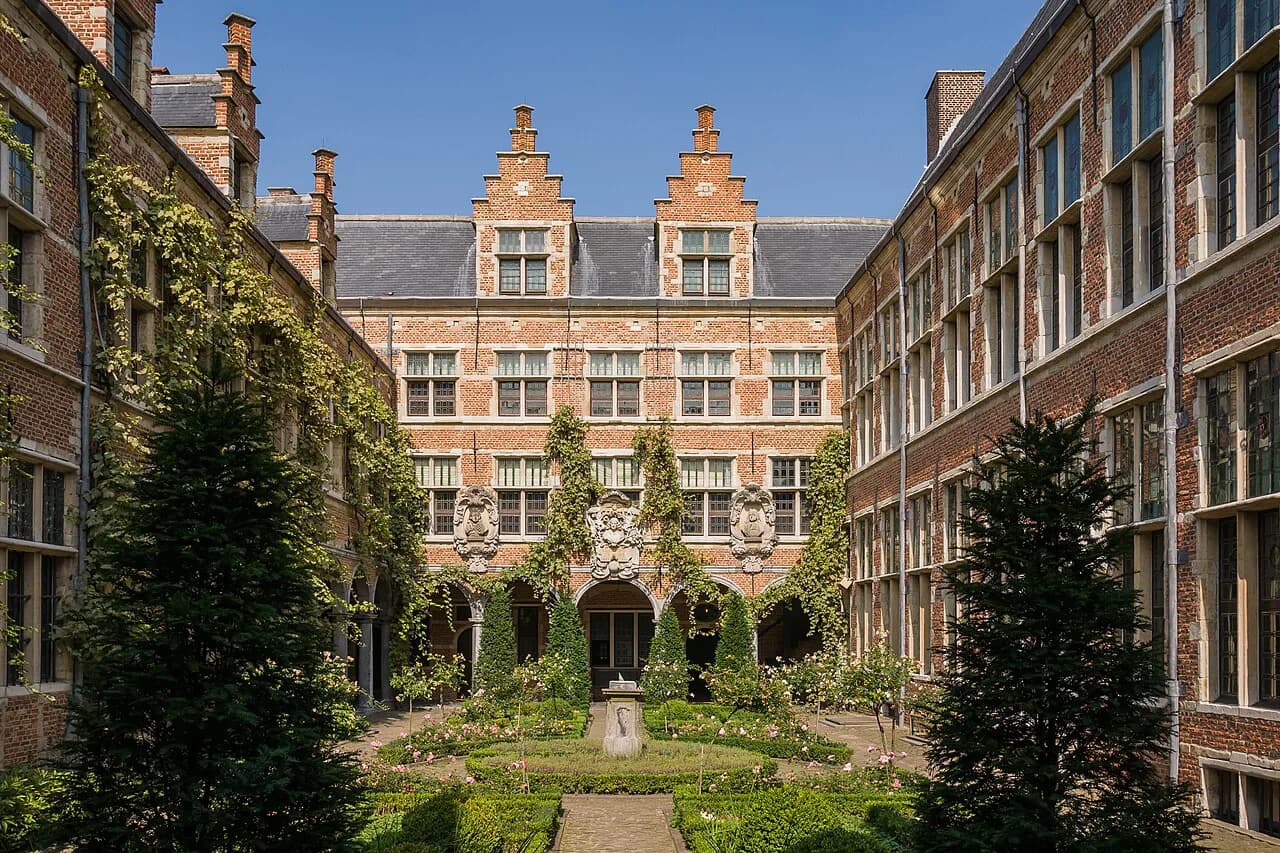
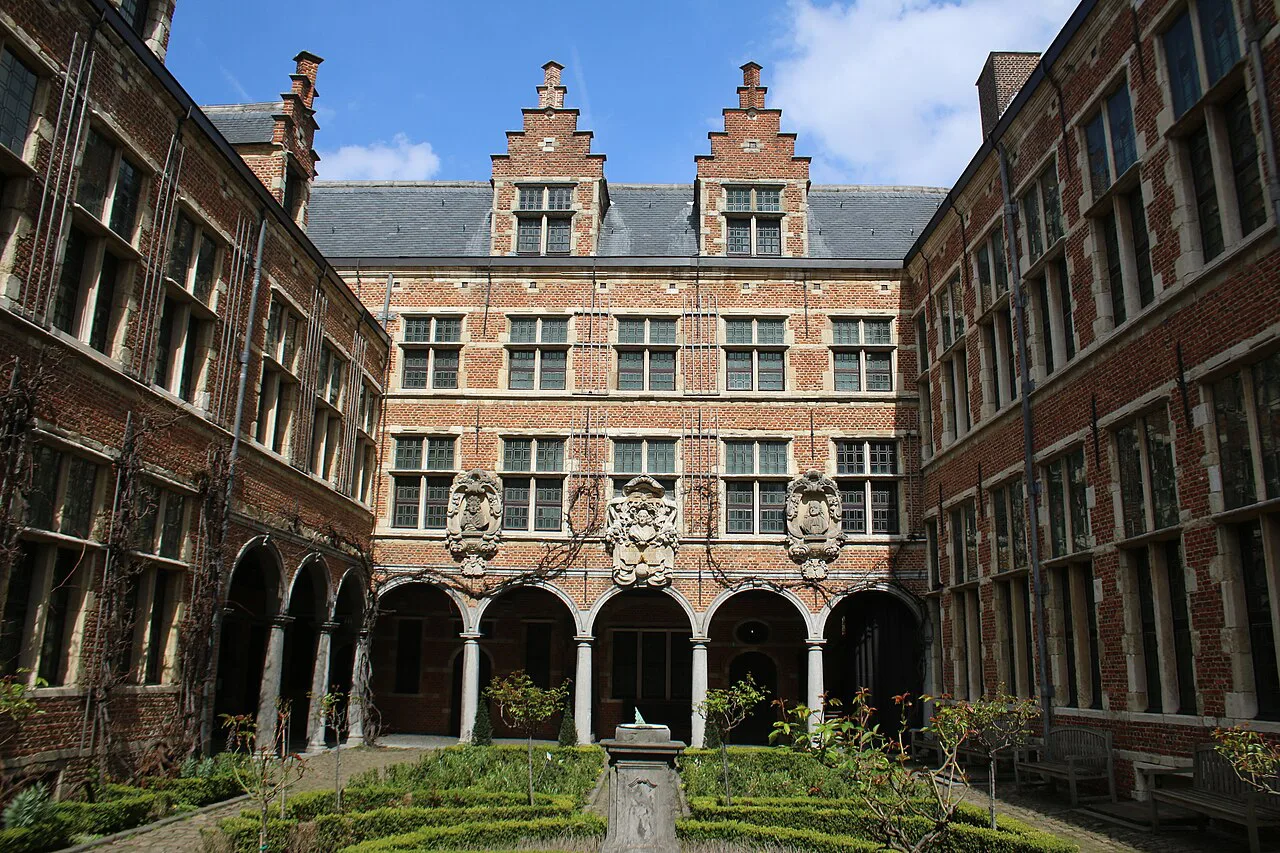
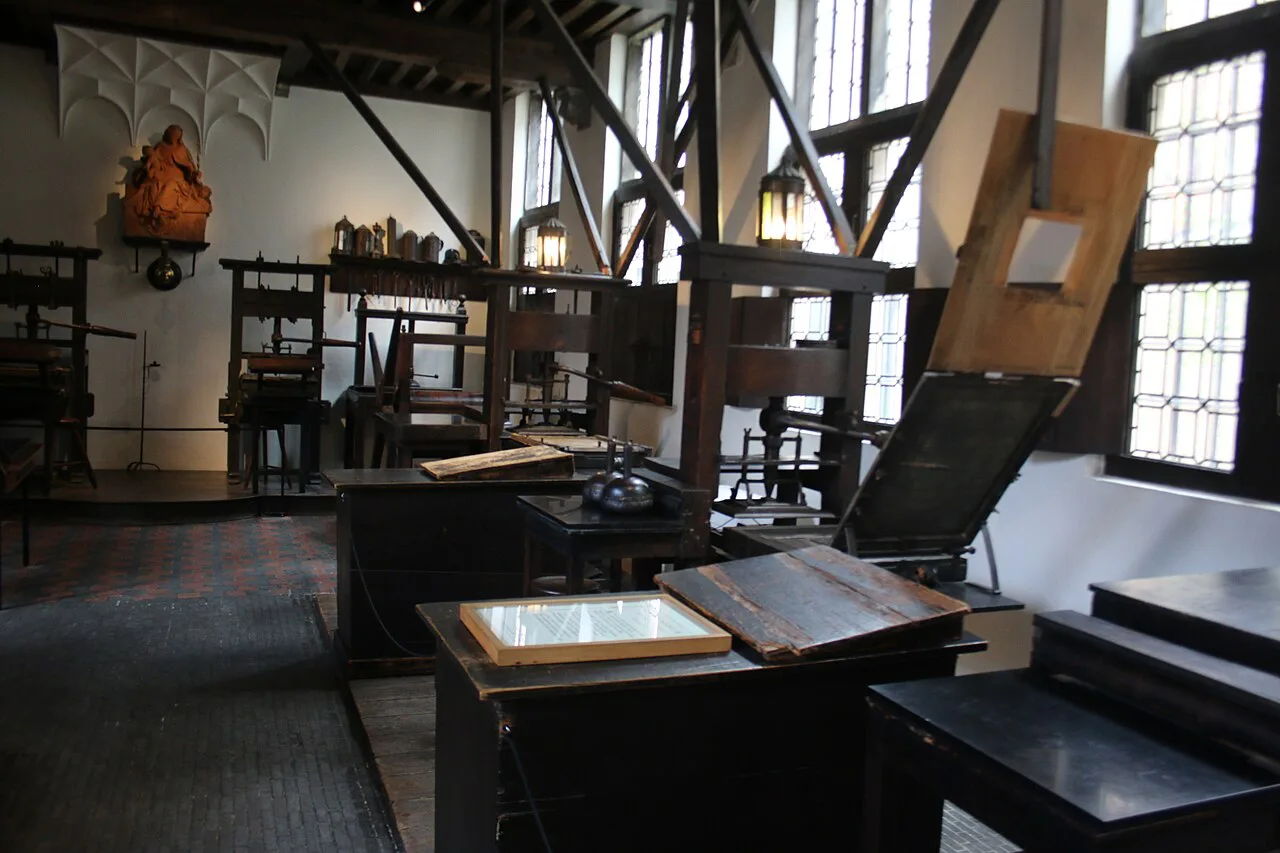
Antwerp's UNESCO entry is the Plantin-Moretus Museum, the preserved workshop and house of a sixteenth-century printing dynasty. For a city-break traveller it is the most concentrated heritage visit in Belgium: one building holds the presses, the type and the family interiors that made Antwerp a European centre of the book trade.
Antwerp's other draws, including the Grote Markt and the cathedral, are not UNESCO listed but anchor the same day. A practical plan is the museum in the morning and the old centre in the afternoon. The museum's opening days and any timed entry are worth confirming directly before you build a day around it.
Flanders Fields: the First World War memorials around Ypres and the Menin Gate
The Flanders Fields memorials form a UNESCO listing of 27 sites across the Westhoek, recognised for their universal message of peace. Ypres (Ieper) is the natural base, and the Menin Gate (Menenpoort) is the most visited of them, carrying the names of 54,896 missing British soldiers. Every evening at 20:00 buglers play The Last Post there, a short ceremony that draws a silent crowd.
Treat the cemeteries and memorials as places of remembrance rather than attractions. Ypres itself has a compact centre with the Lakenhalle (Cloth Hall) on the Grote Markt, so a one-day visit can combine the town with a handful of memorial sites. Allow more time if you want to reach the more distant cemeteries scattered across the fields.
Belgian beer culture as intangible heritage
Belgian beer culture is on the intangible heritage list, which means there is nothing to buy a ticket for. The country's brewers produce more than 1,500 beers, from Trappist and abbey ales to witbier, saison, gueuze and fruit beers, and the tradition is kept alive in brown cafés where people drink and talk.
For a visitor, the practical move is to treat one café stop as a heritage experience rather than a night out. Order a gueuze or a Trappist beer and you are tasting a recognised cultural tradition, not just a drink. Bruges and Ghent both have brown cafés within the historic centre, which makes them easy to fit into a heritage day.
Spiennes flint mines near Mons
The Neolithic flint mines at Spiennes, just outside Mons, are among the largest and oldest in Europe and sit on the World Heritage list. They are an outdoor, archaeological site rather than a museum visit, so they suit travellers who want a half-day in the countryside after the town's belfry. Access arrangements are worth confirming before you go.
Walloon mining sites and industrial heritage
The Walloon mining sites record the coal industry that shaped towns such as those around Mons, Charleroi and Liège (Luik). They are the least decorative of Belgium's listings and the most rewarding if you are interested in how industrial Europe actually worked. They sit away from the classic Flemish circuit, so they demand a deliberate detour.
Bruges' Flemish Primitive painting school and why it matters to the listing
The Bruges inscription rests partly on the city's role as the cradle of the Flemish Primitives, the painting movement associated with Jan van Eyck and Hans Memling.
For a visitor, that gives the churches and museums a purpose beyond architecture. The Gothic buildings and the art of the period belong together, so seeing the paintings after walking the medieval streets makes both more legible.
How to fit UNESCO sites into one to four days in one city
With one day, choose a single city and stay inside its inscription: Bruges covers World Heritage just by walking the centre, and Antwerp delivers one dense visit at the Plantin-Moretus Museum. With two days, add a beguinage or a belfry climb in the same city rather than moving on.
With three or four days, add a second base with a contrasting listing. Bruges and Ghent pair well, and Antwerp and Leuven do the same via a short train ride. Mons and the Spiennes mines work as a southern extension if you want Neolithic and baroque heritage together.
Trade-offs: spread thin across Belgium or go deep in one city
Spreading across Belgium means long transfers and partial visits to each site. Going deep in one city means fewer inscriptions but a far better sense of how the heritage actually behaves in place. For a one to four-day trip, depth usually wins: Bruges and Ghent alone cover a town centre, a belfry and a beguinage.
The strongest case for breadth is the Belfries of Belgium, since the serial listing rewards seeing more than one tower. If you take that route, keep it to two towers and pick cities that are close together. Otherwise, save the mining sites and Flanders Fields for a return trip.
Which UNESCO base suits your trip
For a first city break, choose Bruges for the whole-centre inscription or Antwerp for the Plantin-Moretus Museum. Add a belfry climb in Mons if you want baroque architecture, or Ypres if you want to pay respects at the Menin Gate. Spiennes and the Walloon mining sites reward a longer, more deliberate trip.
Explore more Belgium guides
Frequently Asked Questions
Are Belgium's belfries all in one city?
No. The Belfries of Belgium is a serial inscription spread across many towns, including Bruges, Ghent and Mons. On a short break pick one or two towers that fit your route rather than trying to see them all.
Is Waterloo a UNESCO World Heritage Site?
Waterloo appears in national tourism material as a candidate for the list rather than an inscription. Visit the Lion's Mound as a battlefield memorial on its own merits.
Can you visit Belgian beer culture as a heritage site?
Belgian beer culture is on the intangible heritage list, so there is no ticket office. You experience it in brown cafés by ordering a gueuze or Trappist beer.
Sources
Useful notes for your next trip
Optional updates to our guides.
You might also like



Continue reading
More guides you'll find useful





