
Japanese Garden Ostend (Shin Kai Tei): What to See and When to Go

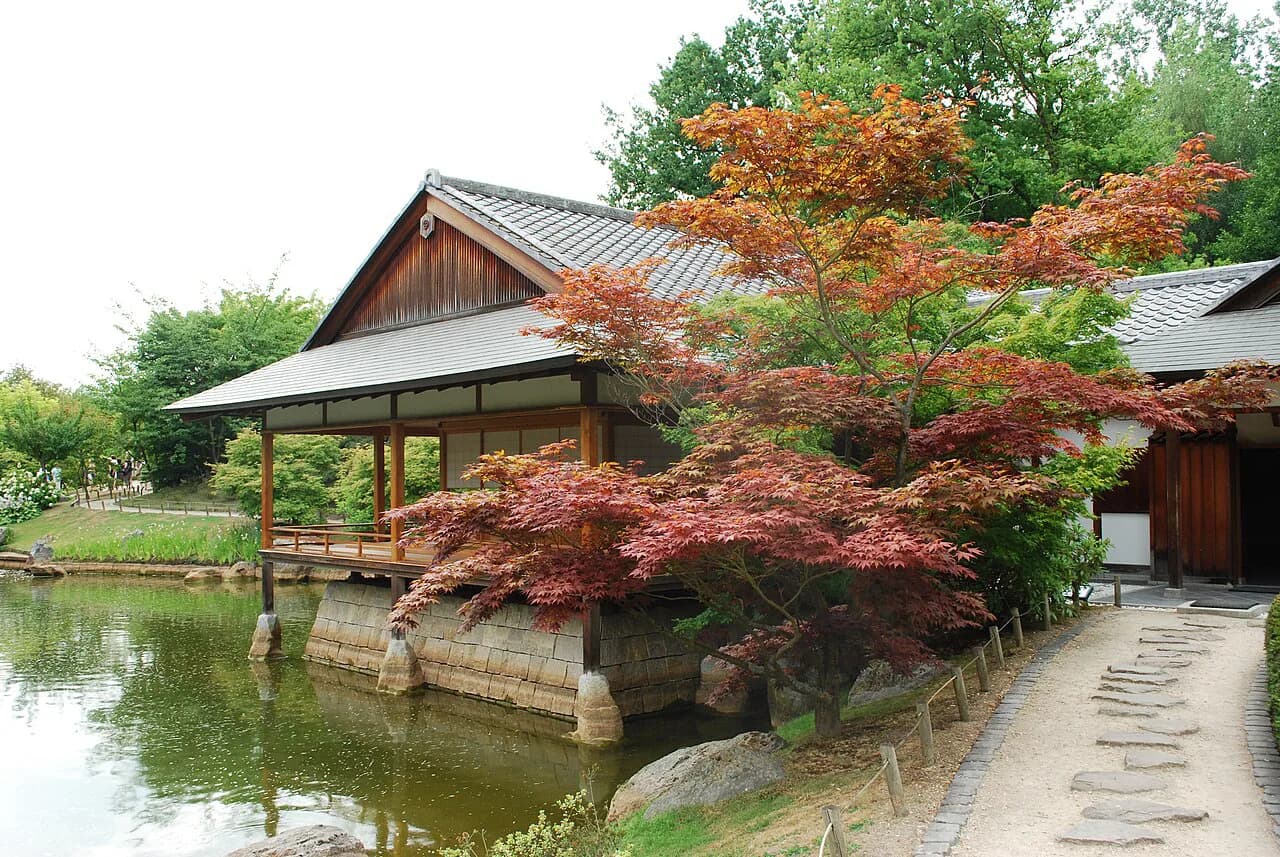
The Japanese Garden in Ostend is called Shin Kai Tei, which means deep sea garden, and it is a compact, contemplative place built on the three elements of a Japanese garden: water, stone and green. It opens on Saturdays and Sundays only, from the Easter holidays until the end of the autumn holidays, between 10am and 6pm, so it slots neatly into a weekend city break.
This page covers what the garden is, where it sits on Koningin Astridlaan, what to look for once you are inside, how long to allow and what to pair it with nearby. It is a calm half-hour rather than a headline sight, and knowing that before you go makes it easier to fit into a one-to-four-day Ostend itinerary.
What the Japanese Garden in Ostend is
Shin Kai Tei is the garden's proper name, and it translates as deep sea garden, a clue to how the layout should be read. Ostend and Japan are both shaped by the sea, and the garden borrows that idea: the pond stands in for the ocean, and the small islands set in it refer to Japan's own archipelago.
This is not a large botanical garden and it is not a theme park. It is a single enclosed landscape of a few linked parts, designed to be walked slowly, so treat it as a quiet pause between bigger Ostend sights rather than a destination in itself.
Where it is and how to get there
The garden is on Koningin Astridlaan in Ostend, and a tram stop sits directly in front of the entrance. That makes it one of the easiest green spaces in the city to reach without a car, and it means you can step off, spend time inside and carry on along the same line.
Because the entrance is right on the street, there is no long approach walk or car park trek involved. Build it into the Koningin Astridlaan stretch of your day, and see the wider Ostend Attractions: 8 Visitor Guides for how the rest of the city fits around it.

Opening days and hours
The garden opens on Saturdays and Sundays from 10am to 6pm, running from the Easter holidays through to the end of the autumn holidays. It is a seasonal, weekend-only opening, so a midweek visit in summer will find it shut even when the weather is at its best.
That pattern shapes how you plan: if your Ostend trip is a Monday-to-Wednesday break, the garden will not fit, whereas a Saturday or Sunday city break can include it without rearranging anything. Check the exact holiday dates for the year you travel, since Easter moves and autumn half-term dates differ between countries.
The dry garden at the entrance
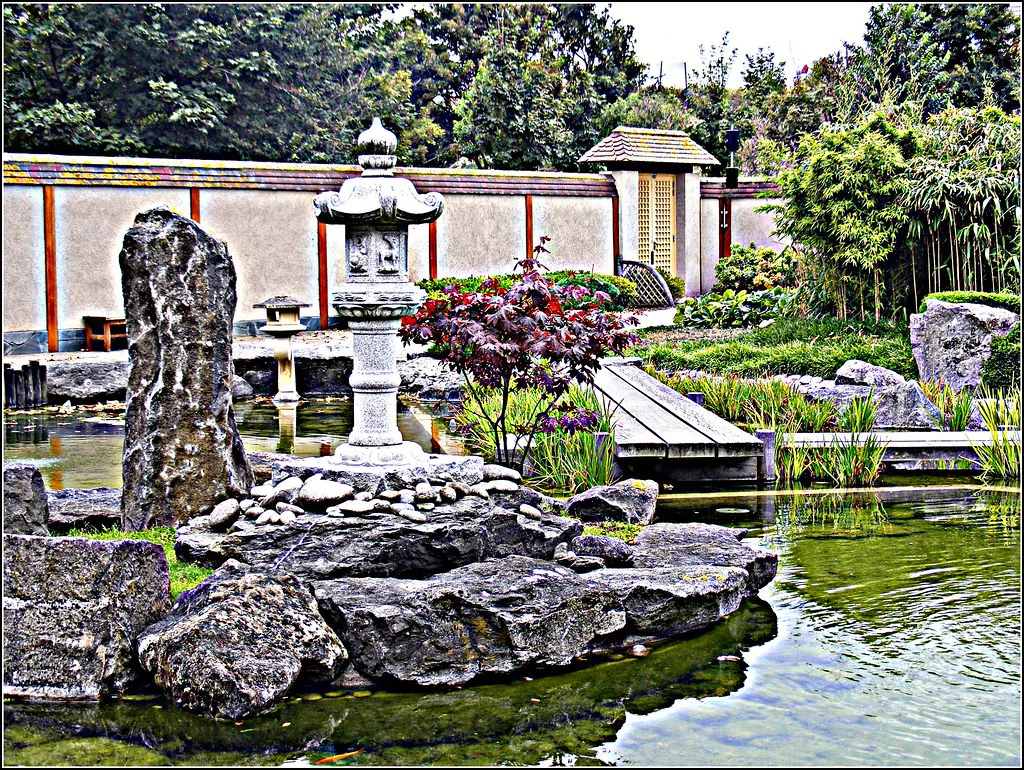
The first thing you meet is a dry garden of rocks and stones, a composition that greets you before you reach the greener interior. It sets the tone: this is a garden of arrangement and meaning, not a flower display, and the stones carry as much weight as the plants.
Slow down here rather than walking straight past. The dry garden is the clearest demonstration of how the whole site works, and reading it first makes the pond and planting beyond easier to interpret.
The turtle-shaped pond, koi and islands
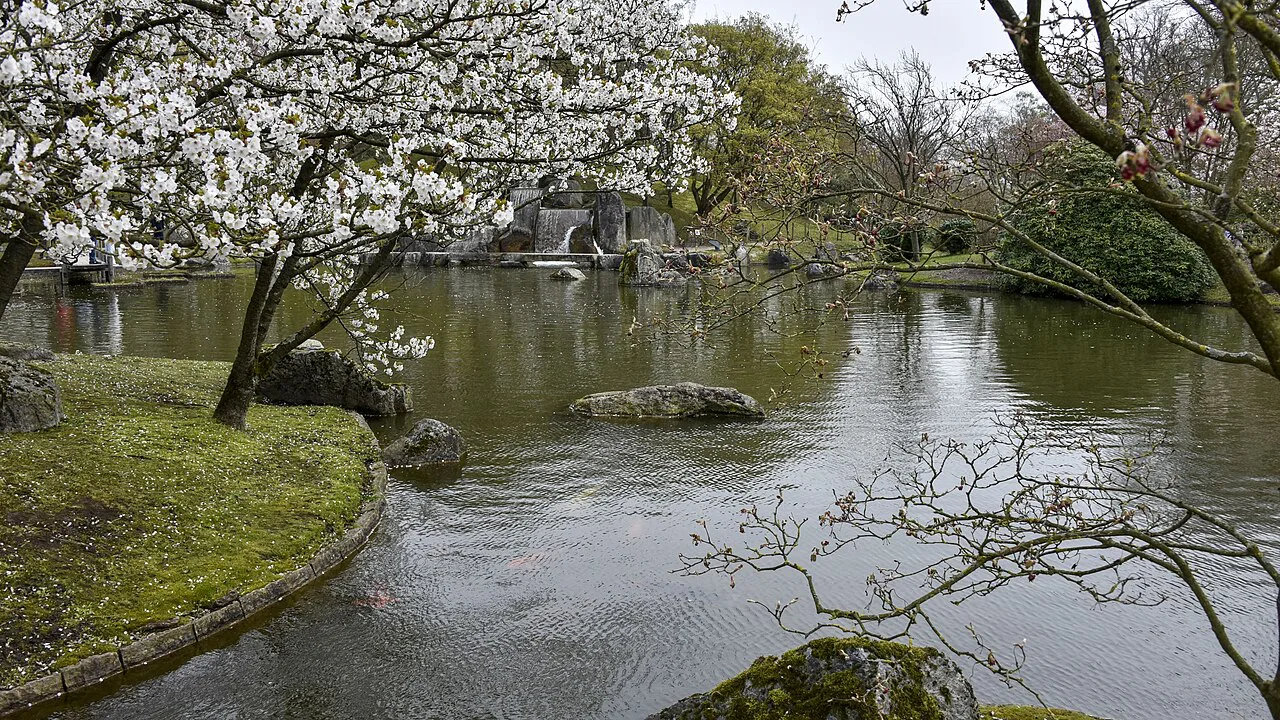
The centrepiece is a pond laid out in the shape of a turtle, holding large koi carp and dotted with small islands that stand in for the islands of Japan. The turtle form and the islands are deliberate symbols, not decoration, and they are what give the garden its name and its logic.
Look for the koi themselves as well as the shapes around them. The water plants and the fish are part of the same composition, and the pond is the part of the visit most people linger at longest, so give it the bulk of your time.
Water, stone and green: reading the symbolism
A Japanese garden is built on three elements that always recur: water, stone and the colour green, standing for life, tranquillity and nature respectively. Shin Kai Tei follows that rule closely, which is why flowers are largely absent and why the greens dominate the palette.
Once you know the code, the planting stops looking sparse and starts looking purposeful. The occasional brighter flower stands out precisely because the surrounding greens are so restrained, so the garden rewards a slower look rather than a quick circuit.
Water flowing east to west
The water in the garden is designed to flow from east to west, following the path of the sun, which rises in the east as the source of life. It is a small detail that is easy to miss and explains the direction of the channels and the way the pond is fed.
There are other meanings worked into the smallest corners of the layout, from the stones to the island shapes, and the more you notice, the less the garden feels like a simple park. Expect to read the place rather than to be entertained by it.
How much time to allow
A comfortable visit takes around half an hour to an hour, including time sitting by the pond and working through the dry garden. The site is small enough that you will not need a whole morning, but rushing it defeats the point of a garden built for unwinding.
Pace it as a pause rather than an attraction with a queue. Arriving early in the 10am opening gives you a quieter start, and leaving a buffer before your next stop means you can stay longer by the water if you want to.
Nearby sights to pair with the garden
The Koningin Astridlaan position puts the garden within reach of Ostend's seafront, and the compact Japanese layout works well as part of a wider outdoor day. For more open green space after it, see the parks in Ostend.
Leopold Park Ostend is a larger and more traditional park nearby, useful if you want a fuller afternoon outdoors. Maria Hendrikapark is another option a little further out, with the kind of open space the Japanese Garden deliberately avoids. If your day is built around museums instead, mu.zee Ostend and its James Ensor collection make a strong contrast to a landscape garden.
For a different kind of walk on the edge of the city, the Atlantikwall Raversyde open-air museum preserves a coastal defence site. Closer to the centre, the Kursaal Ostend on the Albert I promenade is the architectural counterpoint to the garden's quiet symbolism.
Should the Japanese Garden be on your Ostend shortlist?
Yes, if your trip includes a Saturday or Sunday between the Easter and autumn holidays and you want a quiet half-hour built around water, stones and koi. No, if you are in Ostend midweek or outside that season, because the garden is shut on those days.
Pair it with a seafront walk or a nearby park and treat it as a calm interval between the city's bigger sights. Entry arrangements are set by the garden itself, so confirm them before you travel.
Frequently Asked Questions
Is Ostend's Japanese Garden the same as the one in Hasselt?
No. Ostend's garden is called Shin Kai Tei, which means deep sea garden, and it sits on Koningin Astridlaan with a tram stop in front of the entrance. Hasselt has a separate Japanese Garden, and search results for one often bring up the other city.
When is the Japanese Garden in Ostend open?
It opens on Saturdays and Sundays from 10am to 6pm, from the Easter holidays until the end of the autumn holidays. A midweek visit, even in summer, will find it shut.
How do I get to the Japanese Garden in Ostend?
The garden is on Koningin Astridlaan in Ostend, with a tram stop directly in front of the entrance, so you can step off and walk straight in without a car.
What is there to see inside the garden?
A dry garden of rocks and stones greets you at the entrance, and the centrepiece is a pond shaped like a turtle, holding large koi carp and dotted with small islands standing for Japan's archipelago. The planting is built on water, stone and green rather than flowers.
How long should I allow for a visit?
Around half an hour to an hour is comfortable, including time sitting by the pond and looking at the dry garden. The site is small, so it works as a pause between bigger Ostend sights rather than a half-day out.
What else can I pair with a visit?
Leopold Park Ostend is a larger, more traditional park nearby, and Maria Hendrikapark offers more open space further out. In the other direction, mu.zee Ostend and its James Ensor collection contrast sharply with a landscape garden.