
Fort Napoleon, Ostend: what to see inside the Napoleonic fort

Fort Napoleon is worth a half-day, not a quick stop, because it sits in the dunes near Ostend harbour rather than beside the seafront. The visit combines a five-sided brick fortress ringed by a moat with a self-guided audio tour and exhibition spaces, so you get both the historic fabric and something contemporary. See the Ostend Attractions: 8 Visitor Guides for how it fits with the rest of the town.
This guide covers what the fort is, how to reach it from the centre, what to see once inside, and how to pair the trip with the wilder beach on that shore.
A five-sided fort built in Napoleon's era
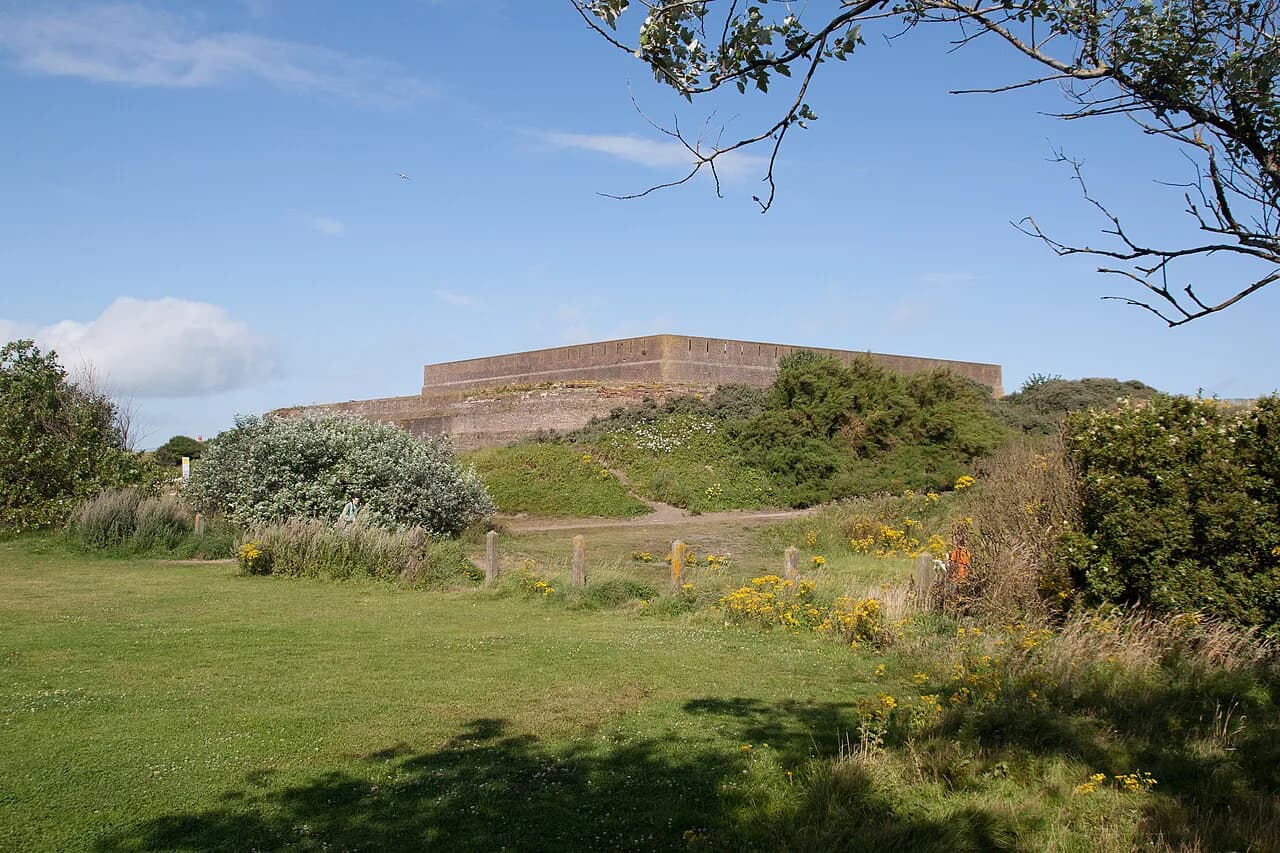
Fort Napoleon is a pentagon-shaped brick fortification raised in the dunes near Ostend's harbour, built between 1811 and 1814 during the French period under Napoleon. That dating makes it a piece of Napoleonic coastal defence rather than a medieval castle, and the geometry is the first thing you notice: five straight walls closing on themselves, with a moat wrapped around the outside.
Despite the effort of building it, the fort never saw the fighting it was designed for, which changes how you read the place. Come expecting an intact piece of military engineering and a display of its history, not a battlefield with a dramatic story attached.

Where Fort Napoleon is and how to reach it
The fort stands in the dunes by Ostend harbour, across the water from the town centre. That stretch of water is the practical catch of the visit: it is not a stroll from the seafront, and you either cross the harbour by ferry to that shore or commit to a longer walk around it.
On foot, the route is a short ferry hop across the harbour followed by a walk through the dunes to the fort. Ostend is a compact town best explored on foot, but the journey out across the water to the fort is its own outing rather than part of a centre walk.
If the ferry crossing is not running on the day you visit, the fallback is the longer harbour-side walk or a taxi, so leave slack in the plan.

The building itself: pentagon, brick and moat
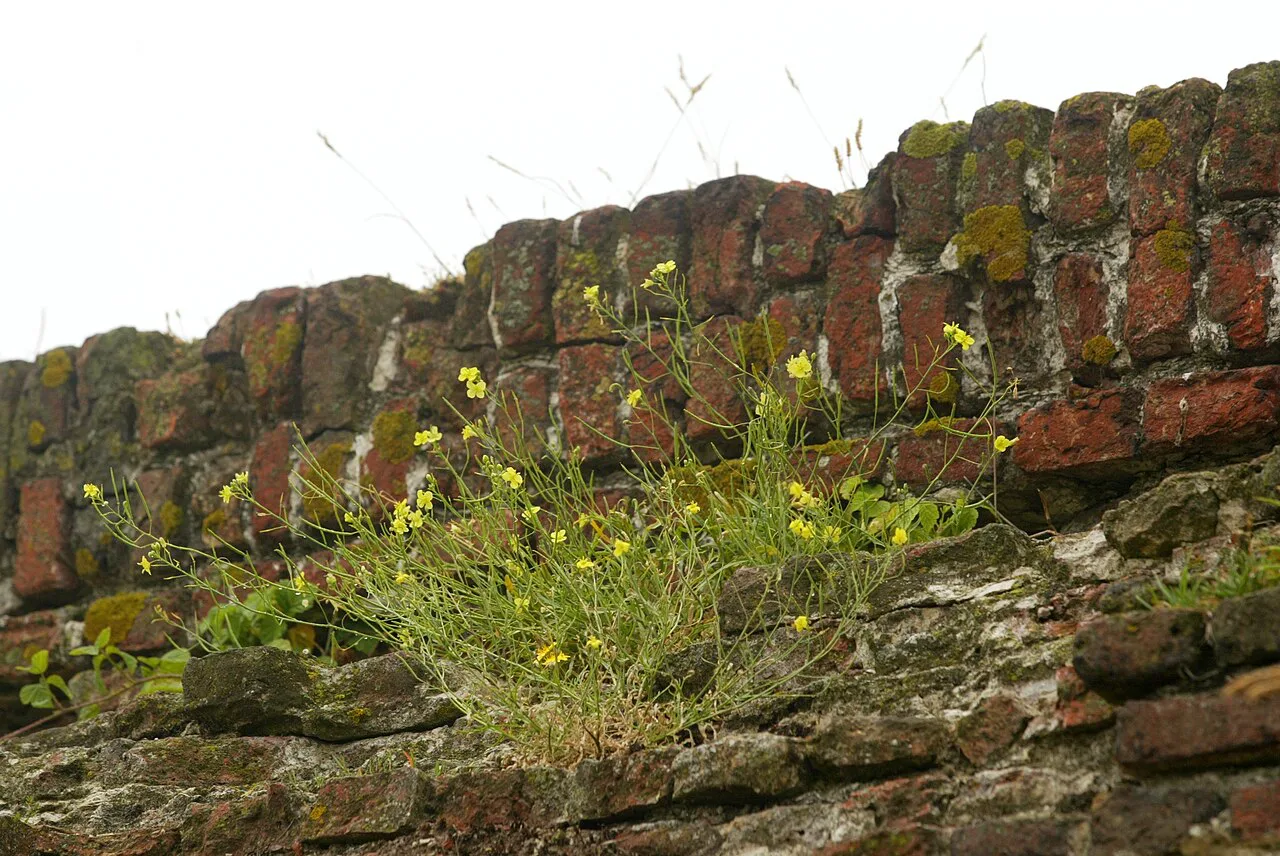
Walk the outside before you go in. The pentagon plan reads clearly from the ramparts, and the moat gives the fort the look of an island fortification even though it sits in sand. The brickwork is the star: long, low walls in warm red, pierced by embrasures and built to shrug off artillery that never came.
Allow time to circle the walls and look back over the dunes towards the sea and the harbour mouth, because that view explains why the site was chosen in the first place.
What to see inside: the self-guided tour and exhibitions
Inside, a self-guided audio tour carries you through the fort's rooms and explains its construction and garrison use. Allow time on top of that for the walls and dunes, so the outing fills a good half-day.
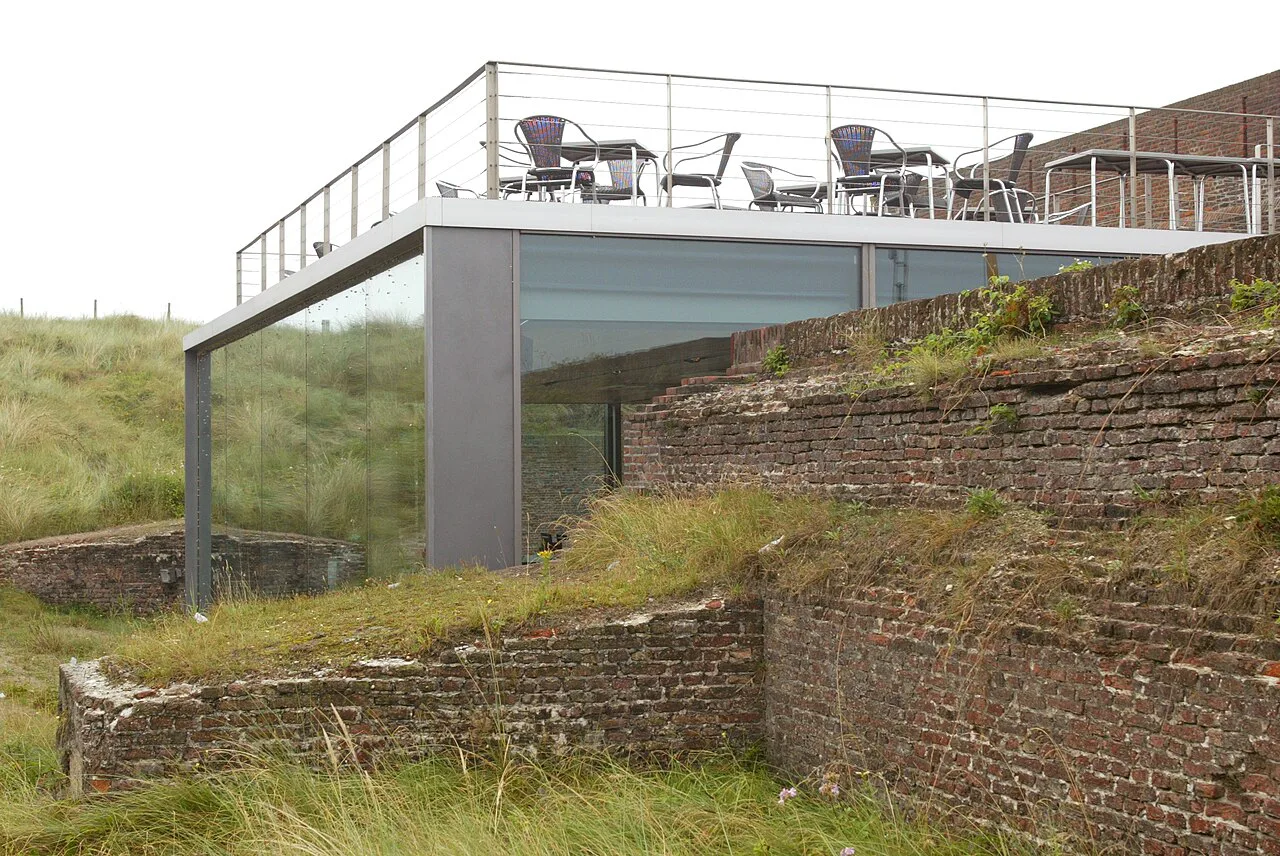
The exhibition spaces change through the year, so what is on display in the casemates on your visit will differ from another traveller's. Treat the historic fabric as the fixed part of the visit and the displays as the variable one.
The fort's mix of history and changing displays fits Ostend's wider habit of putting art in unexpected places, from The Crystal Ship street art trail in the town centre to the modern collection at the Mu.ZEE. If that side of the city interests you, the fort is a natural extension of it rather than a separate stop.
Nearby: the quiet beach on the eastern shore
Across the harbour there is a wilder, emptier beach than the busy promenade in the centre, reached by the same ferry and close to the fort. Pair the two: fort in the morning, dunes and shoreline in the afternoon, and you have a full day without returning to town.
Boat trips and the museum ship Mercator are moored in the marina between the station and the town hall, so they combine more naturally with a town-centre day than with the fort. Keep the fort and the eastern dunes as one outing and the harbourfront sights as another.
Fort Napoleon is one of the Ostend Attractions: 8 Visitor Guides worth planning around, and the Atlantikwall Raversyde preserves German coastal defences from the twentieth-century world wars. Visiting both gives you a century of military engineering along the Belgian coast.
Pairing the fort with the rest of Ostend
In town, the Kursaal Ostend anchors the seafront, and Leopold Park, Ostend gives you a green pause between the station and the beach. Both work well on the same day as the seafront rather than the fort, which belongs with the dunes.
If you want galleries, James Ensor's work hangs at the Mu.ZEE in the centre. That gives you the town's artistic anchor on a separate day from the fort.
Is Fort Napoleon worth the crossing?
Yes, if you give it half a day and go for the building rather than a battle story. The pentagon, moat and dunes make the crossing worthwhile, and the rotating exhibitions add a reason to return rather than a reason to rush.
Skip it if your trip is one day and centred on the seafront, the Mu.ZEE and the harbourfront ships, since the ferry crossing eats into a short visit. For a two- or three-day stay, though, the eastern shore deserves one of those days.
Explore more Ostend guides
Frequently Asked Questions
Do you have to pay to get into Fort Napoleon?
The fort is run as a visitor attraction rather than a free public monument, so expect an admission charge set by the operator. Check the fort's own website for the current rate and any concessions before you travel.
Is Fort Napoleon open every day?
Opening days vary through the year, and it is best not to assume the fort is open seven days a week. Check the calendar on the fort's website before you plan the crossing, because arriving on a closed day means a wasted trip.
Can you visit Fort Napoleon without a car?
Yes. The fort is reached by crossing the harbour by ferry and walking through the dunes, or on foot around the harbour the long way. Ostend's centre is compact and easy to explore on foot, so a car is not needed.