
Mu.ZEE Ostend: What to See at the Modern Art Museum
Mu.ZEE is Ostend's museum of Belgian art from 1830 to the present, and the place to see James Ensor and Léon Spilliaert in the town where they worked. Allow about two hours for the galleries, more if the temporary exhibition catches you. This guide covers where the museum sits, how to reach it, what hangs inside and how to build a half-day around it.
What Mu.ZEE is and where it sits in Ostend
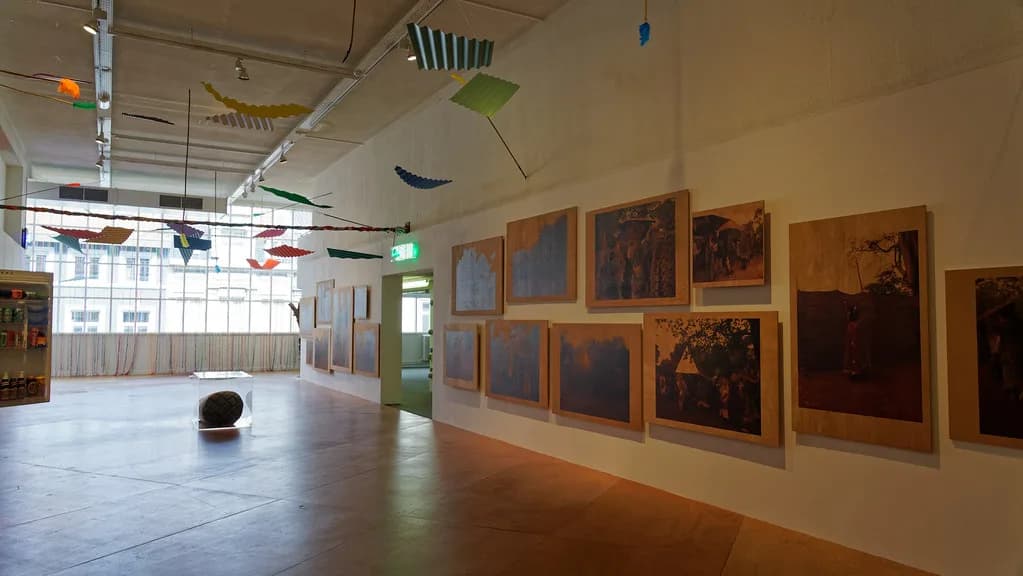
Mu.ZEE occupies a former department store building in the town centre, within easy walking distance of the seafront and the shopping streets. The museum's own history page identifies its home as the former premises of the SEO, Spaarzaamheid Economie Oostende, founded in 1892 and used by the society until 1981. That makes the building part of the visit: the wide windows and the layout of the rooms are a legacy of commerce rather than a purpose-built gallery.
Culture and city guides describe the museum the same way, as a converted former department store where the sunshine filters through wide windows onto a collection of Belgian art. The museum sits within easy reach of the rest of central Ostend, so it pairs well with the harbour, the seafront promenade and the James Ensor House. If you are planning several stops, the Ostend Attractions: 8 Visitor Guides collection maps the other named sights in town.
Getting there: the museum in the town centre
Central Ostend is small enough to cross on foot in around twenty minutes, so Mu.ZEE is walkable from most of the town's hotels and the station. From the seafront, head inland towards the commercial streets; the museum signs and the building itself are the easiest guides. If you are coming from further out, the coastal tram and the local bus network cover the wider town.
The museum is close to the harbour and the marina, where the three-masted Mercator is moored as a museum ship. That makes a natural route: galleries first, then the waterfront, then a walk along the promenade. Travellers arriving by rail will find Ostend's station at the edge of the centre, with the museum a short walk beyond the shopping streets.
Inside the building: a former department store turned gallery
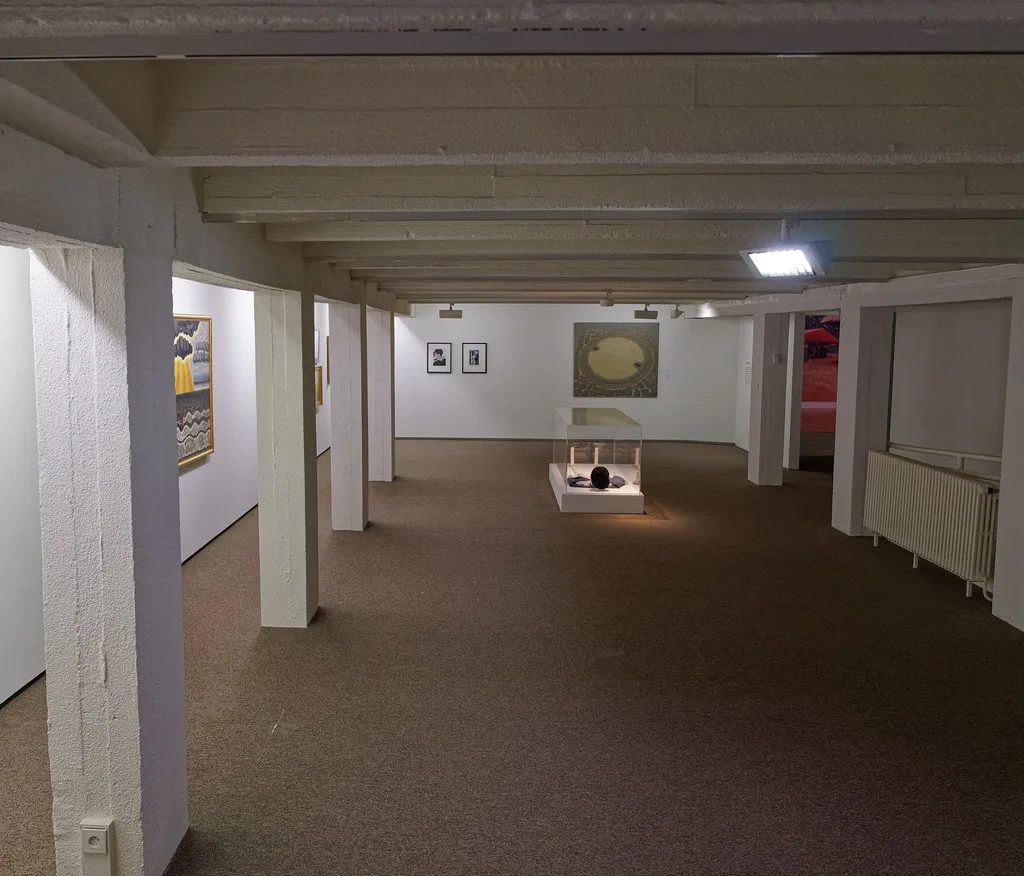
The museum's own account of its building traces the structure back to the SEO, the Ostend savings and economy society founded in 1892 and housed there until 1981. Visitors are therefore walking through a commercial building adapted for art, not a custom-designed museum. The result is generous floor space and large windows, which suit the big canvases of the late nineteenth and early twentieth centuries particularly well.
The museum has published information about a renovation phase on its own website, so the layout and the number of rooms open can change between visits. Check the museum's site before you travel if a particular gallery matters to you, and treat the descriptions here as a guide to the collection rather than a plan of the current floor.
The collection: Belgian art from 1830 to the present
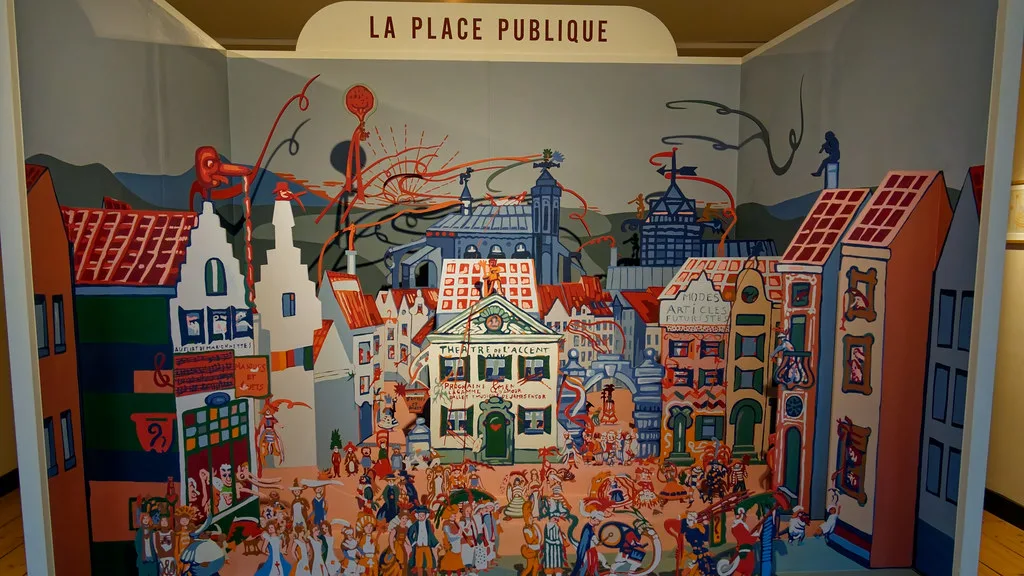
Mu.ZEE's collection covers Belgian art from 1830 to the present day, which gives it an unusually broad span for a museum of its size. The heart of the collection is the late nineteenth and early twentieth century, with works by James Ensor, Léon Spilliaert and Constant Permeke among the highlights. Anyone hoping to understand Belgian modernism will find the key figures here rather than as a token example.
The museum's own description traces its building back to the former SEO premises, a commercial building later adapted as an art museum. Since the museum has published information about a renovation phase, displays and the number of rooms open can change between visits, so check the museum's site before travelling if a particular gallery matters.
Ensor and Spilliaert: the works to seek out
James Ensor is Ostend's most famous painter, and Mu.ZEE is where his paintings are held. Born in the town in 1860, Ensor painted around 850 canvases over his life, many of them masked figures inspired by the masks and curiosities sold in his family's shop. The museum's Ensor holdings are the reason to come if you want the real thing rather than reproductions.
Léon Spilliaert, the other great Ostend name, is shown alongside Ensor, and the museum's collection description names both as highlights. The James Ensor House in the Vlaanderenstraat displays copies rather than originals, so Mu.ZEE is the place to see the paintings themselves. Plan the two stops together if Ensor is your reason for visiting: the house gives the biography, the museum gives the work.
What to allow: time for the galleries
Two hours is a sensible allowance for the permanent collection, with another thirty minutes if a temporary exhibition is running. The museum is compact enough that a rushed forty-five minutes would miss the point of coming. If you are combining it with the James Ensor House and a walk along the seafront, give Mu.ZEE the morning and the rest of the day to the town.
Ostend itself rewards a slower pace. Guides suggest three days to see the town properly, or a full weekend at a push. Building a half-day around Mu.ZEE, the Ensor House and the promenade is realistic for a short break, with the harbour and the marina filling the remaining time.
Tickets and opening days
Mu.ZEE is open Tuesday to Sunday from 10:00 to 17:30, and closed on Mondays, 25 December and 1 January. On Christmas Eve and New Year's Eve the museum closes early at 16:30. Those hours come from the museum's own ticket page, which is the place to confirm times before a visit, particularly around public holidays.
Admission prices are published on the same page, and they are not repeated here because they change. Buy your ticket on arrival or through the museum's website, where current rates and any concessions are listed. If you are visiting during a renovation phase, the ticket page will also say which parts of the museum are open.
Nearby: James Ensor House and the town centre
The James Ensor House on Vlaanderenstraat is a short walk from Mu.ZEE, and the two together make the strongest art pairing in Ostend. The house is where Ensor lived and kept the family shop, and it holds copies and an interpretation area rather than original paintings. It opens daily except Mondays, and admission is charged, with reductions for children and young adults.
Beyond the museum quarter, Ostend's seafront promenade and the Venetian galleries give a sheltered walk along the coast. The Kursaal Ostend is a landmark cultural and entertainment venue on the seafront, and the Leopold Park and Maria Hendrikapark offer green space further inland. The Atlantikwall Raversyde and Fort Napoleon, both wartime sites, fill in the history of the coast.
Who Mu.ZEE suits and who it does not
Mu.ZEE suits travellers who want a serious look at Belgian modernism and who already know Ensor or Spilliaert by name. It also works for anyone who prefers a museum of manageable size to a full-day gallery. The building's history adds interest for visitors who like architecture as much as paintings.
It suits less well if you are in Ostend for the coast alone or travelling with very young children who need constant activity. The galleries reward attention, and a quick walk-through will not do the collection justice. If your time in town is limited to a few hours, choose either the museum or the seafront rather than trying to fit both in.
Is Mu.ZEE worth the stop?
Mu.ZEE earns its place on an Ostend itinerary because it holds the real paintings by Ensor and Spilliaert that the rest of the town describes. Pair it with the James Ensor House for the biography, then walk the seafront to round off the day. Check the museum's ticket page for current hours and prices before you set out.
Explore more Ostend guides
Frequently Asked Questions
Is Mu.ZEE open on Mondays?
No. Mu.ZEE is closed on Mondays, as well as on 25 December and 1 January. On Christmas Eve and New Year's Eve it closes early at 16:30.
How much is entry to Mu.ZEE?
Admission prices are listed on the museum's ticket page, where current rates and any concessions are published. They are not repeated here because they can change.
Does Mu.ZEE hold original works by James Ensor?
Yes. The museum holds paintings by Ensor, who was born in Ostend in 1860. The James Ensor House nearby displays copies and interpretation rather than originals.