
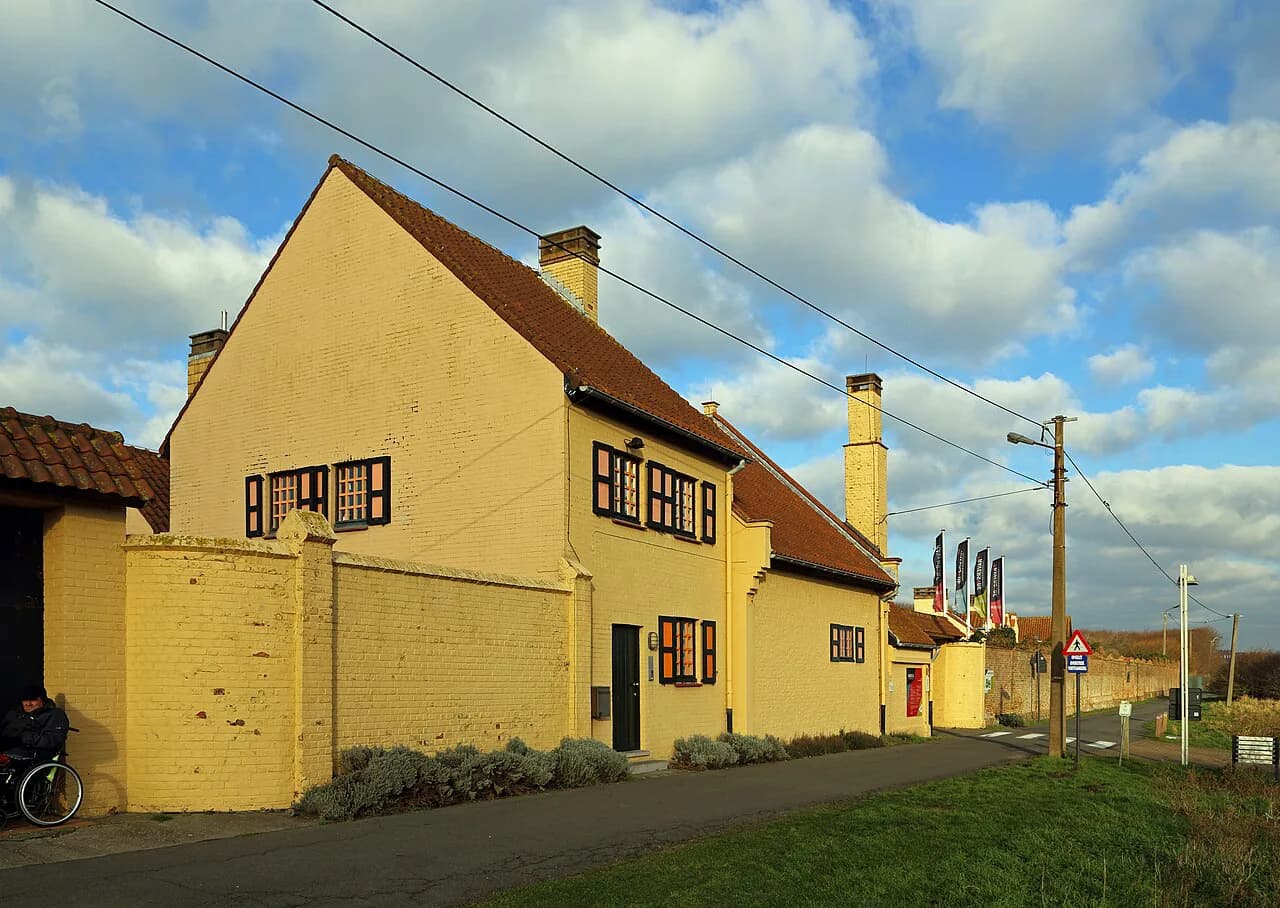
Raversijde, Ostend: the Atlantic Wall, the Seafront and the Village

Raversijde (Raversyde) is a coastal village within Ostend and the location of Atlantikwall Raversyde, one of the best-preserved sections of the German Second World War defence line, with more than sixty bunkers plus open and underground passages. It sits out along the coast rather than in the town centre, so it works as a focused half-day from Ostend rather than a neighbourhood you stumble into.
This guide covers what the district is, what the open-air museum actually contains, who it suits, walking the front, getting there from central Ostend and how to shape a visit around it. It is a page about one district, not a plan for the whole town.
What Raversijde is and where it sits in Ostend
Raversijde is a deelgemeente, a submunicipality, of Ostend rather than a suburb of terraced streets tacked onto the centre. Its identity is coastal and dune-edged: a small settlement, a sea wall, and the open ground that made it suitable for a defensive line.
The practical consequence is distance. You cannot walk out of the Ostend shopping streets and be in Raversijde in a few minutes; it is a separate stop on the coastal strip, and the address of the museum site is on the Nieuwpoortsesteenweg. Treat it as its own destination with its own timing rather than as something to fold into an afternoon in the centre.
If you are choosing where to stay in Ostend, Raversijde belongs to the quiet-coastal option rather than the central option. The centres of activity, the shops and the dense cluster of places to eat are in Ostend proper, and districts along the same coast such as Mariakerke sit between the two in feel.

Atlantikwall Raversyde: what the open-air museum actually contains
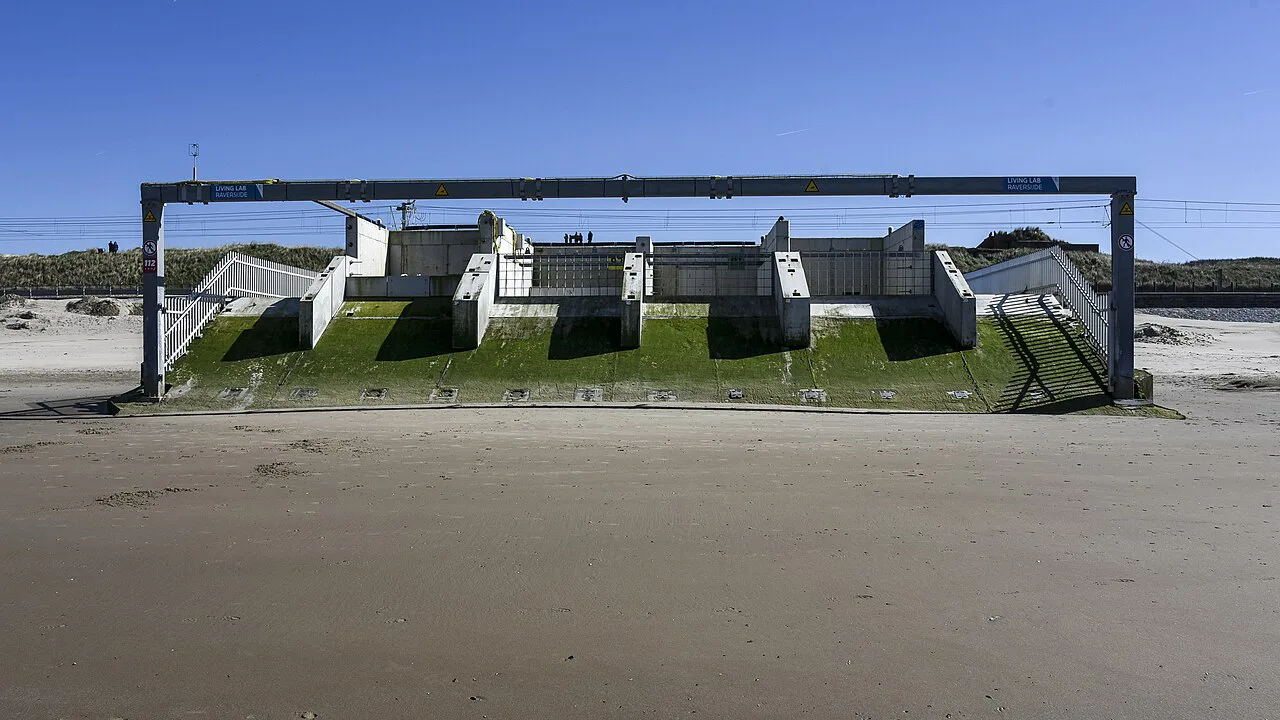
The Atlantikwall site is an open-air museum, which sets expectations before you arrive: most of what you see is outside, in the form of concrete structures, earthworks and the ground between them. It preserves one of the best surviving stretches of the German coastal defence line on the Belgian coast.
The count matters more than the adjectives: more than sixty bunkers, linked by open and underground passages. That combination is what makes the site worth the trip from the centre, because you are reading a system rather than looking at a single restored room.
Plan for a site where you cover ground between structures, with some of the route below the surface in the passages. Sensible shoes and a jacket that copes with North Sea wind do more for the day than any amount of scheduling, and the outdoor emphasis is the single biggest factor in how long you will want to spend.
Who Raversijde suits and who should stay in central Ostend instead
Raversijde suits travellers who want the Atlantic Wall story told properly and who are content to spend a half-day on a mostly outdoor site with few distractions around it. It also suits anyone who wants the dune end of the coast rather than the busy promenade, and who values quiet over convenience.
It does not suit a short break built around the centre. If your one or two days in Ostend are already full with the seafront, the museums and the streets around the harbour, adding a coastal village on top will cost you something else; the harbour district alone can absorb a good half-day.
The honest trade-off is fewer cafés, fewer places to stay and a longer walk to a shop, in exchange for the coast at its least crowded. If you want a base where everything is outside your door, book in the centre and visit Raversijde as an outing; if you want a quiet coastal base, the district is the point rather than the drawback.

The village and the sea wall: walking the front at Raversijde
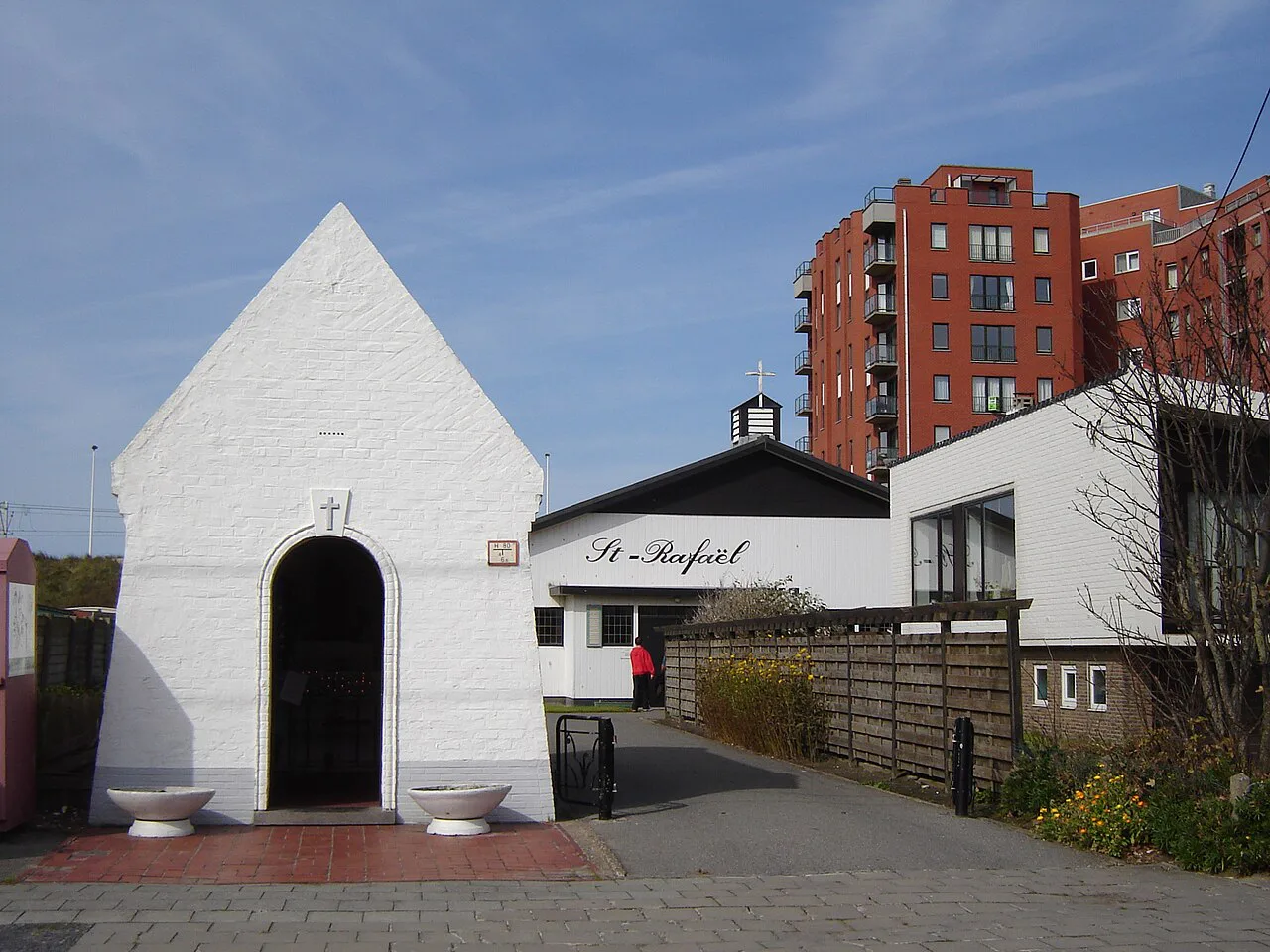
The attraction here is the combination of a low-built coastal village, a sea wall and the open dunes behind it. Walking the front is the simplest thing to do in Raversijde, and it needs no ticket, which makes it the natural filler either side of your museum slot.
Use the coast as the spine of your walk rather than following a route list: the sea wall runs one way towards Ostend and the other towards the wider dunes and the coast beyond. Keep the museum site as your fixed point and build the walk around when you want to go in.
For context on the larger town, the strip of attractions and seafront ahead of you is covered in the Ostend Attractions index, which is useful if Raversijde is one stop on a wider coastal stay.
Getting to Raversijde from central Ostend
The coastal strip is served by the coastal tram, the De Lijn line that runs along the Belgian coast and links Ostend with the villages and resorts either side of it. Board it in central Ostend and get off at Raversijde, then walk to the Nieuwpoortsesteenweg for the museum entrance.
The coastal tram is the straightforward way to reach Raversijde without a car, and the operator publishes the current fares and timetable. Ostend's centre itself is small enough to cross on foot, so for a short stay you may never need local transport at all.
If you are coming from further along the coast, the same line serves the neighbouring districts, so you can pair Raversijde with a stop in Zandvoorde or Stene rather than doubling back to the centre between them.
Where to eat in Raversijde
Raversijde is not a restaurant quarter, and the realistic plan is to eat before or after the museum rather than in the middle of the visit. Bring something with you if you want to avoid doubling back to central Ostend for lunch.
If the weather is fine, the sea wall between the museum and the dunes is the obvious place to eat whatever you have carried out with you.
If the weather is fine, carry something with you and eat on the sea wall between the museum and the dunes; that is the one Raversijde lunch that needs no booking.
Where to sleep if you want the Raversijde end of Ostend
There is no large hotel cluster in Raversijde itself, so most visitors base themselves in central Ostend and travel out. In the centre you get the full range from budget rooms to seafront hotels, all within walking distance of the tram stop you need for Raversijde.
If you specifically want a quiet coastal base, look at the districts along the same stretch of coast rather than at Raversijde alone; Mariakerke, between the centre and Raversijde, offers the seaside setting with more around it.
A half-day plan: Raversijde and the coast either side
Build the half-day around one thing. Start at the Atlantikwall open-air museum while you are fresh, because it is the reason you came and it involves the most walking and the most standing around reading. Give it the morning and do not book anything tightly afterwards.
Afterwards, walk the sea wall in whichever direction the wind favours, then take the coastal tram back towards Ostend and stop once more if something on the route appeals. The tram itself is the connective tissue of the day; the timetable and the fare are the two things to confirm before you set out.
If you have a whole day rather than a half, add a second stop in Ostend itself rather than a second coastal village, because the town has the density and Raversijde does not. The harbour and the centre sit close together and make a natural pair for the afternoon.
How long to allow, and what to do about the weather
The site publishes no standard visit length and there is no honest single number, so plan around the fact that it is mostly outdoors and that more than sixty bunkers take time to walk between. Half a day including travel is a sound planning assumption for most visitors; less if you skim, more if you read every panel.
Weather is the variable that decides the day. The coast catches wind and rain that the town centre shelters you from, so keep Raversijde for a dry day and move it in your itinerary rather than pushing through; a wet afternoon is better spent in an indoor museum in Ostend.
Should Raversijde be on your Ostend itinerary?
Yes if the Atlantic Wall is the reason you came: the site is a preserved section of the German defence line with more than sixty bunkers and passages, and it rewards a focused half-day. No if your Ostend break is one or two days of seafront and centre, where the travel time out and back eats into what you came for.
Decide by checking the museum's own published opening days and ticket prices, then build the coastal tram ride around them; the rest of the district, the sea wall and the dunes, costs nothing and needs no booking.
Explore more Ostend guides
Frequently Asked Questions
Is Raversijde part of Ostend?
Yes. Raversijde is a submunicipality of Ostend on the Belgian coast, separate from the town centre and reached along the coastal strip rather than on foot from the shopping streets.
What is at Atlantikwall Raversyde?
An open-air museum preserving one of the best-kept sections of the German coastal defence line, with more than sixty bunkers and both open and underground passages. Most of it is outside, so plan for weather and comfortable shoes.
Do I need a car to reach Raversijde?
No. The coastal tram runs along this stretch of coast and links central Ostend with Raversijde. Check the operator's current timetable and fares before you travel.