
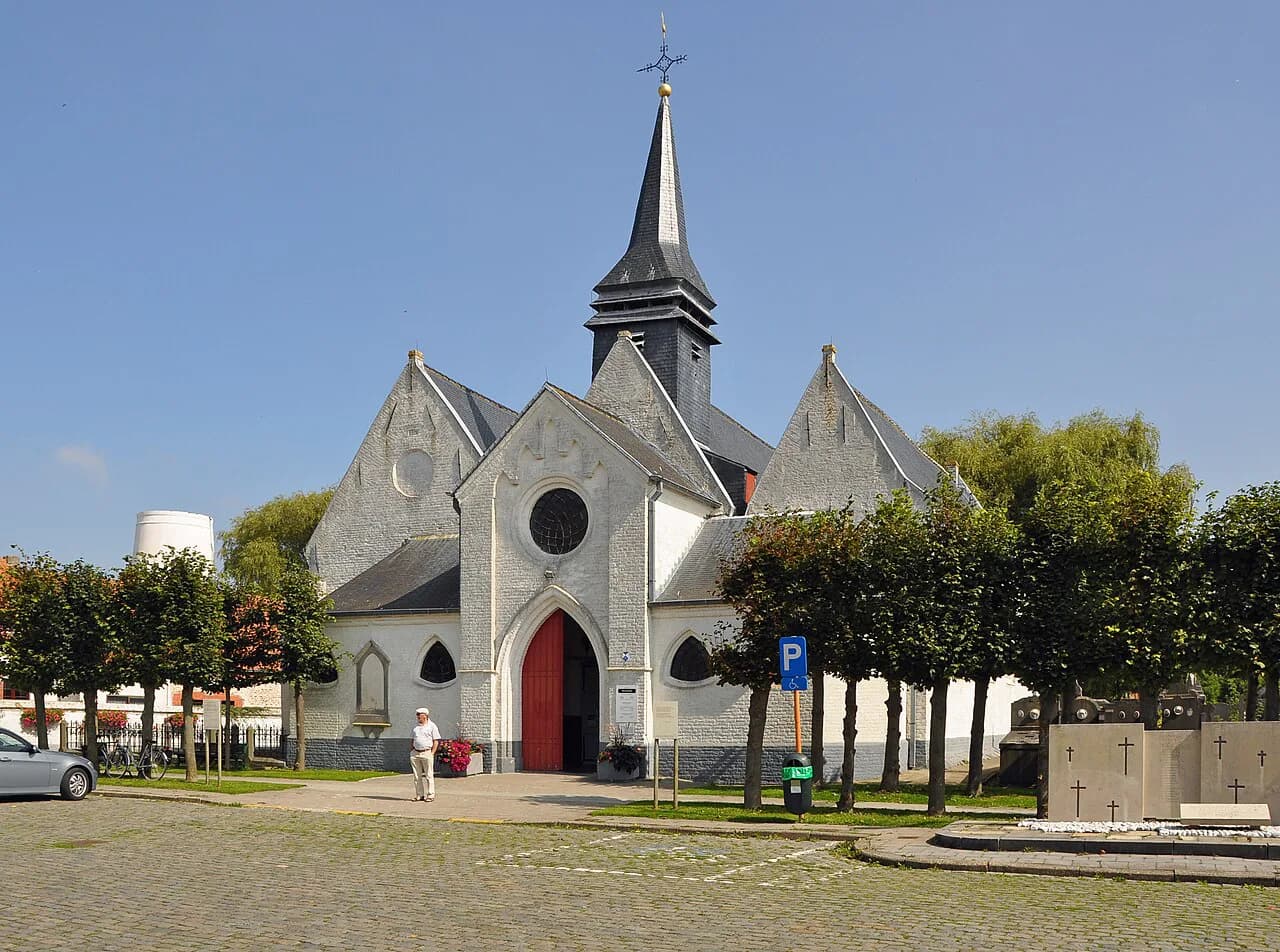
Stene, Ostend: a guide to the district

Stene is a village-scale district of Ostend, best treated as a quieter residential base rather than a sightseeing quarter. It suits travellers who value a slower, more local setting within reach of the coast, and it makes a poor fit for anyone who wants the seafront and Ostend's central sights on the doorstep. This guide covers how the district feels, how to get around and whether it earns a place in a one to four day break.
What Stene is and where it sits in Ostend
Stene sits within Ostend (Oostende), a coastal city in Belgium on the North Sea. It reads as a village in its own right rather than a resort strip, with a separate identity from the seafront promenade. Stad Oostende publishes district news for Stene, which confirms its status as a recognised part of the city.
The practical consequence is that Stene is a residential district rather than a seafront quarter, so plan on travelling into central Ostend for the city's main sights. Stene Dorp is a village near Ostend with its own history and culture, and that village identity is the reason some travellers choose it over the centre.
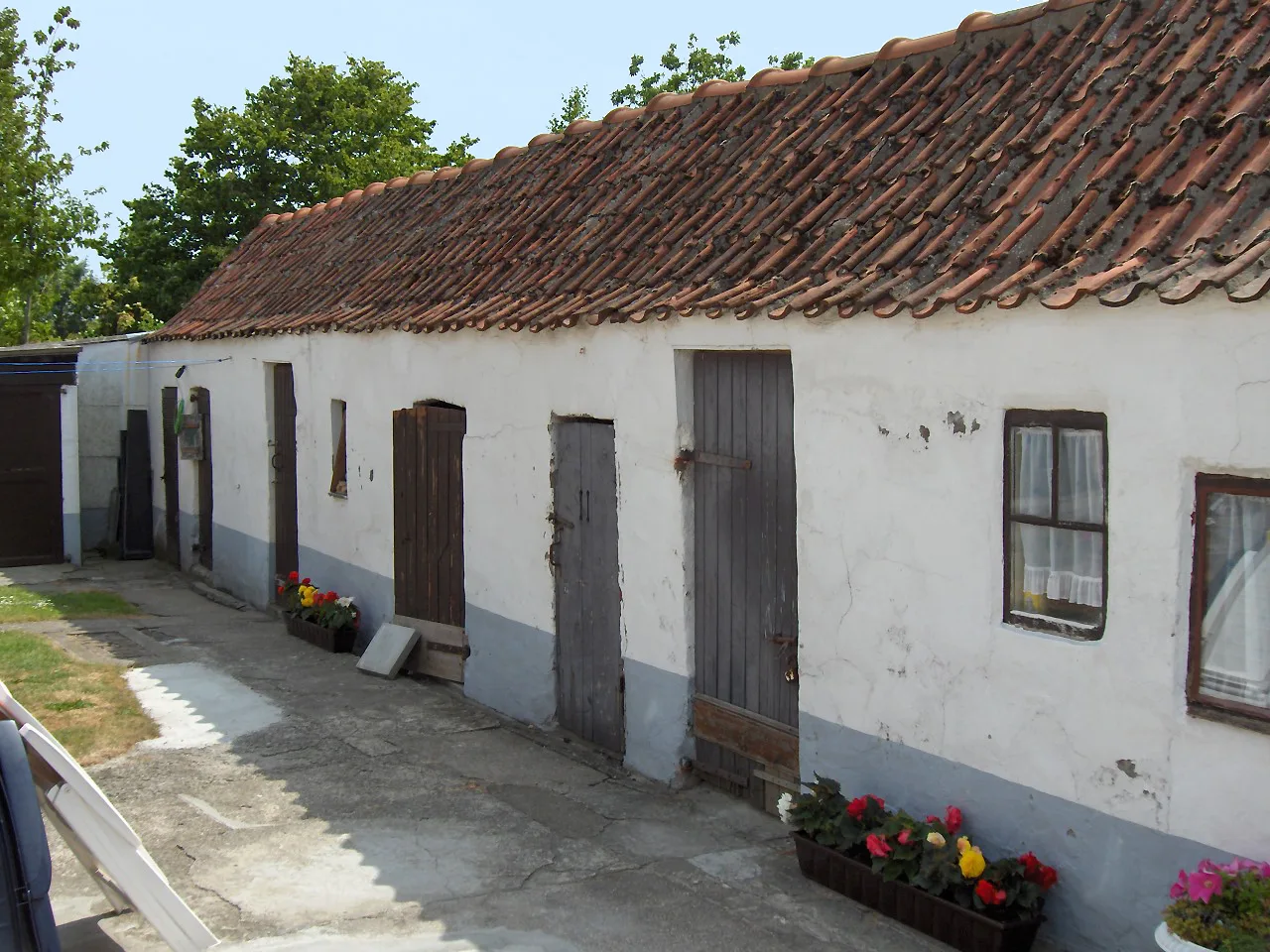

How Stene feels: village character and the seafront
The contrast with central Ostend is the whole point of the district. Ostend's seafront is built around visitors, whereas Stene is described as a village-scale place with its own history and culture rather than a place built around a summer crowd. In practice that means quieter evenings and a more ordinary street scene.
It also means fewer of the things that pull a short-break traveller into the centre. If your ideal day involves walking out of a hotel into a square full of cafés and a museum within five minutes, Stene works against you. If your ideal day ends with a quiet street and a short ride to the coast, the arrangement is a feature rather than a compromise.

Who Stene suits and who should stay nearer the centre
Treat Stene as a base rather than a dining destination: it is a small, residential district, and the wider choice of places to eat sits in central Ostend. Plan the journey back in the evening rather than assuming a short stroll.
It fits poorly if this is your first Ostend trip. A one or two day break is short enough that time spent travelling into the centre eats into what you came to see. Choose Stene for a longer stay or a repeat visit rather than a first look at the city.
Getting to Stene and getting around it
Stene is reached on foot, by bicycle or by public transport from central Ostend. The district's streets are flat and walkable, which makes cycling a practical way to combine Stene with the seafront. Allow real time for the journey into the centre rather than treating it as a short hop.
Most travellers reach Ostend from the UK by rail or ferry connections via Brussels, and then continue to the district. If you are comparing bases, Ostend's neighbourhoods sit at different distances from the centre, and the Ostend Neighborhoods: 5 Area Guides set out how each one relates to the city.
What there is to see in and around Stene
Stene's appeal is its own village centre and everyday streets rather than a checklist of monuments. Walk the district core and the residential lanes, and treat the architecture and the ordinary street life as the sight. The district is best experienced on foot at an unhurried pace, which is also the honest answer to what there is to do here.
For the named sights of Ostend, the city's attractions are concentrated along the seafront and in the centre, and the Ostend Attractions: 8 Visitor Guides set out what each one involves. Plan those for a full day and keep Stene for the quieter hours around them.
Eating in and around the district
The district itself is residential and small-scale, so the wider choice of places to eat sits in central Ostend and along the seafront. Build the journey into the centre into your day rather than expecting a restaurant strip on the doorstep.
For the range of places to eat, central Ostend holds most of the city's options. Treat an evening meal as part of the trip into town rather than something that happens at the end of the street.
Stene's position on the coast and what is within reach
From Stene the rest of the Belgian coast is within reach. The neighbouring districts each have a different character: Mariakerke, Ostend is a separate coastal district, and Raversijde, Ostend has its own open coastal character.
Zandvoorde, Ostend is another district of the city. Build one of these into each day rather than trying to cover them all at once.
Stene compared with central Ostend for a short break
For a one or two day break, central Ostend wins on convenience: everything you came to see is within walking distance. For three or four days, Stene becomes viable as a quieter base, particularly if you have a bike or a car and want to explore the coast rather than repeat the promenade. The decision is really about how much of your day you are willing to spend in transit.
Choose Stene if you want a village rhythm and are comfortable travelling into the centre. Choose the centre if this is your first visit or your time is tight. Either way, the district works as a complement to Ostend rather than a replacement for it.
Should you base yourself in Stene?
Base yourself in Stene if you have three or more days in Ostend, want a quiet residential setting and are happy to travel into the centre. Skip it on a first one or two day visit, when the seafront and the central sights should be on your doorstep. The district rewards a slower trip, not a short one.
Explore more Ostend guides
Frequently Asked Questions
Is Stene part of Ostend or a separate village?
Stene is a district of Ostend with a village-scale centre and its own residential character. It sits within the city boundary today, and Stad Oostende publishes district news for it.
How do you get from Stene into central Ostend?
Stene is a residential district rather than the seafront, so plan on travelling into central Ostend on foot, by bike or by public transport, and allow real time for the journey.