
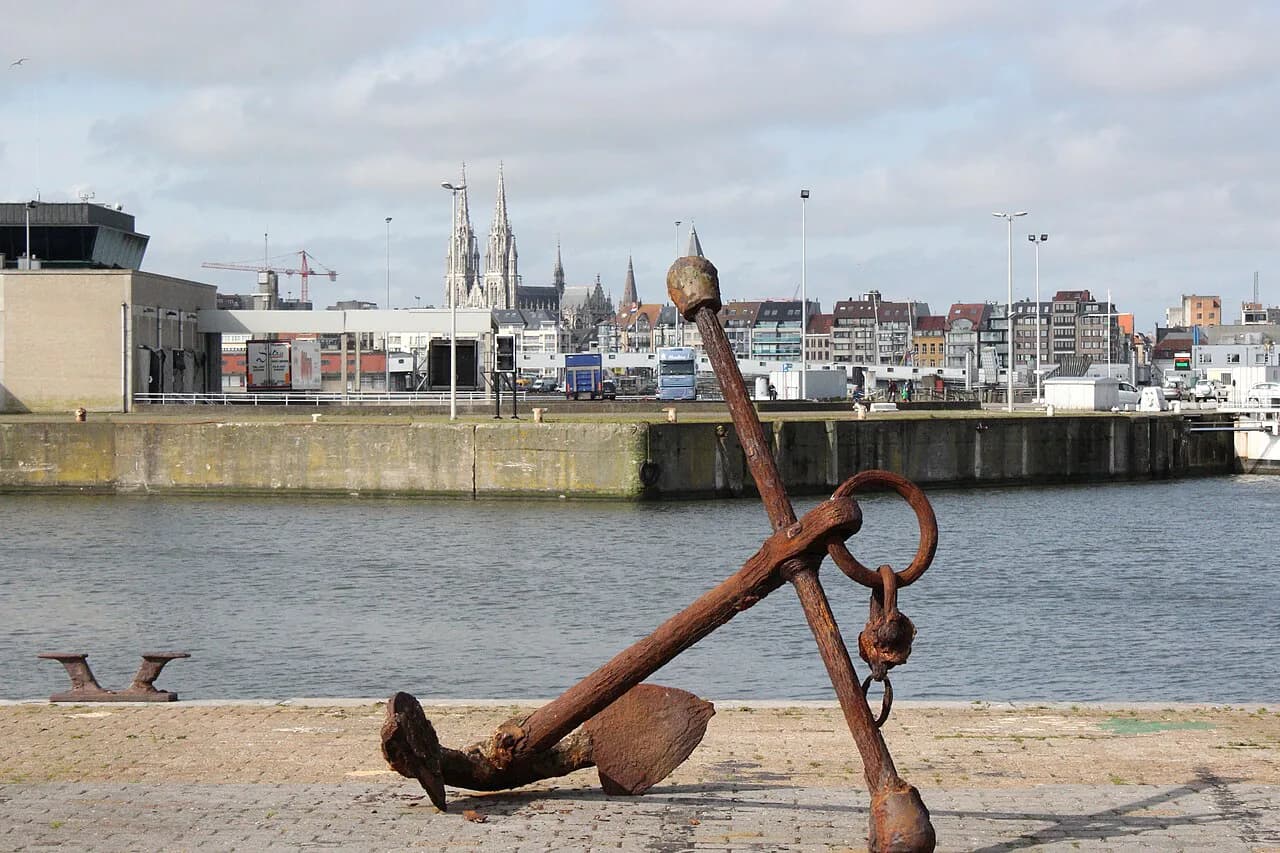
Ostend Harbour: The Haven District for Visitors

Ostend harbour, the Haven district, is a working North Sea port rather than a picturesque sightseeing marina, and it takes about an hour to walk rather than a half day. Base yourself in the town centre and treat the port as a walk, not a place to stay.
Ostend (Oostende) is a coastal city of roughly 72,000 people and a lively starting point for the Belgian coast, according to a travel guide to the town. Keep expectations set to maritime logistics: quays, terminals, port authority buildings and working vessels rather than cafés on the water's edge.
What Ostend harbour is
Port Oostende describes itself as a public-law company that earns most of its income from concession fees and port dues, and states its vision as excelling in niche markets with waterbound activities. That is the character of the place: a commercial port with specialist trades rather than an amusement strip. Read it as infrastructure first and scenery second.
Port Oostende states that safety, health and environment is its first priority, with a mascot and the slogan "I am not a cowboy" used to keep awareness of health and safety visible in the port area. For a visitor that translates into a place run for cargo and vessels, where the public is a guest on the edges. Expect fences, markings and rules rather than open quayside promenading.
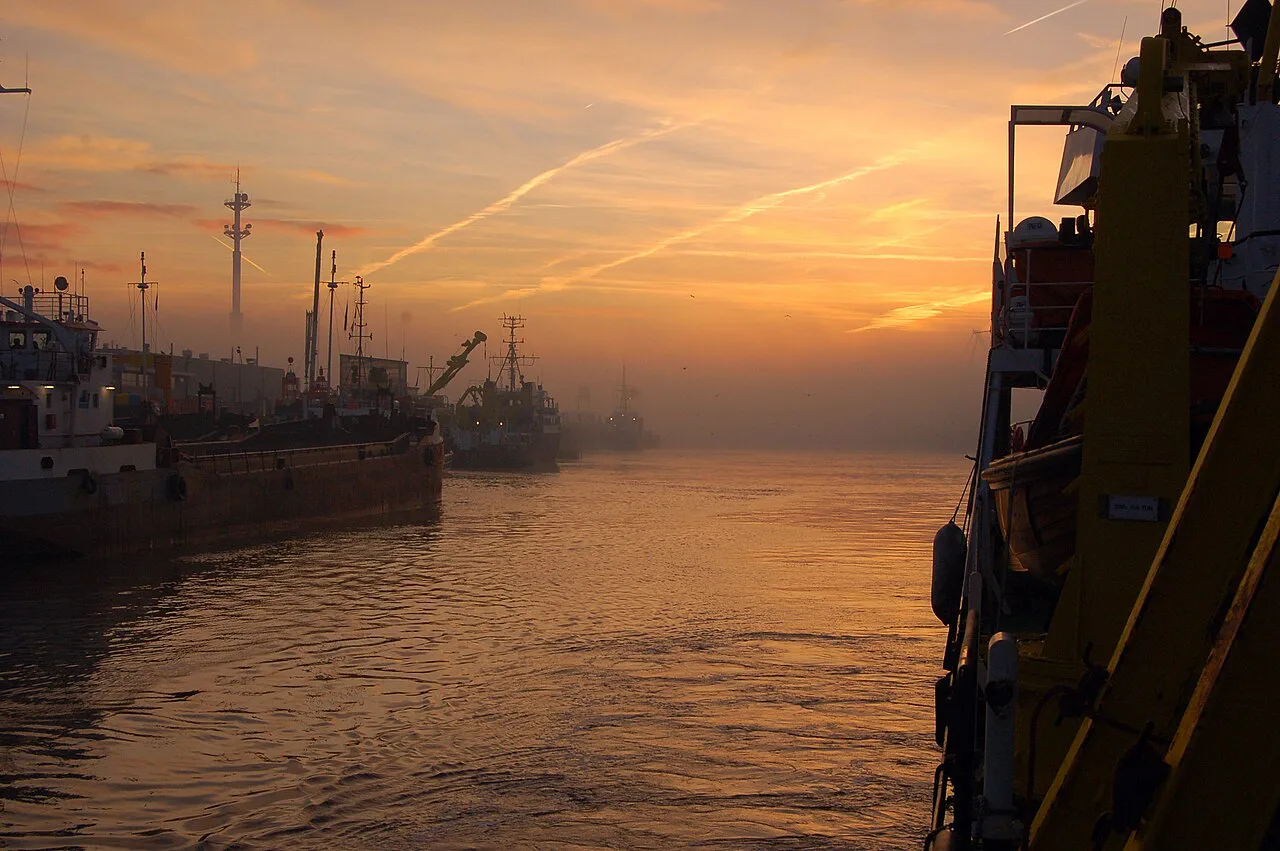

Where the harbour sits in relation to the centre
The harbour area lies north of the old town, between the town centre and the open sea, so you reach it by walking away from the shopping streets and towards the water. Ostend's centre is compact, and the walk from the main shopping axis towards the port edge is short enough to combine with a look at the seafront. Set aside an hour for the loop rather than an afternoon.
Treat the harbour and the seafront as one direction of travel: head for the water, follow the quay edge, then turn back through the centre. That keeps the walk practical and gives you a natural decision point at the far end. The full range of districts is set out in the Ostend Neighborhoods: 5 Area Guides, which helps you see the port as one part of the city rather than the whole of it.
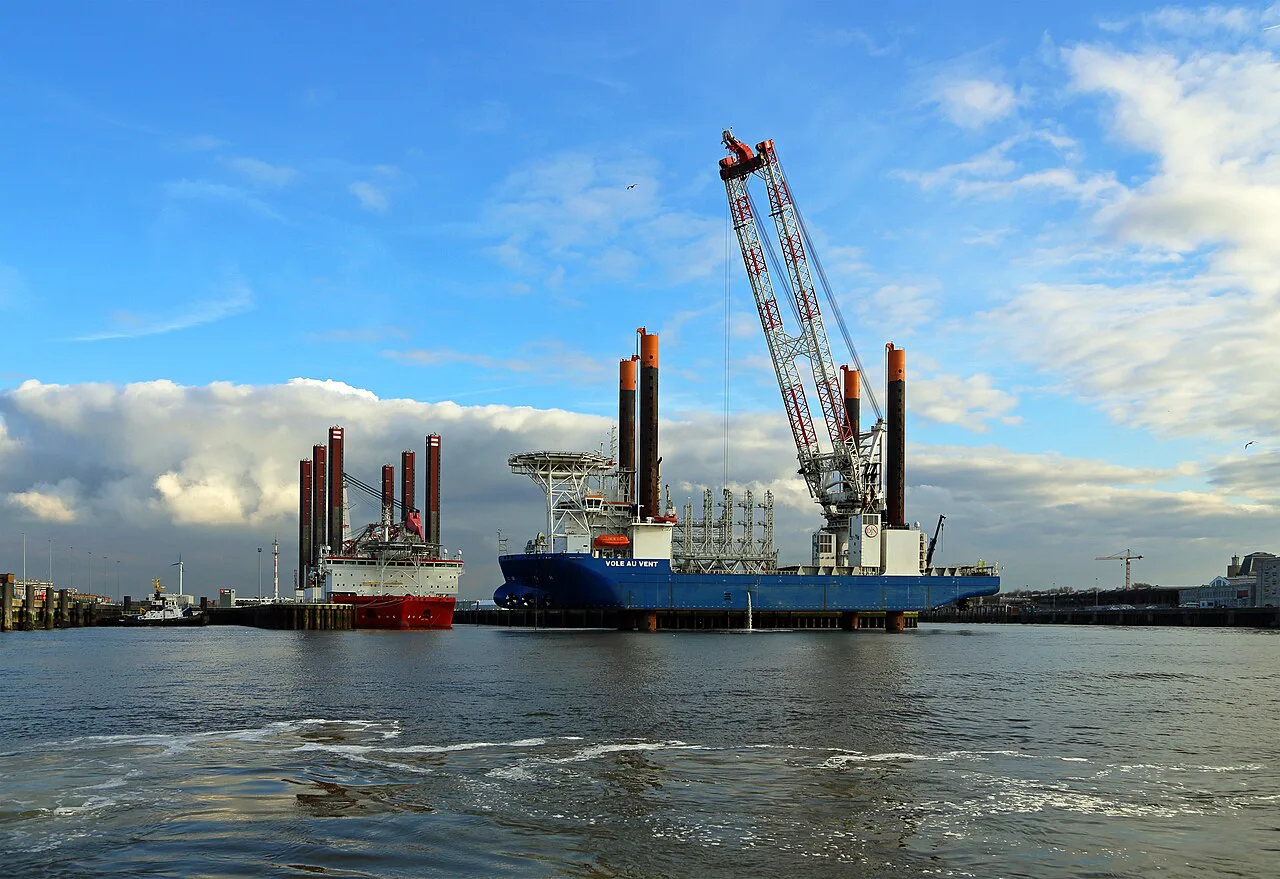

What you actually see in the port area
Port Oostende holds 100% stakes in Ostend Stevedoring Services Company nv and MultiTech nv, and smaller shares in Ostend Science Park and the Bluebridge incubation and innovation centre. Those names tell you what the port is for: stevedoring, technical customisation and science-based enterprise. Along the quays you are looking at cargo handling and port services in operation, not pleasure craft.
Port Oostende's published port areas include the REBO heavy-weight terminal, roll-on roll-off and cruise handling, and circular industry activities, which explains the industrial look of the waterside. Walk the public edges and look out at the working side rather than trying to cross into terminals. A camera and a sense of scale are the main rewards.
The port is also being used for offshore energy and maritime testing work: a project led by POM West-Flanders brings testing infrastructure including a floating test platform and autonomous maritime drones, alongside a monitoring buoy that collects weather and sea data for offshore trials. This is port innovation infrastructure, not something a visitor tours. It does explain why the eastern port landscape reads as industrial and technical rather than decorative.
Who the harbour district suits
Ostend harbour suits travellers who like ports, ships, cranes, engineering and the texture of a working coastal economy, and who are happy to walk a functional waterfront without expecting cafés or benches at every turn. It suits a short, purposeful look on a one to four day break, especially if you are already heading towards the seafront.
It suits less well anyone wanting a pretty inner harbour with boats for hire and a promenade of places to sit. Those looking for a leisurely waterside afternoon are better off in the town centre and along the seafront, then walking out to see the port briefly. If you are choosing where to base yourself, keep the decision with the centre: the port is a place to visit rather than a district to stay in.
If your interest is the coast's residential and dune-edge side rather than the docks, the neighbouring districts along the same coastal strip are a better fit, with slower, less industrial walks than the quays: Mariakerke, Ostend and Raversijde, Ostend.
How to reach the harbour area and get around it on foot
Ostend is a coastal city and the harbour sits on its northern edge, so the simplest approach is on foot from the centre: aim for the water, then follow the quay roads along the port boundary. Walking works well here because the distances are modest and the interesting views come from the public edges rather than from inside the terminals.
Once in the port area, stay on roads and marked paths, keep clear of gates and terminal entrances, and follow port signage where it directs pedestrians. Do not cut through working areas or cross barriers to get a closer look at vessels.
If you are combining the port with the rest of the city, plan the harbour as your first or last stop of the day so you are not criss-crossing town. A loop of the quays followed by a walk back through the centre gives you the port and a natural return route in one continuous walk.
Maritime sights worth the walk
The reward of the harbour walk is the port itself: working vessels, cargo handling, the terminals that serve roll-on roll-off and cruise traffic, and the scale of the quays. Look for the stevedoring and technical operations that Port Oostende's subsidiaries run, which show how much of the economy here is about moving and servicing things rather than entertaining visitors.
Pair the harbour with a day in the centre, where Ostend's cultural draws sit within easy walking distance of the water. The wider set of things to do in Ostend covers the museums, including the James Ensor collections, and gives you a full-day structure around a short port visit.
Practical constraints in a working port
Access in the port is governed by port regulations, and health, safety and environmental care is presented as the port authority's first priority. That means the industrially zoned parts are not open for wandering, and you should read signage before following a quay road to its end. Where a gate or barrier is closed, treat it as a boundary rather than an obstacle to work around.
Expect noise, dust, wind off the North Sea and heavy vehicles, and dress for a coastal walk rather than a city stroll. Keep the harbour walk to about an hour and put the rest of your day into the centre and the seafront.
Should the harbour be part of your Ostend day?
Yes, as a short walk rather than a destination in its own right: an hour on the quays gives you the working port, the scale of the harbour and a clear sense of what Ostend does for a living. It complements the centre and the seafront instead of replacing them, and it costs nothing beyond the walk.
If you want a gentler coastal walk, head for Mariakerke, Ostend or Raversijde, Ostend instead and leave the industrial edge for a brisker morning. Either way, decide before you set out whether the port is your first stop or your last so the route through the centre stays simple.
Explore more Ostend guides
Frequently Asked Questions
Is Ostend harbour worth visiting on a city break?
Yes, for about an hour, if working ports interest you. It is a commercial North Sea port with quays, terminals and port services, so go for the scale and the maritime atmosphere rather than for cafés or boat trips, and combine it with a walk through the centre and along the seafront.
Can you walk around Ostend harbour?
You can walk the public roads and edges of the port area, but the industrially zoned parts are working areas and are not open to wandering. Stay on marked paths, respect barriers and gates, and give way to heavy vehicles.