
Groot Begijnhof Leuven: A Visitor's Guide to the Great Beguinage

The Groot Begijnhof is free to enter, always open, and worth about an hour of unhurried walking. It is a 13th-century beguinage on the edge of the Leuven city centre, the largest beguinage in Flanders, and one of the best-preserved in Europe, now recognised by UNESCO alongside twelve other Flemish beguinages. This guide covers what the place is, how to reach it, what to look for along the lanes and what to pair it with.
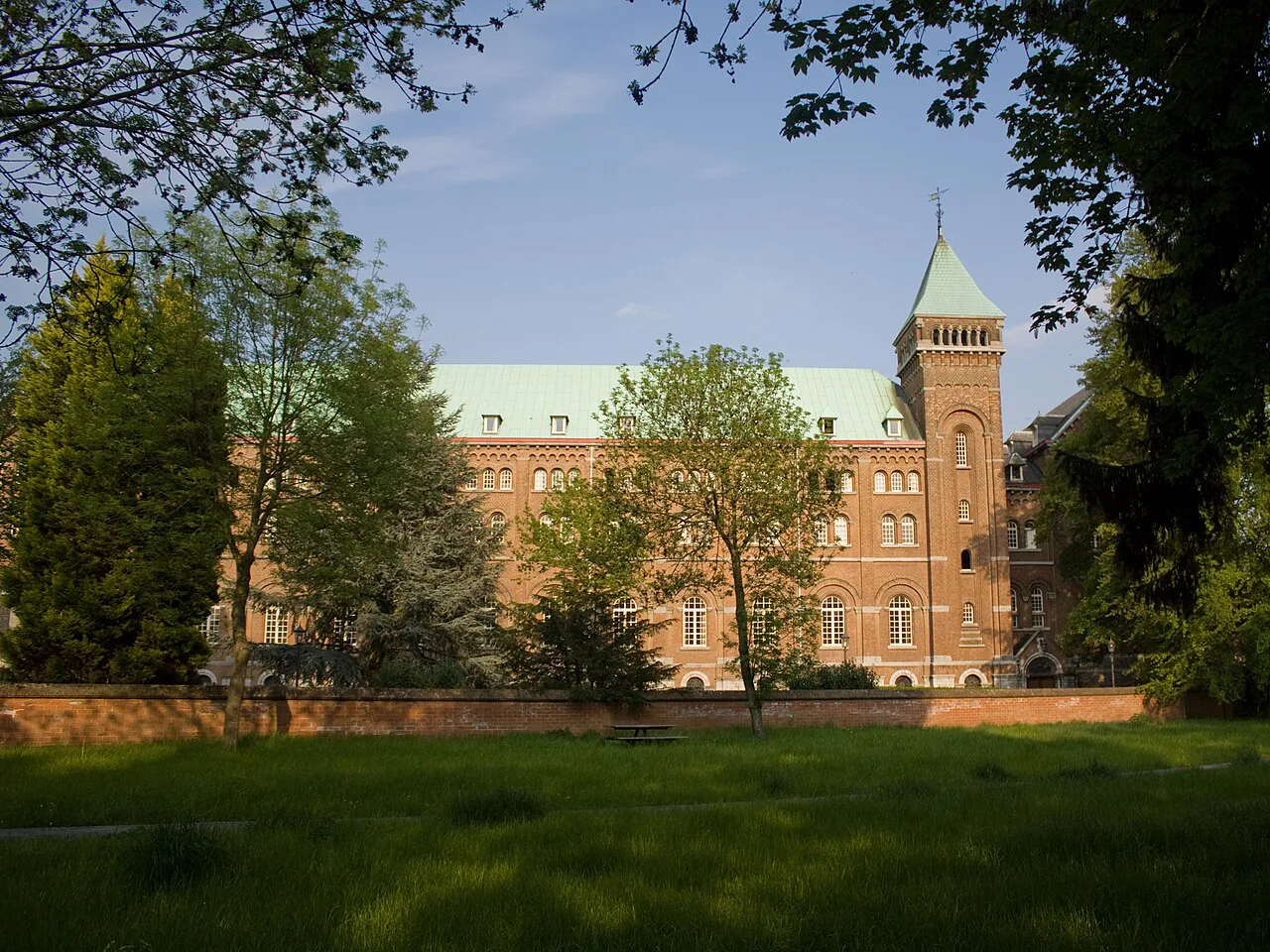
Treat it as a living neighbourhood rather than a museum. The estate belongs to KU Leuven and houses students, doctoral researchers, academic staff and visiting professors, so quiet, staying on the paths and respecting residents' privacy are part of the visit, not an optional courtesy.
A village in the city: what the beguinage is
The Groot Begijnhof, also called Begijnhof Ten Hove, dates from the 13th century and grew into a walled quarter of its own. At its peak in the 17th century it housed around 360 beguines, lay religious women who lived in community without taking monastic vows. That density of houses, convents, church and green space is why it reads as a village folded into the city.
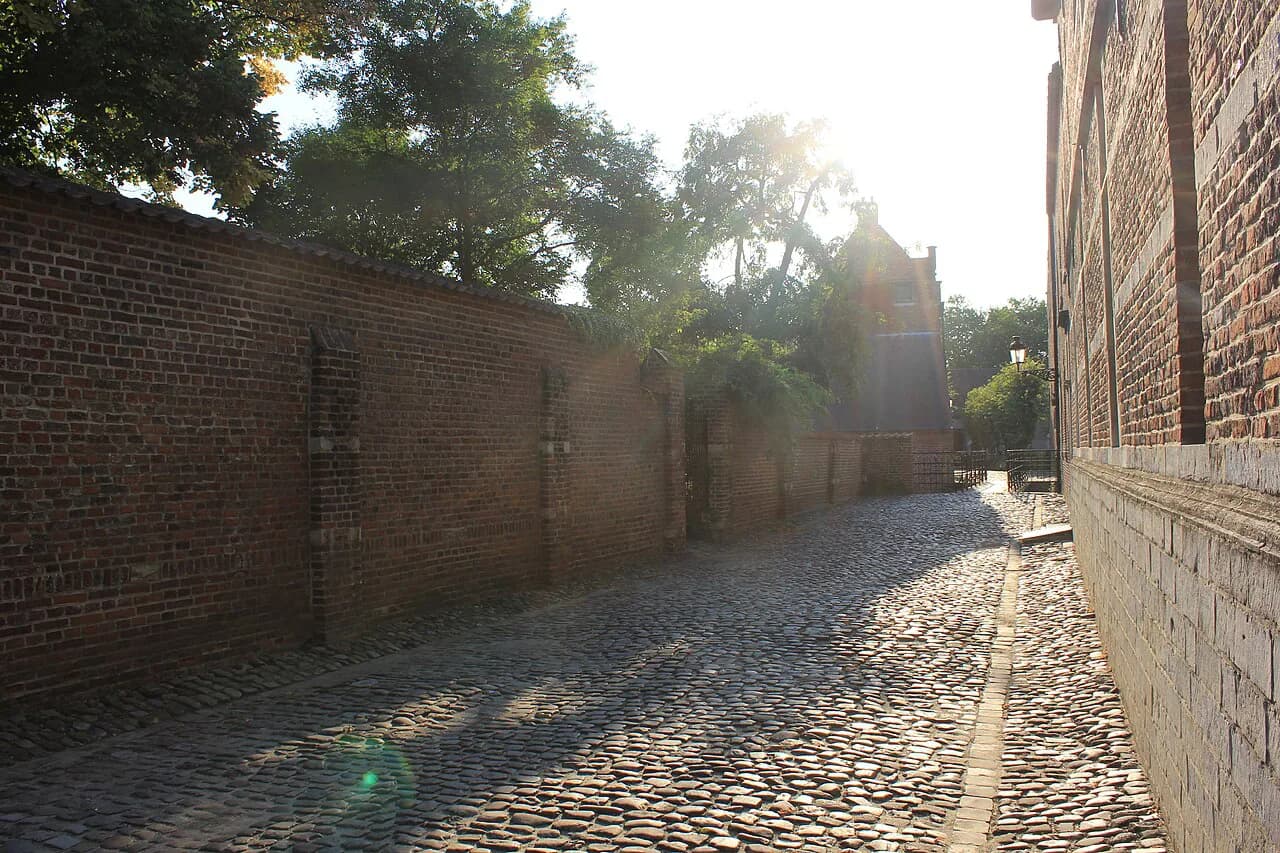
In 1998 the beguinage joined the UNESCO World Heritage List together with twelve other beguinages in Flanders, which is the recognition that underpins its careful restoration. The result is a coherent historic streetscape rather than a single monument: a network of streets and alleys lined with traditional sandstone buildings. Come for the ensemble, not for one star exhibit.
Where it is and how to get there
The beguinage sits on the edge of the city centre, at the meeting point of the city-centre, Arenberg and Gasthuisberg campuses, roughly a 15-minute walk from the Grote Markt. Its address is Groot Begijnhof 7, 3000 Leuven, and the lanes are pedestrianised throughout.
By bus, De Lijn routes 2, 11, 12 and 79 stop at Heilig Hart, a short walk from the entrance. Drivers have two practical options nearby: the Bodart and Heilig Hart car parks.
If you are working through the wider city, the Leuven Attractions: 12 Visitor Guides collection puts the beguinage alongside the squares, churches and museums within walking distance of it.
Tickets, access and the rules of a residential estate
There is no ticket office and no admission charge: the Groot Begijnhof has free entry and is open at all hours. That access comes with the estate's status as a woonerf, a residential yard, so visitors are asked to keep to the paths and keep noise down for the people who live there.
Groups can arrange a guided tour through KU Leuven using an online request form, submitted at least three weeks before the intended date. Individual travellers simply walk in; there is no booking step for a solo or small-group visit.
What to see along the walk
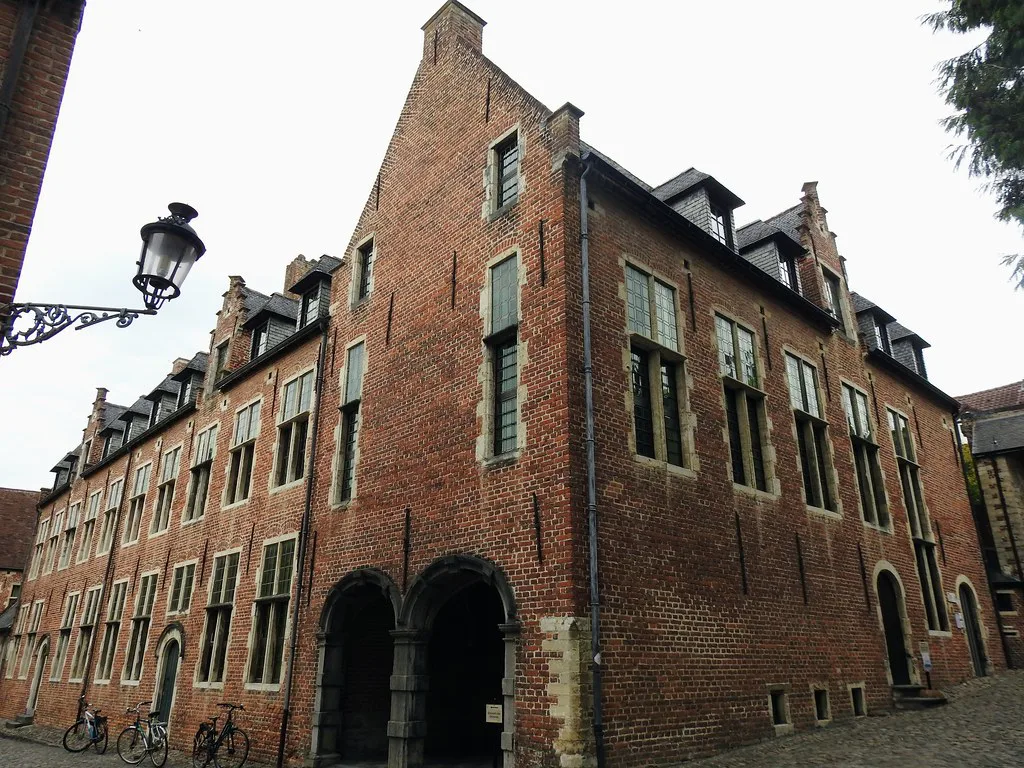
The focal point is the Sint-Jan-de-Doperkerk, the beguinage church, surrounded by dozens of houses and convents in traditional sandstone. Beyond it, the plan is loose: a network of small streets, tiny squares, gardens and patches of park that you follow on foot rather than in a fixed route.
Look at the details rather than hunting for headline sights: repeated doorways, walled front gardens and the uniformity of the brick and sandstone terraces are the appeal. Because the estate has been fully restored and is continuously lived in, the fabric is in good order and the lanes feel inhabited, with bicycles and window boxes rather than museum ropes.
On Wednesdays a free carillon concert is held in the beguinage, which is a good reason to time a walk here rather than slotting the visit in randomly. Start or finish at the nearby Oude Markt, Leuven's long terrace square, where the scale of the city centre becomes clear again after the beguinage's quiet.
How long to allow and the cobbles underfoot
Allow an hour for the beguinage itself, more if you stop for the Wednesday carillon or sit in one of the gardens. The streets are cobbled and noticeably uneven in places, so sturdy shoes help and anyone using a wheelchair or pushing a pram should expect a bumpy surface rather than smooth paving.
Pair it with the Sint-Geertruikerk and the river-side streets towards the centre to make a half-day on foot, or walk north to the Grote Markt for the Leuven Town Hall (Stadhuis van Leuven) and its carved facade. Both keep you within a comfortable stroll of the beguinage.
The Klein Begijnhof as a quieter companion
Visit Leuven points walkers towards the Klein Begijnhof as a lesser-known companion to the Great Beguinage, smaller and less visited. If the Groot Begijnhof leaves you wanting the same atmosphere without the occasional tour group, this is the natural next stop, and it suits a slow afternoon better than a rushed checklist.
Nearby sights to round off the walk
Back in the centre, the M Museum Leuven holds old masters and contemporary work under one roof, a useful contrast to the beguinage's medieval streets. The Ladeuzeplein, with its university library and open square, is a short walk north and a good place to pause before heading on.
For green space, the botanical garden Leuven, the oldest in Belgium and free to enter, sits within walking distance, while Park Abbey and Keizersberg Abbey lie further out for a longer loop. The university's Arenberg Castle is another option if you have a bicycle or a spare afternoon.

Is the Groot Begijnhof worth the walk?
Yes, if you want a quiet hour of historic streets rather than another museum room. The combination of free access, always-open lanes, sandstone architecture and the Wednesday carillon makes it one of the easiest additions to a Leuven day, provided you treat it as a place where people live.
Build the walk around the Sint-Jan-de-Doperkerk, keep an hour in hand, wear shoes that cope with cobbles and finish at the Oude Markt or the M Museum. That route gives you the beguinage at its best without turning it into a box to tick.
Explore more Leuven guides
Frequently Asked Questions
Is the Groot Begijnhof in Leuven free to visit?
Yes. Entry is free and the beguinage is open at all hours, so there is no ticket to buy and no booking needed for an individual visit. Group tours are arranged separately through KU Leuven and need to be requested at least three weeks ahead.
How do I get to the Groot Begijnhof by bus?
De Lijn routes 2, 11, 12 and 79 serve the Heilig Hart stop, a short walk from the beguinage. If you are driving, the Bodart and Heilig Hart car parks are the closest options before continuing on foot.
Who lives in the beguinage today?
The estate belongs to KU Leuven and provides temporary housing for students, doctoral researchers, academic staff and visiting professors. That is why visitors are asked to stay on the paths and keep the lanes quiet.
Can I hear a carillon concert at the Groot Begijnhof?
A free carillon concert takes place in the beguinage on Wednesdays. Plan a Wednesday walk if you want to catch one, and time your loop of the lanes around it.