
Botanical Garden Leuven (Kruidtuin): A Visitor's Guide

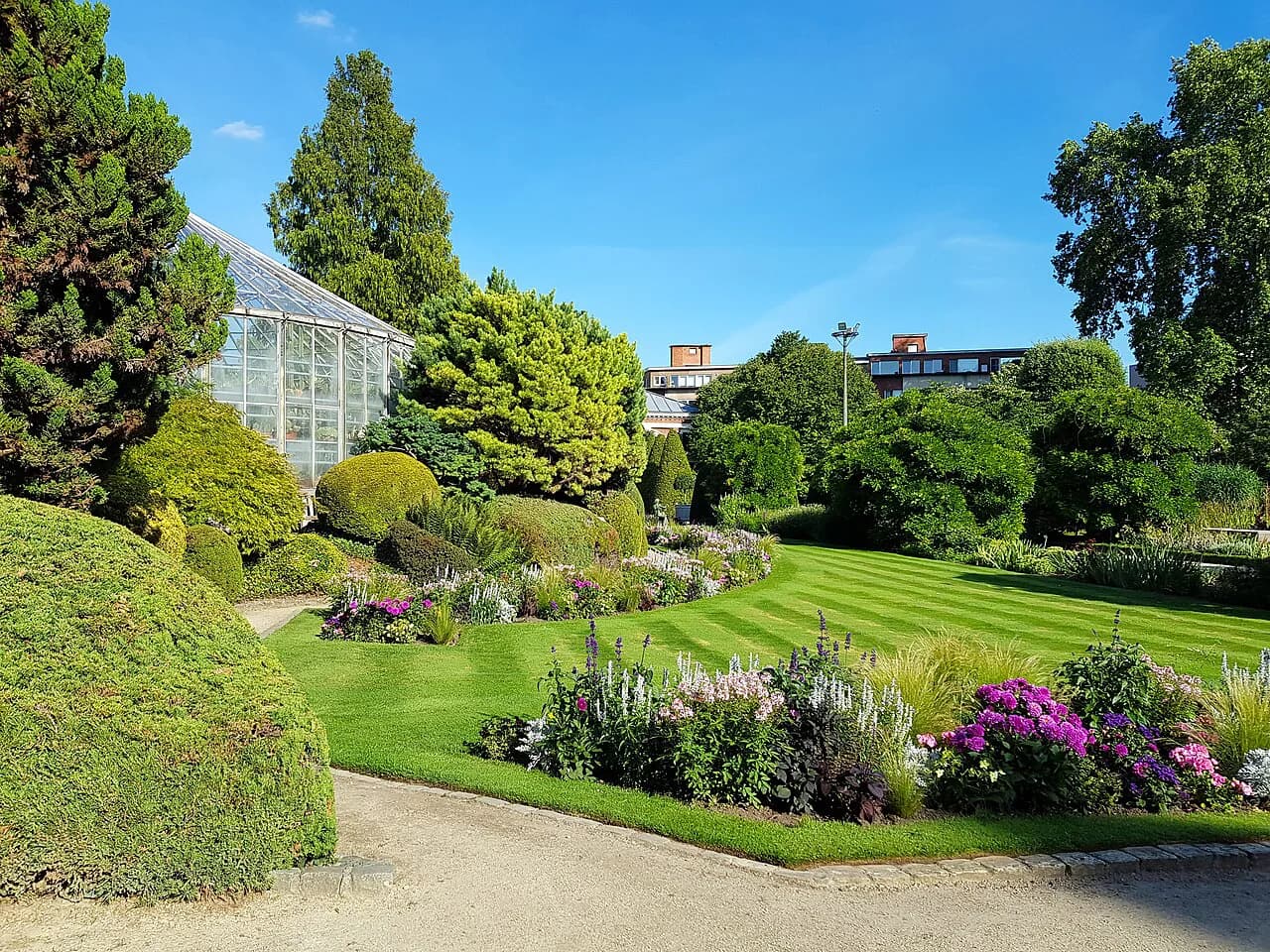
Leuven's Kruidtuin is Belgium's oldest botanical garden, laid out by the university in 1738 for medical students, and it still costs nothing to walk into. An hour covers the grounds and greenhouses at an easy pace, which makes it an easy addition to a day in Leuven rather than a half-day outing of its own. This guide covers where the garden sits, what fills the greenhouses and open beds, how long to allow, and how it slots into a walk past the Oude Markt, the town hall and Saint Peter's Church.
The name gives away the history: Kruidtuin translates as herb garden, because the beds were originally stocked for medicine rather than display. Those herbs were used as medicines, and the garden later grew into an actual botanical garden with imported trees, flowers and plants from around the world. Today it reads as a quiet green pause between the city's churches and squares.
Where the Kruidtuin sits
The garden is at Kapucijnenvoer 30, on the edge of the city centre rather than deep inside the ring, roughly five minutes on foot from the built-up core. That position makes it a natural stop on the way to or from Park Abbey to the south, or as a breather after the crowds around the Oude Markt, Leuven Town Hall (Stadhuis van Leuven) and Saint Peter's Church. The address, telephone number and email are listed on the Visit Leuven page for the garden.
The site is compact and level enough to wander without a fixed route. Visit Leuven publishes accessibility information for the garden for anyone who needs step-free detail before setting out, and the tourist office on Jozef Vounckplein is a short walk away if you want to talk through the area in person.

Entrance and opening hours
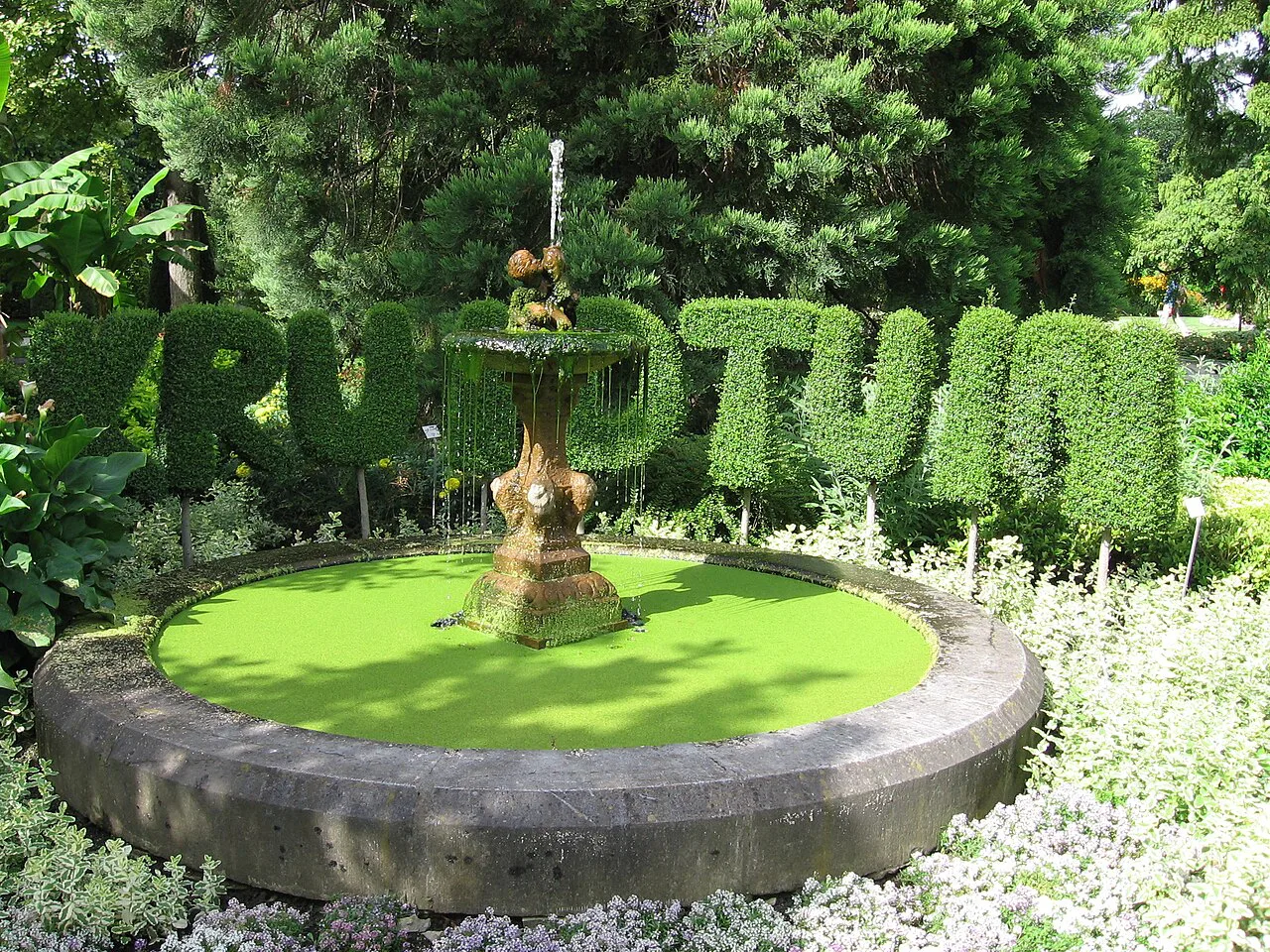
Entry is free, which is the single most useful thing to know before you go: the Kruidtuin is a public garden rather than a ticketed attraction, so there is no booking, no timed slot and no queue. It stays open all year, with the gates only shut overnight, so an early-morning or late-afternoon stop is realistic in most seasons.
The exact daily hours shift with the season, so check Visit Leuven's opening hours before you go rather than counting on one year-round timetable, particularly for a winter visit when the gates close earlier. Summer evenings are the most generous option, when daylight lasts long enough to see the open beds properly.

The greenhouse complex
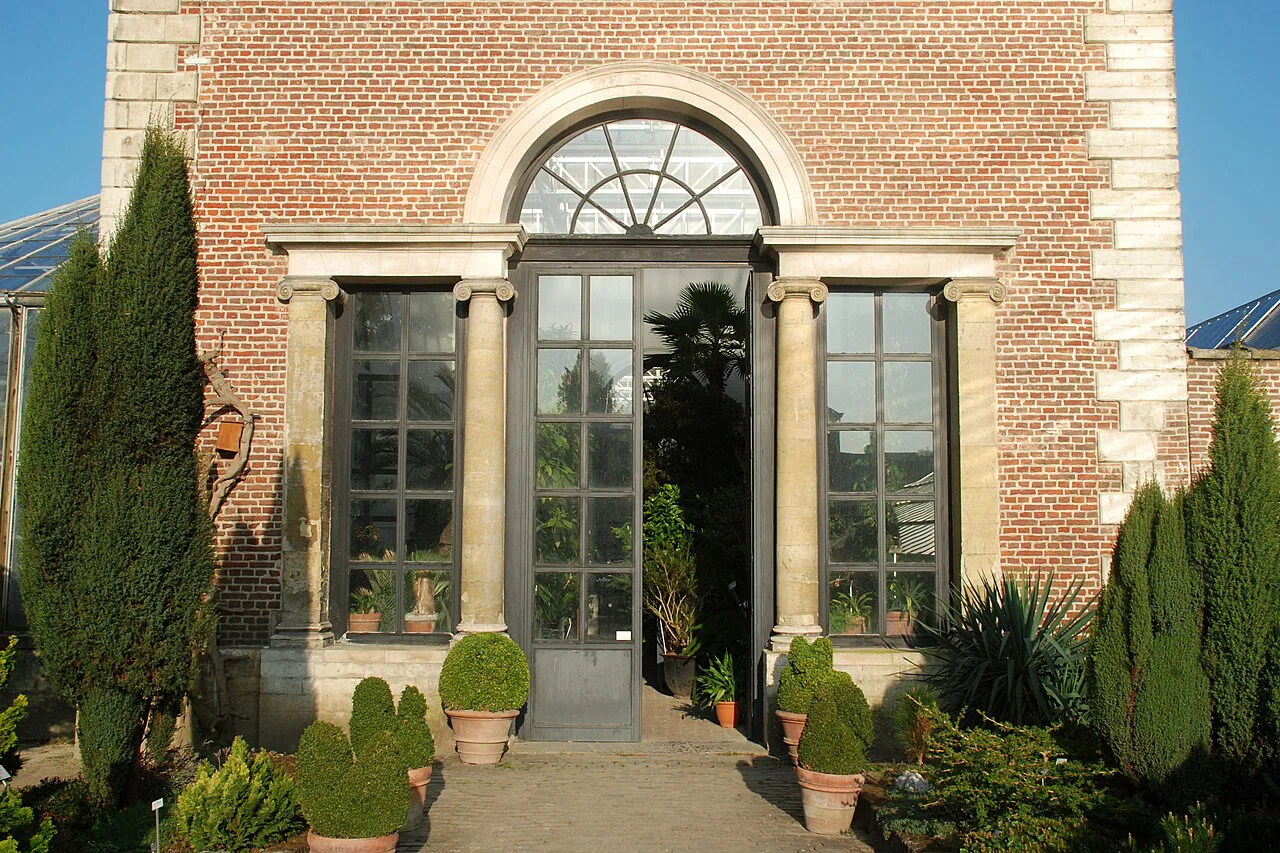
The glasshouse complex covers around 450 m² and holds herbaceous, medicinal, aquatic, potted, tropical and subtropical plants, so it rewards a slower pass than the outdoor beds. This is where the garden earns its reputation as a place to escape the city: a small, warm, green interior that works well on a cold or wet day when the open grounds are less inviting.
Treat the greenhouses as a compact, focused stop rather than a conservatory you trail through for an hour. The contrast between the humid interior and the outdoor beds is the point, so visit the glass first and then walk the grounds while the plant names are still fresh.
The Drought Garden
The Drought Garden is the part of the Kruidtuin most worth seeking out, with a collection of more than a hundred species chosen for their resistance to heat and drought. Unlike the rest of the garden, it receives no extra water at all, even through long dry spells. That makes it a practical demonstration of climate-adapted planting rather than a decorative border, and it is the reason a keen gardener will linger longer than the greenhouse stop.
Look for it deliberately, because it sits apart from the watered beds and is easy to pass by on a first circuit. A second loop through the grounds at the end of your visit is a sensible way to catch anything missed the first time, the Drought Garden included.
Orangery, gatehouse and open-air exhibitions
Exhibitions take place regularly in the orangery, the gatehouse and the open air, so the garden changes character between visits without any change to the planting. Nothing about the display programme is fixed enough to plan a trip around, so treat an exhibition as a bonus if one happens to be on while you are in Leuven.
Because the displays sit inside the historic structures as well as outdoors, the orangery and the gatehouse are worth a look when something is on, and they frame the beds even from outside. Both are small, so they add minutes rather than hours to the visit.
How long to allow and how to walk it
Budget an hour for a relaxed visit and ninety minutes if you are a plant lover who reads labels and wants a second pass through the Drought Garden. The garden is small enough that the greenhouse, the open beds and the buildings all fit comfortably inside that window, and there is no circuit you need to follow to see everything.
A sensible order is the greenhouse first, then the open grounds and Drought Garden, then the orangery and gatehouse on the way out. That sequence keeps the warmer, denser part of the collection at the start, when you are freshest, and finishes outdoors in the daylight.
Picnics and food nearby
The Kruidtuin is explicitly a picnic-friendly garden, and its lawns and benches make a better lunch stop than most city squares. For supplies, Visit Leuven points to Parijsstraat, Joris Helleputteplein and Brusselsestraat as the nearest streets with food and drink, all within a short walk of the gate.
Pick up food and drink on the way, settle on a lawn or bench, then continue south towards Park Abbey or back north into the centre. Leuven Attractions: 12 Visitor Guides covers the rest of the city's named sights if you want to build the garden into a longer day.
Dogs and site rules
Dogs are not allowed inside the Botanical Garden, so plan to leave a dog at your accommodation or skip the garden altogether. The Visit Leuven page states the restriction for the garden as a whole, so it is not a rule that applies only to the greenhouses.
The main hard rule is the ban on dogs; otherwise this is a garden to wander at will rather than a site with a set route. Read the Visit Leuven entry before you set out if you want the official wording on hours, address and access.
Nearby afterwards
The Oude Markt, billed as the longest bar in Europe, is the obvious next stop for a drink on a terrace after the garden, and it is a short walk back towards the centre. From there the Leuven Town Hall (Stadhuis van Leuven) and Saint Peter's Church sit a few minutes further on, with the church's Flemish master paintings a natural follow-on to an hour among plants.
Serious walkers can push south to Park Abbey, one of the best-preserved abbey sites in Europe, with avenues, ponds, meadows and Museum PARCUM on site. That makes a rewarding half-day pairing with the Kruidtuin, but it is a separate outing with its own opening arrangements rather than an extension of the garden itself.
Is the Kruidtuin worth an hour of your Leuven trip?
Yes, if you want a free, unhurried green stop that fits between Leuven's bigger sights without eating a morning. It suits gardeners and anyone travelling with a picnic, and the Drought Garden gives it a specific interest that a standard municipal park lacks.
Skip it if your time in Leuven is down to a few hours and you would rather spend them on the Oude Markt, the town hall and Saint Peter's Church. Otherwise slot the garden in on the southern edge of your walk and give it a full hour rather than a quick look through the gate.
Explore more Leuven guides
Frequently Asked Questions
Is Leuven's botanical garden free to enter?
Yes. Visit Leuven gives the entrance as free, and the Kruidtuin is a public garden rather than a ticketed attraction, so there is no booking or timed slot to arrange before you go.
When is the Kruidtuin open?
The garden is open all year round, with the gates closed only at night. Visit Leuven says the exact hours vary by season, so check the official page before you set out, especially for a winter visit.
How old is the Kruidtuin and why was it created?
Leuven's university created the garden in 1738 for its medical students, which makes it the oldest botanical garden in Belgium. Its Dutch name, Kruidtuin, means herb garden, a reminder of those medicinal origins.
How long does a visit take?
About an hour is enough to see the 450 m² greenhouse complex, the open beds, the Drought Garden and the orangery and gatehouse. Keen gardeners who read labels may want ninety minutes.
Where is the Botanical Garden in Leuven?
It is at Kapucijnenvoer 30, on the edge of the city centre rather than deep inside the ring, a short walk from the Oude Markt and convenient for continuing south towards Park Abbey.
Can I bring a dog?
No. Visit Leuven states that dogs are not allowed in the Botanical Garden, so leave a dog at your accommodation or give the garden a miss on that outing.
What is the Drought Garden?
It holds more than a hundred species chosen for their resistance to heat and drought, and it receives no extra water at all, even during long dry spells. It is the most distinctive part of the collection and worth seeking out deliberately.
Can you picnic in the garden?
Yes, Visit Leuven recommends the garden as a place for a picnic. Parijsstraat, Joris Helleputteplein and Brusselsestraat are the nearest streets with food and drink if you need to buy supplies.