
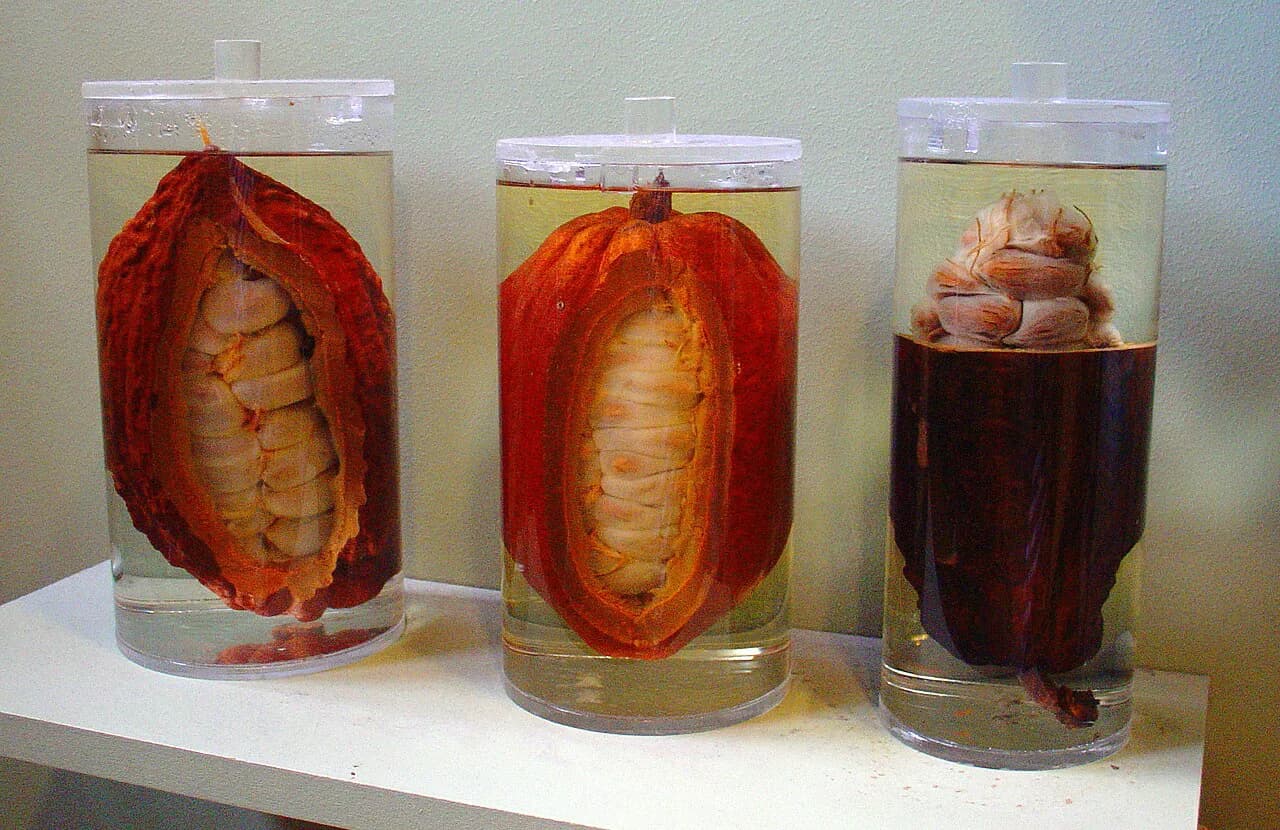
Choco-Story Bruges: what to see inside the chocolate museum

Choco-Story Bruges is worth about two hours if you read the displays, and less if you only want the demonstration and the tastings. The museum occupies a historic building at Wijnzakstraat 2 on Sint-Jansplein, a short walk from the Markt and the Belfry, and spreads its story over three floors reached by stairs or a lift. This guide sets out the route through the building, the chocolatier demonstration, the tasting stops and the ticket options, so you can judge whether it earns a slot in a short break.
Where Choco-Story is in Bruges
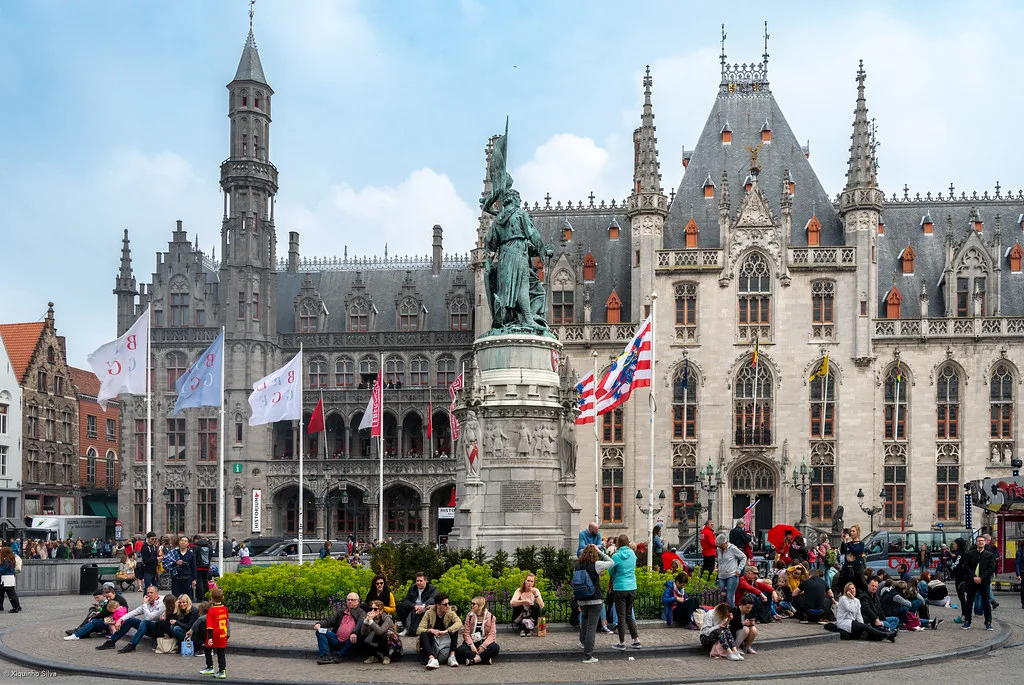
The museum sits just off the Markt in the historic centre, on Wijnzakstraat at Sint-Jansplein. From the Belfry and Markt it is a short walk, which makes it easy to pair with the surrounding squares rather than treating it as a separate excursion.
Because the address is in the heart of Bruges (Brugge), you can walk in from the Markt, the Burg or the Rozenhoedkaai without any transport at all. If you are building a day around the centre, start with the outdoor sights while the light is good and save the museum for a damp or crowded afternoon.
What the three floors cover
The exhibition follows chocolate from its origins in Central America through to its popularity across Europe, with displays labelled in English and Dutch. You climb through the floors, which are reached by stairs or a lift, so the order of the visit is clear before you start. Expect a mix of text panels, historic objects and video rather than a single chronological corridor.
The collection is strongest on the equipment of drinking chocolate and on the moulds used to shape bars and figures, with plastic and iron examples in flowers and shop names. Displays also cover packaging and advertising over the decades. If you are interested in how Belgian chocolate became a national product, this is the section to slow down for.
Chocolate pots, moulds and Royal Family tins
A large part of the collection is devoted to the pots and accessories used to melt chocolate into a drink, arranged as a decorated domestic display. Alongside them are Belgian moulds in different shapes and sizes, from floral designs to moulds stamped with the name of a chocolate shop.
The museum also holds commemorative tins produced each year for the Belgian Royal Family, shown with packaging and advertisements from earlier decades. These are the exhibits that connect a royal tradition to the souvenir boxes sold in Bruges shops today.
Chocolate sculptures and the praline demonstration
On the way to the demonstration room you pass chocolate sculptures, displayed in a space that carries the aroma of cocoa. The centrepiece of a visit is the live demonstration, where a chocolatier explains in English how pralines are made: filling the moulds, tempering the chocolate and cooling it before the finished pralines are released.
At the end of the demonstration a tray of praline bonbons is passed around for tasting, and the same pralines are sold in small boxes in the gift shop. The demonstration sits at the end of the route, so work through the floors at a steady pace rather than treating it as a separate show.
Tasting along the way
Seven dispensers are set out along the route, offering help-yourself chocolate buttons in milk, dark and white. For many visitors this steady supply of samples is what softens the ticket price, alongside the demonstration and a short film on harvesting and manufacture.
Treat the dispensers as part of the visit rather than a reason for it, and pace yourself so the praline sample at the end still appeals. If you are visiting with someone who is indifferent to chocolate, the history and packaging exhibits carry the visit on their own.
The gift shop
A small shop near the exit sells souvenirs across a range of budgets, including the praline cream chocolates tasted in the demonstration room in a small box and smaller chocolate gifts. Books, T-shirts, moulds and other chocolate-themed items round out the stock.
Because the shop stocks the demonstration pralines, it is a sensible place to buy a gift you have actually tasted before committing to a larger box elsewhere in town. Compare it with the specialist chocolatiers around the Markt if you want a wider choice.
How long to allow
Allow at least two hours if you read the displays, watch the film and stay for the demonstration; a brisk pass through the three floors takes considerably less. That makes it a half-afternoon rather than a whole-day anchor.
For a one or two-day break, slot the museum into the part of the day when you want to be indoors and keep the rest for walking the canals and squares. The museum pairs naturally with the Markt and Burg nearby, both a few minutes on foot.
Tickets and combination tickets
Choco-Story publishes its own online ticket page for individual visitors and groups of fewer than 15 people, and states there that it is open seven days a week. Buy there rather than relying on older third-party prices, which may no longer match the door.
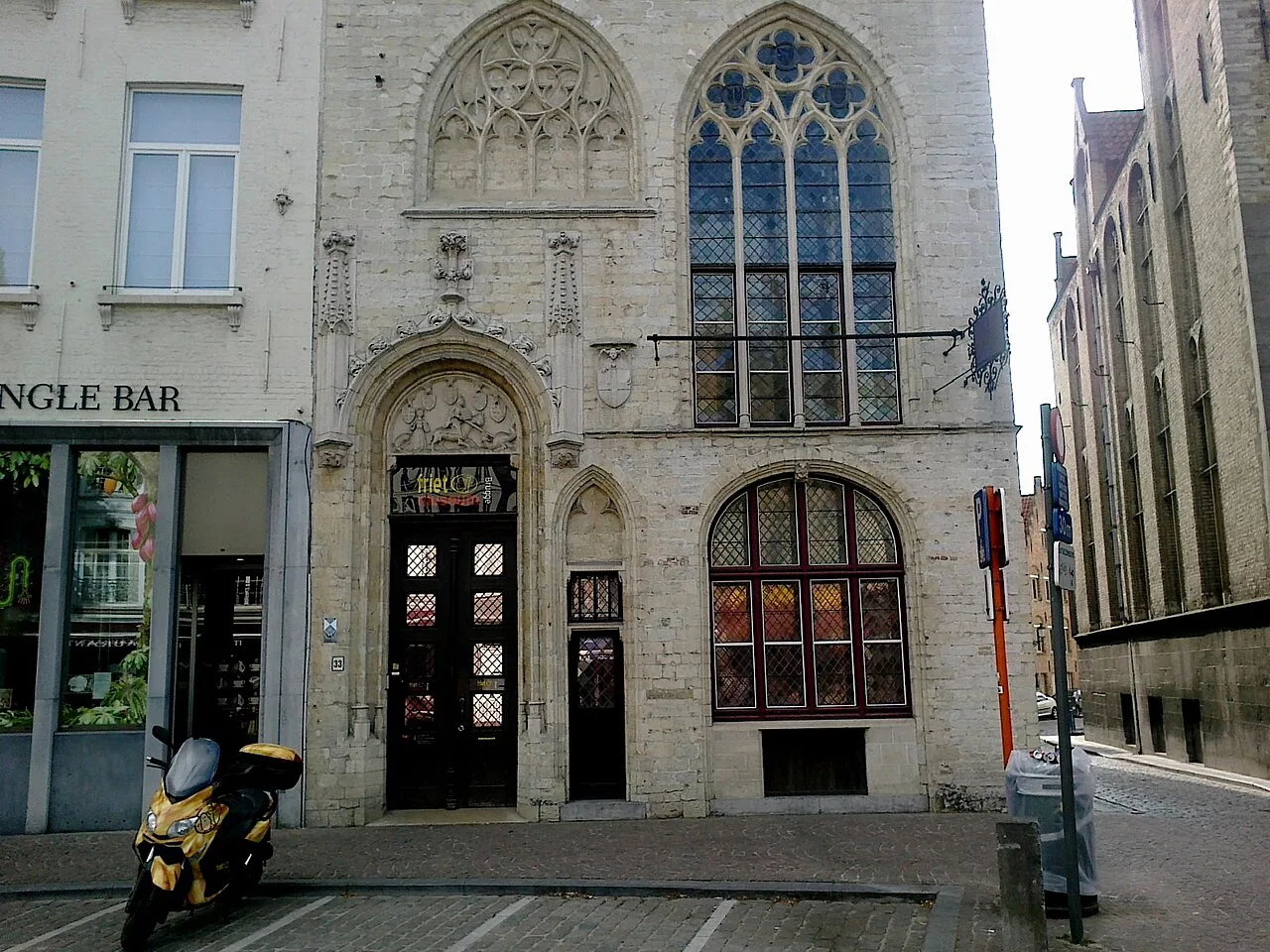
Combination tickets pair the chocolate museum with the Friet Museum, Lumina Domestica or the Diamond Museum, which suits anyone planning a multi-museum day in the centre. Weigh any saving against the time each museum takes, because three museums in one day leaves little room for the streets.

Is Choco-Story worth it for a short Bruges break?
The museum is the strongest indoor choice in Bruges for anyone who wants the story behind Belgian chocolate rather than another shop counter. Its weakness is cost against scale: the displays are modest and some visitors find the ticket high for what is on show.
Choose it if you want the demonstration, the tastings and a dry hour or two in the centre; skip it if your priority is art, in which case the Groeningemuseum and its Jan van Eyck panels are the better use of an afternoon. The Basilica of the Holy Blood (Heilig-Bloedbasiliek), Bruges, a few minutes away on the Burg, is a free stop that fits neatly before or after.
Chocolate museum or a chocolatier crawl?
Book Choco-Story if you want a structured hour or two on how chocolate is made, with a chocolatier at work and samples included, and treat it as one piece of a centre-based day around the Markt. If you would rather spend the money on boxes to take home, the chocolate shops of Bruges do that job without an entry fee.
Either way, keep the visit flexible: the museum is open seven days a week according to its own site, and demonstration times are worth confirming on arrival so you do not miss the praline tasting.
Explore more Bruges guides
Frequently Asked Questions
Is the chocolate museum in Bruges worth visiting?
It depends on what you want from an hour indoors. Choco-Story gives you the history of cacao, a collection of chocolate pots and moulds, a chocolatier making pralines and several tasting stops, all a short walk from the Markt. Visitors who prefer art or who dislike paying for modest displays may get more from the Groeningemuseum or from spending the same money in the city's chocolate shops.
How long does a visit to Choco-Story Bruges take?
Allow about two hours if you read the displays and watch the demonstration. A quicker pass through the three floors is possible, but you may then miss the praline demonstration at the end of the route.
Can you buy combination tickets for Choco-Story and other Bruges museums?
Combination tickets link the chocolate museum with the Friet Museum, Lumina Domestica or the Diamond Museum. Check the current combination offer on the museum's own ticket page before you go, since the pairing and the entry terms are set by the operator.