A Weekend in Leuven: Two-Day Plan for a Belgian City Break
Plan a weekend in Leuven with a two-day route through the Grote Markt, Groot Begijnhof, Keizersberg and Park Abbey, plus honest Sunday and Monday choices.
On this page
Two days is enough for a weekend in Leuven, and the split is simple: one day on the compact old-town loop between the Grote Markt and the beguinages, one day for Keizersberg and the abbey landscape at Park Abbey. The city is small enough that you walk between the main sights rather than planning transport, which leaves room to slow down at the beer cafés and terraces in between. This plan runs through what fits before and after lunch on each day.
Leuven rewards a route rather than a tick-list. The historic centre stacks the Town Hall, Sint-Pieterskerk and the squares within a few minutes of each other, while the two beguinages sit just beyond the ring, so you can pair them in a single walk instead of treating them as separate outings. Park Abbey, a short ride or a longer walk out towards Heverlee, works best as a half-morning escape with ponds and paths rather than a monument to tick off.
How many days a weekend in Leuven needs
Two full days covers Leuven comfortably. Day one keeps you inside the old town for the squares, the churches and the beguinages; day two heads out to Keizersberg and Park Abbey, which sit at opposite edges of the city and deserve separate mornings or afternoons. Squeezing both into a single day means cutting the beguinage walk short or skipping the abbey ponds altogether.
The main trade-off is between breadth and depth. Leuven's centre is dense, so a hurried visitor can see the Grote Markt, the Town Hall and Sint-Pieterskerk in a couple of hours, but the city's appeal is in the quieter lanes and the green edges. If you only have one day, keep to the centre and the Groot Begijnhof; if you have two, give Park Abbey its own half-day.
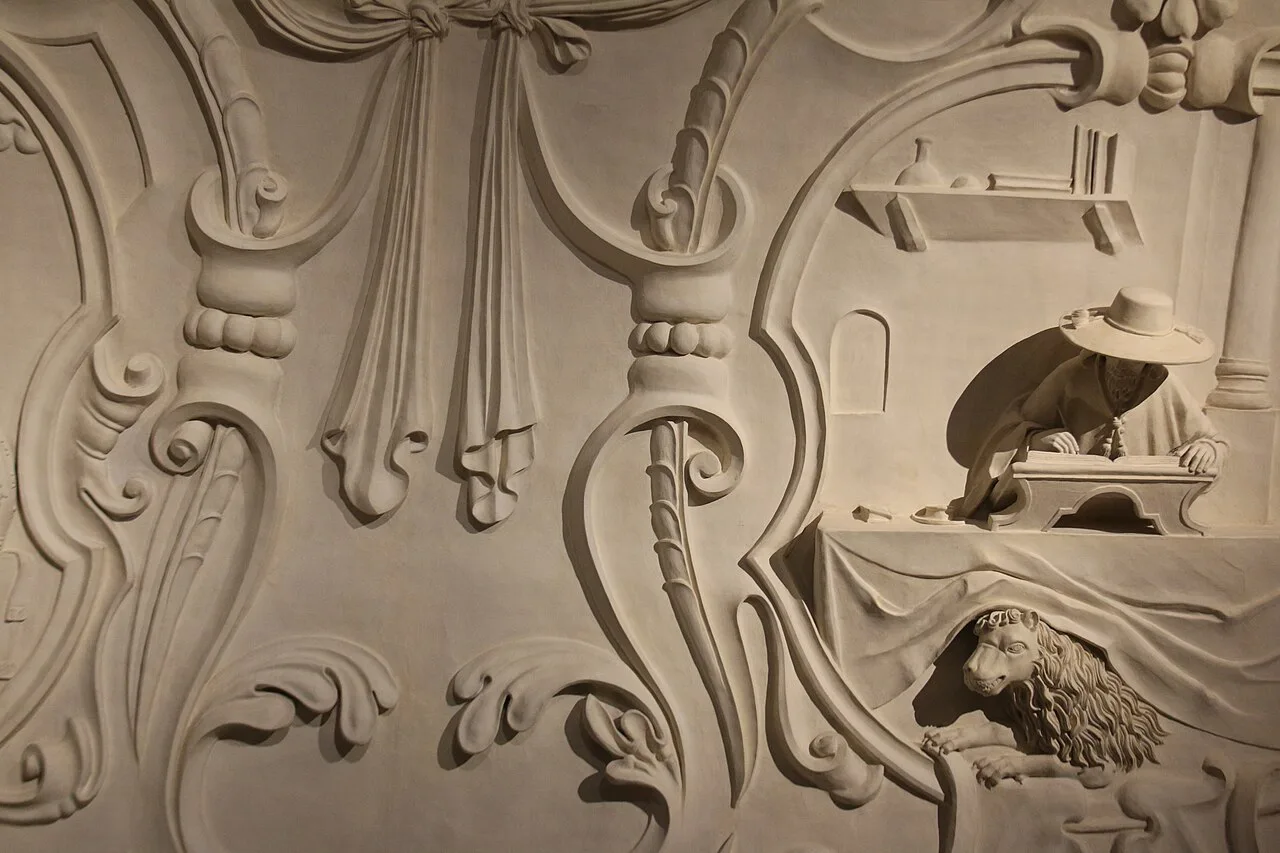
Day one morning: the Grote Markt and the Historic Town Hall
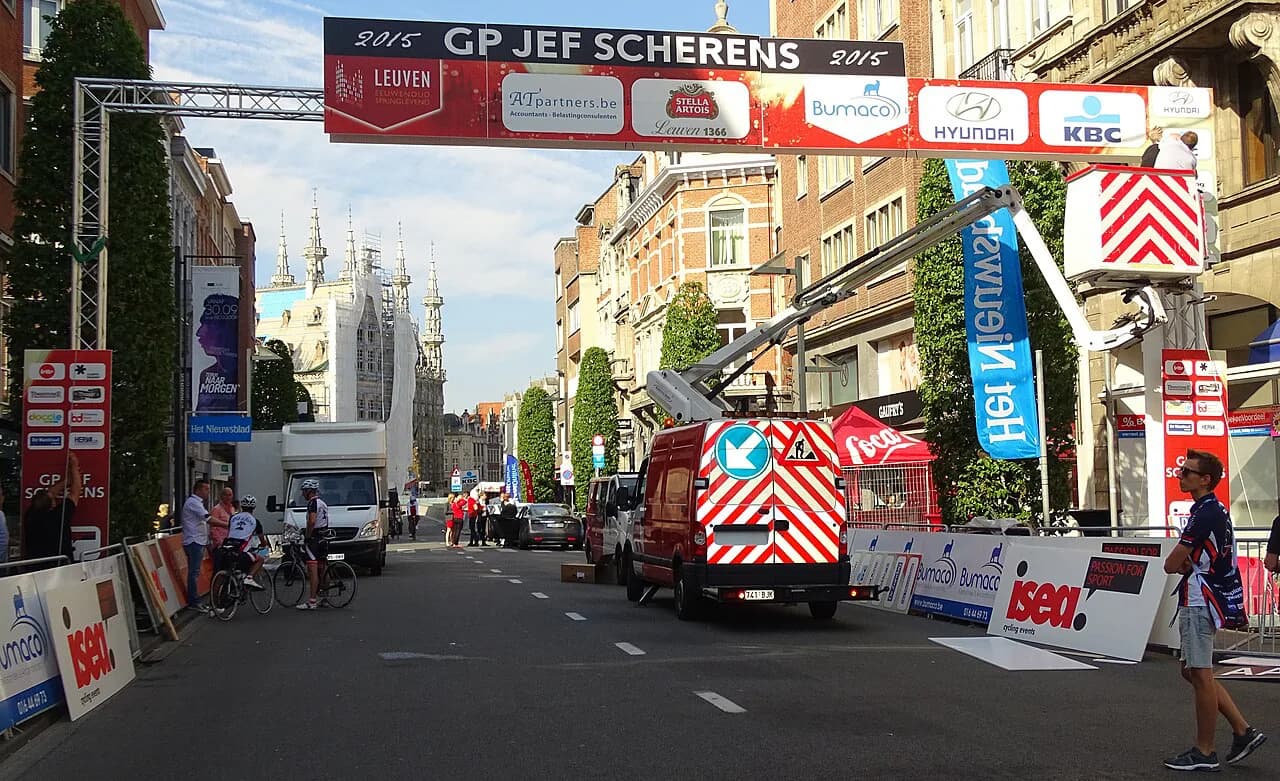
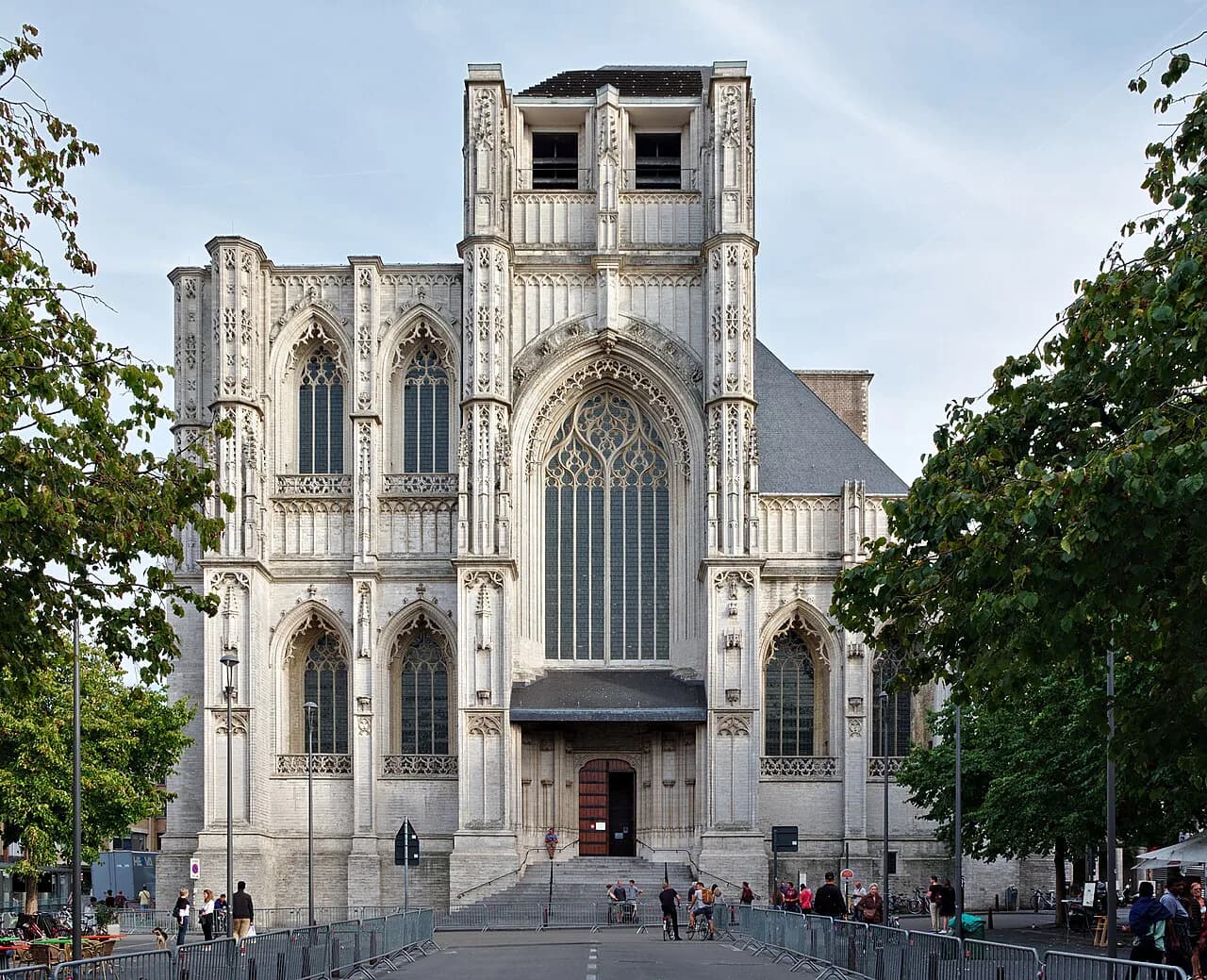
Start on the Grote Markt, the square dominated by the Historic Town Hall, a late-Gothic building whose facade carries rows of carved figures. Sint-Pieterskerk stands on the same square, so you can see both without moving far, and the surrounding streets fan out into the shopping heart of the city. Arriving early gives you the square before the café terraces fill.
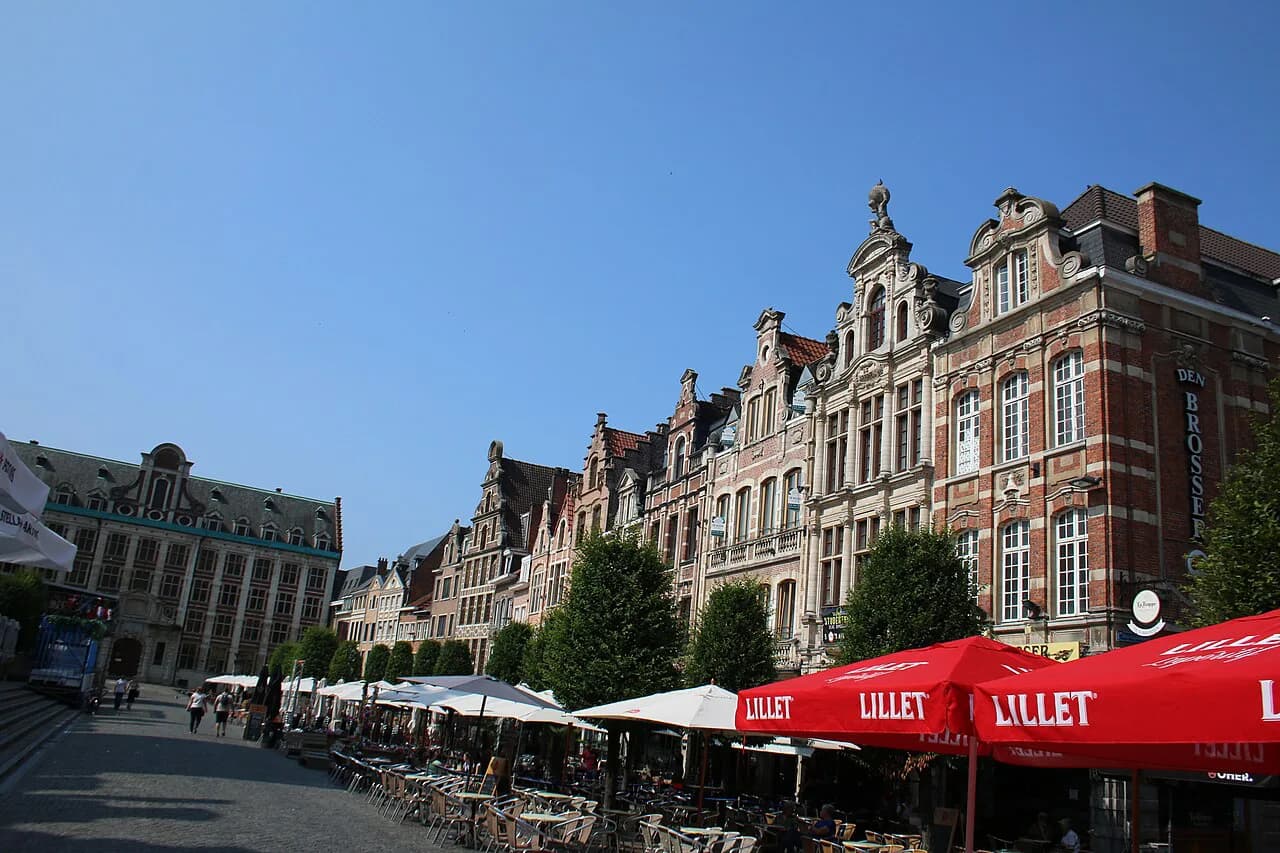
From the Grote Markt it is a short walk to the Oude Markt, the long square lined with cafés that functions as the city's living room. Treat it as a place to pause rather than a sight to tick off: order a coffee or a beer and watch the students and locals cycle past. Together the two squares make an easy, unhurried first morning, and they sit at the centre of the old town.
Day one afternoon: Groot Begijnhof and Klein Begijnhof
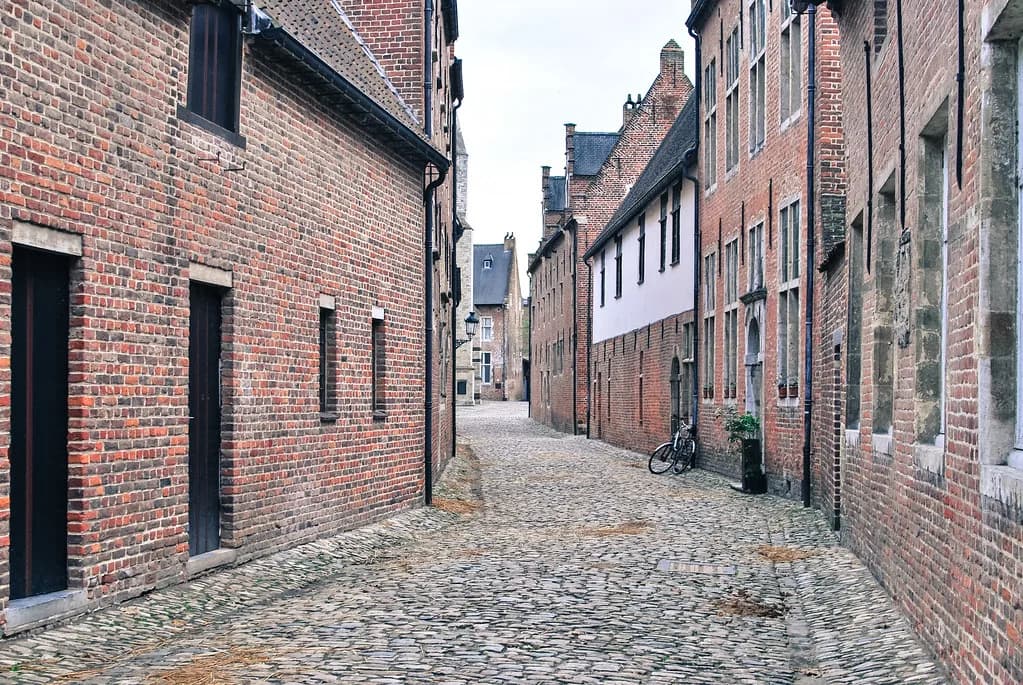
The Groot Begijnhof, a UNESCO-listed beguinage, is a walled grid of brick houses, courtyards and a church, now used by KU Leuven. Walking through it takes half an hour or so, and the atmosphere changes completely from the busy squares you left behind. It is the single sight most visitors remember from Leuven.
Pair it with the Klein Begijnhof, a much smaller lane of historic buildings that once housed women living independently of marriage and is now occupied mainly by students. It is easy to miss and far less sprawling than its larger neighbour, but it sits naturally on the walk uphill towards the abbey, as this Leuven guide sets out. Doing both in one loop saves you a second trip out to the ring.
Day one late afternoon: Keizersberg Abbey park
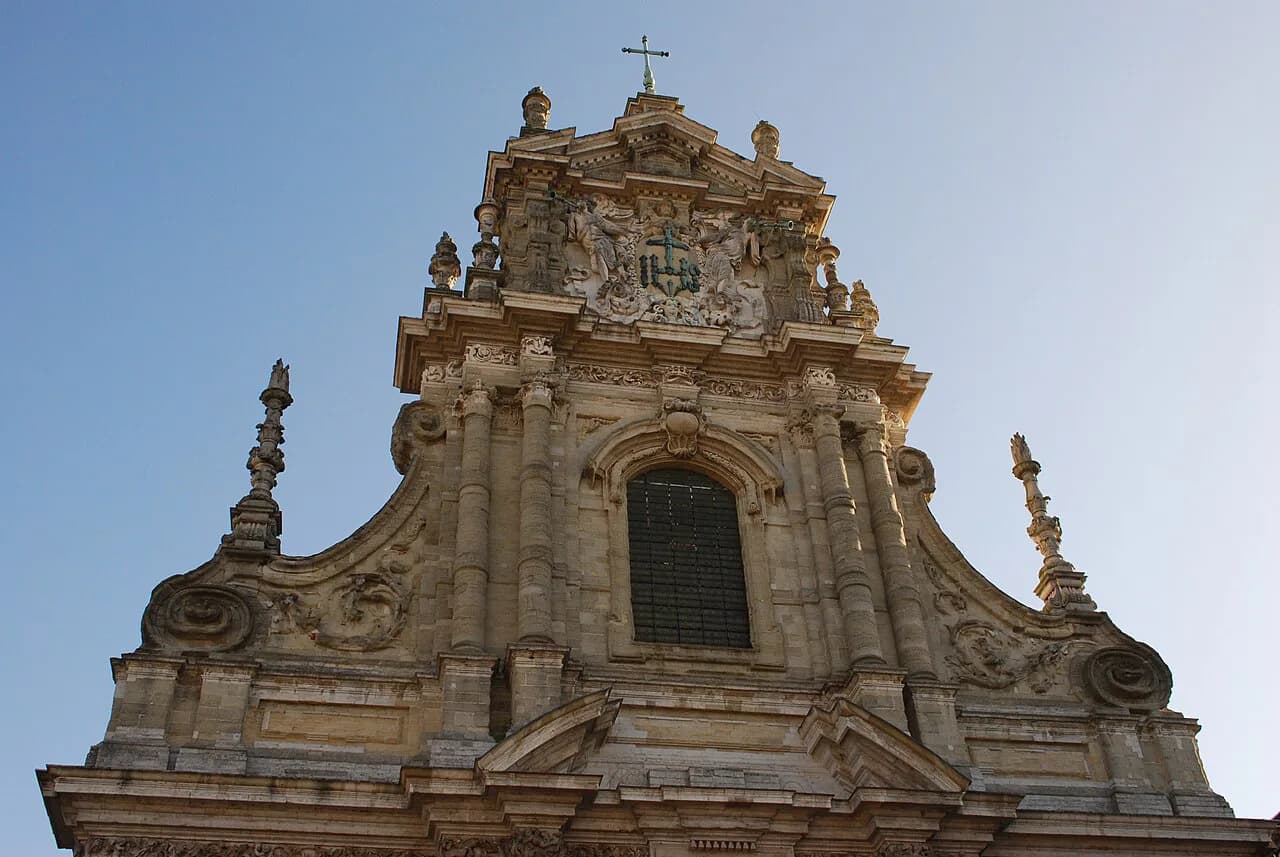
Keizersberg Abbey sits on a hill above the city, and its park gives a wide view over the rooftops that many visitors prefer to the more famous tower view. The abbey building itself can only be visited by appointment, so come for the grounds and the outlook rather than the interior. Old brick fortifications surround the monastery park, and parts of the best viewpoints have been fenced off, so accept a slightly restricted panorama.
Come up in the late afternoon when the light softens, then walk back down through the Klein Begijnhof lanes towards the centre. The climb is short but real, so wear shoes you can walk in rather than planning a taxi. If you want the walk narrated and ordered for you, a self-guided route through the old town pairs well with this loop.
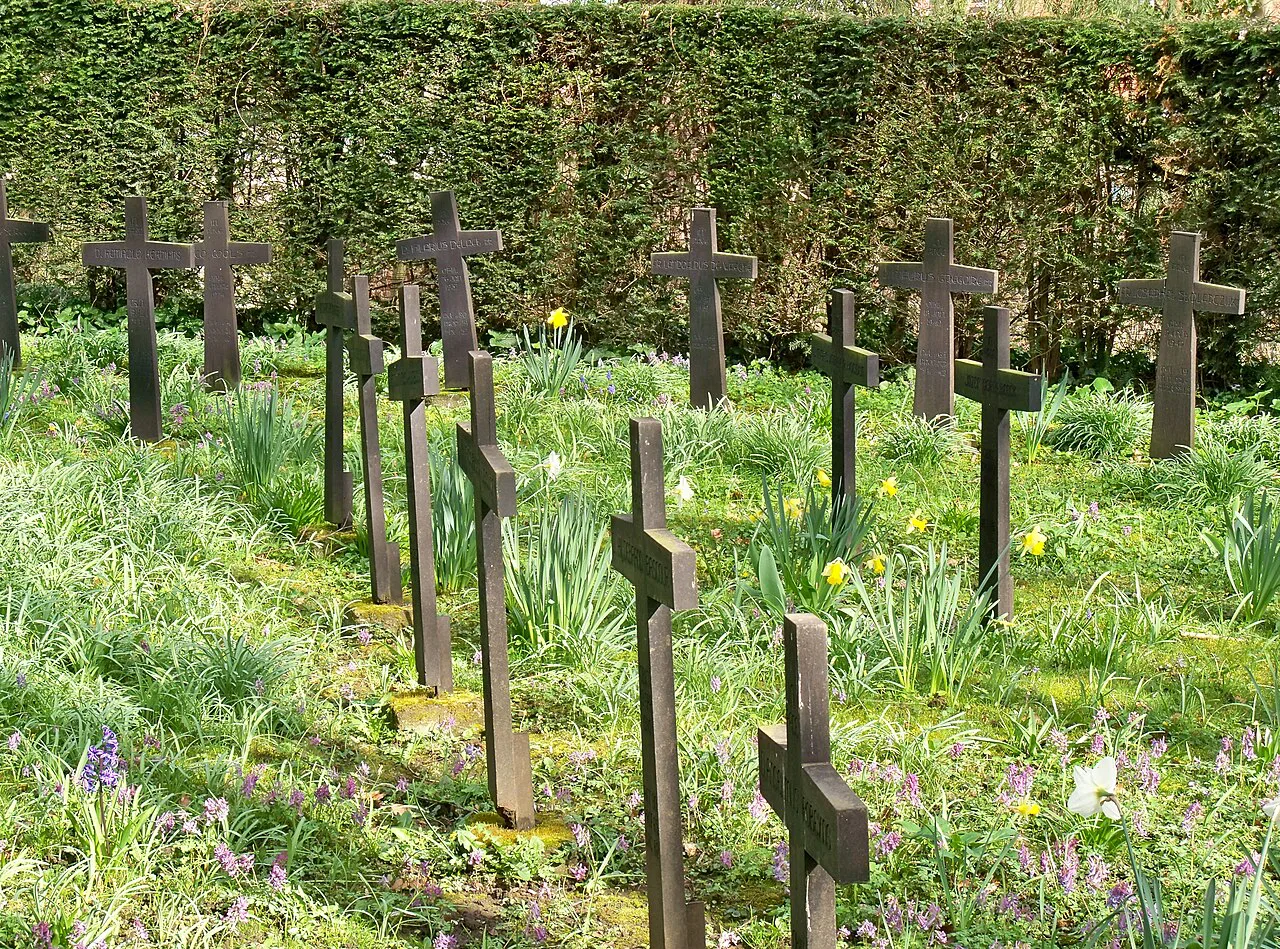
Day two morning: Park Abbey and its ponds
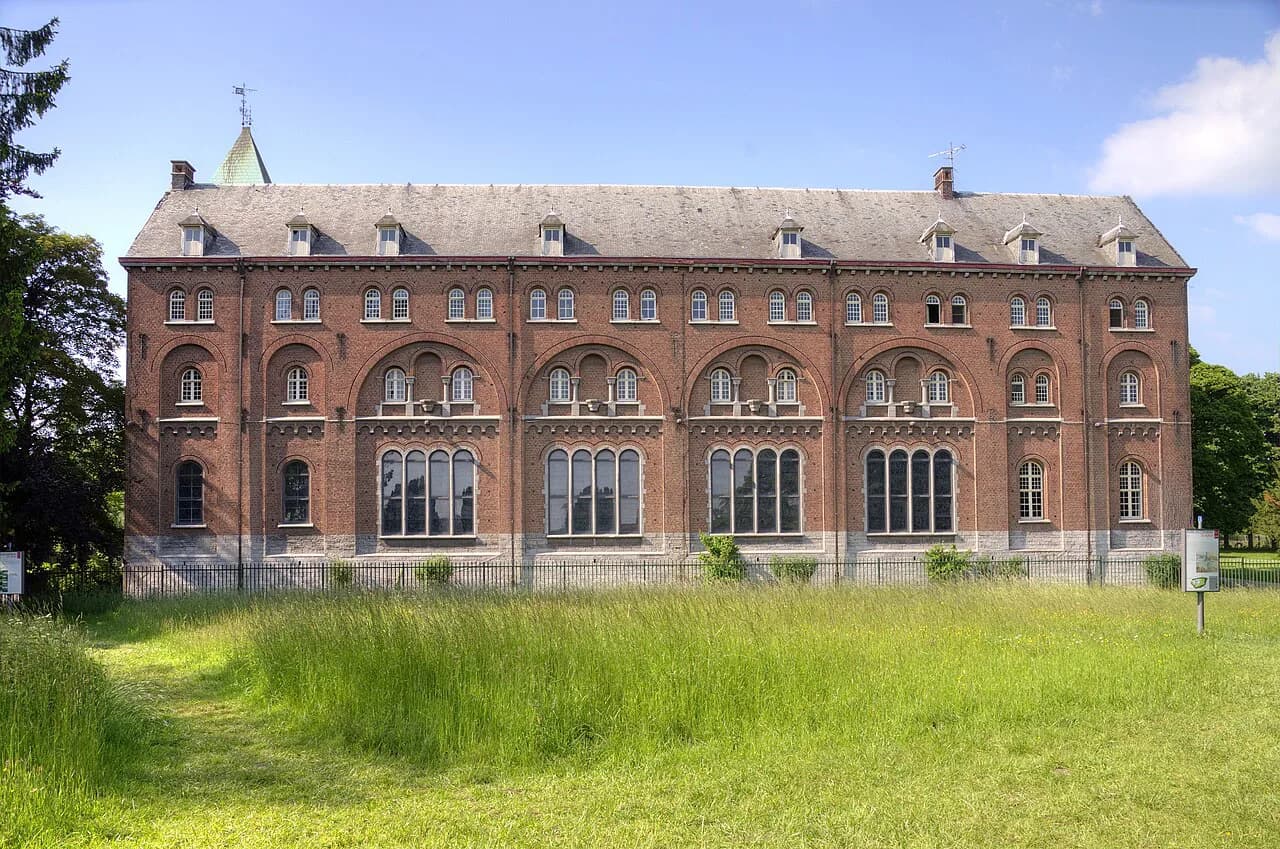
Park Abbey, Abdij van Park, lies out towards Heverlee, surrounded by a series of man-made ponds and wooded walking trails. It is a twelfth-century abbey with grounds you can roam, and the combination of water, trees and brickwork makes it the best half-morning escape from the city. Guided tours of the abbey can be reserved in advance, and the surrounding ponds and paths can be explored without one.
A small farm shop on the site has sold local organic produce, beer and ice cream made with local milk from Tuesday to Saturday, and a brasserie with a waterside terrace covers the rest. Plan around the ponds and paths first, and treat the shop and brasserie as extras rather than the reason for the trip. Cycling out is the quickest way to cover the distance from the centre.
Day two: beer at a brown café or a terrace on the square
Leuven is a beer city, and the brown café Metafoor is the pick for atmosphere: dark wood, a small room, a serious beer list and a mixed crowd of students and older regulars. Fiere Magriet carries an even larger beer list and is pricier, while Café De Libertad is smaller, cheaper and less traditional. Any of the three beats the interchangeable terraces on the squares if you want character with your glass.
If you would rather drink in the sunshine, the terraces on the Grote Markt and Oude Markt do the job and give you the view. Use them for a single drink and move on for the second round. For a city break beyond Leuven, the belfry towns of Flanders sit within easy reach by train.
What to do in Leuven on a Sunday
Sunday reshapes a Leuven weekend more than anything else, because it changes what you can rely on indoors. Build the day around outdoor sights: the Grote Markt, the beguinage walk, Keizersberg and the Park Abbey grounds make a natural spine. Keep churches and any museum you care about as flexible extras rather than fixed appointments.
Cafés and terraces on the Oude Markt generally carry the afternoon, and the abbey's waterside brasserie gives you a reason to be out at Heverlee. Plan on the walking and the outdoor sights, and treat any indoor stop as a bonus. A Sunday in Leuven is best treated as a walking day with a long lunch.
Monday: shape the weekend around what opens
Monday is the trickier day, because many Belgian museums and smaller sights keep Monday as their closing day. Rather than assume a particular Leuven museum is open, put the outdoor sights on Monday and keep the indoor visits for Saturday or Sunday. The abbey grounds, the beguinage lanes and the squares all work regardless.
If your weekend runs Saturday to Sunday, the Monday question disappears and you can put the indoor sights wherever they fit. If it runs Sunday to Monday, front-load anything ticketed on Sunday and treat Monday as your walking day. Check the specific venue before you travel to settle the detail.
A compact one-day version
With a single day, keep to the centre: Grote Markt and the Historic Town Hall, Sint-Pieterskerk, a walk to the Groot Begijnhof, then back through the Oude Markt for a beer. Add Keizersberg only if you have the energy for the climb, and drop Park Abbey entirely — it is the one sight that rewards a full half-day rather than a flying visit.
This version still gives you the essence of the city in a few hours on foot, and it leaves the abbey and the Klein Begijnhof for a return trip. If you are weighing whether Leuven deserves a stop at all, the honest answer is that it rewards a slower visit than a rushed one.
Where Leuven sits in a longer Belgian trip
Leuven sits a short train ride from Brussels, which makes it an easy stop on a longer Belgian loop rather than a destination that demands a week. Brussels works well as a transport hub for arrival and onward travel, and the compact centre means you can walk everywhere once you are in Leuven without touching city transport.
For a longer trip, Leuven works as a contrast to Bruges or Ghent: smaller, younger and dominated by its university, with fewer crowds on the squares. If you are building a multi-city plan, the full set of Leuven attractions fits into a weekend without padding.
Which day should anchor your Leuven weekend?
Anchor the weekend on Saturday if you can, so Sunday and Monday become the flexible edges rather than the whole trip. Use day one for the Grote Markt, the beguinages and Keizersberg, and day two for Park Abbey and a long beer at Metafoor. That order keeps the indoor sights in the middle of the weekend and the outdoor ones at the ends.
If your dates are fixed, work backwards: put the outdoor route on Monday and the indoor sights on Sunday, and accept that one of the two will be the quieter day. The city is small enough that the plan can bend without breaking.
Explore more Leuven guides
Frequently Asked Questions
Is Leuven French speaking?
No. Leuven is in Flanders and is a Dutch-speaking city, so signs, menus and university life are in Dutch, with English widely spoken in cafés, museums and shops. French is understood by many people but is not the everyday language. Place names appear in Dutch, so you will see Leuven rather than Louvain.
Is Leuven worth visiting for a weekend?
Yes, if you want a compact university city with a strong Gothic centre, two beguinages and an abbey landscape on its edge. It suits travellers who prefer walking and beer cafés to big-ticket museums, and two days lets you see the centre and Park Abbey without rushing. If you want blockbuster sights, Ghent or Bruges fit more into the same time.
What is there to do in Leuven on a Sunday?
Build the day around the outdoor sights: the Grote Markt, the walk to the Groot Begijnhof, Keizersberg and the Park Abbey grounds. Cafés and terraces on the Oude Markt fill the afternoon, and the abbey's waterside brasserie gives you a reason to be out at Heverlee. Keep churches and museums as flexible extras and check any specific indoor opening before you travel.
Is one day enough for Leuven?
One day covers the centre: the Grote Markt, the Historic Town Hall, Sint-Pieterskerk, the Groot Begijnhof and a beer on the Oude Markt. Drop Park Abbey, which needs a half-day to be worth the trip. Two days lets you add Keizersberg and the abbey without cutting the beguinage walk short.
Sources
Useful notes for your next trip
Optional updates to our guides.
You might also like
Continue reading
More guides you'll find useful