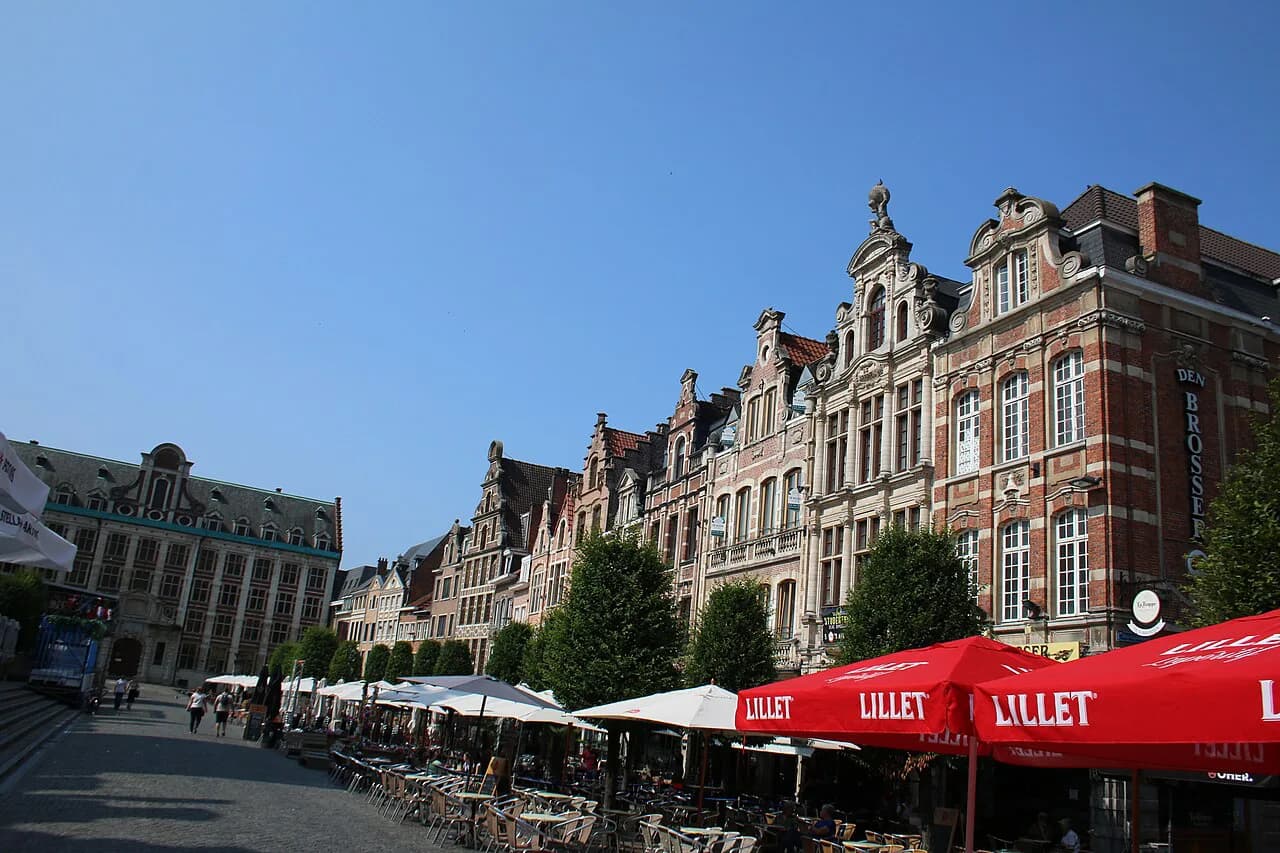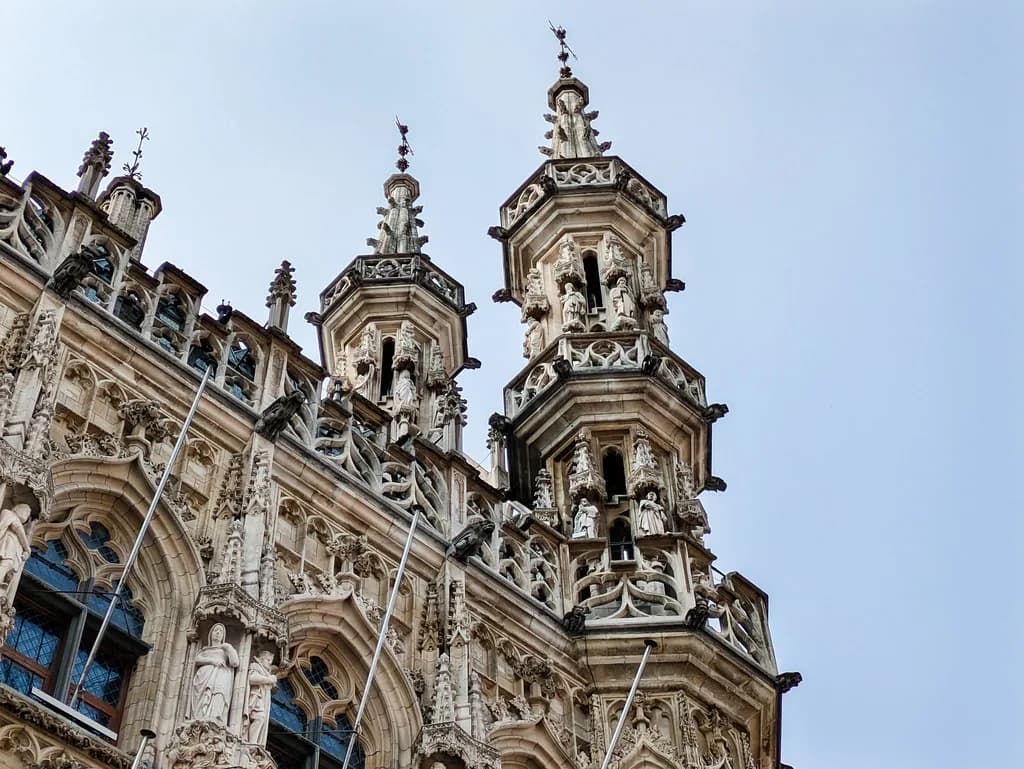
Is Leuven Expensive? What a Short Break in Leuven Costs
Leuven is mid-range for a Flemish city break. Here are typical euro prices for meals, beer and transport, and simple ways to keep the budget down.
On this page
Leuven is moderately expensive for a short break: the compact centre means you can walk almost everything, so transport barely features, while food, beer and a bed do the real damage. It sits close to other Flemish university cities rather than at peak-weekend levels.
This guide puts the figures a visitor actually spends against the monthly cost-of-living numbers that dominate search results for Leuven, so you can budget a two or three day trip rather than a semester.
Is Leuven expensive? The short answer
For a visitor, Leuven lands in the mid-range: one good dinner for two, a few beers and a couple of museum tickets form the bulk of spending, and walking removes most day-to-day costs.
Do not confuse visitor costs with student living costs. KU Leuven estimates a student needs roughly €1,050 to €1,400 a month to cover rent, food, transport, study materials and leisure, and notes that Belgium's indexation mechanism pushes these figures upward over time. That is a monthly budget for living here, not a figure to plan a weekend around.
The practical test is where you put your money: one proper restaurant meal a day, drinks in the centre and two or three paid sights feels reasonable, while taxis and a paid attraction every few hours climb quickly.

What a day in Leuven costs: a sample budget
A realistic day combines a coffee and pastry, a light lunch, one paid sight, a beer or two and an evening meal, with the centre covered on foot. The walk between the Grote Markt, the Oude Markt and the university quarter takes minutes, so a day's transport spend can legitimately be zero.
Price the food and drink against published comparisons: a 0.5-litre draught local beer in Leuven runs to about €4.62, a cappuccino about €3.90 and a three-course dinner for two in a mid-range restaurant about €69, with a budget restaurant meal for one around €20. Treat these as a planning band rather than a quote.
Eating your main meal at lunch and buying picnic supplies from a supermarket or market stall frees up cash for a museum or brewery later, which suits a city where the pleasure is wandering the old town rather than a long seated lunch.
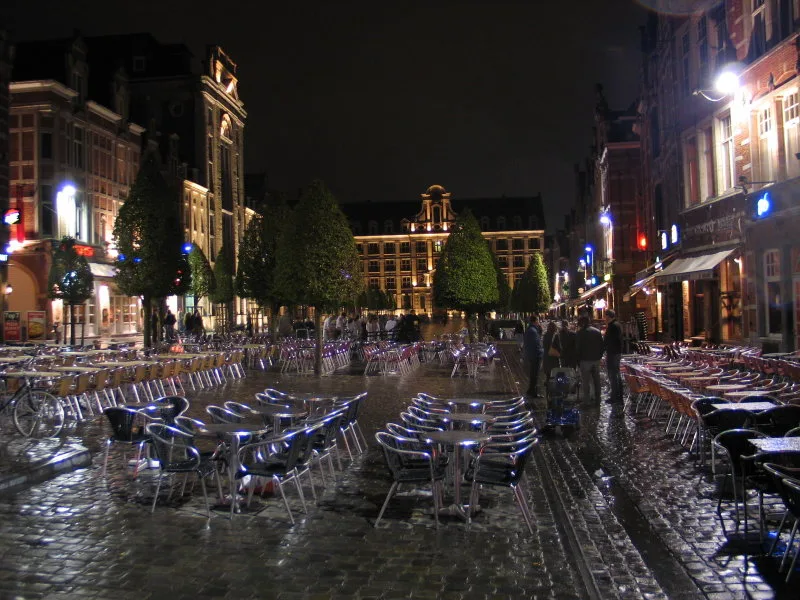
Coffee, beer and meals out in euros
Drinking is where the university city shows in day-to-day prices. In the city comparison a 0.5-litre draught local beer comes to roughly €4.62, while an imported 0.33-litre bottle is about €3.97, so order by the glass and check the measure rather than assuming the local pour is automatically cheaper. For the practical details, see the Leuven breweries.
Groceries sit in the same band: milk around €1.24 a litre, white bread about €2.45 for 500g and a kilo of local cheese about €10.16. A supermarket breakfast and a market-bought lunch cut a surprising amount from a three-day total.
Chocolate is the affordable Leuven souvenir: a few pieces cost less than a restaurant starter and travel better, so set a fixed amount aside at the start of the day rather than adding it afterwards.
Getting around: on foot, by bike, by bus
Walking is the default and the cheapest option. The station area, the Grote Markt and the Oude Markt are close enough to cover several times a day, and a self-guided route takes in the main sights without a fee.
If you want wheels, hire near the station: the city comparison uses a single bus ticket as a useful yardstick for what cycling saves across a few days.
Decide early: staying inside the ring means budgeting nothing for transport and spending the difference on a better dinner, while reaching the university library tower or the ring-edge parks is cheaper by bike across several days.
What museum and sight admissions add
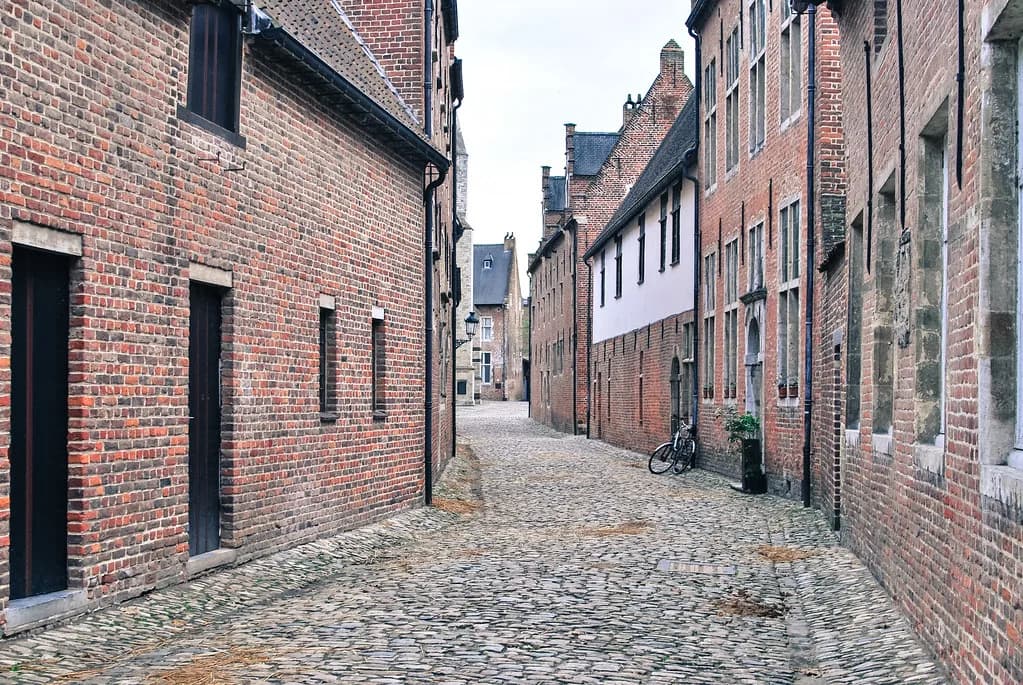
Admissions are the most variable line, because Leuven mixes free public spaces with ticketed interiors: squares, beguinage streets and riverside walks cost nothing, while museums, towers and guided interiors carry their own entry charges.
Pick two paid sights that genuinely interest you and treat the rest as free scenery; one modest ticket or guided interior a day keeps admissions from dominating the total.
Accommodation: the biggest line in the budget
Beds take the largest share of any Leuven short break, and the university rhythm matters more here than anywhere else. Term time, when students, visiting academics and parents descend together, tightens supply in a small centre, so quieter weeks give you more choice.
Book early rather than shopping late: a small city with a large university has fewer rooms than its visitor numbers imply, so the saving comes from choosing your dates, not from hunting.
The Leuven student factor: why prices skew mid-range
KU Leuven sets the pace of daily life, which keeps cafés, bakeries and lunch places pitched at student budgets during the week, good news for a visitor who wants a decent coffee or a simple meal without capital-city prices.
The catch is the top end. Housing in Leuven is among the dearer in Flanders for a one-bedroom flat in the centre, and that filters through to what a good hotel or smart restaurant charges; the middle of the market is where the value sits.
Term-time weeks give you the fullest city, with the most going on and the busiest squares, while vacation weeks are calmer and easier on the accommodation search, at the cost of a quieter atmosphere.
Staying in Belgium longer: how Leuven compares with Mechelen
Mechelen is the nearest useful comparison for a Flemish city of similar size, and the published figures show Leuven costing a little more overall: about 6% more for a single person including rent. The gap is not uniform, which is what makes the comparison useful.
Housing is where Leuven pulls ahead, with a three-bedroom flat costing more a month than in Mechelen. Eating out cuts the other way, with a three-course dinner for two costing less in Leuven than in Mechelen, so a visitor who eats out but does not rent gains from the swap.
For a short break, weight the comparison toward what you actually buy: meals, drinks and admissions, not rent. On that basis the two cities are close enough that the decision should turn on which you want to see.
Ways to spend less without missing the city
Walk everything inside the ring, drink the local draught rather than imported bottles, take your main meal at midday and buy lunch from a market or bakery. Those four habits usually save more across a weekend than any single discount, and none of them removes anything from the trip.
Be selective with paid interiors: choose the two or three that interest you most and let the squares, the beguinage and the riverside do the rest, spending the saved money on a better evening meal.
Time your visit. A weekend in term is the priciest and busiest version of Leuven, with events filling the calendar; a midweek break in a quieter week is cheaper for the bed and easier for the sights.
Is Leuven worth the cost for a short break?
Leuven is moderately expensive rather than cheap, but the money goes where you choose: a walkable centre, mid-range food and beer, and admissions you can limit to two or three. A visitor who plans deliberately keeps the total within the band of a comparable Flemish city break.
If budget decides it, compare Leuven with Mechelen on meals rather than rent, go midweek outside the busiest term weeks, and spend on the table rather than on transport. Then judge whether the city earns the trip.
Explore more Leuven guides
Frequently Asked Questions
How much should I budget per day in Leuven?
Work from a planning band rather than a single total: a budget restaurant meal, a half-litre draught beer, a cappuccino and a three-course dinner for two all sit at mid-range city levels. Add the admission for whichever two or three sights you choose, and the bed, which is the largest item.
Do I need public transport in Leuven?
Most visitors do not. The centre is compact and walkable, so a single ticket is only worth buying if you are heading out to the ring. A rented bike is the better buy if you want to reach the parks across several days.
Sources
Useful notes for your next trip
Optional updates to our guides.
You might also like

Continue reading
More guides you'll find useful