Is Leuven Worth Visiting? An Honest Answer for a City Break
Yes, Leuven is worth visiting for its student energy, Grote Markt, begijnhof and beer. Here is who will Love it and who should pick Ghent instead.
On this page
Yes, Leuven is worth visiting, and one full day is enough to justify the trip. It is a university city with a handsome Grote Markt, a begijnhof of cobbled lanes and beer made on its doorstep, all within easy walking distance of each other. This page covers what the city does well, who it suits, how long it needs and how it compares with Ghent (Gent) if you have only one city break.
The honest trade-off is that Leuven is a working, student-filled Flemish town rather than a postcard. One in three residents is a student, according to While I'm Young, which gives the centre a relaxed daytime feel and a livelier evening one. If your image of Belgium is quiet canals and uninterrupted medieval streets, Bruges (Brugge) delivers that better.
What Leuven does better than Bruges or Ghent
Leuven feels lived in. The university, KU Leuven, sprawls across the centre, so lecture halls and student housing sit among the historic buildings rather than in a separate campus. That mix keeps the streets busy with everyday life, and it means the city is less crowded than its more famous neighbours.
It is also compact. The station sits close to the centre, and a short walk brings you to the main square, with the begijnhof and the Oude Markt beyond it. You can cover the core on foot without planning transport, which makes a day here unusually low-friction.
Grote Markt and the Town Hall: the square that anchors the city
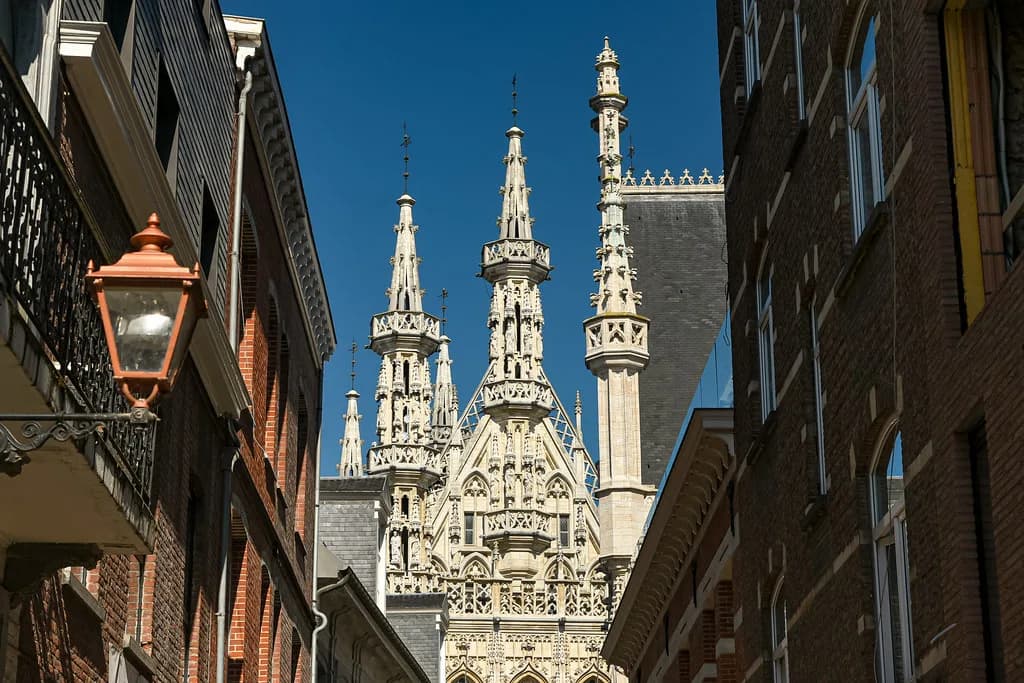
Start at the Grote Markt, where the Town Hall dominates the square. Much of Leuven's original architecture was destroyed in the Second World War; the city rebuilt most buildings in the traditional style, so the square reads as historic even where the fabric is modern. That rebuilding is part of what makes Leuven look the way it does.
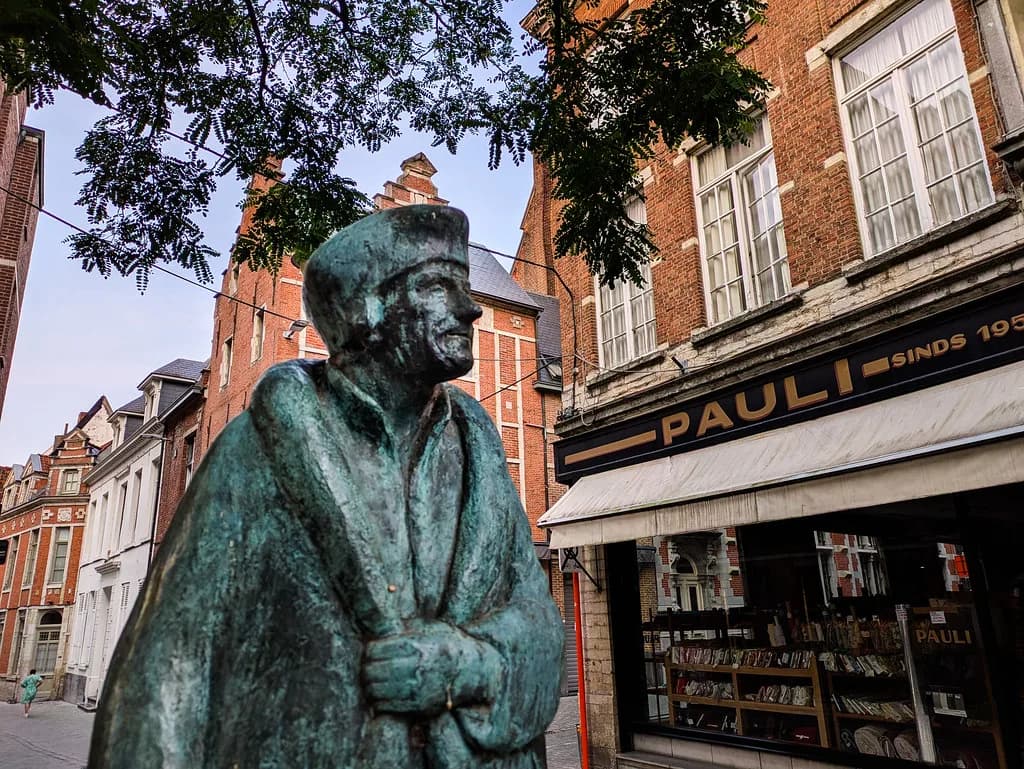
Near the square you will find Fons Sapientiae, the small statue of a scholar pouring beer into his brain, which neatly sums up the city's student character. It is a two-minute pause rather than a sight in its own right, but it sets the tone for the rest of the walk.

The Groot Begijnhof: a village of cobbled streets inside the city
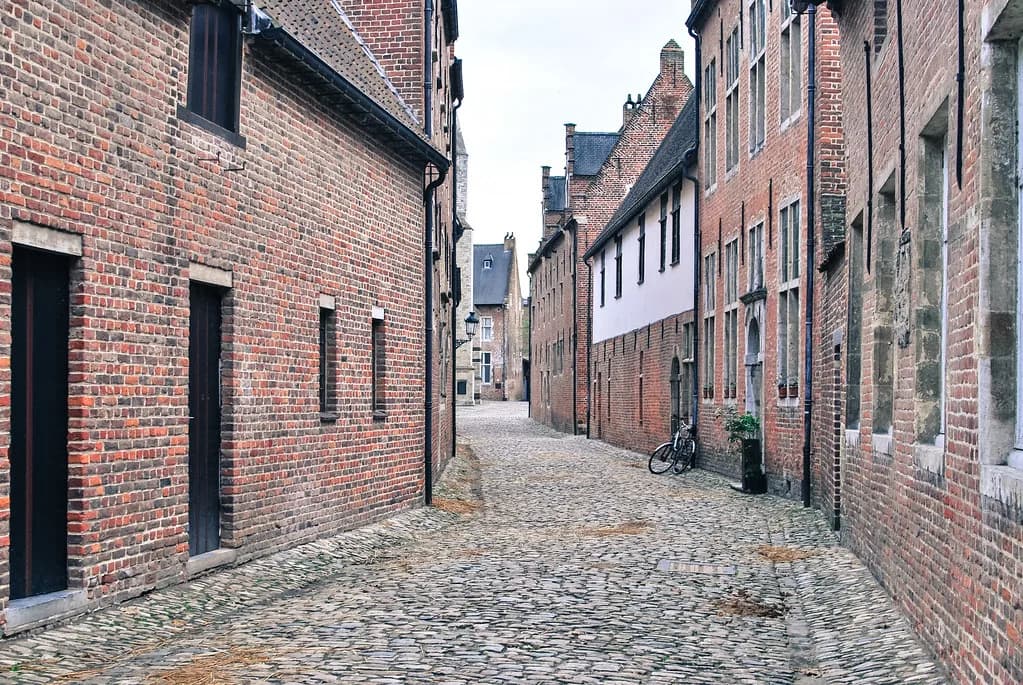
The Groot Begijnhof is the sight most likely to stay with you. It began in the thirteenth century as a place where unmarried and widowed women could live protected while keeping their property, and its village-like lanes of houses are now used by the university. Walking its cobbled streets is the one thing here that feels genuinely like stepping out of the city.
Pair it with a broader wander through the old town, where the begijnhof sits within easy reach of the centre. A self-guided loop through the Leuven Old Town takes in the square, the begijnhof and the university buildings without any backtracking.
Beer in the place it is made: Stella Artois, Domus Brauhaus and the Oude Markt
Stella Artois is the beer brand most associated with Leuven, but the local scene goes further. Domus Brauhaus is a small brewery with a pipe running beer straight to the taps of its adjoining bar, and the family-run farm brewery Hof Den Dormaal on the city's edge produces craft beers that travel well beyond Belgium.
For a wider choice, use the Leuven breweries page to plan a tasting route rather than wandering between taps at random.
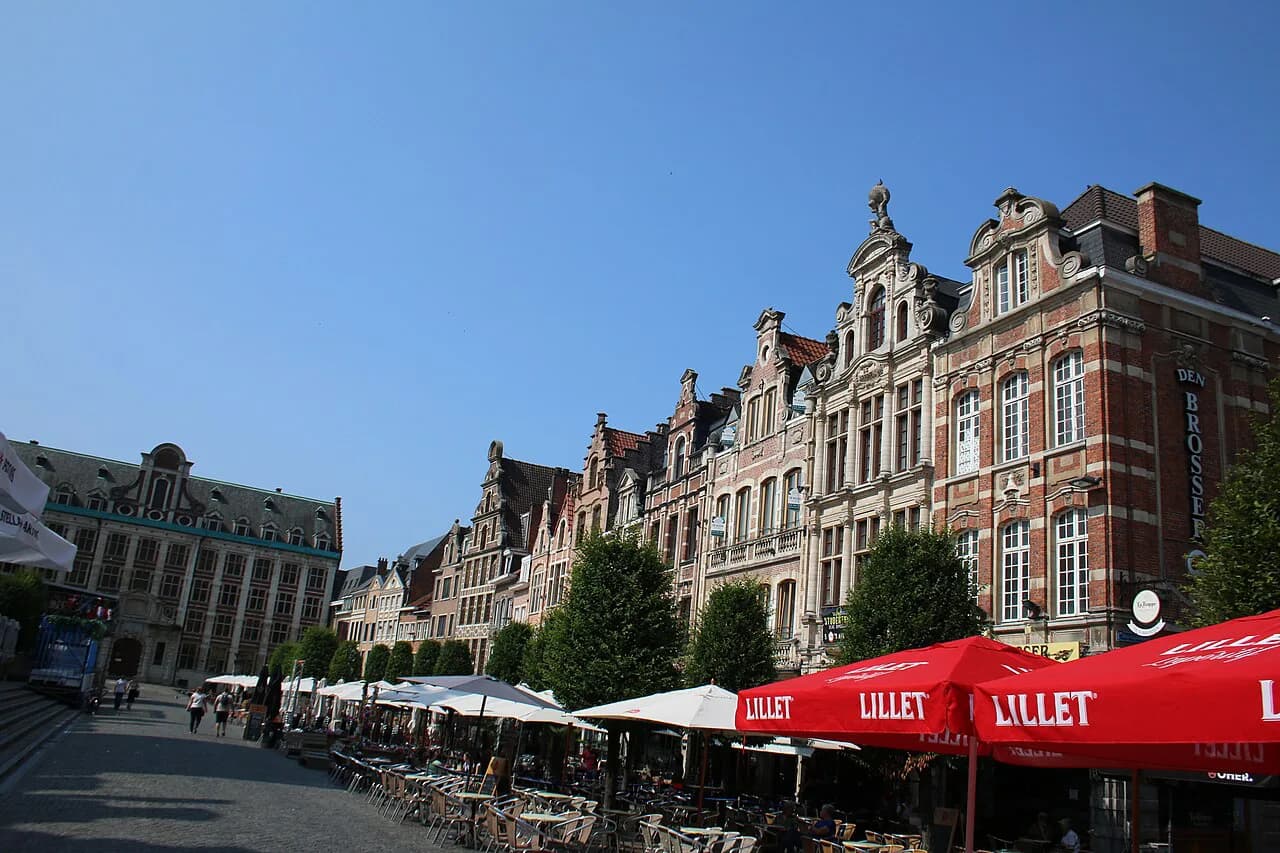
The Oude Markt is where the beer culture becomes social: a long run of bars with outdoor seating, known locally as the longest bar in the world. It is a good place to end a day of walking, with or without a crawl.
Chocolate and the Friday Market: two tastes of local life
Bittersweet is the chocolatier to know in Leuven, known for unusual flavours such as white chocolate with passion fruit and earl grey tea. The shop sits on the road leading to the train station, which makes it an easy stop on the way in or out of the city.
The Friday Market is the moment to see the city at work. Stalls sell fish, flowers and clothes across the cobbles, and older residents do their weekly shop while the students are still sleeping. It is the clearest contrast to the beer-and-bars side of Leuven, and the market page sets out what to expect.
Who will Love Leuven: students at heart, beer drinkers, university-city wanderers
Leuven rewards travellers who like a city with a pulse rather than a museum piece. If you enjoy beer culture, university towns and markets, the combination here is hard to beat for a short break. The streets are walkable, the sights are close together and the atmosphere does the rest of the work.
The university library is the sight to seek out if you want the academic side of the city, giving a sense of the institution that shapes Leuven.
If you have two days, spread the walking over both and leave room for a slower afternoon. A weekend in Leuven gives you the space for the begijnhof, a brewery and the market without rushing.
Who may not: travellers wanting canals and a medieval core around every corner
If you want canals, gabled quays and a frozen medieval core, choose Bruges or Ghent instead. Leuven has no canals threading a medieval core, and the wartime rebuilding means the historic feel is reconstructed in places. That is not a reason to skip it, but it is a reason to be clear about what you are booking.
Budget-conscious travellers should look at the costs before they commit. The is Leuven expensive page sets out what a short break here involves, so you can compare it honestly with a Ghent weekend.
How many days does Leuven need: one day, or a slower two
One full day is enough for the core: the Grote Markt, the begijnhof, a beer stop and the market if you are there on a Friday. Most of it is within a short walk of each other, so you are not losing time to transport.
Two days suit travellers who want a brewery visit, the university library and a slower pace. Leuven is also a short direct train ride from Brussels, so it works as a base for a longer Belgian trip, with the capital as a transport hub.
Cycling is a realistic way to see the edges of the city, including the farm brewery out at Hof Den Dormaal.
Leuven or Ghent: how to choose if you have one city break
Choose Ghent if you want canals, a larger historic core and more sights to fill two or three days. Choose Leuven if you prefer a smaller, student-filled city with a strong beer culture and the begijnhof as its centrepiece. Both are easy to reach and manageable on foot, so the decision comes down to the atmosphere you want.
If the calendar is the deciding factor, check what is on during your dates before you commit. The Leuven events page lists festivals and events through the year, which can swing the choice for a weekend.
Either way, a walking route makes the most of a short visit: the Leuven walking tour covers the square, the begijnhof and the student quarter in a logical order.
Leuven, Ghent or Bruges: which should you book?
Book Leuven for a one- or two-day break if you want a compact, lively university city with beer, chocolate and a begijnhof worth the walk. Book Ghent or Bruges if canals and a medieval core are the point of the trip. Leuven rewards travellers who want a city with a pulse rather than a museum piece, and it does so without the crowds of its more famous neighbours.
Explore more Leuven guides
Frequently Asked Questions
Is Leuven a beautiful city?
Leuven is handsome rather than picturesque: the Grote Markt, the Town Hall and the begijnhof of cobbled lanes are the strongest scenery. It lacks the canals that make Bruges and Ghent so photogenic, so its appeal rests on the square and the university streets.
What is special about Leuven, Belgium?
Three things stand out: the Groot Begijnhof, a thirteenth-century village of houses now used by the university; the student presence of KU Leuven, which shapes the centre; and a beer culture that runs from Stella Artois to small breweries such as Domus Brauhaus.
How far is Leuven from Brussels?
Leuven sits within easy reach of Brussels by train: one guide reports a 28-minute onward connection from Brussels, making it realistic as a base or a day trip. Check the current timetable before booking, because journey times and frequencies change.
Sources
Useful notes for your next trip
Optional updates to our guides.
You might also like

Continue reading
More guides you'll find useful