
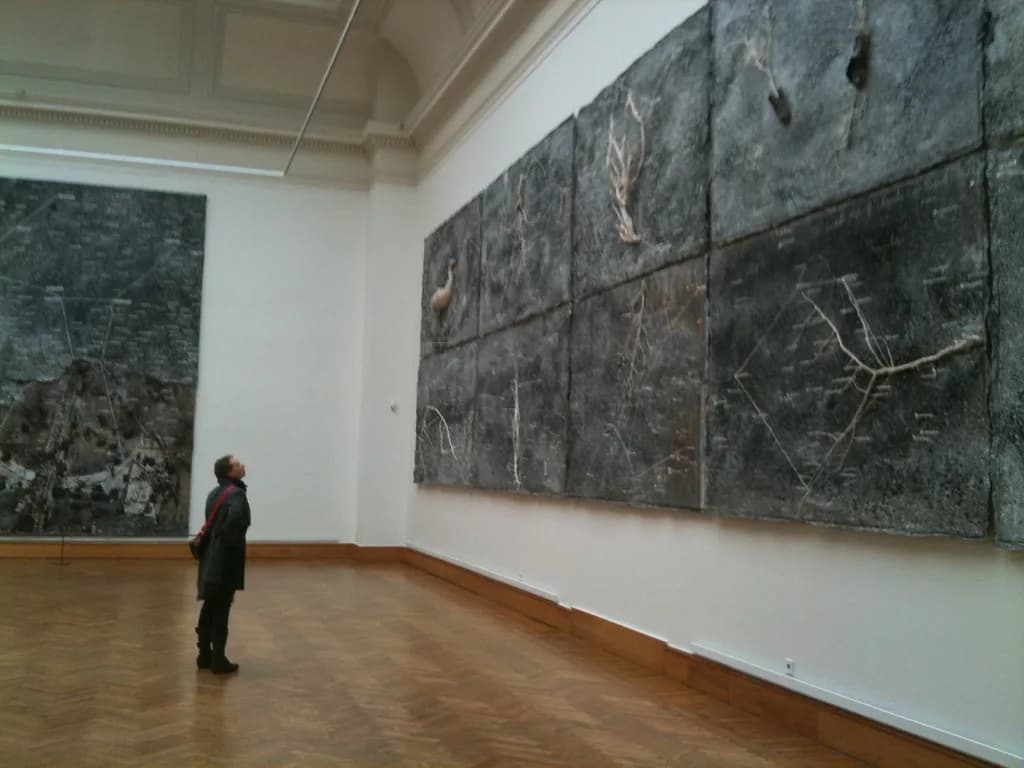
Het Zuid, Antwerp: the Art District South of the Centre
Het Zuid is worth half a day for the museums alone and a full day if you add the Scheldt quays and the shops. Antwerp's southern district holds the KMSKA, M HKA and FOMU within a short walk of each other, framed by grand townhouses and a quayside promenade. This guide takes you through it street by street: Leopold de Waelplaats, Volkstraat, the Vlaamsekaai and the Waalsekaai.
The district fills the most southerly slice of the inner city, bounded by the Singel, the Amerikalei and the Scheldekaaien. Much of it stands on the foundations of the old citadel, the Zuidkasteel, which is part of why its street plan feels unlike the medieval centre. Think of it as Antwerp's answer to a Parisian quarter rather than a second city square.
What Het Zuid is and where it sits
Het Zuid begins where the old town loosens its grip, between the Singel ring and the Scheldt. The name itself comes from the Zuid-Museum, the nineteenth-century museum that anchored the area and is now the KMSKA. That origin explains why art, rather than trade, gives the district its identity.
The layering is the point: a citadel underneath, a museum district on top, and a working waterfront at the edge. Give yourself a rough triangle of Leopold de Waelplaats, Volkstraat and the Vlaamsekaai, and you will have seen the heart of it. The Waalsekaai and Scheldekaaien close the loop along the river.
Who Het Zuid suits, and who should stay in the centre
Het Zuid is for art lovers, design shoppers and anyone who would rather linger on a terrace than queue for a cathedral tower. It rewards a slower pace: a morning in one museum, lunch on the Volkstraat, an afternoon of vintage and interior shops, then a walk along the water.
If you have a single day in Antwerp and your list is the cathedral, the Grote Markt and the old streets, stay north of the centre and treat Het Zuid as an optional extra. The historic core does that job better, and the two districts are different enough that splitting a short trip between them dilutes both. Save Het Zuid for a second visit or a longer stay.
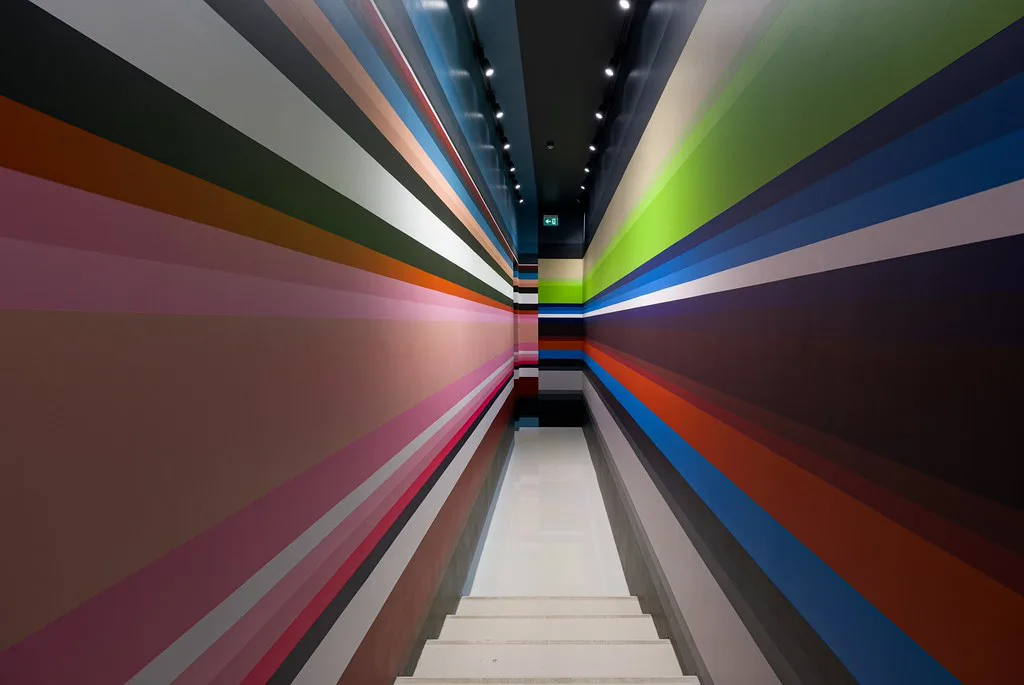
The museums: KMSKA, M HKA and FOMU
Three museums carry the district's reputation. The Koninklijk Museum voor Schone Kunsten Antwerpen (KMSKA) on Leopold de Waelplaats holds a world-class fine art collection and is the anchor of the neighbourhood. The Museum van Hedendaagse Kunst Antwerpen (M HKA) covers contemporary work, and the Fotomuseum (FOMU) concentrates on photography.
If you only have time for one, choose by appetite: old masters at the KMSKA, the contemporary at M HKA, photography at FOMU. Check each museum's own site for opening days and timed entry before you build a day around it. The KMSKA closed for a long renovation in May 2011, so rely on current listings rather than older guidebooks for what is open.
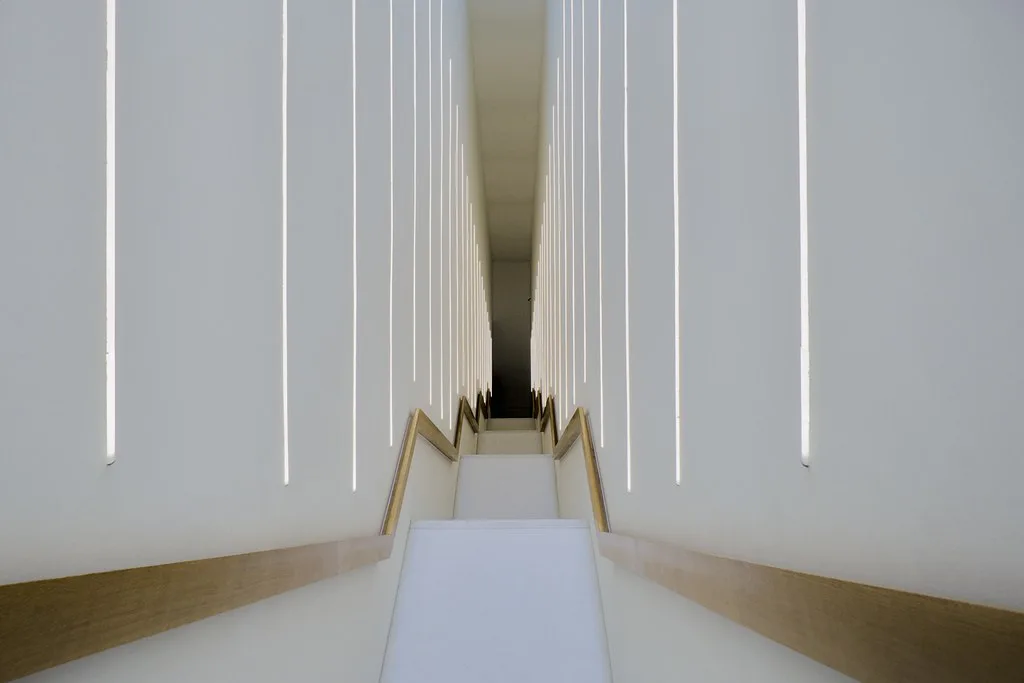
Modern architecture and the Vlinderpaleis
The Vlinderpaleis, Antwerp's new courthouse, is the district's boldest modern statement, designed by Richard Rogers, the architect behind the Centre Pompidou in Paris and the Millennium Dome in London. You do not need to go inside to appreciate it; the building's form is the attraction. Pair it with the nineteenth-century streets around it for the contrast.
Around the courthouse, Het Zuid is dense with imposing townhouses and Art Nouveau homes. Walk the Volkstraat and the streets off Leopold de Waelplaats with your eyes up: the facades, bay windows and ironwork are the free exhibition. This is architecture to stroll past rather than a ticketed sight.
Why locals call it Petit-Paris
The district's unusual street plan earns it the nickname Petit-Paris among locals, and the comparison is about layout as much as looks. Broad boulevards and long sightlines give Het Zuid a formality the medieval centre lacks. Artists moved in when the property market collapsed in the 1980s and rents were low, and that creative residue still shapes the galleries and shops.
Walking the Scheldekaaien
The Scheldekaaien, the renewed quays along the Schelde, are the district's best free walk. Follow the water from the Vlaamsekaai towards the Waalsekaai for a promenade with river views and a sense of the port that made Antwerp. It is flat, open and easy to fold into a museum day.
Come late afternoon if you want the light on the water and a terrace stop on the way back. The quays connect naturally to the rest of the city's waterfront, so you can extend the walk rather than doubling back. For a different waterside mood, the dockside district of Het Eilandje lies further north along the Scheldt.
Shopping in Het Zuid
Shopping here means vintage and design clothing, interiors and small boutiques set among the townhouses, not chain stores. The cluster around the Vlaamsekaai and Volkstraat is the place to browse, with concept shops and furniture showrooms mixed in with cafés. It suits someone hunting a single good piece rather than a full afternoon of retail.
The district also has a liveable, everyday side: bakeries, florists, opticians and food shops that serve residents as much as visitors. That mix is why Het Zuid feels like a neighbourhood rather than a museum quarter with a gift shop attached. Wander the side streets off Museumstraat and the Amerikalei to see it.
Where to eat, grouped by street
Around Leopold de Waelplaats you have the densest choice. Puro 26 sells Italian produce, Sinners is a trendy spot with a scaffold-wood interior, and Gelato Factory makes Italian-style gelato and espresso in the heart of the south district. Burgers & Booze on Leopold de Waelstraat covers the casual end.
The Volkstraat and the KMSKA area pull in diners too. Matterhorn Süd on the Volkstraat has a broad menu and hosts live DJs from Thursday to Saturday, while Jerom near the renewed KMSKA aims at a gastronomic experience. Eugène on Volkstraat is an artisan gluten-free bakery for bread, pastries and charcuterie.
On the Vlaamsekaai and Waalsekaai, the eating follows the water. Dok 54 on the Waalsekaai serves dishes cooked to order, Little Gem is a sharing restaurant on the Vlaamsekaai, and Brasserie Zurich sits at the corner of Verlatstraat and Vlaamsekaai. Fish & Eat on Volkstraat is a seafood bistro if you want something lighter.
For something less Belgian, Muro on Verschansingstraat has served Turkish mezze and grills since 1993, and Nuova Era on Graaf van Hoornestraat covers Italian. Eugène is an artisan gluten-free bakery, and the Leopold de Waelplaats terraces are the busiest part of the district for a sit-down lunch.
Coffee, pastries and ice cream
The district's café culture is one of its quiet pleasures. Mirlo's on Verbondstraat does breakfast, lunch and an aperitif with good coffee, Koffie CR on Kronenburgstraat is a tasting bar for coffee, tea and wine, and Charlie's on Volkstraat combines coffee, breakfast and lunch with a design-led interior.
For a sweet stop, Gelato Factory on Verschansingstraat makes its gelato in-house, and Eugène on Volkstraat bakes gluten-free bread and pastries daily. These are places to break up a museum day rather than destinations in their own right.
Using Het Zuid as a base
Het Zuid works as a base for travellers who come for design and galleries rather than the old centre: the museums and quays are walkable, and you can eat well without leaving the neighbourhood. The trade-off is distance from the cathedral and Grote Markt, which you will reach by tram or on foot. If Art Nouveau streets appeal more than museum walls, Zurenborg on the other side of the centre is a good alternative base to compare.
Staying here means walking to the museums and the quays rather than taking transport, and eating well without leaving the neighbourhood. The trade-off is distance from the cathedral and Grote Markt, which you will reach by tram or on foot. If Art Nouveau streets appeal more than museum walls, Zurenborg on the other side of the centre is a good alternative base to compare.
Getting there and getting around
Het Zuid is compact enough to cover on foot once you arrive. Its edges are defined by the Singel ring, the Amerikalei and the Scheldekaaien, so use those as your orientation lines: cross the ring and you are in Het Zuid. The old centre is a straight walk or a short tram ride north.
Within the district, everything from the KMSKA to the Vlaamsekaai is close, which is why a street-by-street route works better than a checklist of sights. If you are staying across the water, Linkeroever is the left-bank neighbourhood on the other side of the Schelde.
How long Het Zuid needs
Give Het Zuid half a day if you want one museum and a walk along the quays; give it a full day if you plan to visit two museums, shop and eat. The district rewards lingering, so build in a terrace stop rather than racing between galleries.
If you are comparing Antwerp districts, note that Het Zuid is the art-led one while Zurenborg is architecture-led and the old centre is the medieval one. Matching the district to your interests will save you a wasted morning.
Is Het Zuid worth a day of your Antwerp trip?
Yes, if you want art and riverside walking in one compact district. Start at Leopold de Waelplaats for the KMSKA, walk the Art Nouveau streets, lunch on the Volkstraat, then follow the Scheldekaaien for the views. It is a half-day minimum, a full day if you add M HKA or FOMU.
Skip it if you only have a day in Antwerp and the cathedral and Grote Markt are top of your list. For everything else, Het Zuid is the district that makes Antwerp feel like a city of living art rather than a museum piece.