
Het Eilandje, Antwerp: What the Old Docks District Is Like

Het Eilandje is Antwerp's old dock district, a compact grid of former warehouses, new architecture and waterfront terraces north of the historic centre. It earns half a day for its museums and dockland atmosphere; travellers who want shops and cafés on every corner will find it quieter and more spread out than the old town. This guide covers what the district is, who it suits, the sights grouped by dock geography, eating and staying inside it, and how to walk it. For orientation across the wider city, see the Antwerp Neighborhoods: 5 Area Guides.
What Het Eilandje is and where it sits
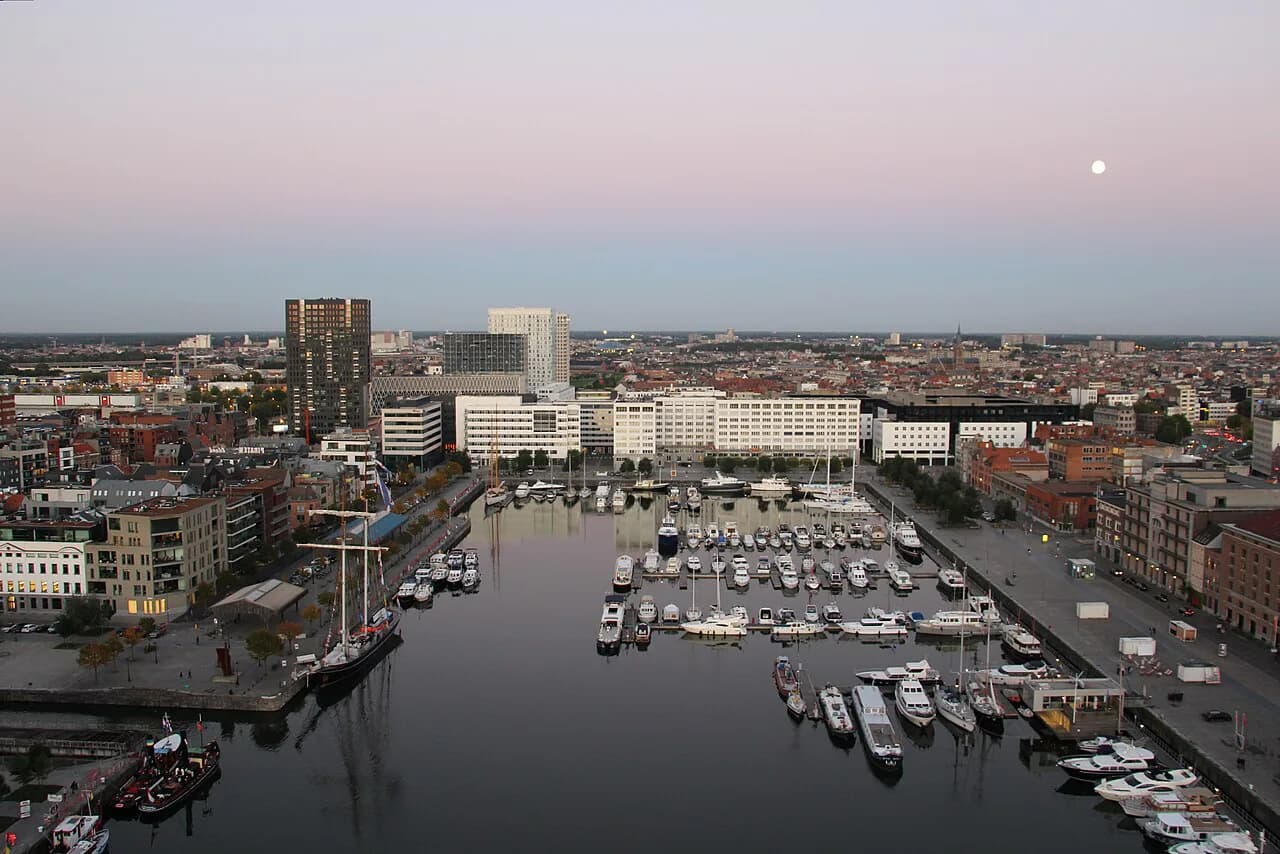
The district has been called Het Eilandje, the little island, since 1869, when the Schelde and the surrounding docks enclosed the area, and the name stuck. Local Dutch gives both the district and the river their own forms, Het Eilandje and the Schelde, and you will see those on signs and maps. It lies just north of Antwerp's old centre, close enough to reach on foot but far enough to feel like a separate quarter.
Think of it as a working harbour that turned into a museum-and-architecture neighbourhood, rather than a nightlife or shopping district. Old pakhuizen sit beside modern blocks, with museums and waterside terraces sharing the same quays. That mix is the reason to come: you get maritime history and contemporary buildings within one loop on foot.
Who it suits and who it does not
Het Eilandje is strongest for museum-goers and architecture lovers. The MAS, the Red Star Line Museum and the Port House sit within a short walk of each other, and the converted warehouses give the streets a texture you will not find in the old town. If your Antwerp wish list is built around the Grote Markt and the cathedral, treat the district as an add-on rather than a base.
It suits travellers who like space, water and big skies, and who are happy to walk between sights. It suits less those who want everything on the doorstep: the district is spread across docks and basins, so you will cover ground. If you want a denser neighbourhood with bars and boutiques on the street, look at Sint-Andries or Het Zuid instead.
For travellers comparing Antwerp's districts before booking, the wider set of area guides sets Het Eilandje beside Zurenborg and the rest. Zurenborg, Antwerp is the opposite experience: a residential quarter of elaborate architecture rather than docks and museums, useful if you want a contrast on a second day.

The MAS: the landmark that anchors the district
The MAS, the Museum aan de Stroom, is the building that put Het Eilandje back on the map, and it anchors the southern edge of the district near the docks. Its stacked red-stone form is visible from across the water, and the museum's arrival is tied to the coffee bars and terraces that followed. The MAS is the obvious starting point for the district's museum loop.
Even if you skip the galleries, the building itself is the reason many visitors come. Its position by the water lets you read the district's layout before you walk it, and the surrounding square is part of the attraction. Set aside time for the exterior and the square rather than treating the museum as a quick photo stop.
The Museum Dock and the Red Star Line Museum
Near the MAS lies the Museum Dock, a basin that is easy to overlook when you are heading for the headline museum. It is part of the same maritime landscape and gives the area its working-harbour feel. Walk the quay here before or after the MAS rather than cutting straight between buildings.
The Red Star Line Museum tells the migration story of the shipping line that carried passengers from Antwerp to North America. It occupies old harbour buildings, which is part of the point: the departure halls and sheds are the setting for the history. Allow proper time for it; this is the district's most substantial historical stop and rewards a slower visit.
Group these sights with the MAS into one loop: they sit close together and form the core of a half-day in the district. Doing them in one walk saves you doubling back across the docks. If you only have an afternoon, pick the MAS and the Red Star Line and leave the rest for a return.
The Port House and the new architecture
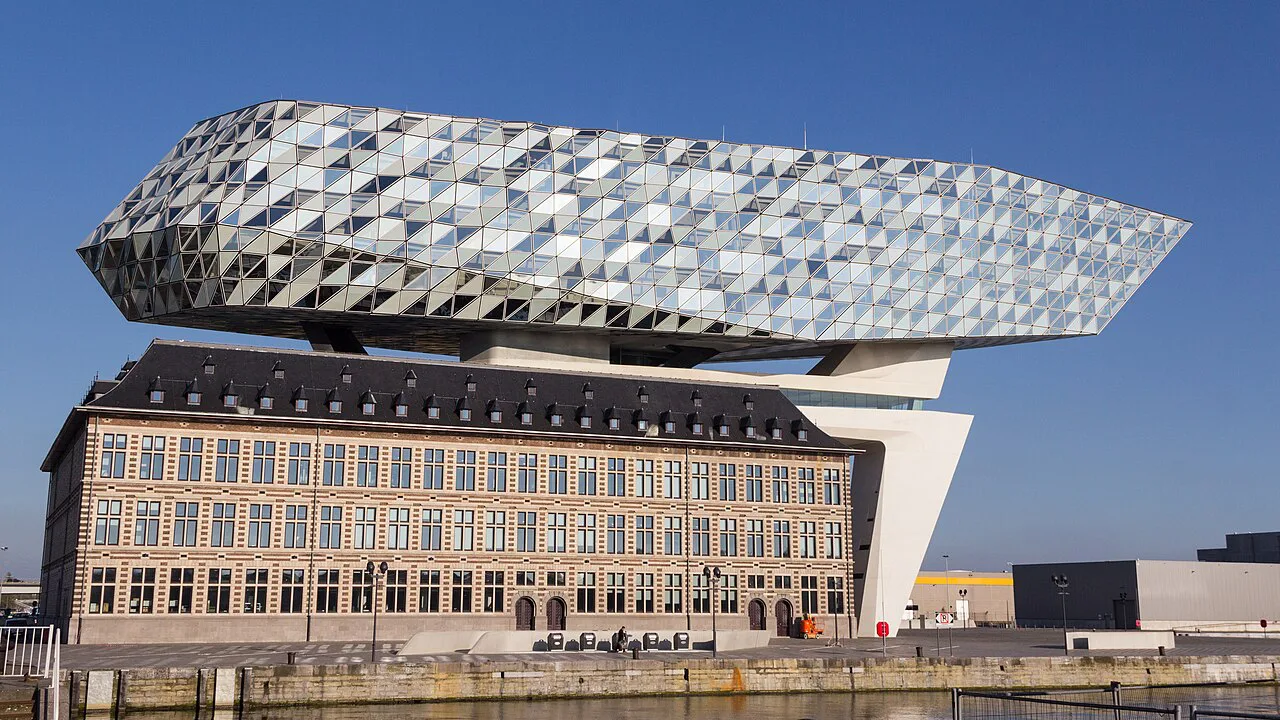
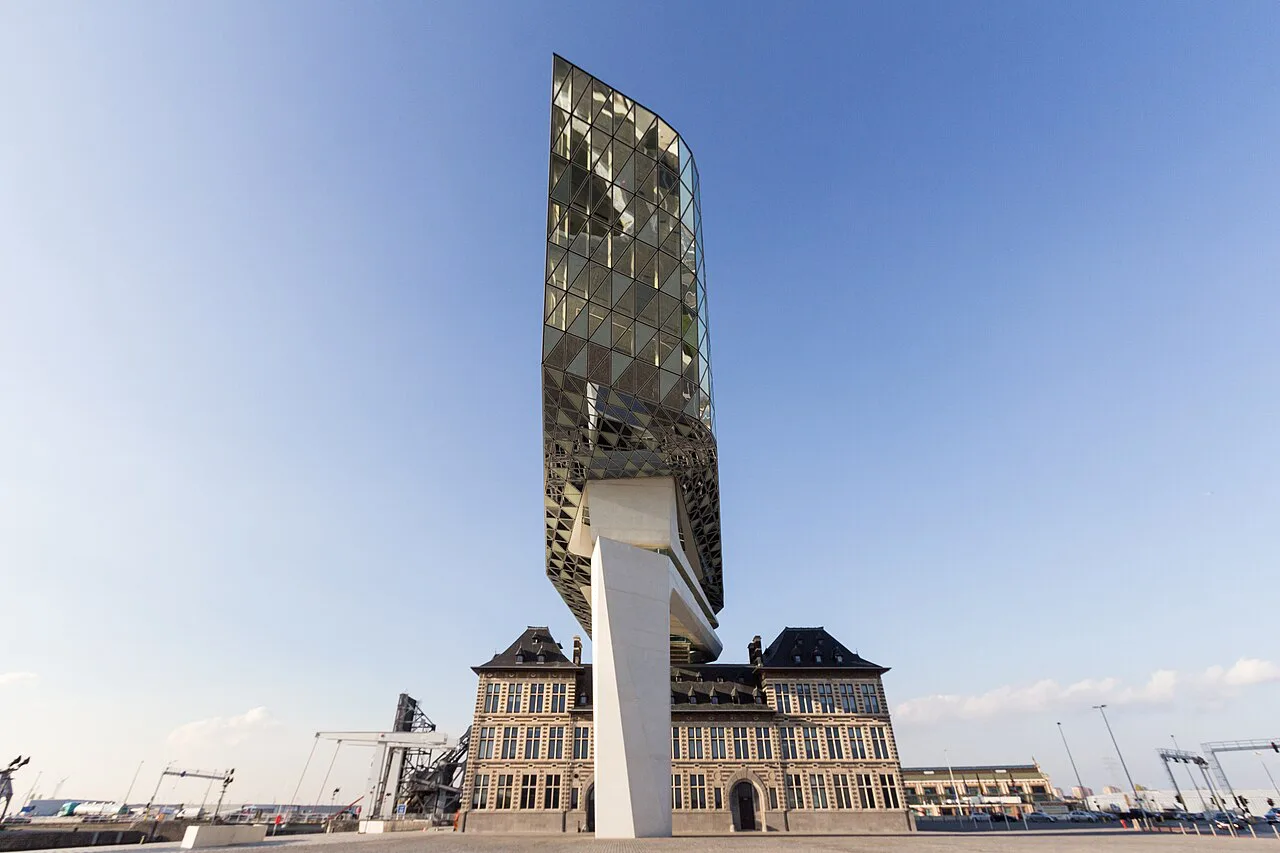
The Port House is the modern face of the district: a striking building set among the old docks. You come for the exterior and the contrast with the surrounding warehouses rather than for a long interior visit. It is one of the clearest examples of how Het Eilandje mixes old harbour fabric with new architecture.
Beyond the Port House, the district is a showcase of conversions and new builds set among cranes and dock walls. Walking between them is the activity: the scale of the old infrastructure and the polish of the new buildings sit side by side. Architecture-minded visitors will want longer here than the map suggests.
The neighbourhood's giant cranes are the other landmark worth seeking out. They make you feel small next to the scale of the old port, and they frame views across the water. They also explain the district's character better than any single museum: this was built for ships, not for strolling.

Felix Pakhuis: a food stop in a converted warehouse
Felix Pakhuis is the district's most convenient eating stop, a food stop inside a converted warehouse. It suits a group with mixed appetites or a solo traveller who wants choice without committing to a single restaurant. Treat it as a practical lunch stop between the MAS and the Red Star Line rather than a destination in itself.
Food options in Het Eilandje sit mostly around the museum loop and the waterside terraces, so plan lunch around that rather than assuming something will appear on every corner. A waterside terrace is the pleasant option in dry weather, but check what is open near your route before you set out.
Getting there and walking the district
Het Eilandje is a walking district: reach it on foot from the old centre and then move between the MAS, the Museum Dock, the Red Star Line Museum and the Port House on foot. The docks and basins break up the grid, so follow the water rather than cutting through blocks. Allow a full morning or afternoon for the core loop.
If you are coming from the opposite bank, Linkeroever Antwerp sits across the Schelde and gives a different view back towards the docks. It is worth a look if you are already crossing the river, but it is not part of Het Eilandje itself. Keep the district walk as one continuous loop to avoid ferry or tram hops in the middle of it.
For the route in, Het Eilandje is best reached on foot from the old centre; coming from the opposite bank means crossing the Schelde first. Museum hours and admission vary by museum, so one check before you leave helps.
How long Het Eilandje needs
Half a day covers the essentials: the MAS from outside and, if you choose, inside, the Museum Dock, the Red Star Line Museum and a walk past the Port House. That is a comfortable loop with a lunch stop. It leaves no slack for lingering, so pick your priorities before you set out.
A full day lets you go inside more than one museum, walk the full length of the cranes and the new architecture, and eat without rushing. Architecture lovers should lean towards the full day; travellers mainly interested in the MAS can do the half-day version and spend the rest of the day in the old centre. Either way, build the walk around the water, not the streets.
Is Het Eilandje worth half a day?
Yes, if you want maritime history and modern architecture in one walk. The MAS, the Red Star Line Museum and the Port House form a tight-enough core for a half-day loop, with Felix Pakhuis as the practical lunch stop. Go for the full day only if you plan to go inside more than one museum.
If you want a denser neighbourhood for the rest of your trip, compare Het Zuid and Sint-Andries before you decide where to base yourself. Het Zuid, Antwerp has the galleries and cafés; Het Eilandje has the docks and the museums. They complement each other well across a two- or three-day visit.
Explore more Antwerp guides
Frequently Asked Questions
What is Het Eilandje in Antwerp?
It is the old dock district north of Antwerp's historic centre, named after the ring of water that once surrounded it. Today it mixes converted warehouses, new architecture and museums, including the MAS and the Red Star Line Museum, with the Port House as its modern landmark.
How did Het Eilandje get its name?
The area has been known as Het Eilandje, the little island, since 1869, when the Schelde and the surrounding docks enclosed it. The name stayed even as the dock landscape changed around it.
Is Het Eilandje free to visit?
The district is made up of public streets and quays, and walking around it costs nothing. The MAS and the Red Star Line Museum are museums with their own admission arrangements, which vary by museum.